

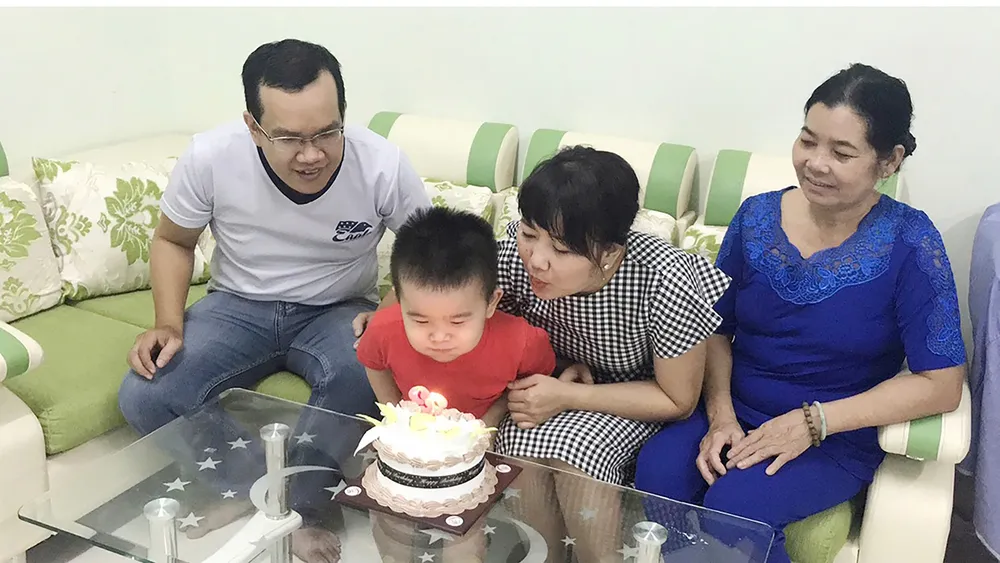
Nameless sorrow
Mr. Nguyen Van Hai (42 years old, residing in Phu Thuan ward, Ho Chi Minh City) likens his marriage to a "sandwich," with two young children, one aged 5 and the other 10, both at school age, and his elderly parents on the other. Every time his children or parents fall ill, Mr. Hai feels like he's about to... fall apart.
Hai's job as a construction engineer, along with his wife's office income, was enough to cover the family's living expenses. Since his mother became frequently ill, the couple brought her from their hometown to live with them. Tuition for their children, medication costs, and living expenses skyrocketed. Besides the financial pressure, the mental stress was the most worrying. "Our children are going through one grade after another, and my mother is often sick. My wife and I take turns picking them up, dropping them off, and caring for them. My boss looks on, and my colleagues sigh," Hai confided.
Caught between two generations, the "sandwich generation" has a host of unspoken problems to solve. Ms. Ma Thi Huyen Anh (39 years old, residing in Hiep Binh ward) recounts that her home is frequently plagued by small conflicts. "My father wants to watch the news, but my child begs to watch cartoons. My mother wants to eat a light and healthy boiled dish, but my child insists on fried food. The grandparents often get upset, and the children are stubborn... Sometimes, I can't satisfy everyone's wishes, so I feel trapped," Ms. Huyen Anh confided.
Those conflicts may seem trivial, but if left unaddressed, they can become a source of mental stress for those caught in the middle.
Finding peace amidst the hustle and bustle.
When juggling two generations, many people have found their own "strategies." Ms. Minh Thuy (40 years old, residing in Cau Kieu ward) didn't choose to endure it alone, but instead found ways to turn the pressure into joy. "In the past, I thought I had to handle everything myself, but when I almost collapsed from stress, I realized I was making myself and my family suffer," Ms. Minh Thuy confided. After that, she and her husband clearly divided responsibilities. Her husband was in charge of picking up and dropping off the children, while she handled the shopping and cooking. They also took turns caring for their parents when they were ill. Occasionally, when the grandparents were well, they would help the couple take the children to school. Common chores like cleaning the house were shared among the family.
Minh Thuy and her husband also encourage their parents to join senior citizen clubs, both to provide companionship and to give them space and hobbies. "The key is to listen, to talk regularly with parents and children," she shared. Their secret is learning to listen to their parents' wishes and sometimes being upfront about their own difficulties. When everyone understands each other better, the pressure decreases.
Some families also choose to seek help from relatives. For example, Mr. and Mrs. Vu Duy Tan (residents of Tan Dinh ward) formed a support group on Zalo including themselves, his sister and her husband, and their older children. Each of the children contributes a small amount monthly to a fund to prepare for when their mother falls ill, and they take turns accompanying her to her regular check-ups.
Sharing responsibilities makes everyone feel more comfortable, but the key thing that couples like Minh Thuy and her husband, or Tan and his wife, have achieved is proactively seeking help from family instead of shouldering all the burdens themselves. Thanks to this, the pressure of being part of the "sandwich generation" isn't necessarily a burden, but rather an experience and a source of happiness knowing they always have loved ones by their side.
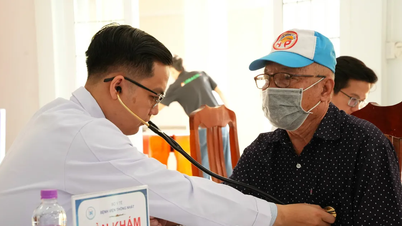
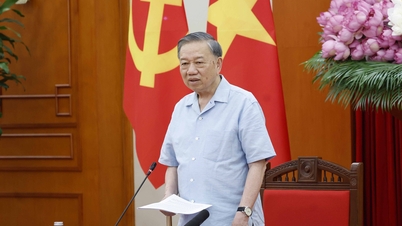
Recently, at the National Conference on the implementation of four Politburo resolutions, including Resolution No. 72-NQ/TW on strengthening the protection, care, and improvement of people's health, General Secretary To Lam emphasized the need to encourage models for caring for the elderly. The General Secretary suggested developing "semi-residential" nursing homes, with morning and evening transportation, allowing the elderly to meet friends, chat, and reduce loneliness. This is a practical solution that helps urban families reduce the burden of caregiving and allows the "sandwich generation" to focus on their own lives with peace of mind.
Source: https://www.sggp.org.vn/the-he-sandwich-va-trach-nhiem-voi-gia-dinh-post815142.html



![[Photo] General Secretary and President To Lam presides over a meeting on preparations for the review of one year of operation of the three-tiered government system.](https://vphoto.vietnam.vn/thumb/1200x675/vietnam/resource/IMAGE/2026/06/02/1780391821195_a1-bnd-4595-9717-jpg.webp)
































































Comment (0)