

 |
Photo: Hoai Bao . |
With the mandatory blending of unleaded gasoline into E10 fuel approaching in early June, more car manufacturers in Vietnam are reassuring consumers about the compatibility of E10 biofuel with gasoline-powered cars and motorcycles currently on sale.
Yamaha has a special note for vehicles using carburetors.
On its official fanpage, Suzuki confirmed that all its cars and motorcycles currently sold in Vietnam are compatible with E10 bioethanol fuel. In the motorcycle segment, Suzuki currently offers two manual transmission models: the Satria F150 and the V-Strom 250SX, while in the passenger car segment, it has the Jimny along with a range of hybrid vehicles including the Fronx, Swift, and XL7 Hybrid.
For discontinued models, Suzuki recommends that customers refer to the vehicle's owner's manual to check compatibility with E10 gasoline.
Yamaha Vietnam announced that all of its motorcycle models equipped with electronic fuel injection (FI) are compatible with E10 bioethanol fuel.
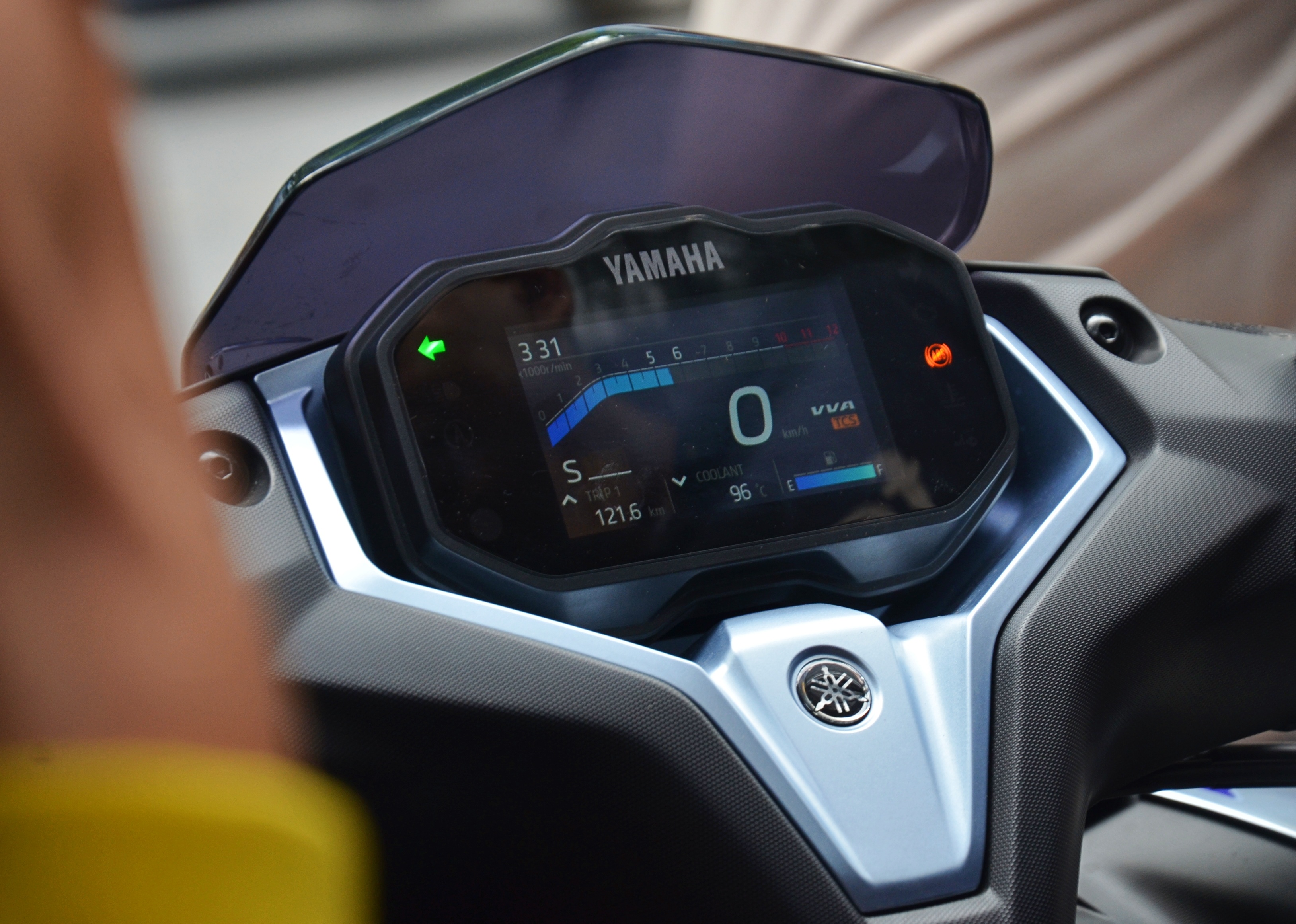
To determine if the Yamaha model being used is a fuel injection (FI) system model, customers can check the FI symbol on the vehicle's decal or instrument cluster.
Yamaha motorcycles using electronic fuel injection systems may have an audible fuel pump sound for about 3 seconds after turning on the ignition. The instrument panel also displays an engine warning light, which illuminates when the ignition is turned on and automatically turns off when the vehicle is operating normally.
 |
For Yamaha motorcycles using carburetors, the company states that those produced from 2017 to the present are compatible with E10 RON 95 gasoline. However, for Yamaha motorcycles using carburetors manufactured before 2017, the Japanese manufacturer recommends using E5 RON 92 gasoline.
Previously, Honda Vietnam affirmed that Honda motorcycles perform well with gasoline having an octane rating of no lower than 91, and an ethanol blending ratio of no higher than 10%.
Therefore, Honda motorcycle users can use bioethanol fuels such as E5 RON 92 or E10 RON 95 without worrying about affecting the engine or fuel system.
Some cars can use E25 gasoline.
On its official fan page, MINI stated that all models currently sold in Vietnam feature engine technology compatible with E5, E10, and even E25 biofuels, subject to appropriate technical standards.
The carmaker, owned by the BMW group, says this adaptability helps the vehicle operate efficiently, supports stability, and optimizes emissions when using standard fuel.
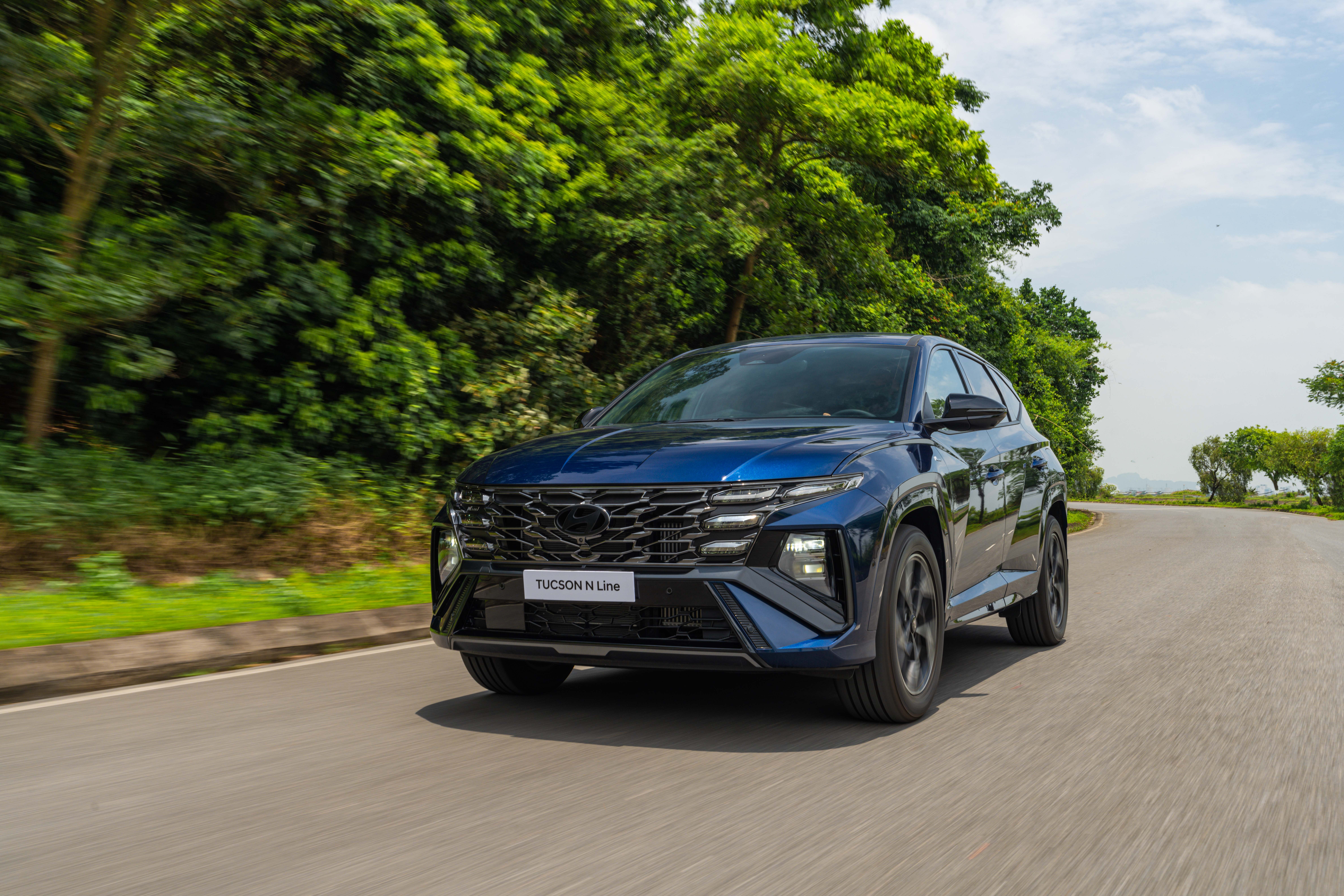
Hyundai Thanh Cong Joint Venture stated that all Hyundai models officially distributed in Vietnam, including new and used vehicles manufactured from 2005 onwards, are compatible with E10 biofuel.
On its official fanpage, Hyundai Thanh Cong stated that no significant difference in performance was observed when using E10 gasoline that met the standards. The engine still ran smoothly and powerfully, maintaining optimal acceleration and fuel consumption.
 |
The company emphasizes that using E10 gasoline does not affect the lifespan of the engine or any other mechanical parts. Hyundai customers also do not need to install additional equipment, make technical adjustments, or change their maintenance procedures when using E10 gasoline.
Hyundai Thanh Cong Vietnam announced that it will continue to apply the official warranty policy for vehicles using E10 gasoline that meet current fuel quality standards, while also recommending the use of fuel that meets the standards and prioritizing refueling at reputable distribution systems, as well as performing regular maintenance.
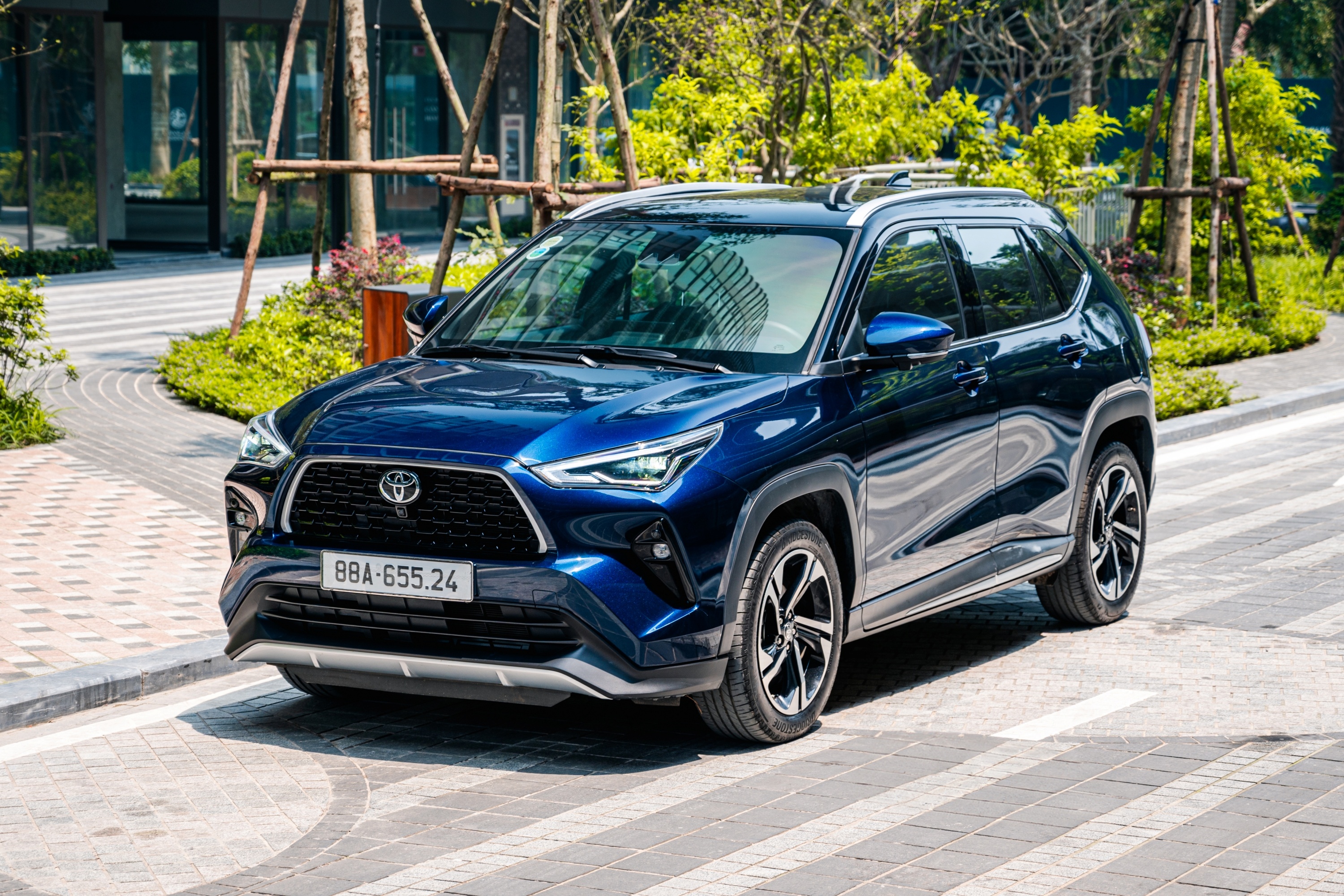
Toyota Vietnam announced that all Toyota models, including new and used vehicles manufactured after 1997, are compatible with E10 bioethanol fuel.
The Japanese automaker also emphasized that using E10 gasoline in compatible car models does not affect engine durability or safety, and does not incur additional maintenance or repair costs compared to conventional fuel.
 |
Both Kia and Mazda , distributed by Thaco in Vietnam, have confirmed that all their internal combustion engine models are compatible with E10 bioethanol fuel. Mazda stated that its vehicles meet stringent emission standards, while Kia emphasized that its vehicles sold in Vietnam meet Euro 4 or higher emission standards.
According to Tri Thức - Znews' investigation, Ford Vietnam has also sent a letter to its dealers, confirming that all current Ford models using gasoline engines are fully compatible with E10 gasoline. The company recommends that Ford vehicles use the corresponding Euro standard fuel to fully meet the published emission standards.
For example, a Ford vehicle that meets Euro 5 standards needs to use E10 bioethanol fuel, and the unleaded gasoline used in the blend must also meet Euro 5 standards. Therefore, in this case, the type of fuel the customer needs to use is E10 RON 95-V, instead of E10 RON 95-III.
Geely and Lynk & Co, brands owned by China's Geely Group, have also confirmed that cars sold in Vietnam can use E10 gasoline, which meets international standards, without affecting the engine's mechanical components.
Geely, in particular, stated that all models have undergone testing and evaluation under real-world climatic conditions, operating environments, and fuel quality in Vietnam to ensure stable operation, optimal performance, and engine durability.
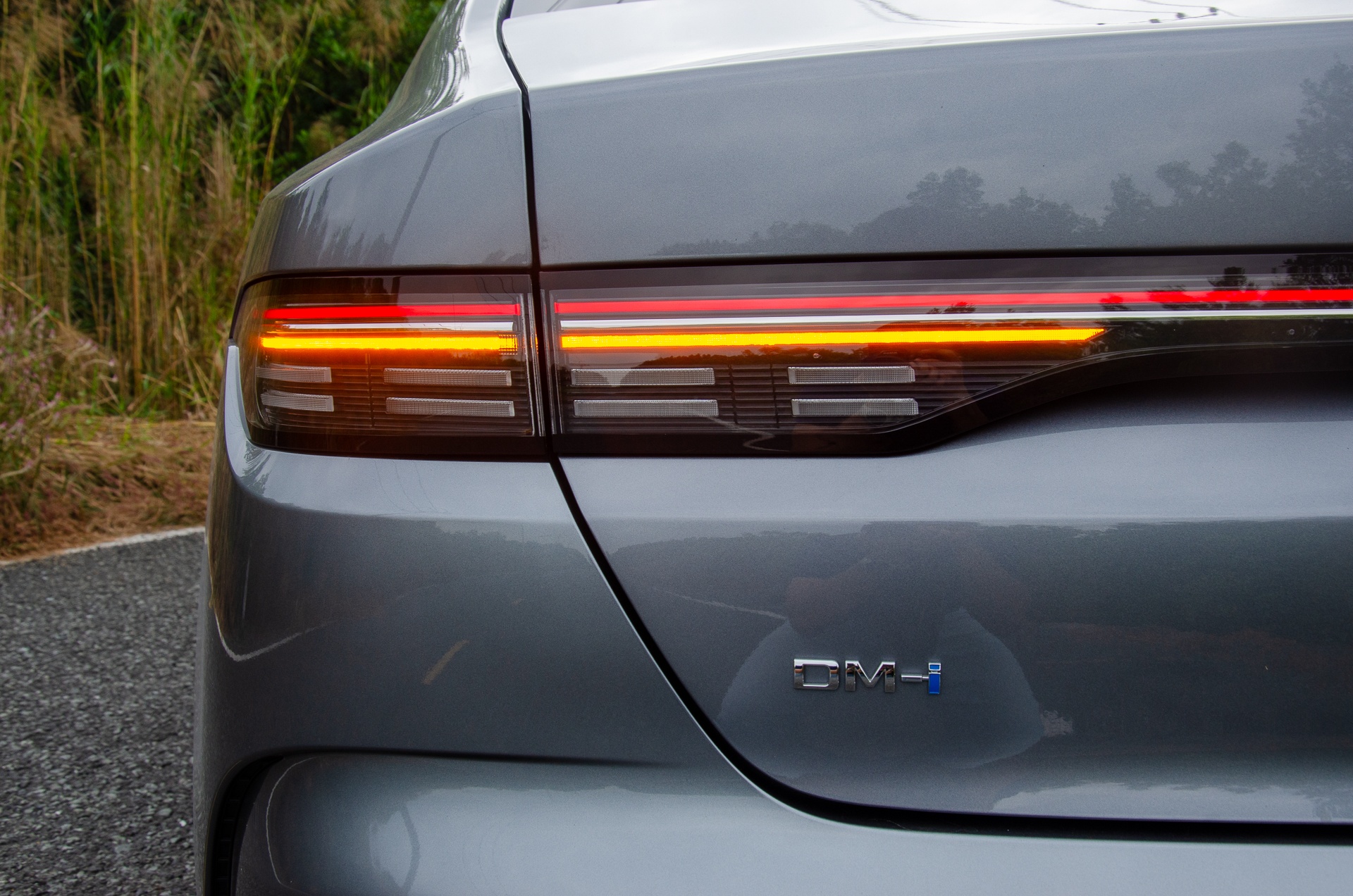 |
BYD Vietnam also confirmed that its hybrid vehicles using DM-i Super Hybrid technology are designed to be compatible with E10 gasoline.
In this regard, BYD states that the fuel system (tank, pipes, injectors) is constructed from a new generation of alloys and polymers, capable of resisting chemical corrosion due to the water-absorbing properties of ethanol.
Many older Mitsubishi models may not be compatible.
On its official website, Mitsubishi Vietnam (MMV) states that all vehicles equipped with electronic fuel injection (MPI/EFI) engines distributed in Vietnam, manufactured from 1997 to the present, are compatible with E10 gasoline.
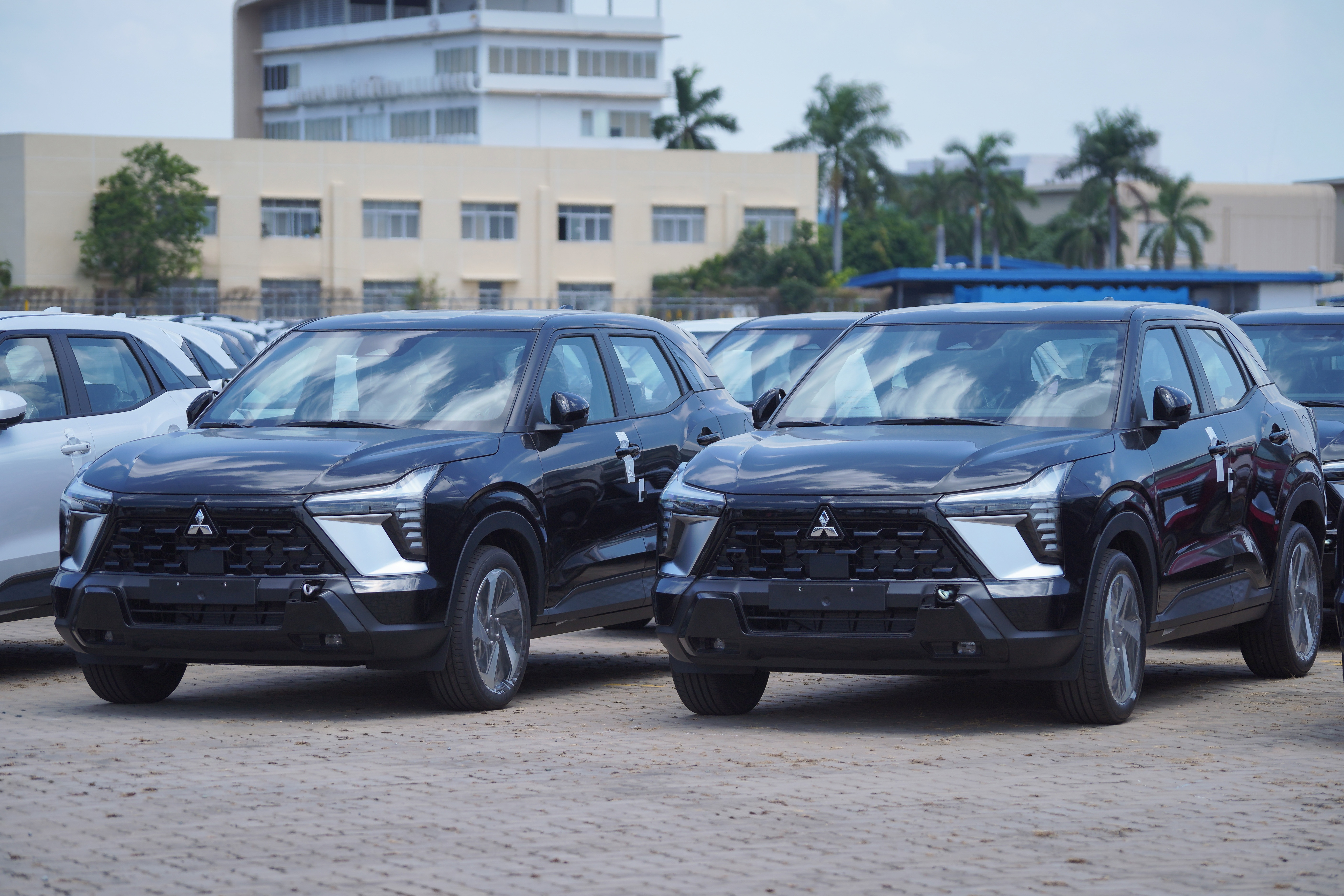 |
However, MMV notes that some older models equipped with carburetor engines have not yet been determined to be compatible with E10 bioethanol, including the L300 manufactured between 1995 and 2003, the Pajero - V31 manufactured from 1997 to 2002, and the Jolie manufactured between 1998 and 2003.
Additionally, the Proton Wira models equipped with fuel injection engines manufactured between 1996 and 1999 are also in the group whose compatibility with E10 bioethanol fuel has not yet been determined.
MMV advises customers to refer to their owner's manual to understand the recommended fuel type. For vehicles that are used infrequently over extended periods, users are advised to properly store the fuel in the tank to prevent water separation – a characteristic of bioethanol.
Source: https://znews.vn/them-nhieu-hang-xe-len-tieng-ve-xang-e10-post1655188.html
![[Photo] Ba Lang An Lighthouse - the "eye of the sea" amidst the "rock museum" of Quang Ngai province.](https://vphoto.vietnam.vn/thumb/1200x675/vietnam/resource/IMAGE/2026/05/29/1780038698840_anh-man-hinh-2026-05-29-luc-14-10-42.png)























![[Image] Pleasant weather helps students enter the 10th grade entrance exam with confidence.](https://vphoto.vietnam.vn/thumb/1200x675/vietnam/resource/IMAGE/2026/05/29/1780034401612_ngay-1-thi-lop-10-minh-duy-8-5009-jpg.webp)
































































Comment (0)