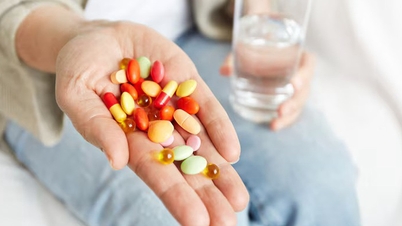
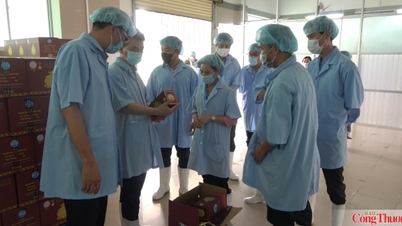
When using nutritional supplements or functional foods, you should also consult your doctor - Photo: QUANG DINH
But behind those seemingly harmless beliefs lies an alarming reality: an increasing number of people are being hospitalized with severe liver damage and acute liver failure, the culprit being the very pills they once placed their trust in.
When do "nutritional supplements" become the culprits harming the liver?
Self-treating with dietary supplements: more harm than good.
A 59-year-old woman was admitted to the emergency room with jaundice, yellowing of the eyes, liver enzymes elevated dozens of times higher than normal, and severe blood clotting disorders. Prior to this, she had used a dietary supplement advertised on TikTok to lose weight. After ruling out other causes, doctors concluded that the liver damage was directly related to this unverified product. This is not an uncommon case.
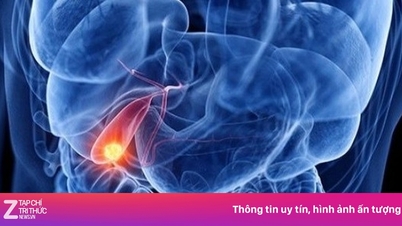
The liver is considered the body's "detoxification factory." Most medications introduced into the body must pass through the liver for metabolism. However, during this process, some active ingredients can directly poison liver cells or trigger abnormal immune responses, leading to liver inflammation and necrosis.
In medicine, this condition is called drug-induced liver injury (DILI). The frightening thing is that liver damage can still occur even when taking the correct dosage and without pre-existing liver disease.
In Western countries, drug-induced liver injury accounts for 1-6% of hospitalized patients and is one of the leading causes of acute liver failure, with a mortality rate of 10-50%. In Vietnam, 40-60% of hospitalized patients are already in the severe stage of liver injury; 7-12% of cases progress to acute liver failure, sometimes requiring liver transplantation to save lives.



Why do "nutritional supplements" harm the liver?
While in the West, paracetamol and antibiotics are common liver-toxic drugs, in Vietnam, traditional medicine, herbal remedies, and dietary supplements top the list of liver damage causes. In addition, anti-tuberculosis drugs, anti-epileptic drugs, lipid-lowering drugs, chemotherapy drugs, and immunosuppressants also pose a high risk.
A common trait among many patients is the habit of self-medicating based on word-of-mouth recommendations or trusting advertisements on social media. With just a few searches, users can access a wide range of imported products labeled as "detox," "weight loss," or "skin beautification," with attractive advertisements but lacking adequate verification of ingredients and safety.
Even more concerning, many products are adulterated with chemicals or contain banned substances that consumers can hardly detect with the naked eye.
Drug-induced liver damage is dangerous because it progresses very silently. In the early stages, patients only experience fatigue, loss of appetite, bloating, and nausea. These symptoms are easily overlooked or mistaken for a common cold.
Most patients only seek medical attention when they experience noticeable jaundice, right lower abdominal pain, allergic reactions, dark urine, unusual bruising, or even coma. However, by this time, the liver has already been severely damaged and the chances of recovery are significantly reduced.
Although anyone can suffer liver damage from medication, middle-aged individuals have the highest incidence. This is the age group where chronic diseases often begin to appear or who tend to seek out supplements for "preventive" purposes. Additionally, people with viral hepatitis, alcoholics, the elderly, or those taking multiple medications simultaneously are at high risk.
Please note the doctor's recommendations.
To protect your liver, people need to remember some important principles. Do not self-medicate, including painkillers, antibiotics, traditional Chinese medicine with unknown ingredients, or dietary supplements. All medications have potential side effects, regardless of whether the label says "health-boosting" or "detoxifying."
Be cautious with paracetamol. Do not take multiple cold and flu medications at the same time as you may accidentally overdose due to overlapping active ingredients. Elderly people, those with chronic liver disease, regular alcohol drinkers, or those taking multiple medications simultaneously should consult a doctor before using any product.


If jaundice, persistent fatigue, nausea, or dark urine appear after taking the medication, the patient should seek medical attention immediately.
Finally, be sure to fully disclose all medications, supplements, and herbal remedies you are currently taking when you see your doctor. Hiding so-called "vitamins" can delay diagnosis and cost you precious time to save your liver.
The liver has a miraculous ability to regenerate, but it also has limitations. Once the liver is severely damaged, there is no "miracle cure" to completely detoxify it. Prevention is always better than cure. Therefore, every pill you take needs careful consideration, because sometimes, the price you pay for carelessness is your liver.
Source: https://tuoitre.vn/thuoc-bo-hai-gan-20260518054925544.htm