

Purple sticky rice
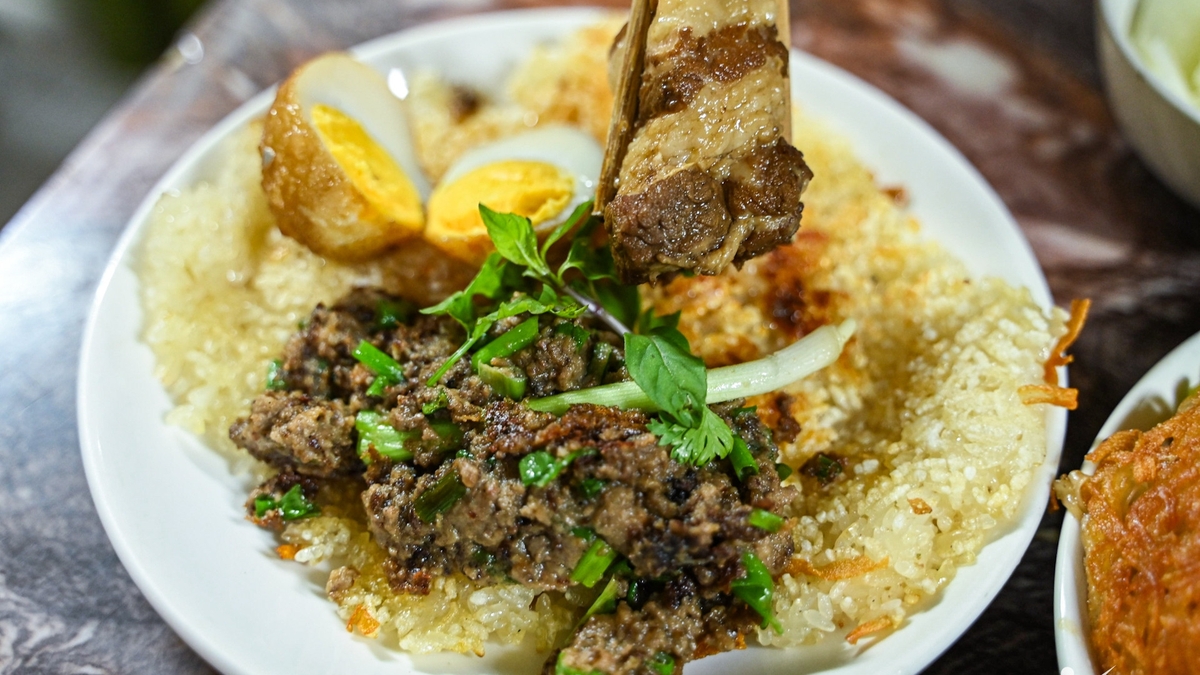
Purple sticky rice is a famous specialty of the Thai and Day ethnic groups in Lai Chau . It's made from large, plump, and evenly sized grains of upland sticky rice, resulting in a naturally chewy and fragrant texture. The dish is particularly special because of its beautiful purple color, created from the "khau cam" plant – a unique forest plant found only in Lai Chau.
To make delicious, flavorful purple sticky rice, the locals follow a meticulous and elaborate preparation process. They must use the right type of wooden steamer made from fig trees to steam the rice, and the rice must be steamed over a wood-fired stove. Absolutely no electric or gas stoves are allowed to be used to ensure the dish retains its delicious aroma and flavor.
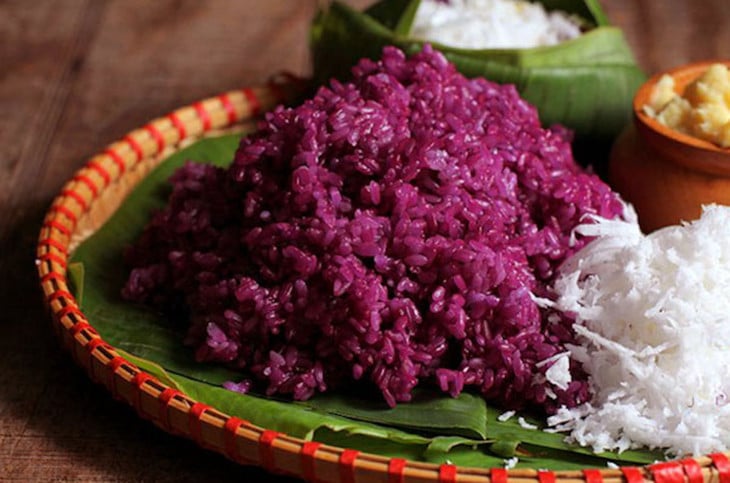
According to locals, this purple sticky rice is not only delicious and beautiful but also good for health. The leaves of the *khau cam* plant contain many nutrients and help improve intestinal function. Therefore, this dish is loved by the locals not only during holidays but also on ordinary days.
Bamboo shoot salad with bauhinia flowers
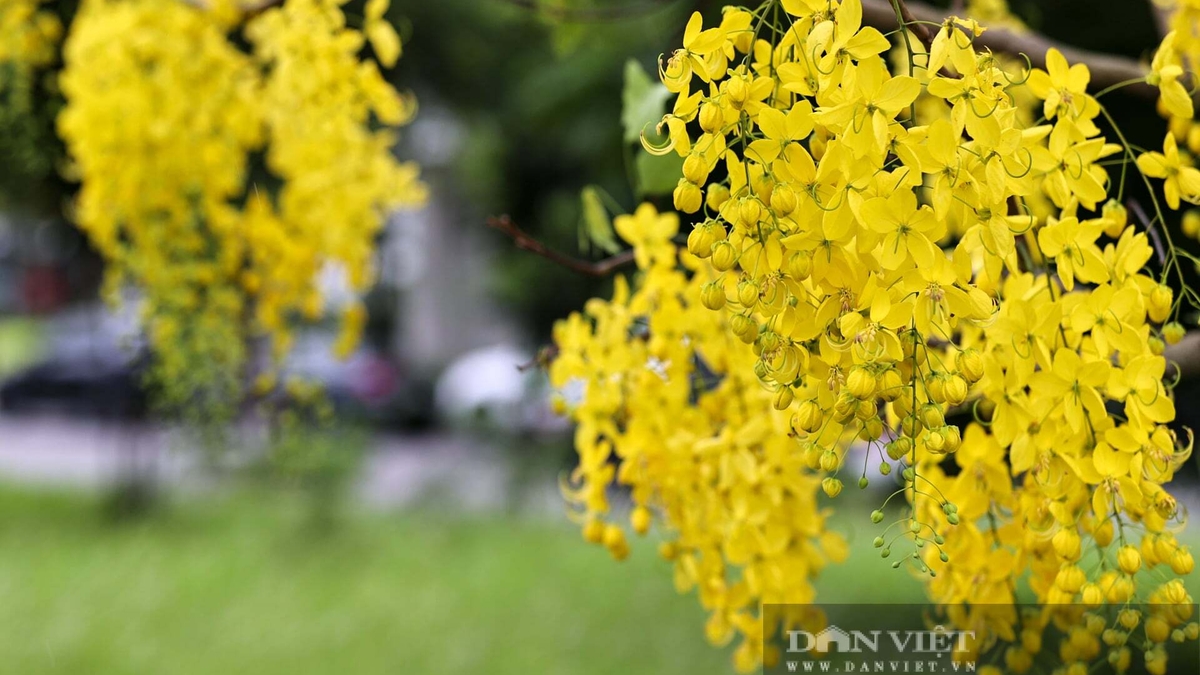
When mentioning Lai Chau's specialties, one cannot fail to mention the exquisite bamboo shoot salad with bauhinia flowers, made with fish and the finest vegetables and flowers of this region.
To make delicious bamboo shoot salad with bauhinia flowers, one uses either the *Nua* or bitter bamboo shoots. The bamboo shoots are then finely chopped, soaked in salt water, and boiled twice, then drained. If using *Nua* bamboo shoots, they need to be shredded into bite-sized pieces after boiling.
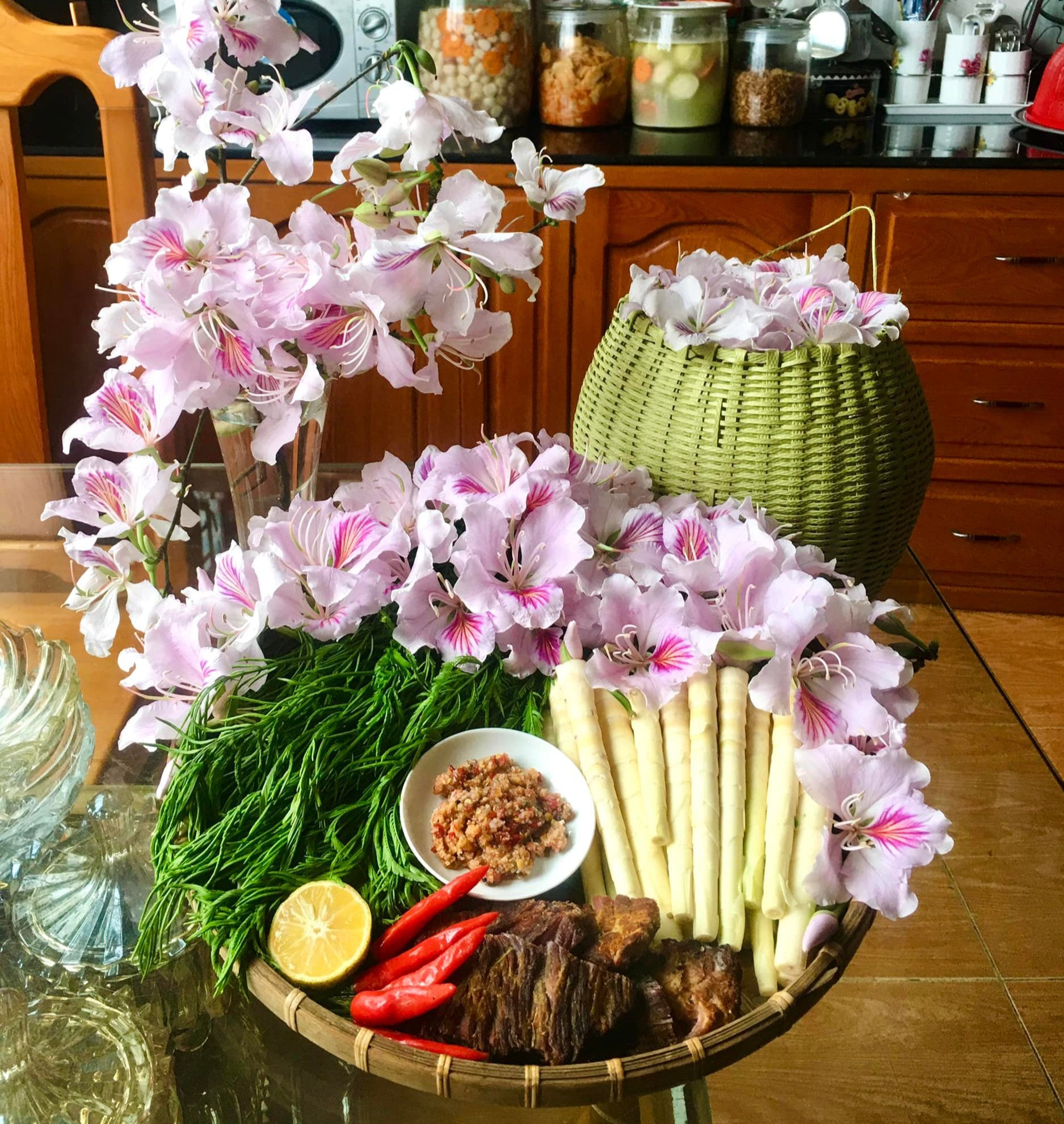 | 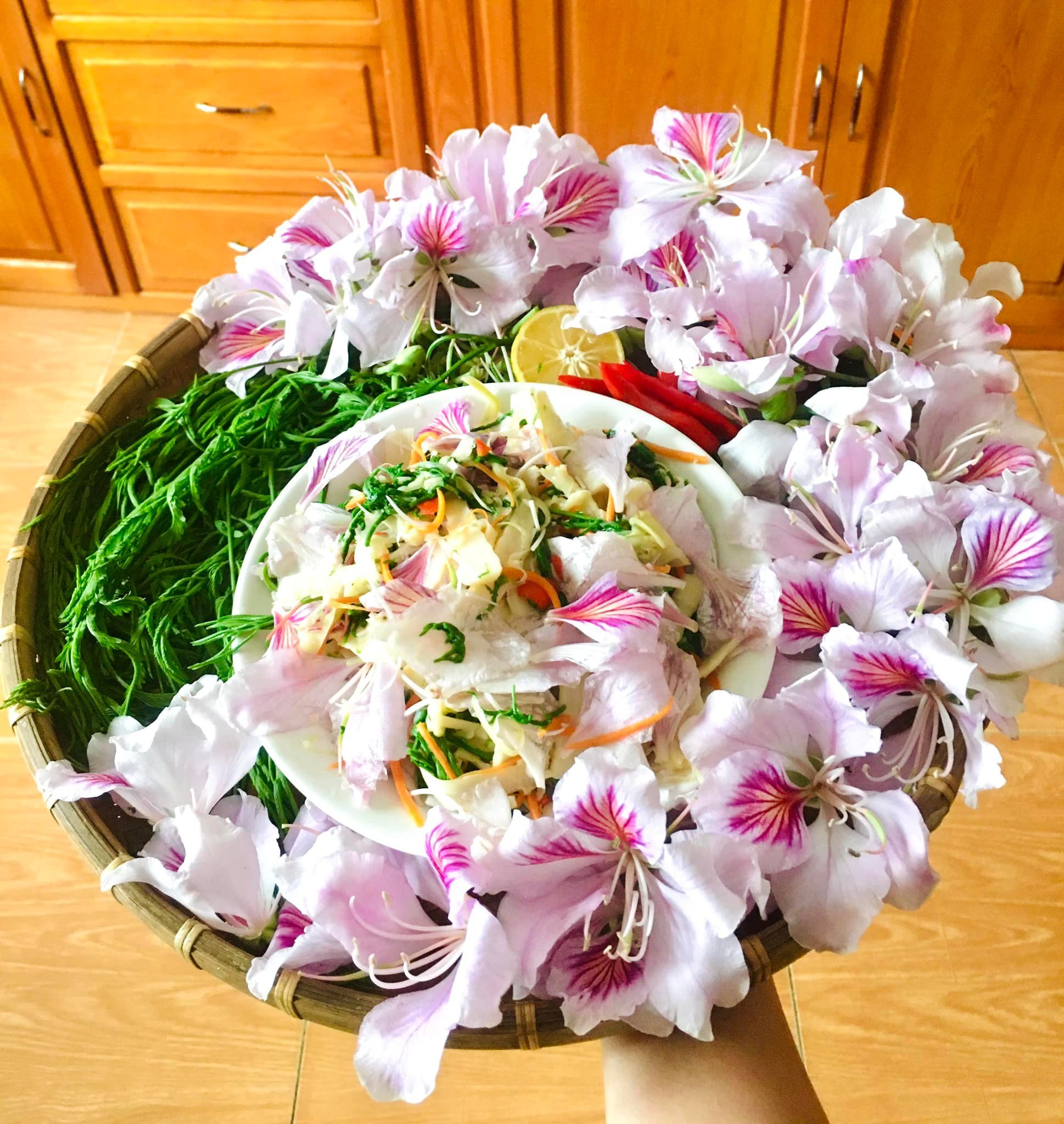 |
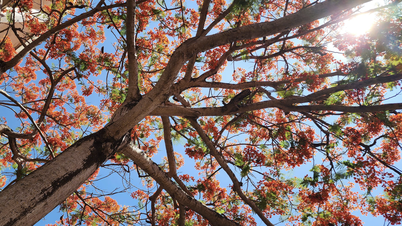
Bamboo shoot salad with bauhinia flowers has a harmonious blend of sour, spicy, salty, bitter, sweet, and savory flavors that stimulate the taste buds, making it a favorite dish among locals and tourists alike during the early spring, helping to cool the body and relieve satiety (Photo: Tran Phuong Thao).
For the bauhinia flowers, locals select fresh blossoms with thick petals. The fish used is from stream fish with firm flesh, prepared by grilling and filleting, removing the bones. Once ready, all ingredients are mixed together with a sweet and sour fish sauce, garlic, and chili mixture, and finely chopped mint is added for aroma.
Fern salad
Fern salad is a rustic dish, deeply rooted in the mountainous flavors of the Thai people in Lai Chau in particular and the people of Northwest Vietnam in general. To make a delicious fern salad, locals usually choose young fern shoots and tender leaves, then wash them thoroughly and dry them in the sun until they are just wilted.
Before cooking, the water spinach is steamed until tender instead of boiled, ensuring it retains its sweet and savory flavor and vibrant green color. Once steamed, the spinach is placed in a large bowl, seasoned with salt, sugar, lemon juice, and chopped herbs, chili peppers, ginger, and garlic, then mixed well. After about 5 minutes for the salad to absorb the flavors, crushed roasted peanuts are added before serving.
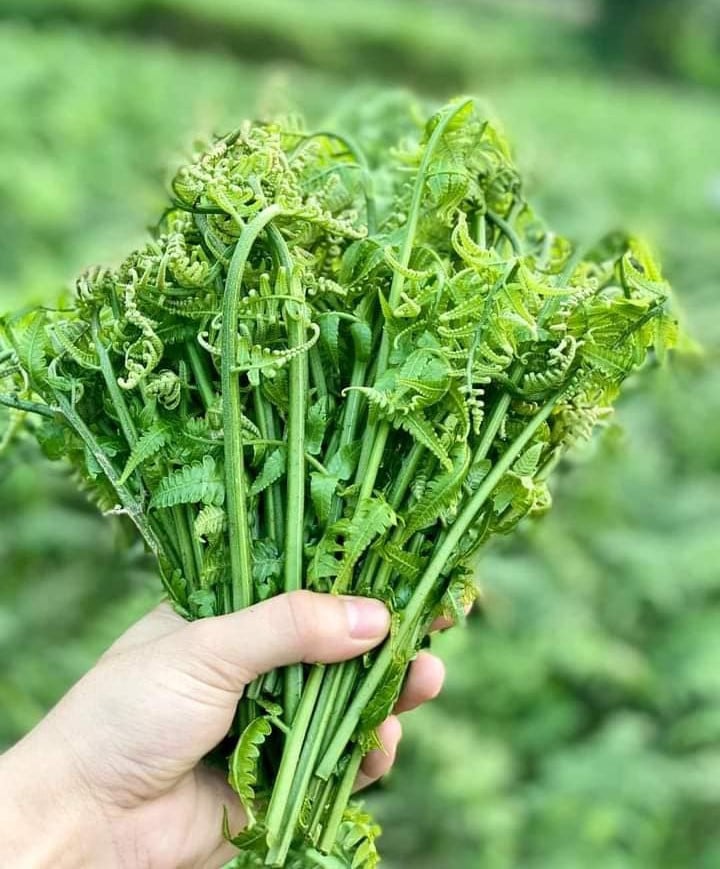 | 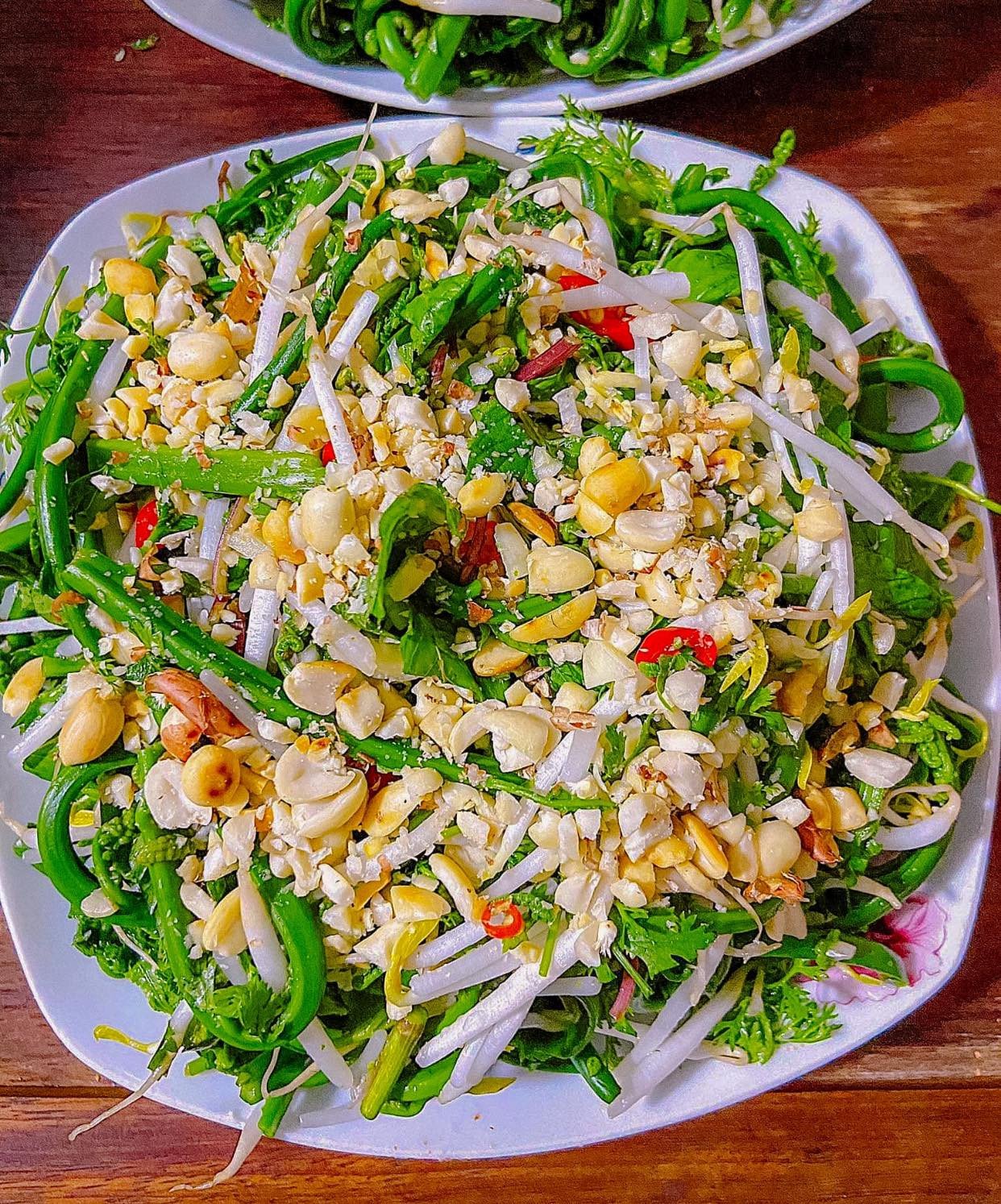 |
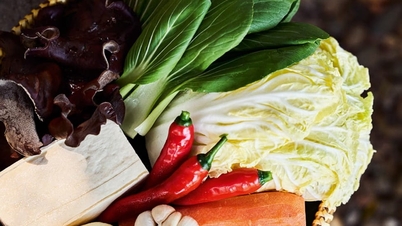
The fern-like plant (also known as "pak kut" in Thai) resembles a fern in appearance, with a thick stem, wide foliage, and smooth green leaves. This plant only grows along stream banks and ravines, where there is high humidity. (Photo: Ha Thi Tham, Pham Thi Thuy Hien)
Besides salads, the Thai people also prepare fern shoots into many other unique dishes such as stir-fried fern shoots with garlic, stir-fried fern shoots with sour bamboo shoot sauce, etc.
Bitter leaf soup
One of the famous specialties of Lai Chau province that tourists should not miss when visiting is bitter leaf blood soup. This dish is made from the main ingredients of bitter leaves (also known as duck bile leaves), pig lungs, and pig blood.
To pick the delicious bitter leaves, the locals have to venture into the forest edges and stream valleys. Because picking the leaves is quite laborious and time-consuming, in the past, this soup was usually only prepared by the host to entertain honored guests.
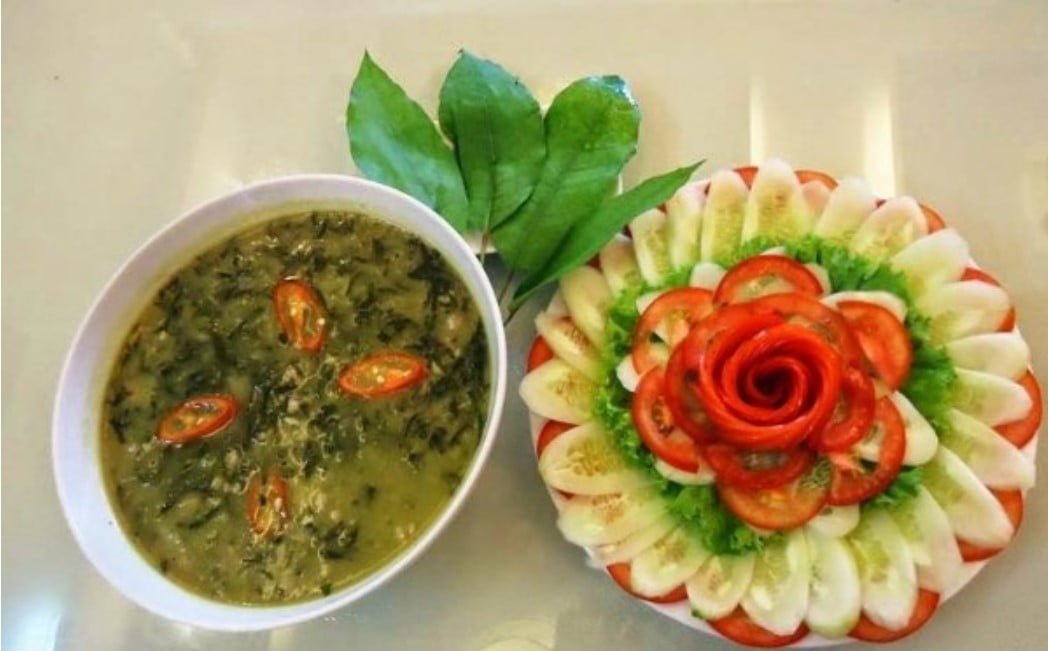
After harvesting, the bitter leaves are washed and crushed. The pig's lungs are carefully prepared and then finely chopped together with the pig's blood, seasoned to taste. After the mixture has absorbed the flavors for about 10 minutes, it is placed on the stove, brought to a boil, and then the crushed bitter leaves and herbs are added and cooked.
Black
Despite its unusual and intriguing name, lam nho is actually a dish made from familiar ingredients like beef and buffalo meat. In the Thai ethnic language, "lam" means to grill, and "nho" means tender, so "lam nho" means "grilled (until) tender".
To make authentic lam nho, Thais must select freshly slaughtered buffalo or beef, ensuring the best freshness and keeping the meat in whole pieces. Next, the meat is patted dry with a clean cloth to remove excess blood/blood instead of rinsing it with water. This method helps the meat retain its flavor and prevents bacterial contamination.
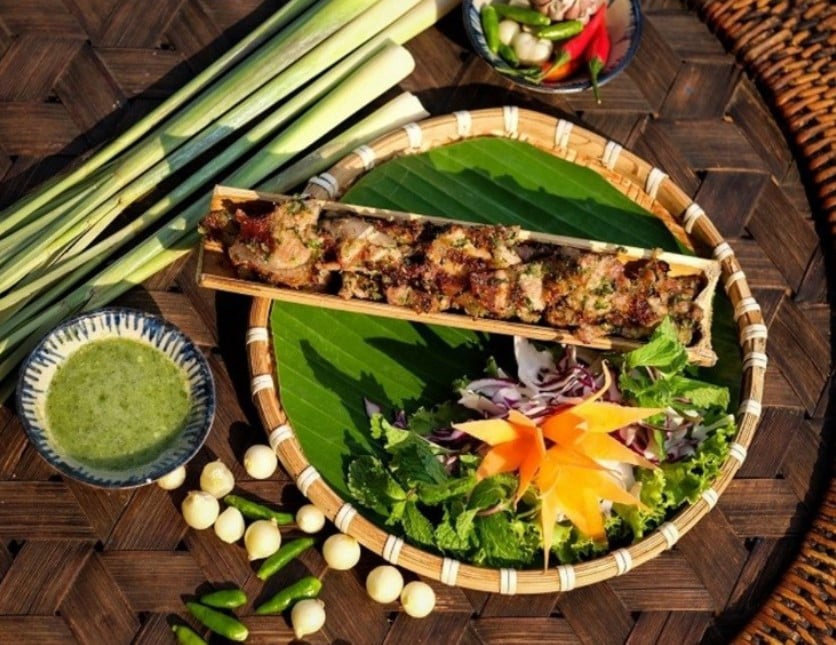
After being cleaned, the meat is grilled over hot coals. When cooked through, it is sliced thinly and mixed with characteristic spices of the highlands such as ginger, garlic, chili, and mắc khén (a type of spice). Then, the marinated meat is placed in bamboo tubes along with some vegetables and grilled evenly over the charcoal fire.
When the meat starts to firm up, it's taken out, mashed with chopsticks, and put back into the bamboo tube for one last grilling to ensure the lam nho dish is thoroughly cooked.
Phan Dau
Source



































![[Video] Sunset at Lap An Lagoon – Where the sun sets over the fishing nets](https://vphoto.vietnam.vn/thumb/1200x675/vietnam/resource/IMAGE/2026/05/31/1780192137701_beach-landscape-sea-water-nature-grass-745871-pxhere-com.jpeg)





























Comment (0)