

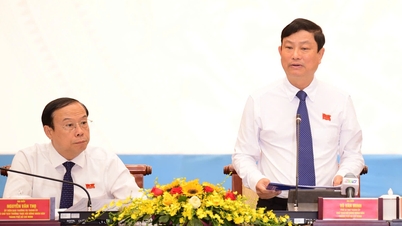
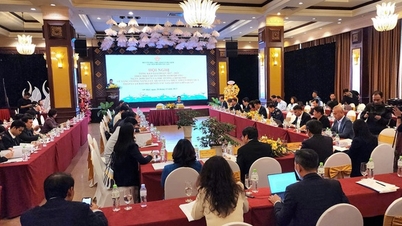
This question was raised and discussed by experts at the seminar "What should Ho Chi Minh City do to enter the era of national progress?" held at the Ho Chi Minh City Academy of Cadres on the morning of November 27th.
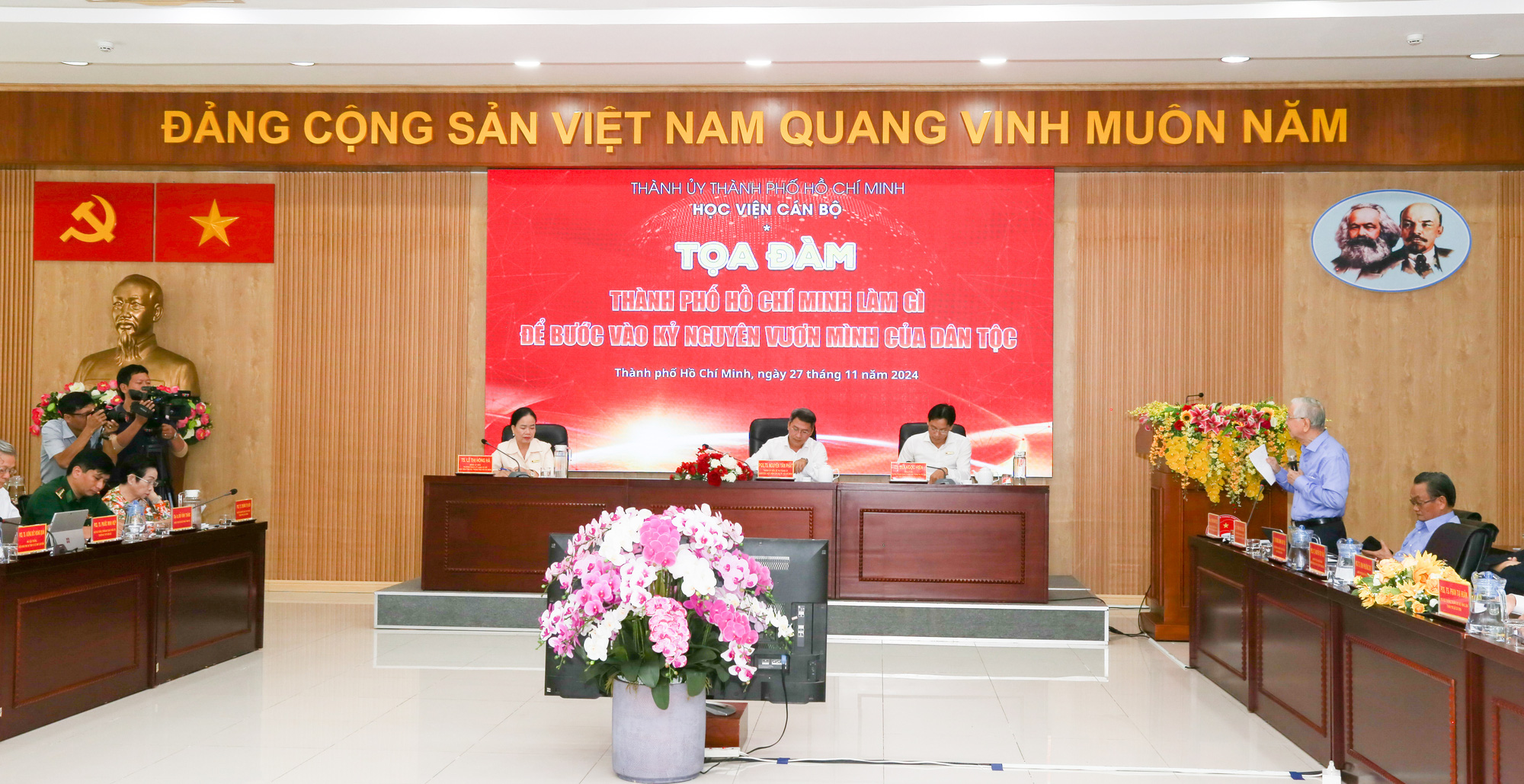
Seminar "What should Ho Chi Minh City do to enter the era of national resurgence?" - Photo: THAO LE
It's not enough to just integrate; we must lead the way.
According to Mr. Phat, in each pivotal stage of development, Ho Chi Minh City has had new, groundbreaking, and creative models and approaches that have spread to other localities. "This reality demonstrates the strong aspiration for progress and the continuous initiative, dynamism, and creativity of the Party Committee, government, and people of Ho Chi Minh City," Mr. Phat said.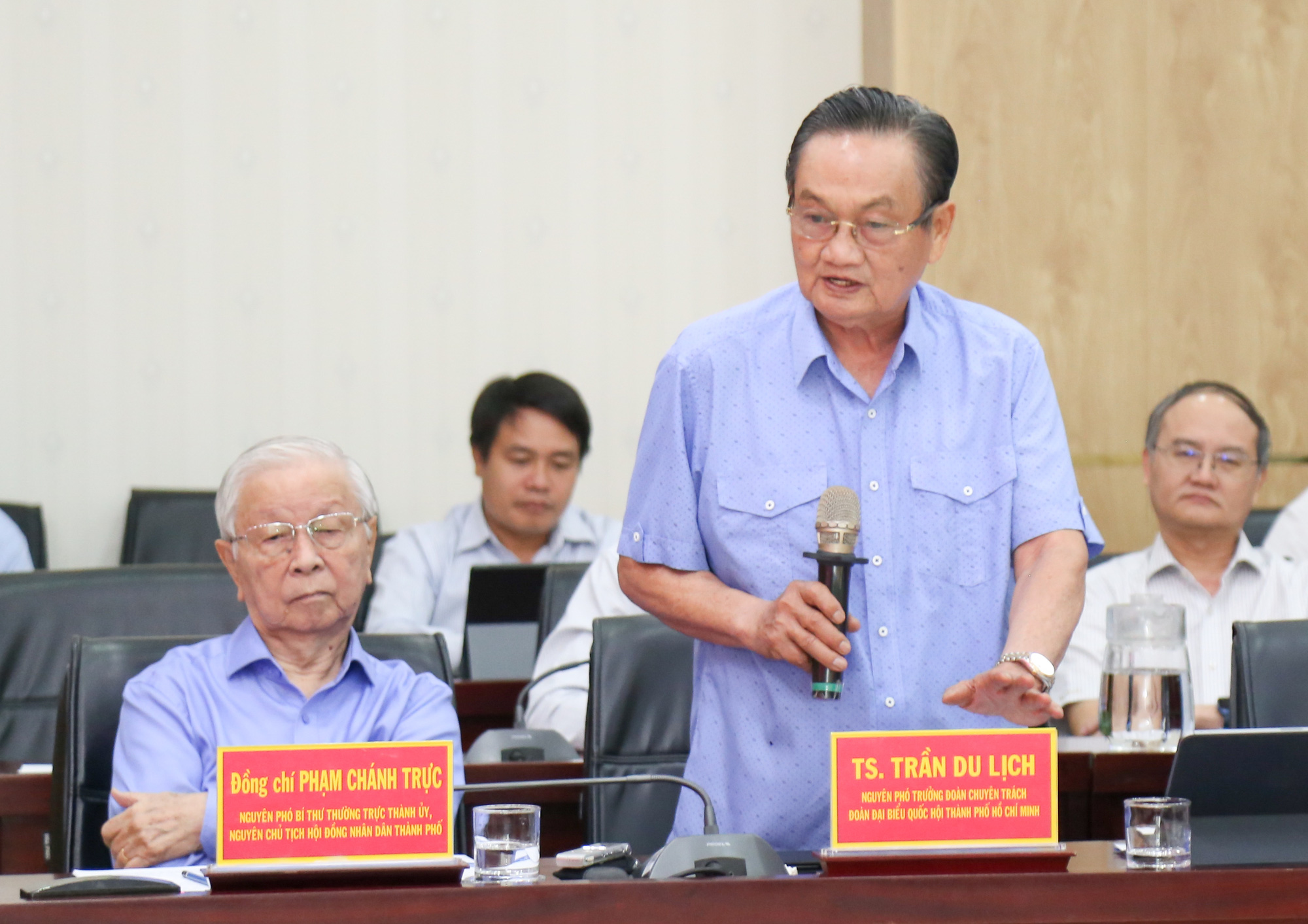
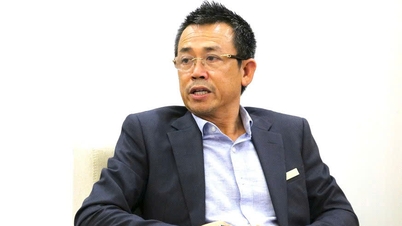
Dr. Tran Du Lich - Chairman of the Advisory Council for the Implementation of Resolution 98 - shared his opinion - Photo: THAO LE
Ho Chi Minh City is the region's startup hub in the new era.
According to Mr. Lich, Ho Chi Minh City, once the starting point for the entire country, must now become the starting point for regional entrepreneurship and a destination for Asia and the world in the new era. Regarding streamlining the administrative apparatus, Mr. Lich considered this a national revolution. Improving the effectiveness and efficiency of the system must be done in three aspects: institutions, organizational structure, and human resources. Ho Chi Minh City must build a model of urban governance and eventually enact a special urban law specifically for the city.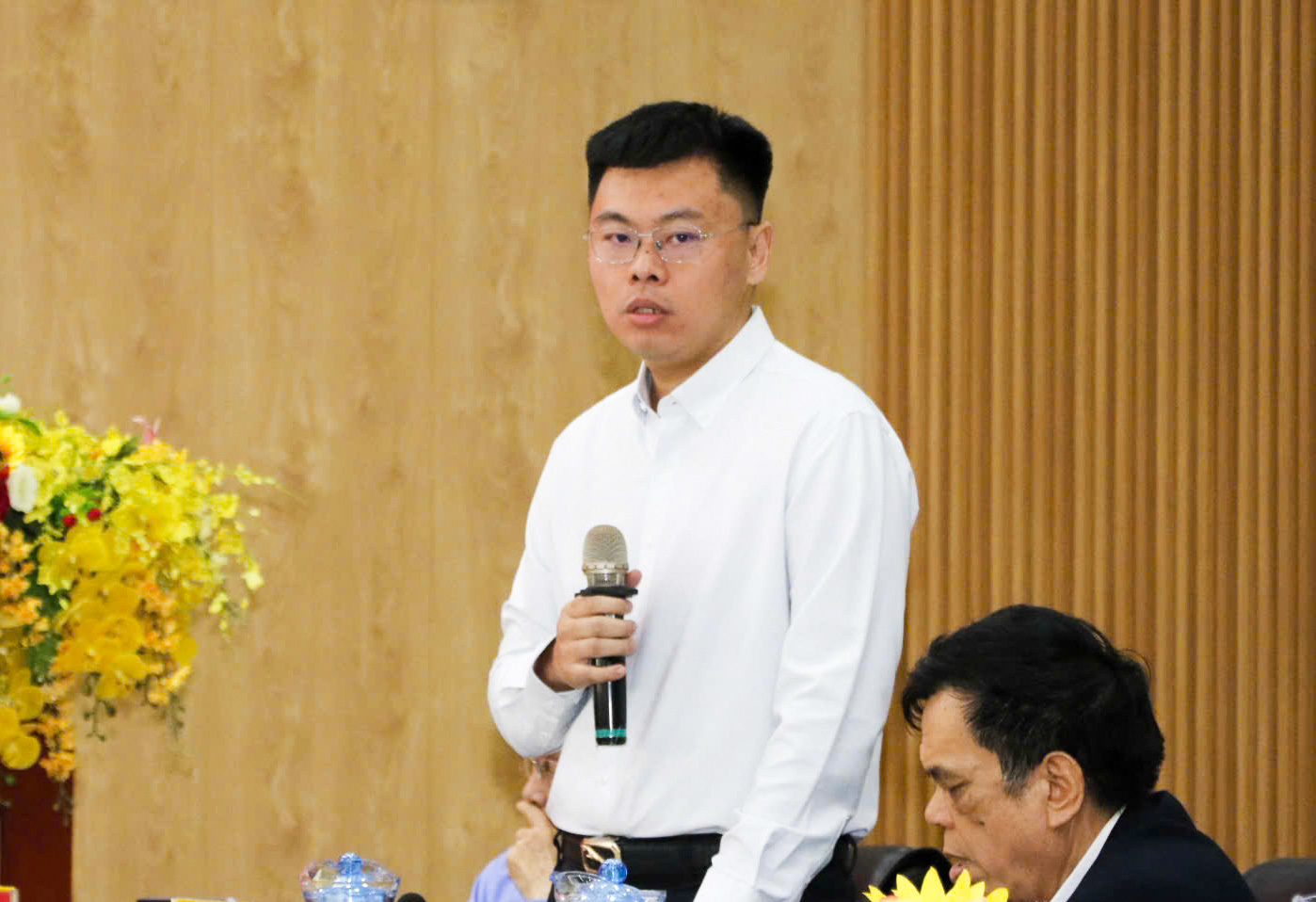
Dr. Truong Minh Huy Vu - Director of the Ho Chi Minh City Institute for Development Research - shared his opinion - Photo: THAO LE
In this new era, we must not only integrate but also lead the way.
At the seminar, Dr. Nguyen Anh Tuan, Head of the General Planning Department of the Ho Chi Minh City Department of Planning and Architecture, argued that the new era should be defined as an era of leadership, not just international integration. Given Ho Chi Minh City's position as the leading city in the country, it needs to become a proactive, action-oriented, and dynamic government. Specifically, for a proactive government, the city has 13 million people, a workforce, and a wealth of intellectual capital and technological knowledge that must be prioritized and developed. Dr. Tuan recognized this as a material resource capable of both breakthroughs and a fundamental element for sustainable development. Therefore, Ho Chi Minh City must invest in education, training, and research. Research allows for breakthroughs in high-value chains and the acquisition of the most important economic position. Regarding an action-oriented government, the city must act in accordance with the aspirations and interests of its people. The urgent priorities include investing in education, healthcare, housing, transportation infrastructure, and improving the quality of life. Regarding a dynamic government, the city must closely monitor the market and proactively formulate policies to guide and encourage investment and development.Tuoitre.vn
Source: https://tuoitre.vn/tp-hcm-tim-duong-buoc-vao-ky-nguyen-vuon-minh-cua-dan-toc-20241127122149105.htm


![[Photo] Prime Minister Pham Minh Chinh presides over a meeting on private sector economic development.](/_next/image?url=https%3A%2F%2Fvphoto.vietnam.vn%2Fthumb%2F1200x675%2Fvietnam%2Fresource%2FIMAGE%2F2025%2F12%2F20%2F1766237501876_thiet-ke-chua-co-ten-40-png.webp&w=3840&q=75)






































































Comment (0)