

 |
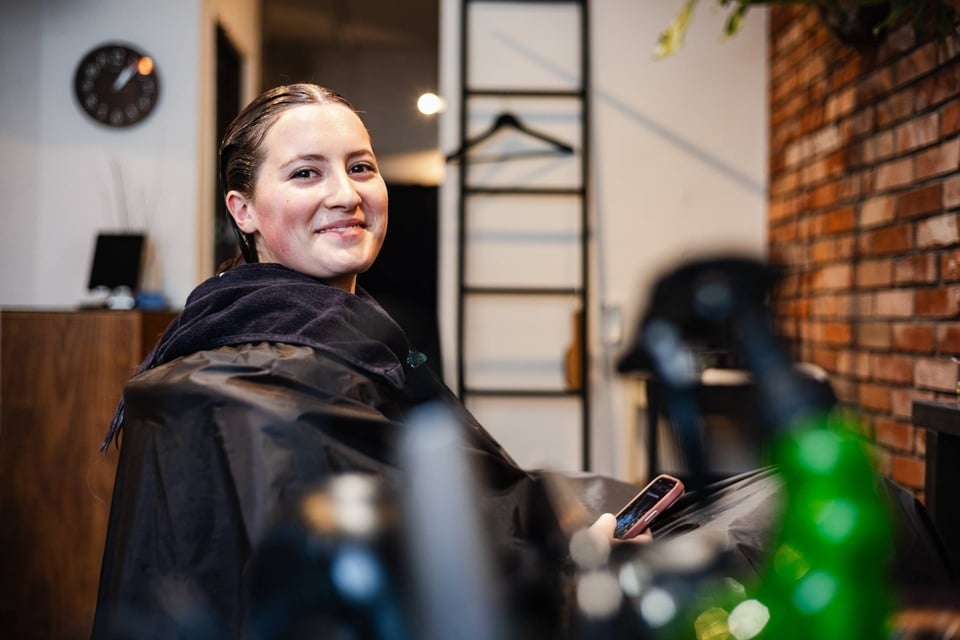
American tourist Lily Romero gets her hair done at a famous salon in Tokyo, Japan, during a family trip . Photo: Johan Brooks/Japan Times . |
In early April, 16-year-old Lily Romero, an American citizen, couldn't hide her joy after completing a four-hour treatment at a hair salon in Tokyo, Japan. Her previously curly hair was straightened to the desired smoothness.
"It was exactly what I expected," said Romero. She lives in London and was on a week-long trip to Japan with her family. According to Romero, there aren't many options for Japanese-style hair straightening services where she lives.
Long, straight hair was the popular trend at Romero's school, but having to use a hair straightener every day was tiring for her. Therefore, when her family planned a trip to Japan, she decided to go to a salon in the country known for its advanced hair straightening techniques.
Romero is not an isolated case, as more and more foreign tourists are booking hair appointments during their trips to Japan. This trend is turning salons into a new kind of "tourist destination," according to the Japan Times.
Responding to market trends, many salons are increasing their English-language service promotion on social media, catering to international customers. According to a beauty survey, 17.3% of 1,535 Western tourists said they had visited or planned to visit a hair salon during their trip to Japan, while 18.5% wanted to experience it on future trips.
High skill level, attentive service, and hygiene standards are the main reasons why tourists choose to get their hair done in Japan. Surveys also show that repeat visitors to Japan tend to experience more beauty services than first-time visitors.
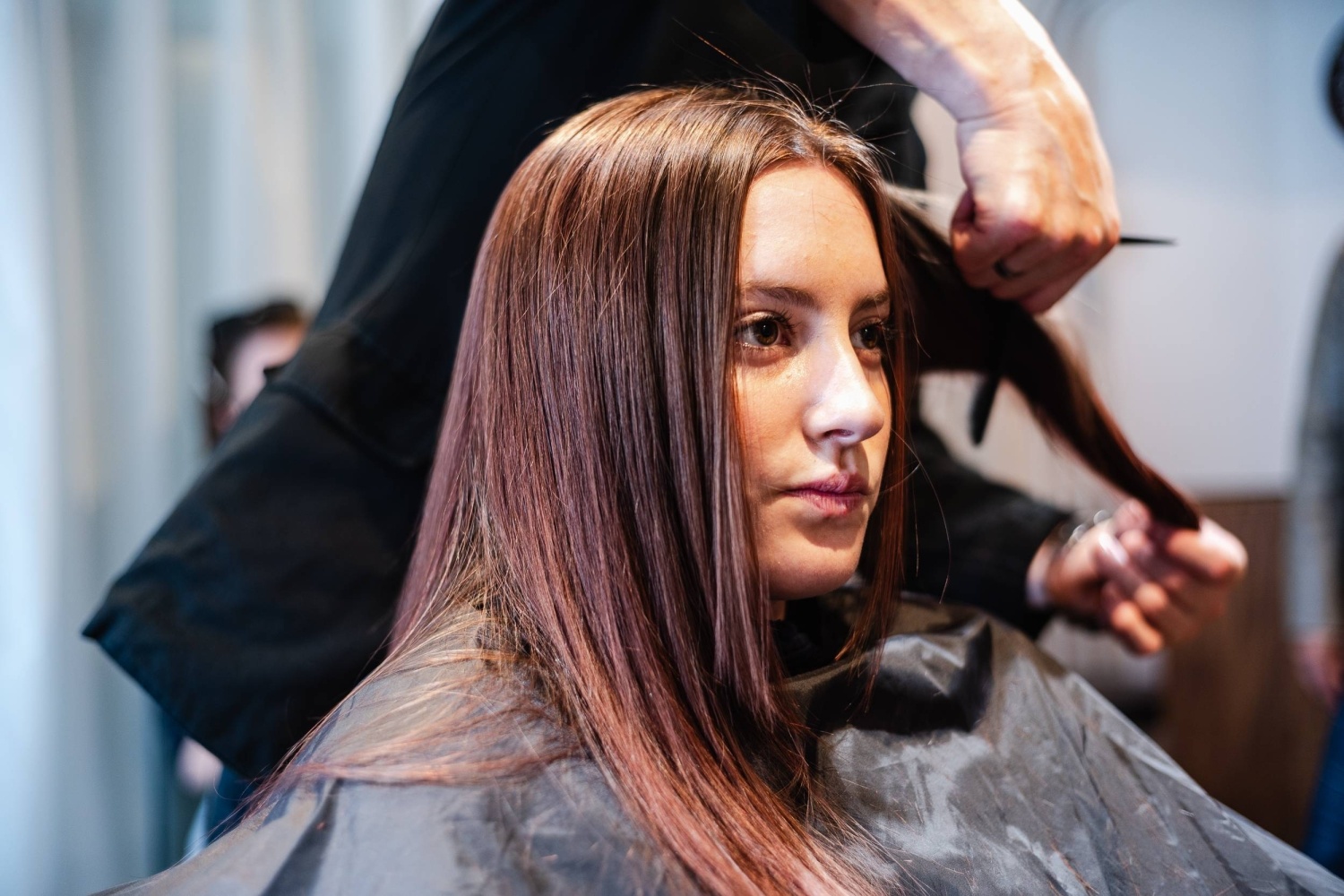 |
Straight hair is the "fashion" at Romero's school. Photo: Johan Brooks/Japan Times. |
Hiro, the owner of Hiro Hair Design salon in the Hiroo area of Tokyo, said that the number of international customers started increasing 2-3 years ago, initially through word of mouth, and then spreading thanks to social media.
His salon is located in a community where 95% of the customers are foreigners, with about 20% being tourists. Although he has never lived abroad, Hiro can communicate in English thanks to nearly 20 years of working with international customers.
According to Hiro, salons in Japan offer meticulous hair care services in the spirit of "omotenashi" (hospitality), at reasonable prices thanks to the weak yen. Japan is also one of the few countries that requires national certification for hairdressers.
Teppei, another hairstylist, said that 80-90% of his clients are foreigners, with about half being tourists. One of his regular Canadian clients visits the salon every three months when he comes to Japan.
Before accepting a client, he usually asks for photos of their current hair condition, dyeing or bleaching history, and their desired outcome to ensure the service can be performed.
 |
Hair stylist Teppei says that 80-90% of his clients are foreigners, with about half being international tourists. Photo: Kanako Takahara/Japan Times. |
According to Kimiko Tanaka, a researcher at a beauty research center, to attract more international customers, salons need to boost the promotion of their techniques on social media, allowing customers to access information even before arriving in Japan.
"Besides having a world- leading hygiene platform, clearly showcasing expertise on social media and reaching out to customers early will be key to capturing future demand," she said.
After her experience in Tokyo, Romero said she would share the service with her friends in London. "It was amazing, I loved it," she said, asking her mother if she could return to Japan for another hair treatment once the straightening effect wore off.
"We'll have to see," her mother replied, smiling contentedly at the outcome.
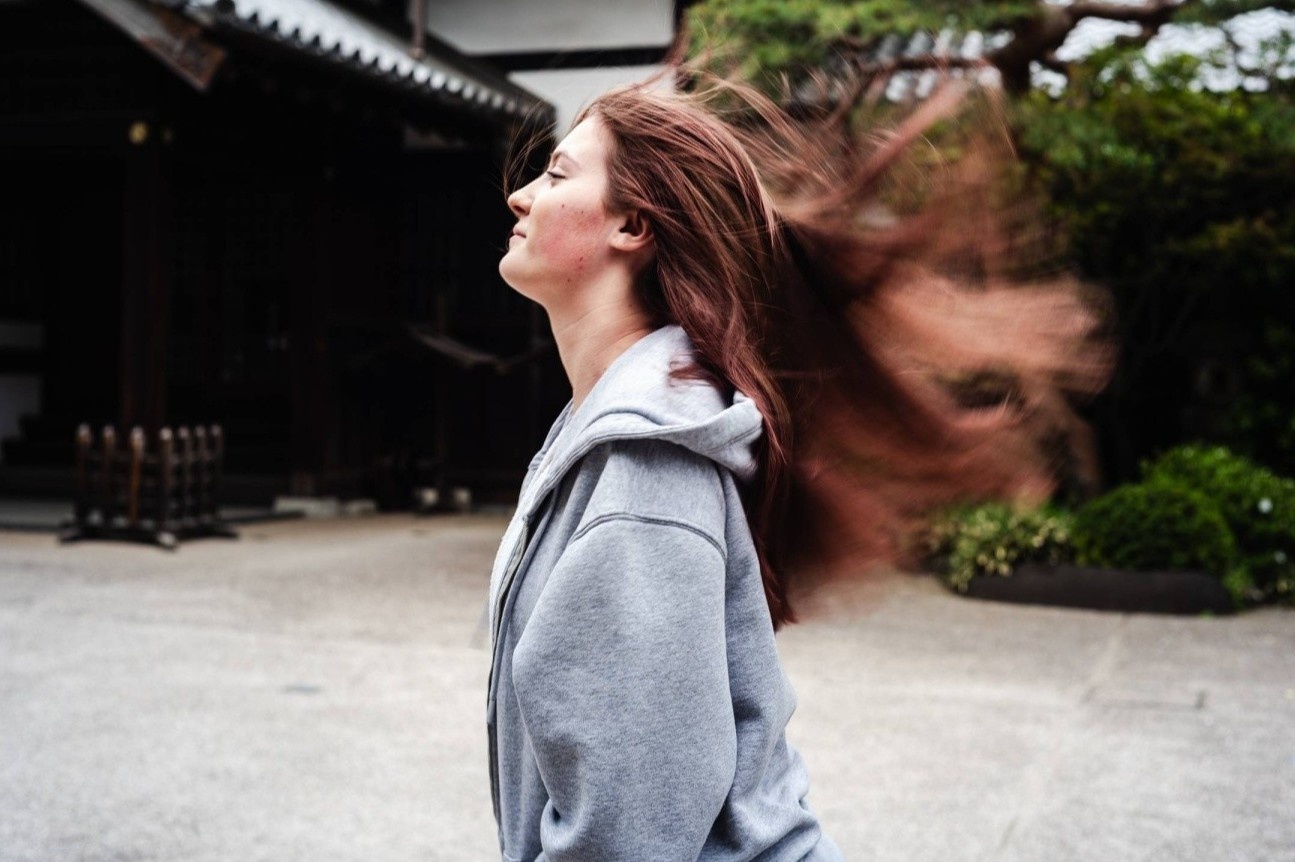 |
Romero shows off his freshly straightened hair after a four-hour treatment. Photo: Johan Brooks/Japan Times. |
Source: https://znews.vn/vi-sao-khach-ngoai-do-xo-den-nhat-ban-cat-toc-post1645448.html


![[Image] Nearly 125,000 Hanoi students completed the Literature exam for the 10th grade entrance exam.](https://vphoto.vietnam.vn/thumb/1200x675/vietnam/resource/IMAGE/2026/05/30/1780117233041_ndo_br_thiet-ke-chua-co-ten-2-png.webp)














































































Comment (0)