

Summer is a time when many people pay more attention to skincare due to the increased risk of sunburn and tanning. In fact, it's also the season that accelerates skin aging. Studies show that most visible signs of aging on the skin are not only due to natural aging but are also related to environmental factors, especially sunlight.
1. Reasons why skin ages faster in summer.
1.1. UV rays - the leading culprit causing rapid skin aging.
Among the factors causing skin aging in summer, ultraviolet (UV) rays are considered the most important. When exposed to sunlight, the skin faces two main types of rays: UVA and UVB. UVB rays mainly affect the epidermis, causing sunburn, redness, and surface damage. Meanwhile, UVA rays can penetrate deeper into the dermis, where collagen and elastin fibers are located, helping to maintain skin firmness and elasticity.
Prolonged exposure to UVA rays increases the formation of free radicals—unstable molecules capable of damaging cellular structures. These free radicals attack collagen, elastin, and cell membranes, causing the skin to lose elasticity, resulting in wrinkles, sagging, and pigmentation spots.
This is a phenomenon called "photoaging," which causes most signs of premature aging in areas of skin frequently exposed to sunlight, such as the face, neck, arms, and backs of the hands. Notably, even on cloudy days or when sitting near a window, UVA rays can still penetrate and damage the skin.

UV rays are the leading cause of premature skin aging.
1.2. High temperatures and dehydration weaken the skin's protective barrier.
Not only sunlight, but hot weather also contributes to accelerating the aging process. When the ambient temperature rises, the body sweats more to regulate body temperature. If not adequately hydrated, the skin easily becomes dehydrated. Dehydrated skin often becomes dry, less elastic, dull, and prone to fine wrinkles.
Furthermore, high temperatures increase blood flow to the skin surface, promoting a prolonged, mild inflammatory response. This low-grade chronic inflammation is considered one of the mechanisms that promote cellular aging.
Summer is also a time when many people frequently use air conditioners. The cold, dry air from air conditioners can reduce the skin's natural moisture, making dehydration worse.
In addition, frequent swimming in chlorinated pools or prolonged exposure to seawater can also degrade the protective lipid layer on the skin's surface, making the skin more prone to irritation and aging.
1.3. Unintentional summer habits that cause skin deterioration.
Many common summer habits can worsen the effects of sun exposure on the skin, for example:
Not using or using sunscreen incorrectly: Many people only apply sunscreen when going to the beach or when the sun is very strong, while UV rays are present year-round. Applying insufficient amounts or not reapplying every few hours also significantly reduces the effectiveness of protection.
Over-sunbathing: The trend of sunbathing to achieve a healthy tan also carries high risks. In fact, tanned skin is a sign that skin cells are reacting to damage caused by UV rays.
Additionally, a diet lacking in green vegetables, fruits, and antioxidant-rich foods can reduce the body's ability to neutralize free radicals. Insufficient sleep, staying up late, or prolonged stress during hot weather also contribute to accelerated skin aging.
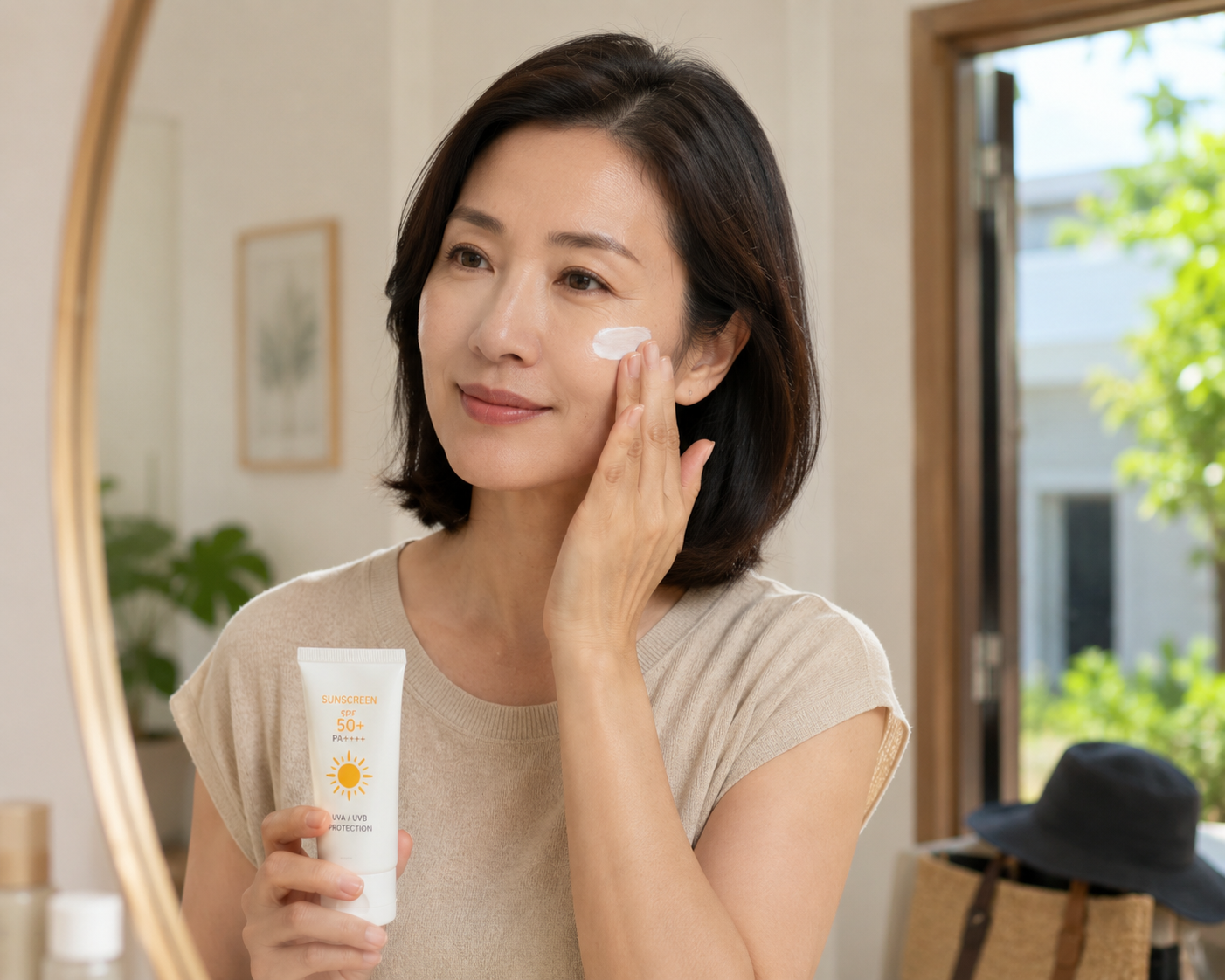
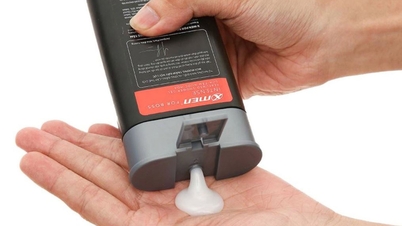
Apply sunscreen 15-30 minutes before going outside and reapply every 2 hours if you are outdoors or sweating heavily.
2. What can I do to protect my skin in the summer?
To minimize skin aging during the summer, it's best to:
- Use a broad-spectrum sunscreen that protects your skin from both UVA and UVB rays, with an SPF of 30 or higher.
- Apply sunscreen 15-30 minutes before going outside and reapply every 2 hours if you are outdoors or sweating heavily.
- Limit direct exposure to sunlight between 10 AM and 4 PM, when UV intensity is at its highest level of the day.
- Take physical protective measures such as wearing wide-brimmed hats, sunglasses, sun-protective clothing, and prioritize staying in the shade whenever possible.
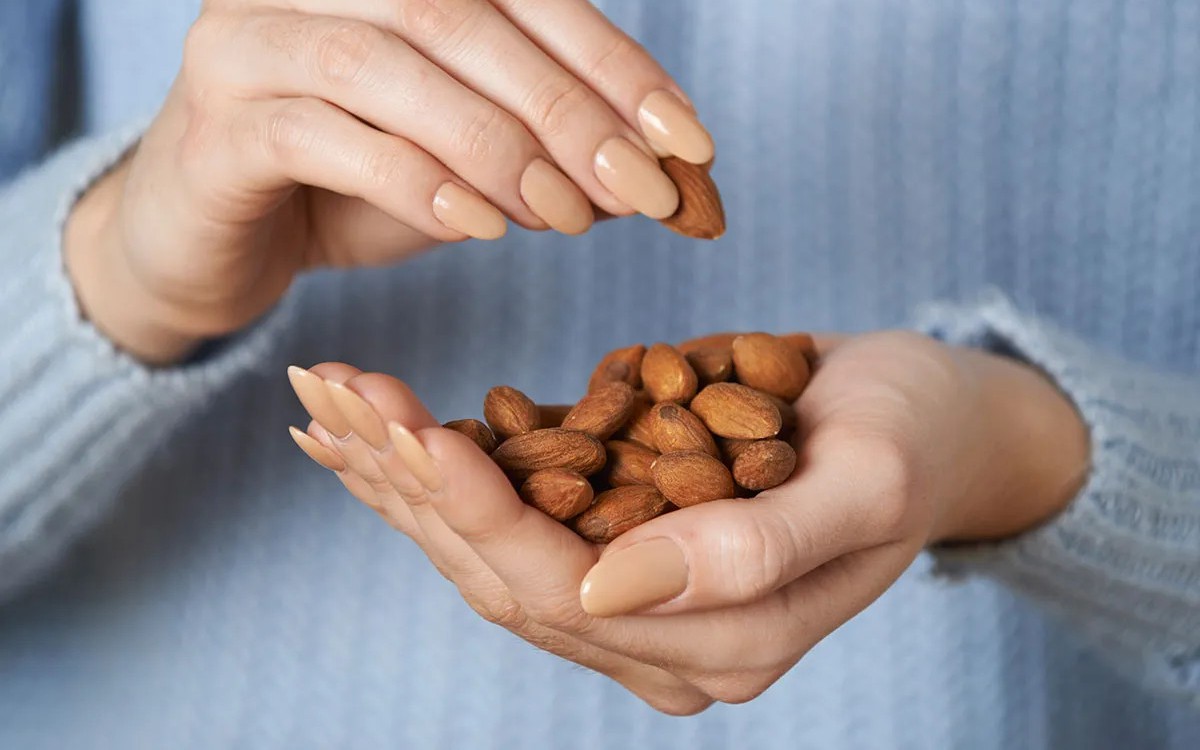
- Drink enough water every day to maintain hydration, support the skin's natural protective barrier, and reduce the risk of dry, dehydrated skin.
- Increase your intake of antioxidant-rich foods such as green vegetables, fresh fruits, nuts, and fatty fish to provide vitamin C, vitamin E, carotenoids, and many other nutrients beneficial for the skin.
- Get enough sleep and sleep at the right time to facilitate the effective recovery and regeneration of skin cells.
- Avoid smoking, as the toxins in cigarette smoke can damage collagen and accelerate the aging process.
Maintaining regular physical activity helps improve blood circulation, enhancing the supply of oxygen and nutrients to the skin, thereby contributing to slowing down overall body and skin aging.
Summer is the time when skin faces more adverse factors than other seasons. Understanding the mechanisms of aging and proactively protecting your skin from an early age will help maintain its health, limit wrinkles, and prevent the early appearance of signs of aging.
See more trending videos :
Source: https://suckhoedoisong.vn/vi-sao-mua-he-la-thoi-diem-de-lao-hoa-da-hon-169260531201529737.htm






























![[Photo] Reception to welcome General Secretary and President To Lam and his wife on their State visit to the Philippines](https://vphoto.vietnam.vn/thumb/1200x675/vietnam/resource/IMAGE/2026/06/01/1780295488620_vna-potal-chieu-dai-chao-mung-tong-bi-thu-chu-tich-nuoc-to-lam-va-phu-nhan-tham-cap-nha-nuoc-toi-philippines-8798060-7855-jpg.webp)



































































Comment (0)