

After becoming a city, Dong Nai had to shift to a modern urban governance model. With the development of numerous industrial zones, urban areas, service projects, and tourism projects, the pressure to manage the population, handle administrative procedures, and serve the people increased significantly. Therefore, the quality of the civil servant workforce became the decisive factor in the effectiveness of the government apparatus and the level of citizen satisfaction.
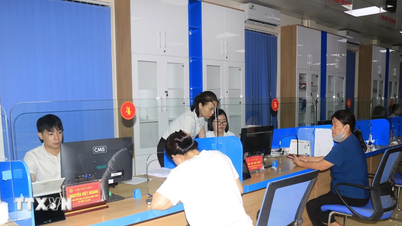
Following the organizational restructuring, nearly 300 civil servants across the city, accounting for almost 6.9%, lack the experience suitable for their new positions. While not a large number, it partly reflects the practical demands for transformation in the operation of the new government model. In departments, agencies, and communes/wards, many officials and civil servants must familiarize themselves with different professional fields first, adapt to a digitized work environment, and handle an increasing workload.
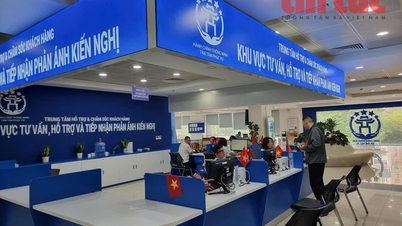
In particular, as more tasks are decentralized to communes and wards, the role of grassroots officials has changed dramatically. Previously, commune-level officials mainly handled routine administrative procedures, but now they directly address many issues related to citizens and businesses. This requires officials not only to have a strong grasp of their professional expertise but also to possess digital skills, administrative communication skills, and the ability to handle situations flexibly.



![[Photo] General Secretary and President To Lam presides over the meeting to approve the draft report on the results of the second inspection by the Politburo of the Standing Committee of the Hanoi City Party Committee.](https://vphoto.vietnam.vn/thumb/1200x675/vietnam/resource/IMAGE/2026/05/26/1779789811432_a2-bnd-4430-9620-jpg.webp)












































































Comment (0)