

Walking is a simple and effective form of exercise that offers many health benefits. However, if not done correctly, walking can do more harm than good.
Regular walking improves cardiovascular health, prevents weight gain, helps control blood pressure and cholesterol levels, strengthens bones and joints, and offers many other benefits. It's considered an extremely suitable exercise for the elderly and those recovering from illness, according to the UK health website Medical News Today .
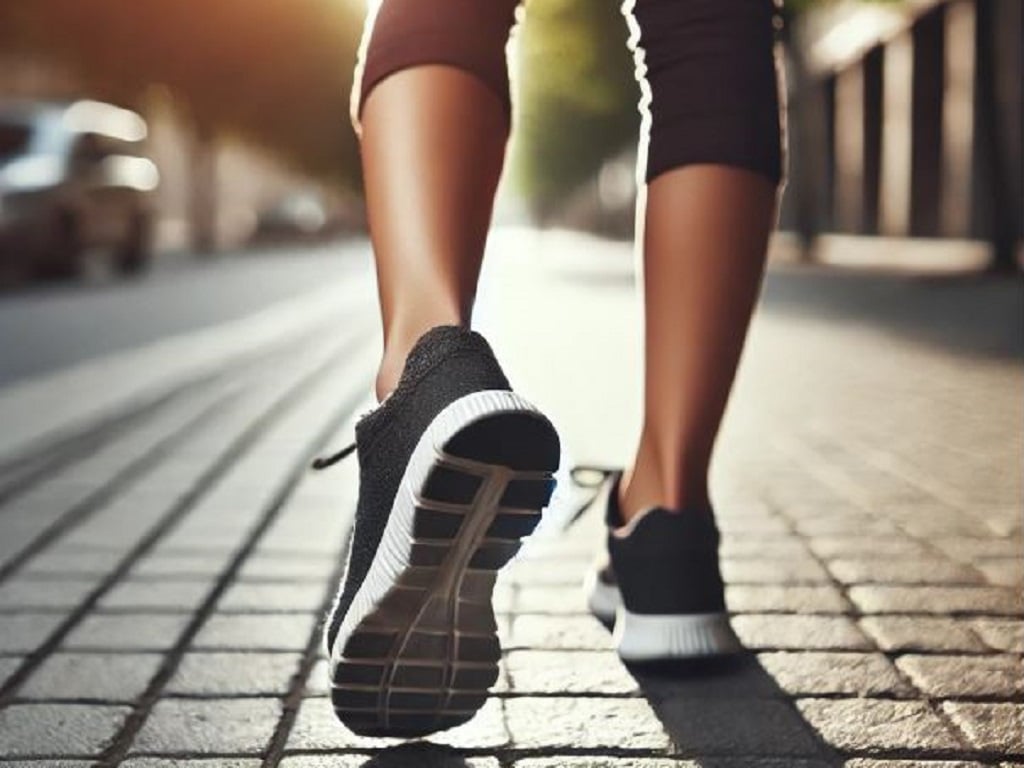
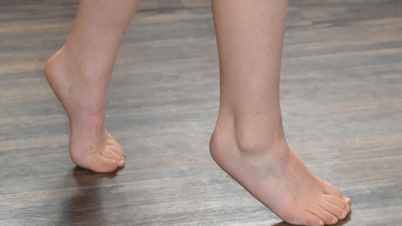
Walking in shoes that don't fit properly can cause foot pain.
Below are some common mistakes pedestrians make and how to correct them.
Wearing unsuitable shoes
Wearing shoes that don't fit properly can lead to serious problems for walkers. Ill-fitting shoes that lack support or aren't suitable for the terrain can increase the risk of foot and ankle injuries, such as sprains, heel pain, and plantar fasciitis.
Additionally, a lack of cushioning and arch support affects posture, leading to back and hip pain. In many cases, ill-fitting shoes cause friction, leading to blisters and calluses.
The solution is to choose quality walking shoes with good arch support and cushioning. Replace your shoes when the soles are worn or lose their elasticity.
Walking with incorrect posture
Incorrect walking posture can cause numerous health problems such as neck, shoulder, and back pain. Bending your head or looking down while walking can strain the neck and shoulder muscles. A hunched or forward-leaning back leads to lower back pain. Incorrect exercise posture also reduces workout effectiveness and increases the risk of injury.
Therefore, people need to keep their heads straight and eyes looking forward, shoulders relaxed, avoiding shrugging or tensing the shoulder muscles. Additionally, the back should be kept straight and the abdominal muscles gently contracted. This posture helps support the spine.
Taking too long strides
Taking excessively long strides occurs when the front foot extends beyond the body's natural reach. This results in strain on muscles and joints, especially the knees and hips. Excessively long strides also reduce walking speed and efficiency. This walking posture is unnatural and leads to fatigue.
The solution is to take short, quick strides while walking to help maintain balance. Additionally, paying attention to body sensations is crucial. Those exercising should listen to their bodies and adjust their strides to avoid unnecessary strain, according to Medical News Today .
Source: https://thanhnien.vn/di-bo-3-sai-lam-can-tranh-vi-se-gay-hai-185250307182259327.htm
















![[Photo] Prime Minister Pham Minh Chinh holds a phone call with the CEO of Russia's Rosatom Corporation.](/_next/image?url=https%3A%2F%2Fvphoto.vietnam.vn%2Fthumb%2F1200x675%2Fvietnam%2Fresource%2FIMAGE%2F2025%2F12%2F11%2F1765464552365_dsc-5295-jpg.webp&w=3840&q=75)
















































Comment (0)