

Iron is an essential mineral that the body uses to support growth and development, aid in red blood cell production, and boost immune function. However, if you are iron deficient, your body won't have enough iron to produce a protein in red blood cells called hemoglobin.
Hemoglobin cells, which function to transport oxygen throughout the body, require iron, vitamin B, and folic acid. Since the body cannot produce iron, sufficient iron must be obtained through diet.
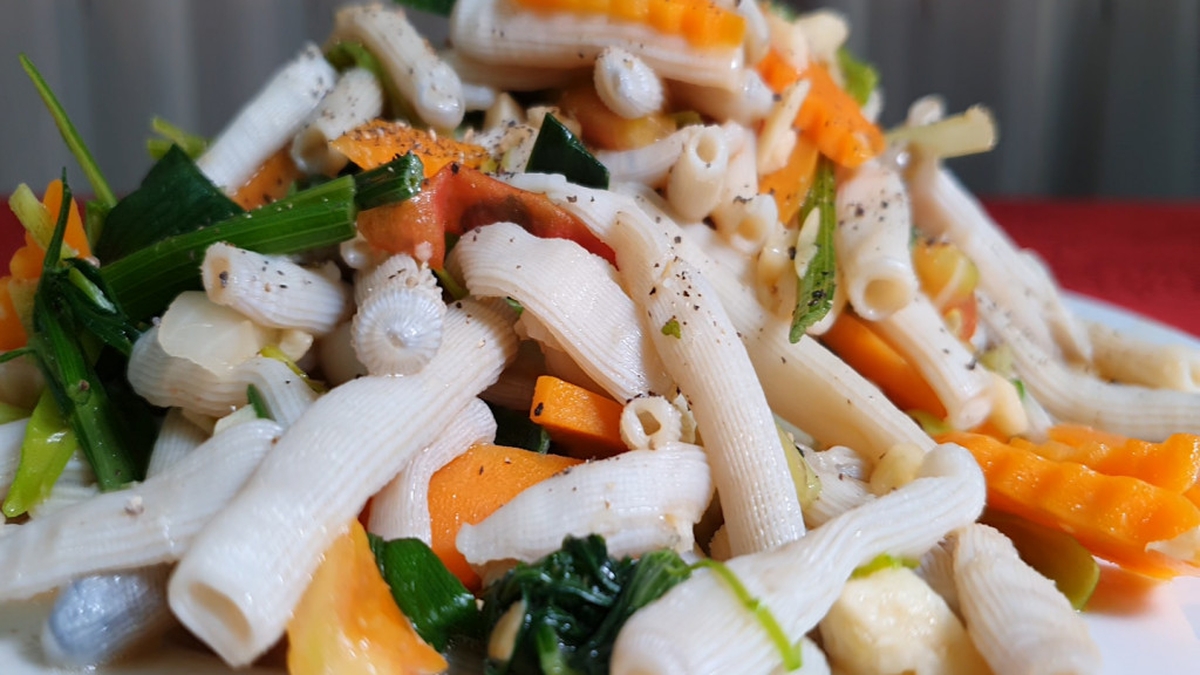
There are two types of iron in food: heme iron and non-heme iron. Heme iron is found in red meat, poultry, and pork, and is the most easily absorbed by the body. Non-heme iron is not as easily absorbed but is still a good and necessary source of iron if you don't eat meat. Foods rich in this type of iron include leafy green vegetables, iron-fortified breakfast cereals, bread, pasta, tofu, beans, dried fruit, and eggs.
The best way to know if you're getting enough iron is to have a blood test to check your complete blood count (CBC). However, there are some warning signs that your body may be deficient in iron:
1. Iron deficiency can cause fatigue.
When the body doesn't produce enough hemoglobin and begins to have difficulty circulating enough oxygen throughout the body, it can cause iron-deficiency anemia, which is known to impair energy levels, leaving you feeling tired. This symptom is often easily overlooked, especially in women.

Fatigue and iron deficiency are both fairly common in women.
2. Heavy menstrual bleeding
According to University College London (UCL), some studies estimate that up to 90% of girls and women who experience heavy menstrual bleeding also suffer from iron deficiency. This is because heavy menstruation can cause blood loss, depleting the body's iron levels over time.
A 2023 study published in the American Journal of Obstetrics and Gynecology stated: "For women of reproductive age, heavy menstrual bleeding is a common symptom and a major cause of iron deficiency, the most serious manifestation of which is iron-deficiency anemia." The researchers noted that iron deficiency is sometimes left untreated in this population…

Iron deficiency can cause heavy menstrual bleeding.
3. Cravings for strange foods
In some cases, people who don't get enough iron will experience unusual cravings. Low red blood cell counts can put extra strain on certain organs, such as the heart. The heart has to pump harder and faster to compensate for the lower number of red blood cells. Additionally, red blood cells produced in people with low iron levels are smaller and less functional compared to red blood cells produced in people with adequate iron levels.
As a result, the body can enter a state of 'desperation,' causing people to try to find iron from unusual sources. This leads to Pica (craving for unconventional foods like ice and dirt...). This is often a warning sign that a blood test should be performed.
Although the exact cause of Pica is not fully understood, it is often associated with nutritional deficiencies, including low iron levels.
4. Experiencing neurological or cognitive symptoms.
There are several reasons why iron deficiency can lead to neurological or cognitive symptoms. You may experience headaches, difficulty concentrating, and dizziness. In children, anemia can lead to irreversible cognitive impairment and learning difficulties…
However, it's important to note that these symptoms can be caused by many other underlying medical conditions. Your doctor can help you determine if they are the result of iron deficiency or another cause.
5. Notice changes in your skin, nails, and hair.
Another notable sign is pale skin and nails. When iron levels are low, the body prioritizes oxygen supply to vital organs, leading to reduced blood flow to the skin, resulting in a pale complexion and brittle, easily broken nails.
Some people with iron-deficiency anemia may experience an itchy skin rash. The skin may become red and painful to scratch… According to the American Hematology Association, brittle nails and hair loss are also considered symptoms of iron-deficiency anemia.

Pale skin and nails can also be a sign of iron deficiency.
6. Fast or irregular heartbeat
A fast or irregular heartbeat can also be a sign that you're not getting enough iron. Severe anemia can impair heart rhythm and even cause a heart attack. This can happen in cases of severe iron-deficiency anemia because "your heart has to pump more blood to make up for the lack of oxygen in your blood when you're anemic... which can lead to an enlarged heart or heart failure."
7. Tinnitus
Low iron levels are linked to vascular tinnitus, which causes you to hear a "buzzing" sound in your ears that matches the rhythm of your pulse. If you notice this symptom, don't try to treat it at home by simply increasing your iron intake. Vascular tinnitus should be examined immediately as it could be a sign of a serious heart condition.
8. Shortness of breath or chest pain during exercise.

Shortness of breath, especially during physical activity, is a common symptom of iron deficiency.
Shortness of breath or chest pain during or after exercise can be a sign of serious heart disease, so it's important to seek immediate medical attention if you experience a severe or persistent range of symptoms. However, after ruling out more serious conditions, your doctor may check your iron levels to determine if they are low.
Shortness of breath, especially during physical activity, is a common symptom of iron deficiency. Without enough iron to support oxygen transport, the body struggles to meet the increased oxygen demands during exercise, leading to shortness of breath.
If you suspect you're not getting enough iron, monitor your symptoms and share your concerns with your doctor. They may recommend increasing your iron intake or taking iron supplements. It's important to treat any underlying conditions causing iron deficiency in the first place.
Dr. Nguyen Thu Phuong
Source: https://giadinh.suckhoedoisong.vn/8-dau-hieu-canh-bao-co-the-thieu-sat-can-bo-sung-ngay-172240524232301232.htm



![[Photo] General Secretary and President To Lam presides over a meeting on preparations for the review of one year of operation of the three-tiered government system.](https://vphoto.vietnam.vn/thumb/1200x675/vietnam/resource/IMAGE/2026/06/02/1780391821195_a1-bnd-4595-9717-jpg.webp)








































































Comment (0)