

|
Numerous fake videos depicting a US-Israel conflict with Iran have been shared millions of times. Photo: CNN. |
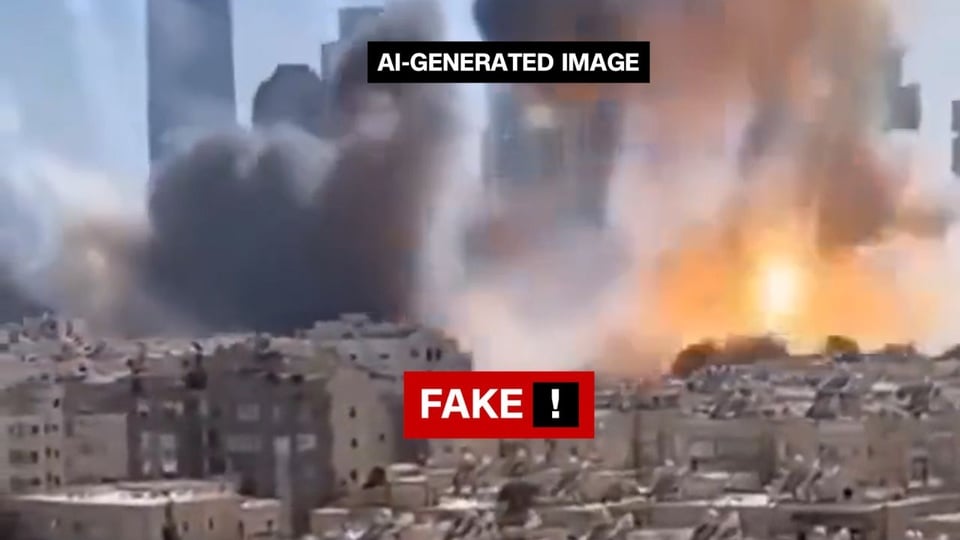
A wave of AI-generated fake videos and images flooded social media in the early weeks of the war in Iran. These videos, depicting massive explosions, devastated cities, or soldiers protesting the war that didn't actually exist, added to the chaos and confusion surrounding online events.
The New York Times used methods to check for easily identifiable signatures, or watermarks, in files and compiled data from multiple sources. The results showed that more than 110 AI-generated images and videos in the past two weeks were related to the conflict in the Middle East.
Unprecedented level
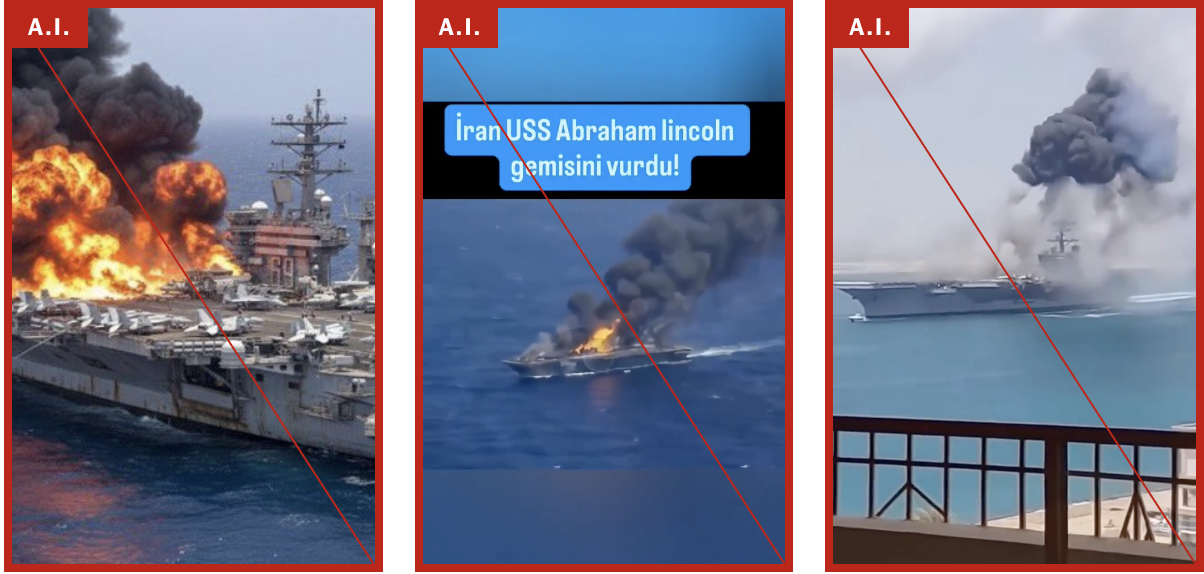
These fabricated videos covered almost every aspect of the conflict, from scenes of panicked Israelis screaming to American military ships being attacked by missiles and torpedoes. In total, these videos were viewed millions of times on platforms like X, TikTok, and Facebook and shared in private message boxes.
Similar content has also circulated in other conflicts. However, experts say the conflict between the US and Israel and Iran has multiple fronts, leading to an explosion of fake content.
|
A series of fake videos created by AI. Photo: NYT. |

Marc Owen Jones, associate professor of media analytics at Northwestern University in Qatar, said things are very different now compared to the time of the conflict in Ukraine. “We’re probably seeing more AI-related content than at any time before,” he said.
This content has become an effective informational weapon for Tehran to target public acceptance of war. According to a study by Cyabra, a social media data analytics company, the majority of AI videos about the war are pro-Iranian, often exaggerating the strength and sophistication of its military.
Marc Owen Jones argues that the use of AI imagery of locations in the Gulf is increasingly important in Iran's media strategy. "Because it creates the impression that this war is more brutal and potentially more damaging to U.S. allies than it actually is," he said.
One of the most widely circulated fake videos online, filmed from an apartment balcony in Tel Aviv, showed the city skyline being bombarded by missiles, with the Israeli flag in the foreground. The video garnered millions of views and was shared by many influencers and news sites.
|
Videos featuring an Israeli flag in the foreground are often fake. Photo: NYT. |
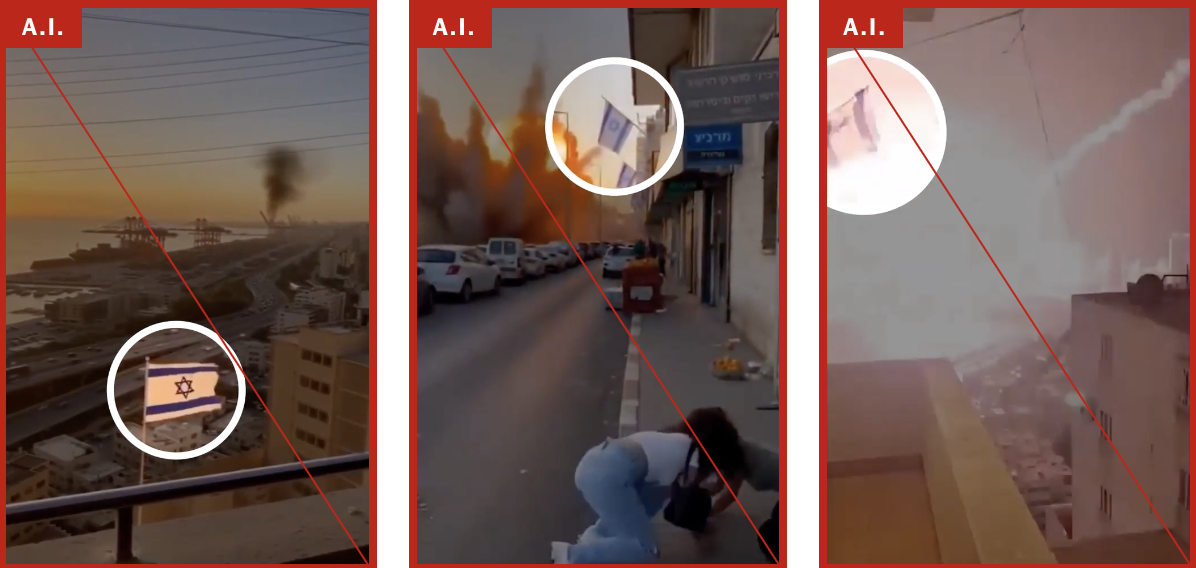
According to experts, the appearance of the Israeli flag in the foreground is a common sign of AI-generated videos. AI tools often automatically add details when users enter descriptions of missile attacks. Meanwhile, real videos of war are usually less dramatic. Missiles often appear only as distant bright spots or columns of smoke.

![[Photo] The heat at the fireworks display site on the opening night of the Da Nang International Fireworks Festival 2026](https://vphoto.vietnam.vn/thumb/1200x675/vietnam/resource/IMAGE/2026/05/27/1779889741485_ndo_br_z7872039145157-fecaba5112f39e8352544099d7ef4738-5140-jpg.webp)




































































































Comment (0)