
Cuisine of the "land of ice and fire"
Reykjavík cuisine (Iceland) is a delicate blend of pure, natural ingredients and simple, yet profound, cooking methods. Through each dish, Icelanders tell the story of their survival in harsh climatic conditions, while simultaneously offering unique culinary experiences to visitors from all over the world.
 Hà Nội Mới•16/03/2026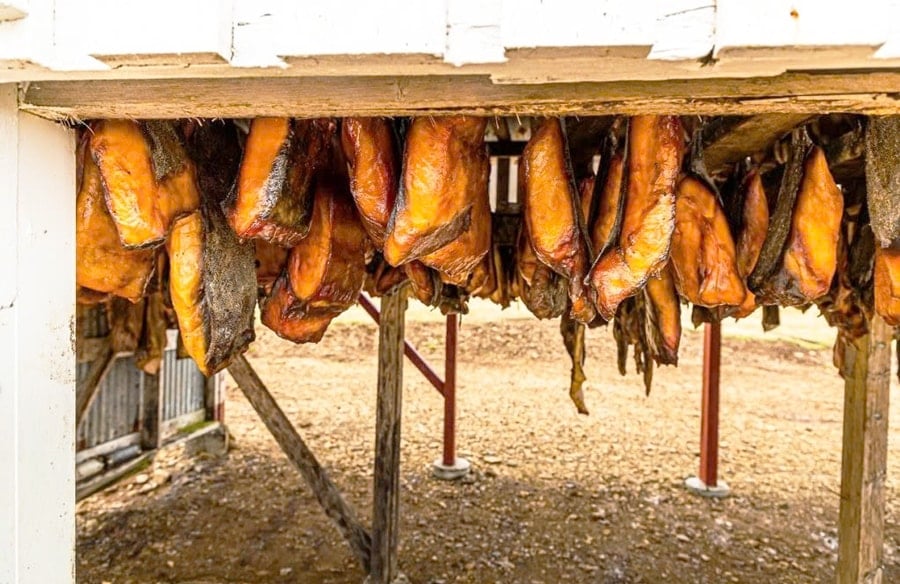
One of the most iconic dishes is kjotsúpa – a traditional lamb and vegetable soup. Lamb, usually from the rib or neck, is slow-simmered for hours to create a naturally sweet broth. Potatoes, carrots, and turnips are added later to maintain their crispness and freshness. With simple seasonings, just salt, pepper, and a few dried herbs, kjotsúpa offers a warm, comforting feeling, reminiscent of a family meal on cold winter days.
You may also like
Iceland has surpassed Switzerland to become the most expensive country in the world.The cost of living in Iceland is now higher than in Switzerland – a country that has for many years topped the list of most expensive nations, reflecting the sharp increase in prices for services, energy, and consumer spending in the Nordic island country.
Cassava leaves - a rustic, nutritious ingredient in cuisine, and important notes on preparation.SKĐS - Cassava leaves are a familiar ingredient in some traditional dishes, creating a distinctive flavor, and they also contain many valuable nutrients. However, cassava leaves also contain some natural compounds that can be toxic if not processed properly.
Vietnam has finalized FTA negotiations with Switzerland, Norway, Iceland, and Liechtenstein.This Free Trade Agreement (FTA) is expected to strengthen trade relations between Vietnam and the four countries mentioned above, through the elimination or reduction of tariffs.
If kjotsúpa represents simplicity, then plokkfiskur – a creamy fish stew – clearly demonstrates skillful use of ingredients. Cod or haddock is boiled until cooked, then roughly mashed with potatoes. Onions are sautéed in butter, and flour and milk are added to create a smooth, white sauce, which is then mixed with the fish and potatoes. The result is a rich, creamy dish, often enjoyed with rye bread.
During festive occasions, hangikjot – smoked lamb – is an indispensable dish. The meat is salted, smoked using wood or dried sheep dung in a traditional way, and then boiled again until tender. When sliced thinly, hangikjot has a rich smoky aroma and a mild salty taste, and is often served with potatoes, peas, and béchamel sauce.
Reykjavík cuisine is also closely associated with methods of long-term food preservation. Harðfiskur – dried fish air-dried in the cold North Atlantic – has a chewy, salty texture and is often eaten with butter to balance the richness. Even more daring is hákarl, fermented Greenland shark, famous for its pungent smell and challenging flavor, often paired with Brennivín liqueur to temper its intensity.
Besides traditional dishes, the daily culinary life of the people of Reykjavík is closely linked to pylsa – Icelandic sausage. Made from lamb, beef, and pork, pylsa is served with raw onions, fried onions, mustard sauce, and remoulade (a sauce made from mustard, mayonnaise, and spices). The Bejarins Beztu Pylsur stall in the center of Reykjavík is always crowded, becoming a symbol of the appeal of this simple dish.

Senior Party and State leaders send letters and telegrams congratulating the United States on its National Day.In congratulatory letters and messages on the US Independence Day, senior leaders of the Vietnamese Party and State reaffirmed that Vietnam considers the United States one of its strategically important partners.
Senior leaders of the Vietnamese Party and State send letters and telegrams congratulating the United States on its National Day.In congratulatory letters and messages on the US Independence Day, senior leaders of the Vietnamese Party and State reaffirmed that Vietnam considers the United States one of its strategically important partners.

Strengthening the friendship between Vietnam and the United States.On July 3rd, as part of the Pacific Partnership - Friends of the Pacific 2026 program, the U.S. Army Pacific delegation, led by Lieutenant General Joel Vowell, Deputy Commander of the U.S. Army Pacific, paid a courtesy visit to the Quang Tri Provincial Military Command.
Reykjavík cuisine is a harmonious blend of tradition and modernity, where each dish not only boasts a unique flavor but also tells a story about the country, its people, and Iceland's insatiable spirit of innovation.
Source: https://hanoimoi.vn/am-thuc-cua-vung-dat-bang-lua-739109.html






















































News






Political System





Destination




The Department of Justice is organizing the implementation of the conclusions of the Provincial Party Secretary and Head of the Provincial Steering Committee for the Prevention and Combat of Corruption, Waste, and Negative Phenomena at the thematic conference on "Effective Management and Use of Public Assets".





Product








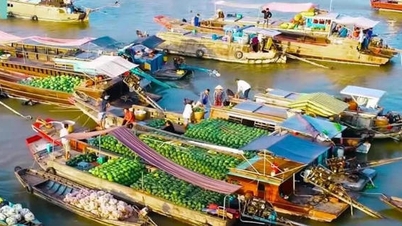
Buying and selling at Cai Rang floating market.

Springtime Home
