

Apple's move to stop signing iOS 26.4, implemented just days after the release of iOS 26.4.1, demonstrates the company's increasingly tight control over the software lifecycle. In Apple's system, each iOS version must be authenticated by a server before installation to ensure its validity and security for the device. This is considered a mandatory "verification layer" for all updates.
 |
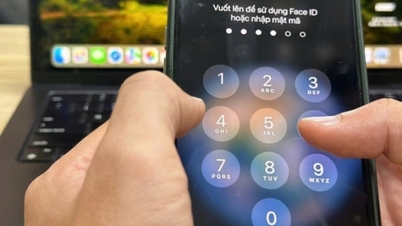
| Apple has officially blocked iPhone users from downgrading to iOS 26.4. |
When a version is locked from signing, the entire installation process will be rejected by the system. This means that even if users still have the iOS 26.4 firmware file, they cannot use it to downgrade as before. This mechanism makes reverting to an older version almost completely impossible using the usual methods.
In fact, Apple still maintains a short period of time that allows both versions of iOS to be signed simultaneously. This is an opportunity for users to downgrade via Finder on macOS or Apple Devices on Windows, especially when experiencing app compatibility issues or battery drain after an update.
However, when iOS 26.4 officially stopped signing, this downgrade window also closed. Users are now forced to remain on iOS 26.4.1, showing that Apple is prioritizing stability and security over flexibility in choosing operating system versions.
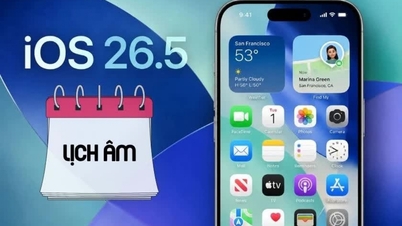
In the iOS 26.4.1 update, Apple fixed bugs related to iCloud syncing and improved protection against stolen devices in enterprise environments. Meanwhile, iOS 26.5 is currently being tested and is likely to be released soon, further refining the user experience and enhancing security for the iPhone ecosystem.
Source: https://baoquocte.vn/apple-chinh-thuc-chan-nguoi-dung-iphone-ha-cap-ve-ios-264-384597.html
![[Image] Hanoi's urban life under the challenge of a "scorching hot" environment](https://vphoto.vietnam.vn/thumb/1200x675/vietnam/resource/IMAGE/2026/05/25/1779706979265_nang-nong-t5-2026-minh-duy-7-4636-jpg.webp)
![[Image] Close-up view of the interchange connecting the two expressways and Long Thanh Airport.](https://vphoto.vietnam.vn/thumb/1200x675/vietnam/resource/IMAGE/2026/05/25/1779703378210_ndo_br_z7863716673926-224453a31600126cce10622af6290afd-4549-jpg.webp)


































































































Comment (0)