

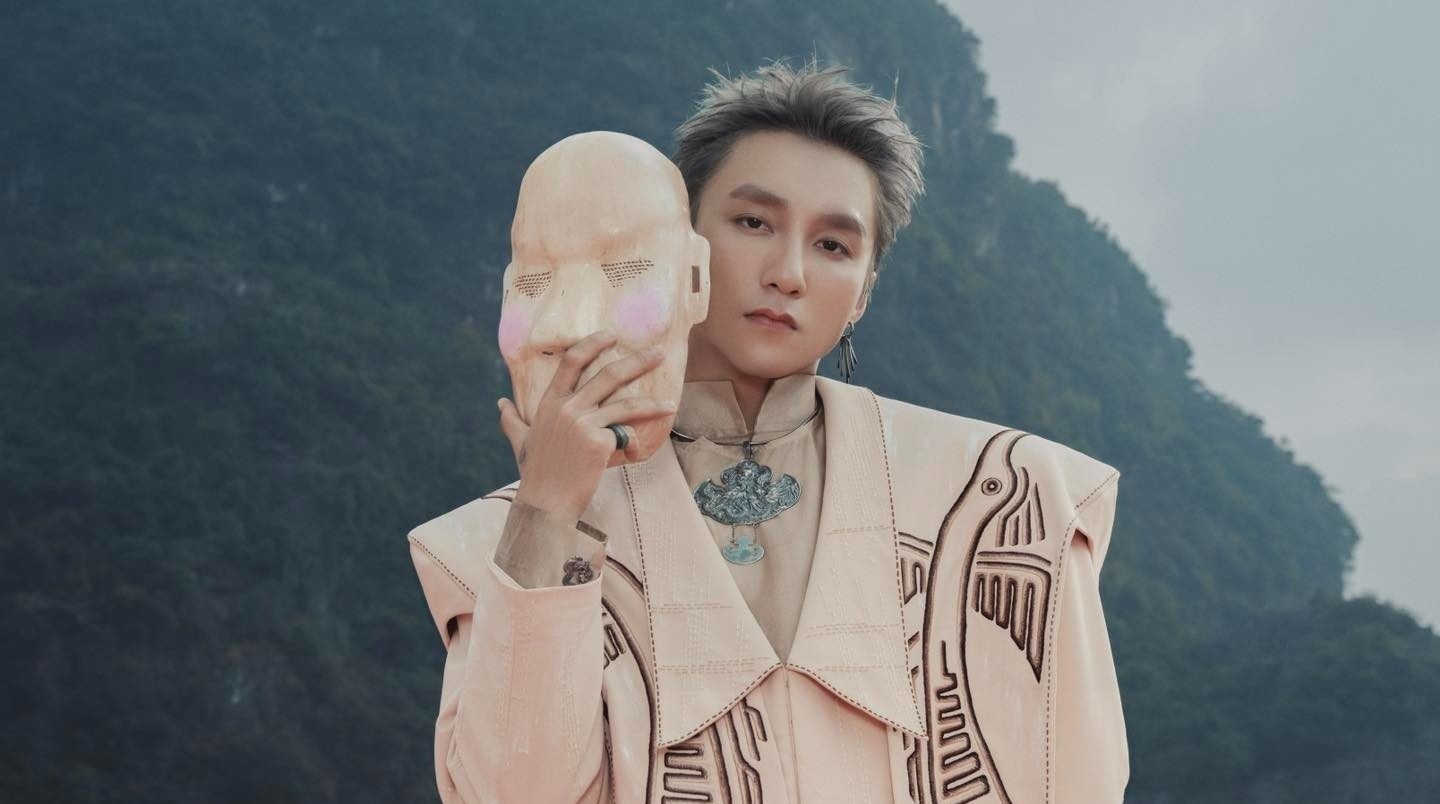
Sơn Tùng once said that his greatest dream was to bring the Vietnamese language to the world . He aspired to have the international public know about Vietnamese songs, sung by Vietnamese people and produced by a Vietnamese team. If that dream comes true, it would be a source of great pride for him.
Over the years, Son Tung has consistently released a mix of Vietnamese and English songs. However, for songs aimed at the international market, the male singer performs them in English.
American ambitions
The story of Sơn Tùng's foray into the American market has been mentioned repeatedly in his interviews. The male singer doesn't hide his ambition and is gradually pursuing his goal in a systematic, well-invested, and arguably the most spectacular way in Vpop.
Over the years, he has released English songs such as "There's No One At All," "Making My Way," and most recently, " Come My Way ." He has collaborated with international production teams and stars like Mai Davika, Snoop Dogg, Madison Beer, Marvey Muzique, Tyga, and even filmed music videos in the Mojave Desert and Joshua Tree National Park in California (USA).
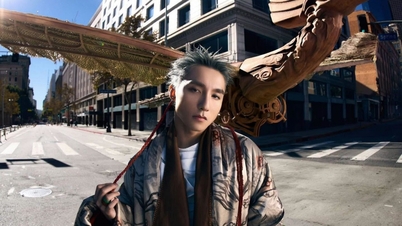
In his latest music video , "Come My Way," Son Tung places elements of traditional Vietnamese culture at the center, even while following modern music trends that align with international styles. This is an encouraging direction, showing the singer's determination to break into the American market while still preserving his national identity.
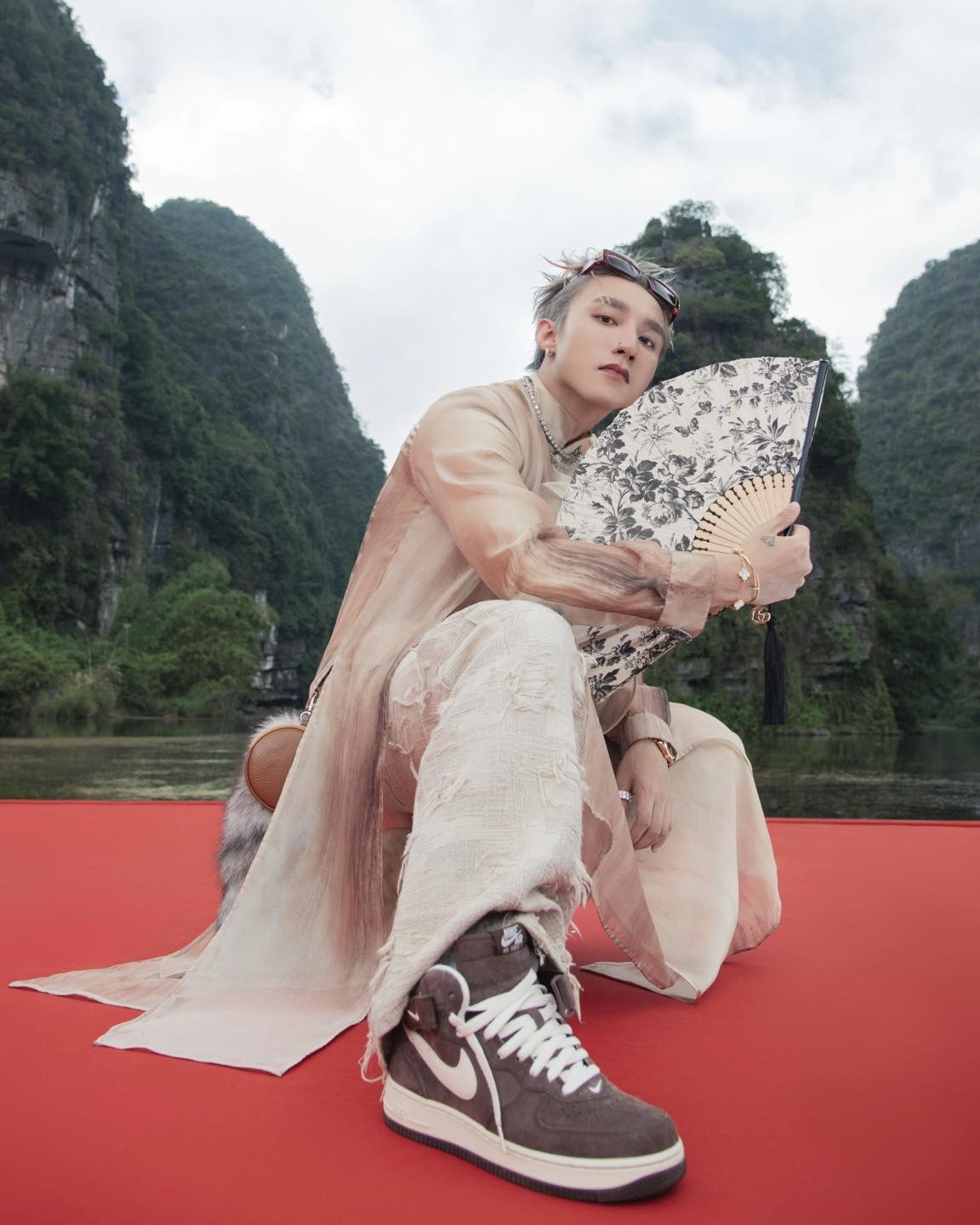 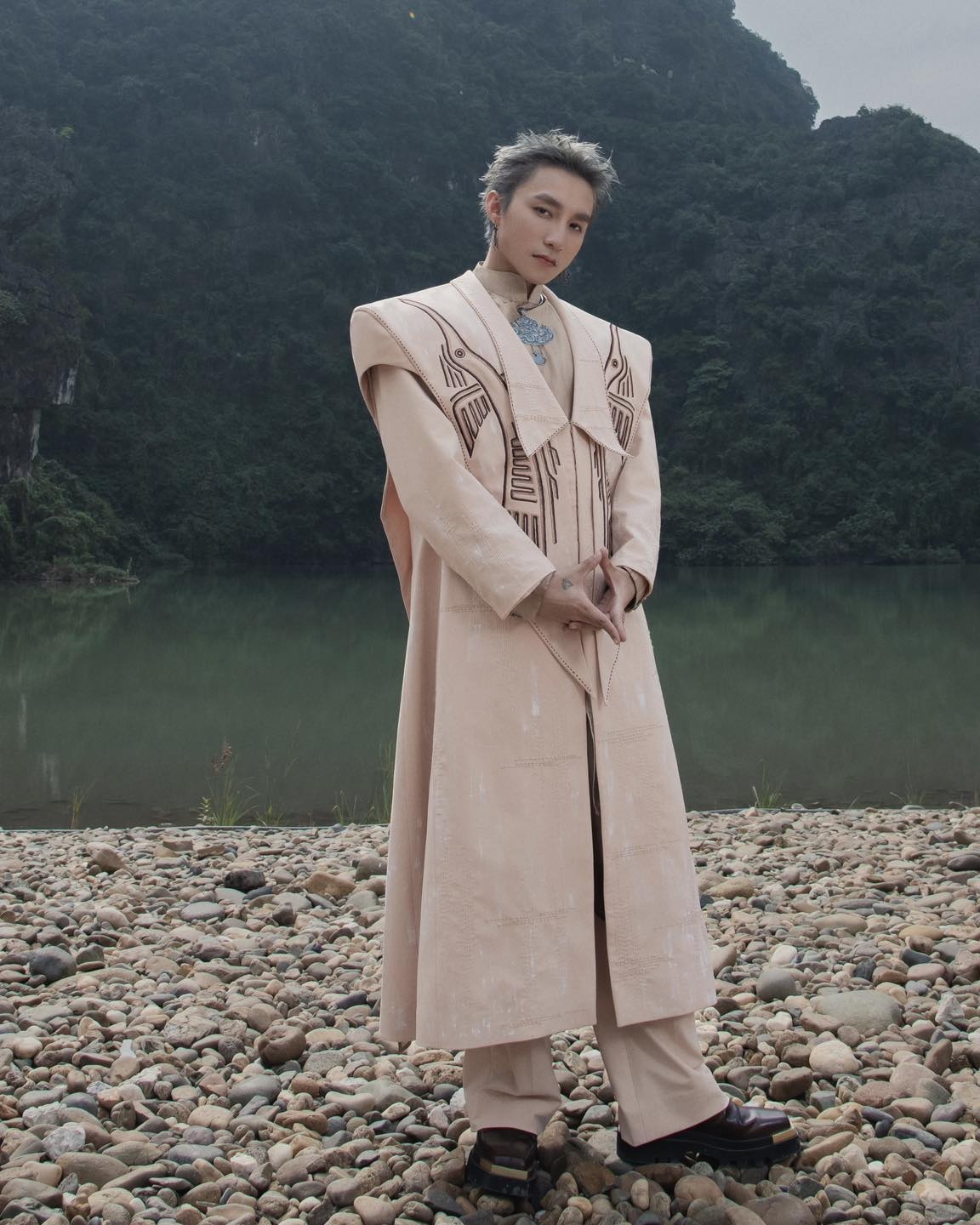 |
Son Tung has just released the song "Come My Way" with lyrics in English. Photo: FBNV. |
However, his consistent singing in English and collaborations with international artists raise the question of whether the singer is gradually straying from his original goal of "bringing the Vietnamese language to the world."
In reality, the dilemma of whether to sing in English to reach an international audience easily and quickly, or to sing in one's mother tongue to preserve identity, remains a challenge not only for Son Tung and Vpop, but also for large markets like K-pop.
Korean artists who have gained fame in the European and American music markets, such as BTS, TWICE, and BlackPink, have all released songs in English. Similarly, Le Sserafim's latest song is also performed entirely in English.
And this has often caused divisions among professionals and the South Korean media.
Not long ago, when BlackPink released their new EP with all songs in English, the AP commented that some viewers felt the Korean element, the unique identity of K-pop, was gradually fading in the group's products. Conversely, the Hankyung newspaper argued that as K-pop idols expanded their activities to global markets such as the US and Europe in recent years, adopting a fresh musical style and singing in English to target foreign audiences was considered inevitable.
Instead, Kpop stars are increasingly emphasizing tradition through visual elements rather than lyrics. This is because lyrics create a language barrier, while English is more accessible to international audiences. By honoring tradition through visuals, Kpop idols evoke pride in domestic fans and make traditional culture more "trendy" for international fans, writes Hankyung .
In BlackPink's music video for "GO ," traditional motifs appear throughout. The athletes' hats in the MV feature many traditional decorative details. Korean characters also appear in some scenes.
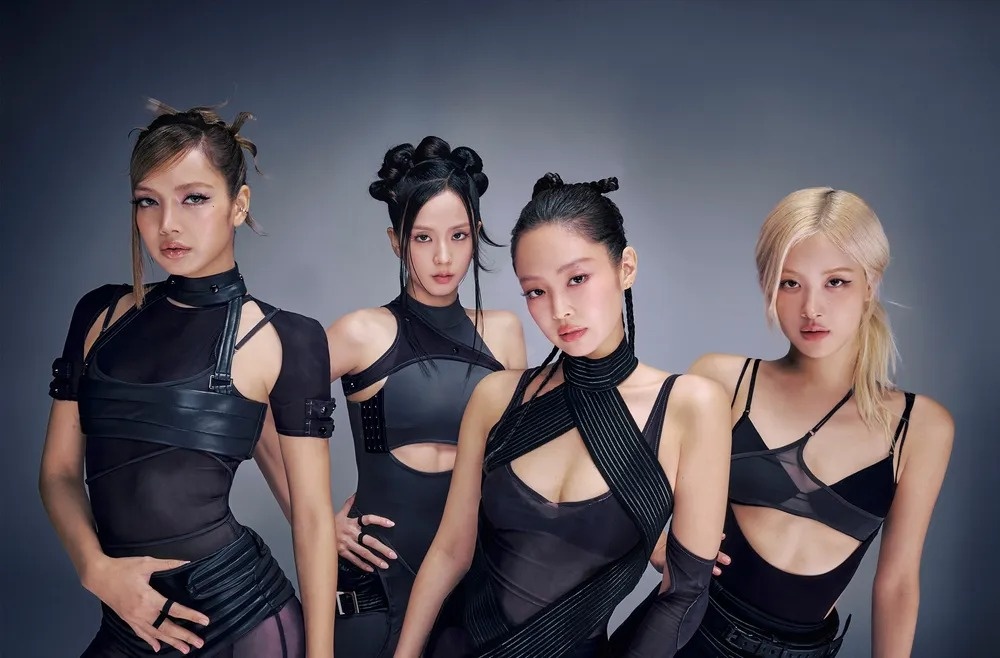 |
BlackPink's recent musical releases are all aimed at a global audience. Photo: YG Entertainment. |
Opportunities and challenges
Singing in English and emphasizing traditional values through visuals is also what Son Tung did in his recently released MV, "Come My Way ." However, in reality, the visuals and lyrics in this product aren't truly connected or related to each other.
Moreover, Kpop differs from Son Tung in that they initially gained international recognition with Korean songs before gradually transitioning to English songs.
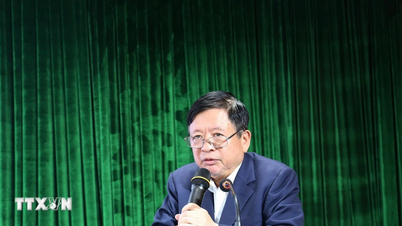
Regarding the question of whether to sing in English or use Vietnamese to preserve cultural identity, Associate Professor Bui Hoai Son, Standing Member of the National Assembly's Committee on Culture and Education, stated that the issue should not be approached in an absolute way. The international market is vast, and artists have diverse paths to reach the world. English has clear advantages in terms of accessibility, especially to large music markets, global digital platforms, and opportunities for international collaboration.
Sơn Tùng M-TP's performance of "Come My Way" in English also shows his desire to reach a wider audience outside of Vietnam.
He added: “But Vietnamese is the identity, the soul, the thing that creates the cultural ‘fingerprint’ of Vietnamese artists. Kpop's success isn't because they abandoned Korean to sing entirely in English. J-pop, Latin music, Afrobeat, and many other indigenous genres also show that international audiences are increasingly open to other languages, as long as the music is good, the visuals are strong, the story is compelling, and the promotional strategy is professional.”
Therefore, in my opinion, Vietnamese artists can be flexible. They can have English songs to open up markets. They can have Vietnamese songs to maintain their 'identity'. They can blend the two languages or use English in the lyrics but retain the Vietnamese essence in the imagery, melody, story, and cultural symbols. What matters is not just the language, but the creative identity and the quality of the product.”
He argued that singing in English could make a song more accessible to a segment of the international audience. But singing in English doesn't automatically make a song international, nor does singing in Vietnamese automatically give it a distinct identity. Internationalization isn't just about language. Identity isn't just about speech either.
Identity lies in how the artist tells the story, how they use cultural materials, build imagery, create emotions, and make the listener realize: this is a product from Vietnam, carrying the soul of Vietnam, yet modern enough to engage in dialogue with the world.
“I believe the best path is integration without assimilation. When expanding the market, artists can use English as a bridge. But on that bridge, they must still carry their Vietnamese heritage: Vietnamese sounds, images, symbols, stories, and spirit. Conversely, when singing in Vietnamese, artists also need to produce to international standards, from music and visuals to copyright, media, and performance,” he expressed.
Going out into the world isn't about choosing between English and Vietnamese, but about choosing how Vietnamese culture can be heard, seen, felt, and remembered. If English helps open doors, it is Vietnamese identity that gives us a reason to enter and remain in the memory of the international public.
Source: https://znews.vn/bai-toan-kho-cho-son-tung-m-tp-post1656054.html

































































Comment (0)