


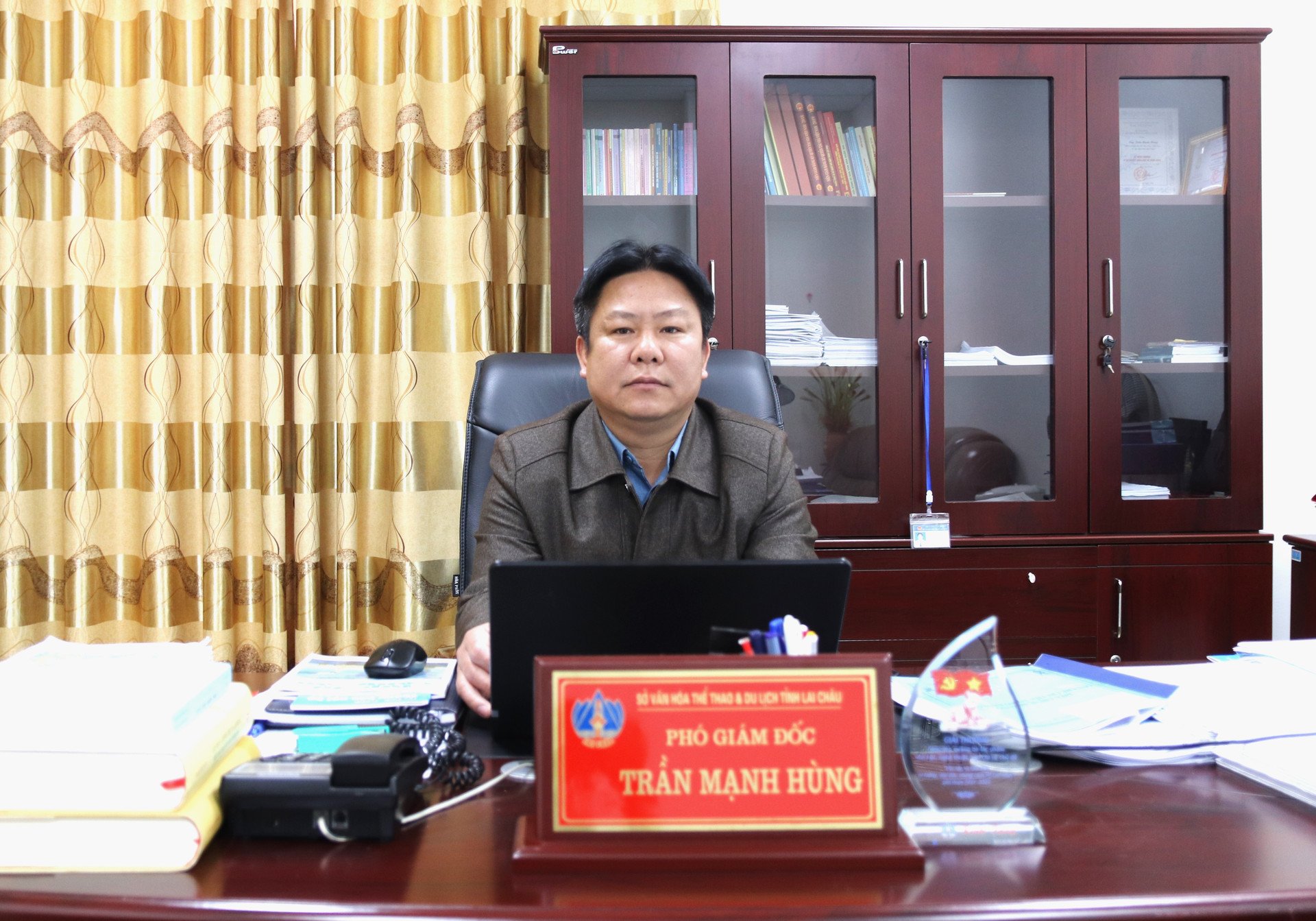
Mr. Tran Manh Hung, Deputy Director of the Department of Culture, Sports and Tourism of Lai Chau province, granted the Natural Resources and Environment Newspaper an interesting interview on these issues.
PV: Sir, what constitutes the cultural identity of the ethnic communities in Lai Chau ?
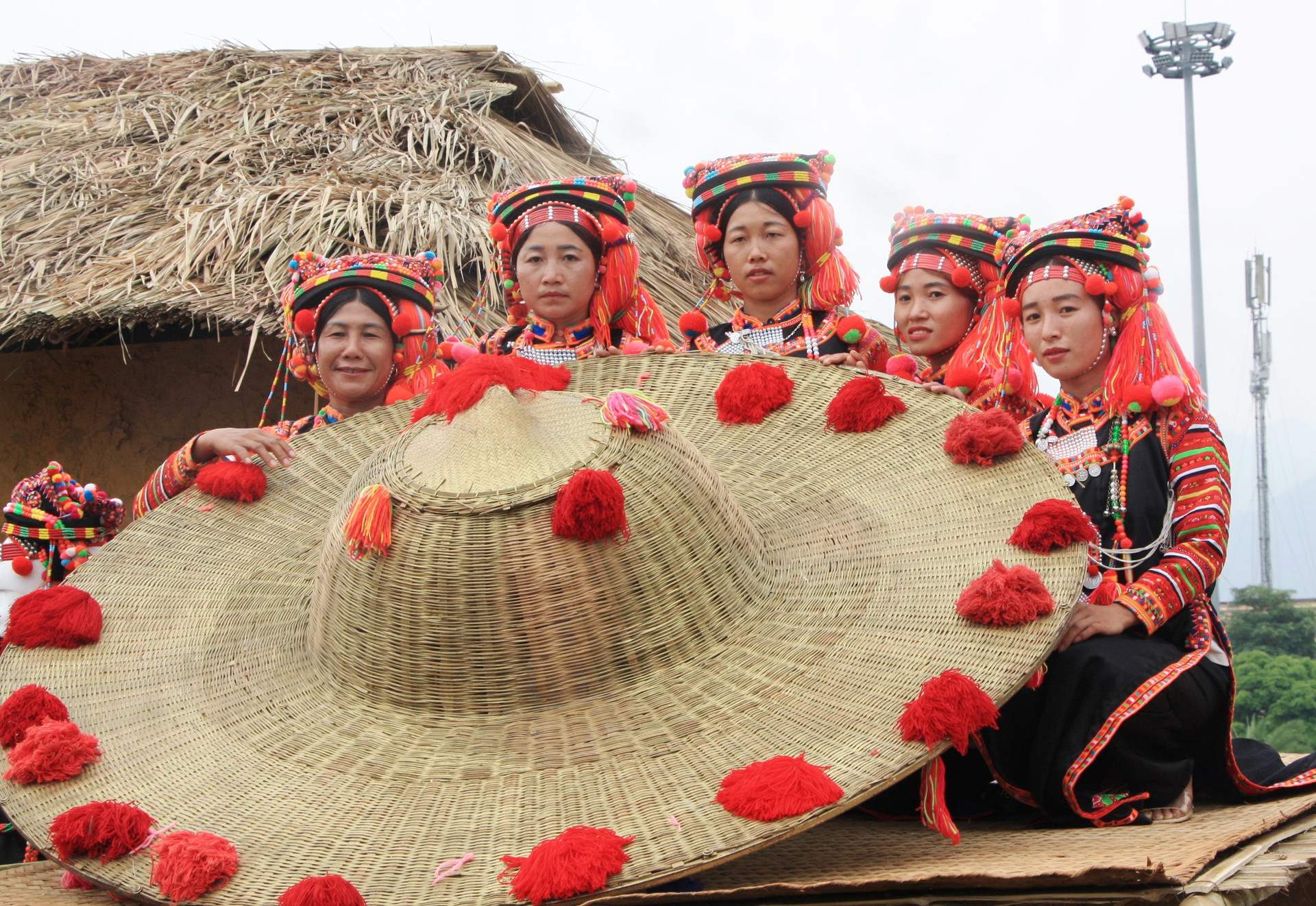
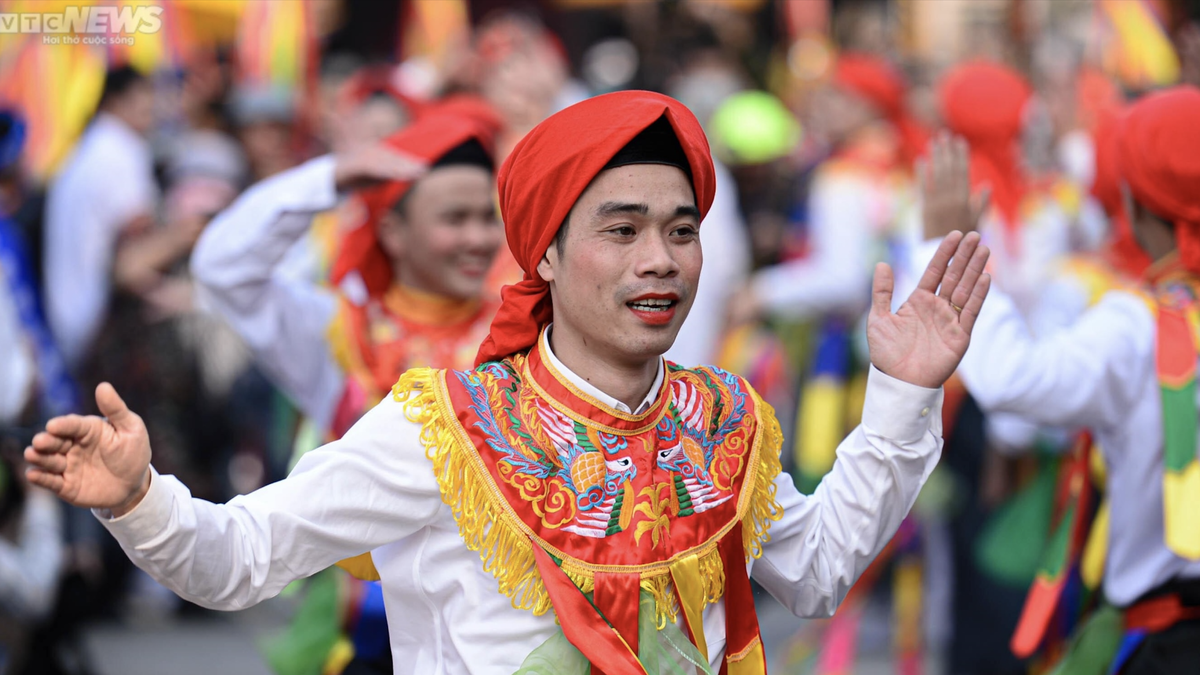
Mr. Tran Manh Hung: - That's the richness of the ethnic groups with their diverse cultures and many unique characteristics. Among the 20 ethnic groups living in Lai Chau, some are unique to Lai Chau, such as the Mang, La Hu, and Si La... Each ethnic group has its own distinct identity, and this creates a colorful tapestry. Furthermore, the inherent richness and diversity of the cultures of the ethnic groups in Lai Chau are evident in many forms and fields such as architecture, clothing, festivals, customs, folk performing arts, and cuisine ...
Each type of cultural heritage reflects the worldview and philosophy of life of each ethnic group, containing unique and distinctive elements that have been formed, nurtured, and passed down through many generations, preserved, protected, and promoted in community life. To date, the cultural identity of the 20 ethnic groups, with the richness, diversity, and unique features in the traditional culture of each ethnic group, is the highlight that creates the distinctiveness of Lai Chau's culture.
Furthermore, Lai Chau province boasts five National Intangible Cultural Heritage sites, all representing the distinctive cultural characteristics of various ethnic groups. These are: the Xoe dance art; the tug-of-war game of the Thai ethnic group; the Tu Cai ceremony of the Dao ethnic group; the Gau Tao festival of the H'Mong people; and the brocade weaving craft of the Lu ethnic group. In addition, the Then singing heritage of the Thai ethnic group has been recognized by UNESCO as a Representative Intangible Cultural Heritage of Humanity.
PV: The cultural exchange between different ethnic groups and regions creates cultural diversity… How is this being promoted in the current period, sir?
Mr. Tran Manh Hung: - In Lai Chau, when mentioning the Thai people, one thinks of the Muong So culture (Phong Tho district); when mentioning the Lu people, one thinks of the Binh Lu region (Tam Duong district); and when mentioning the Ha Nhi, La Hu, Si La people, etc., one thinks of Muong Te. This clearly reflects the geographical areas and distinctive cultural characteristics of these ethnic groups.
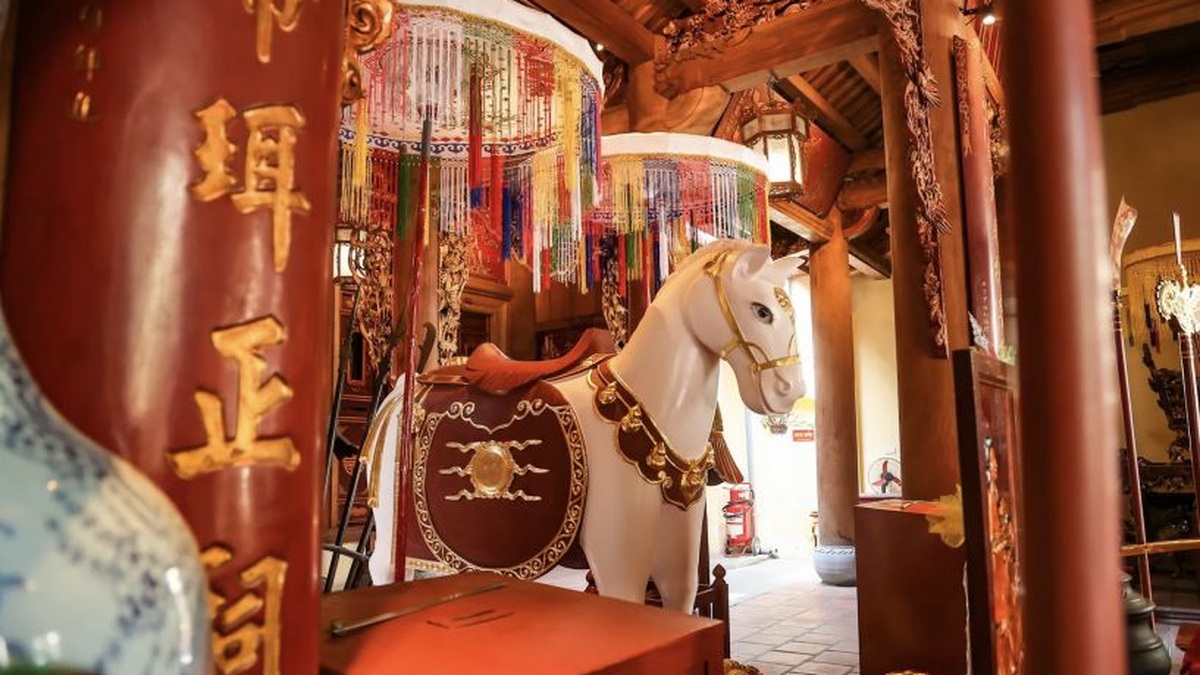
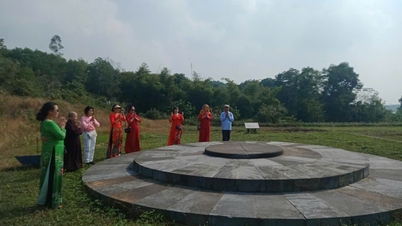
As I mentioned above, Lai Chau is a mountainous province where 20 ethnic groups live together, with over 86% being ethnic minorities. This has created a vast treasure trove of tangible and intangible cultural heritage, including Then singing, Xoe dances, the Then Kin Pang festival, the Nang Han festival, the Gau Tao festival, and the Coming-of-Age ceremony. Lai Chau is also an ancient land with many historical and cultural relics and scenic spots, including 21 classified relics. These are traditional cultural features that deeply reflect the ethnic identity, creating a unique characteristic for each region.
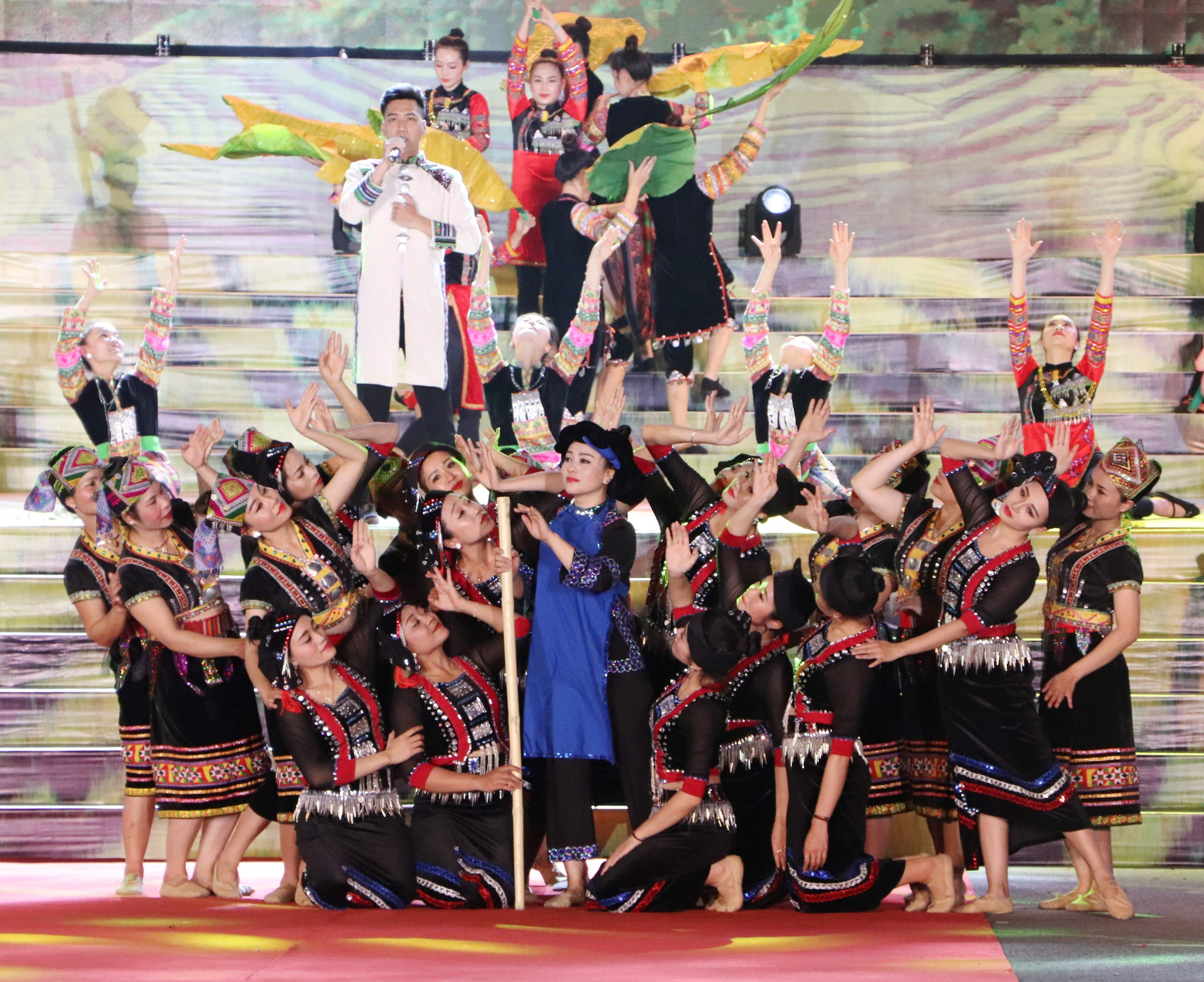
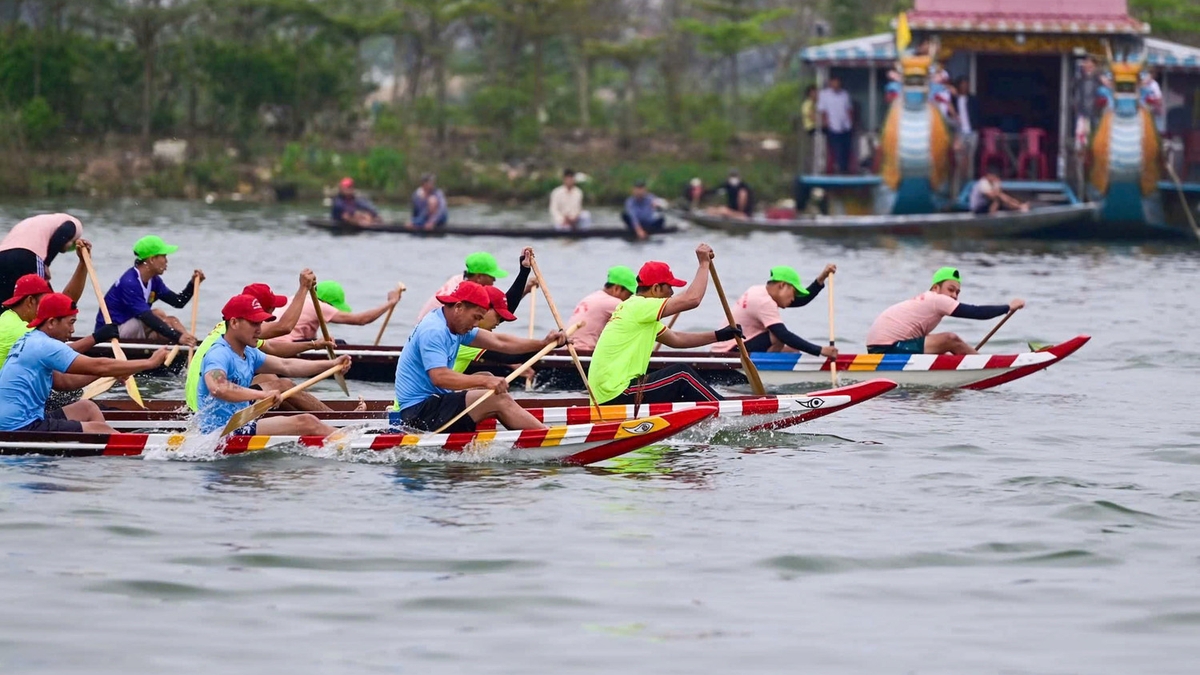
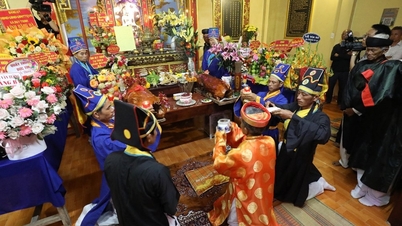
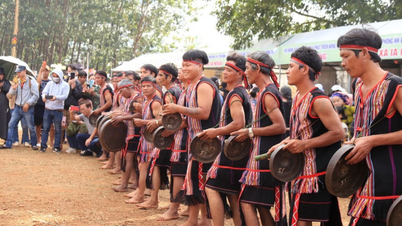
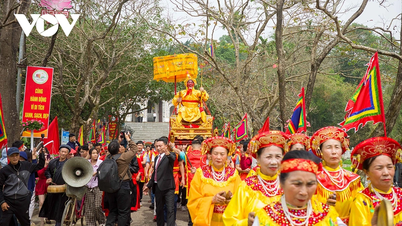
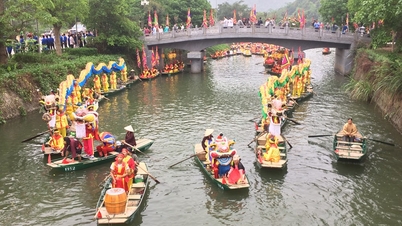
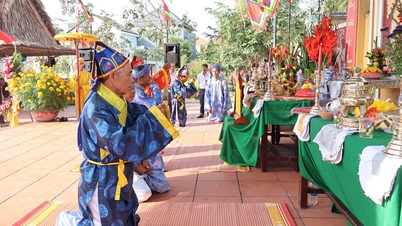
Over the years, Lai Chau province has gradually directed the restoration and maintenance of ethnic festivals in various localities; folk games and performances in festivals, and folk songs have been restored, recreated, adapted, and given new lyrics, meeting the artistic needs of the people. At these festivals, a large number of people and tourists participate, whether they are H'Mong, Dao, Ha Nhi, or Lu people, all immersing themselves in the experience, further appreciating the value of traditional culture, and thus feeling responsible for contributing to the preservation of their ethnic culture.
Furthermore, art programs, both professional and amateur, are developed based on the traditional folk culture of the ethnic groups in the province; promoting propaganda and education activities to raise awareness among ethnic minorities, fostering pride in and appreciation of their spiritual, moral, and cultural values, and promoting positive traditional cultural values. It encourages the maintenance of healthy customs and practices of ethnic groups; the restoration and development of valuable traditional crafts. It also aims to unleash the creativity and initiative of the people in various forms of community activities to meet the cultural needs of the new era...
Annually, based on local budgets, districts and cities prioritize allocating funds to carry out the task of preserving the fine traditional cultural identity of ethnic groups residing in communities, while maintaining political stability, strengthening solidarity, and improving the material and spiritual lives of the people. This includes focusing on preserving festivals, folk performing arts, languages, scripts, cuisine, costumes, typical traditional crafts, heritage sites recognized as representative cultural heritage of humanity, and heritage sites included in the National Intangible Cultural Heritage list by the Ministry of Culture, Sports and Tourism; developing distinctive tourism products associated with community tourism development; and establishing, maintaining, and developing grassroots folk art troupes.
PV: When talking about the culture of the highland people in general, and the ethnic minorities in particular, it's impossible not to mention festivals. So, what has Lai Chau province done to preserve, conserve, and promote the traditional festivals of the ethnic minorities?
Mr. Tran Manh Hung: - Over the years, many traditional cultural values, good customs and practices of ethnic groups in Lai Chau such as folk religious festivals, ethnic cultural competitions; language, writing, costumes, traditional crafts, games, performances, folk songs, folk dances... have been and are being preserved and developed in Lai Chau.
To contribute to the preservation and promotion of the valuable aspects of traditional festivals of ethnic groups, Lai Chau province has recently issued several resolutions, decisions, and plans related to the restoration, preservation, and promotion of the value of traditional festivals of ethnic groups in the province. Specifically, the Provincial Party Committee issued Resolution No. 04-NQ/TU dated February 17, 2021, of the Provincial Party Committee on preserving and promoting the valuable traditional cultural identity of ethnic groups associated with tourism development in the period 2021-2025, with a vision to 2030; and Resolution No. 59/NQ-HĐND dated December 10, 2021, of the Provincial People's Council stipulating a number of policies to support the preservation and promotion of the valuable traditional cultural identity of ethnic groups associated with tourism development in the province in the period 2021-2025. Decision 562/QD-UBND dated May 17, 2021, of the Provincial People's Committee approving the Project "Preserving and promoting the fine traditional cultural identity of ethnic groups associated with tourism development in the period 2021 - 2025, with orientation to 2030". This includes support for the restoration of 2 festivals and support for maintaining 35 annual festivals of ethnic groups.
Lai Chau province links the preservation of ethnic cultural values with tourism development, contributing to promoting and introducing the image of Lai Chau's nature and people to domestic and international tourists; contributing to building an advanced Vietnamese culture rich in national identity in the era of reform.
PV: Not only festivals, but also living spaces, traditional clothing, farming practices... are what create the identity of each ethnic group. However, this is being significantly affected by modern life. People are worried that these beautiful cultural aspects are fading away and gradually disappearing. What are your thoughts on this?
Mr. Tran Manh Hung: - What the ethnic communities and cultural management agencies are currently worried about is the impact of modern life on the traditional cultural values of ethnic groups. As we have seen, the impact and influence of the market economy, international integration, the strong development of information technology, the natural environment, the social environment... have directly affected the material and spiritual lives of people in general, and the ethnic communities in Lai Chau province in particular. Among these, the cultural values and cultural identities of ethnic groups have been affected and transformed to some extent. The most easily recognizable manifestations are changes in housing architecture, language and writing, clothing, art, traditional crafts, folk literature, farming practices... of ethnic groups, some forms of intangible cultural heritage are at risk of disappearing or being lost.
However, preserving and promoting the fine traditional cultural values of the ethnic groups in the province requires the joint efforts of the entire political system and society. This includes, firstly, the awareness of the people and communities – the custodians of cultural heritage – in preserving, protecting, and promoting cultural heritage values. Secondly, it requires the shared responsibility of all levels, sectors, and socio-political organizations, with the cultural sector playing a key advisory and guiding role.
PV: So, what is Lai Chau province's strategy for preserving and promoting the cultural heritage values of ethnic groups in conjunction with tourism development, sir?
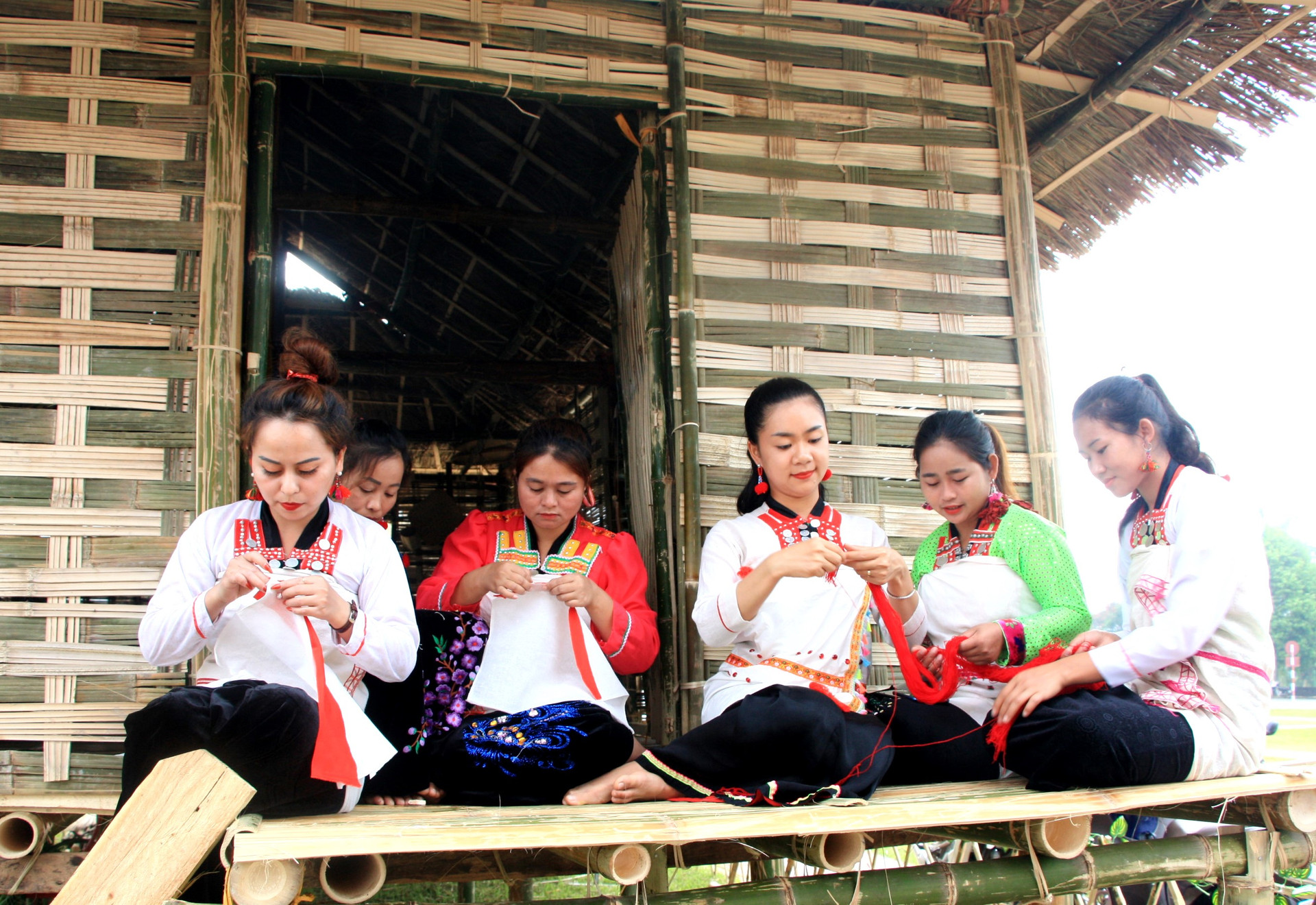
Mr. Tran Manh Hung: - Given the current state of cultural heritage of ethnic groups in the province, the province has promptly issued and implemented resolutions, projects, and plans to preserve and promote the cultural heritage values of ethnic groups in conjunction with tourism development. Specifically, in the period 2021-2025, Lai Chau province sets an annual goal of ensuring that each ethnic group preserves at least one valuable traditional cultural heritage, with priority given to: festivals, writing systems, cuisine, costumes, traditional crafts, and folk performing arts.
Lai Chau province has identified the preservation and promotion of national intangible cultural heritage; two intangible cultural heritages representing humanity; the preparation of three scientific dossiers to be submitted to the Ministry of Culture, Sports and Tourism for recognition as national intangible cultural heritage; and the creation of a collection of artifacts and documentary films on the cultural regions of ethnic communities residing together, to serve thematic exhibitions linked to tourism development.
The province will also develop distinctive tourism products associated with community tourism development, including at least one tourism product achieving OCOP 4-5 star rating; striving to build one exemplary national community tourism village, and eventually proposing its recognition as an ASEAN community tourism destination.
From now until 2025, Lai Chau will build three exhibition and product display points showcasing cultural products, OCOP products, and agricultural products, linked to tourist attractions along National Highway 4D between Sa Pa and Lai Chau.
Interviewer: Thank you very much, sir!
Source












![[Photo] The General Secretary presents the title of Hero of the People's Armed Forces to the Navy.](https://vphoto.vietnam.vn/thumb/1200x675/vietnam/resource/IMAGE/2026/02/28/1772251730336_vna-potal-tong-bi-thu-to-lam-du-va-trao-danh-hieu-anh-hung-llvt-nhan-dan-cho-quan-chung-hai-quan-8612073-jpg.webp)







































Comment (0)