

In addition, high interest rates make debt repayment difficult. Minimum monthly payments are increasing, with the average mortgage notice rising 12% over the past year.
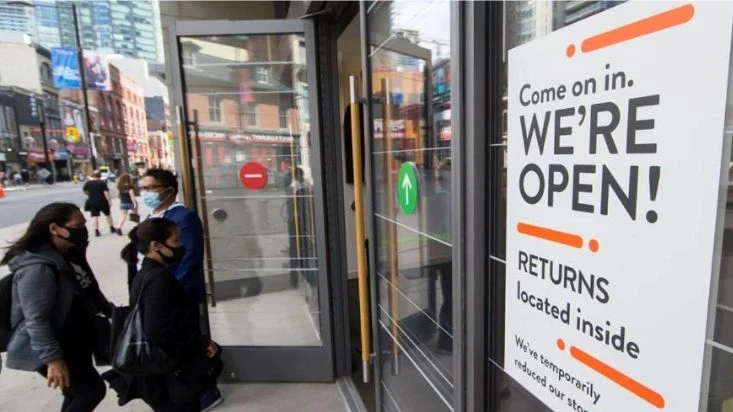
According to a report on consumer debt released by TransUnion Canada, the total consumer debt of Canadians in the fourth quarter of 2023 reached CAD 2.4 trillion (USD 1.8 trillion), an increase of nearly 3% compared to the same period last year and a record high. Approximately 92% of credit users had outstanding debt, a 3.7% increase from last year.
According to the report, an increasing number of people in Canada are using credit, with approximately 96%, or 31.5 million, of eligible individuals having used at least one product to borrow money, such as a credit card or auto mortgage. This has added approximately CAD 1 billion (USD 737,000) to users' outstanding debt, a 3.6% increase compared to last year. Meanwhile, the number of new immigrants to Canada opening credit accounts for the first time increased by 46% in the one-year period (2022-2023), leaving them with an estimated CAD 3.5 billion (USD 2.58 billion) in debt.
Furthermore, high interest rates make debt repayment difficult. Minimum monthly payments are increasing, with average mortgage notices rising 12% over the past year. As a result, more and more people are unable to make their payments. The Bank of Canada (BOC) is currently "stuck" in its interest rate policy decisions. Current housing prices also keep interest rates high for an extended period, as housing inflation accounts for over 30% of Canada's consumer price index. This is also the biggest obstacle preventing the BOC from making a decision to cut interest rates.
These developments prompted the International Monetary Fund (IMF) to warn that Canada tops the list of countries with high levels of household debt, a large proportion of borrowing at floating interest rates, which puts it at a higher risk of default.
On average, Canadian consumers are spending 21.5% more per month on credit cards than before the pandemic. Economists predict that interest rates are expected to remain higher for longer periods, and inflation will continue to weigh on consumers. As minimum payments continue to rise, many Canadians may face difficulties balancing debt repayment with essential daily necessities.
THANH HANG
Source










































































































Comment (0)