

* Dr. Nguyen Duc Kien, former Vice Chairman of the National Assembly's Economic Committee, former Head of the Economic Advisory Group to the Prime Minister:
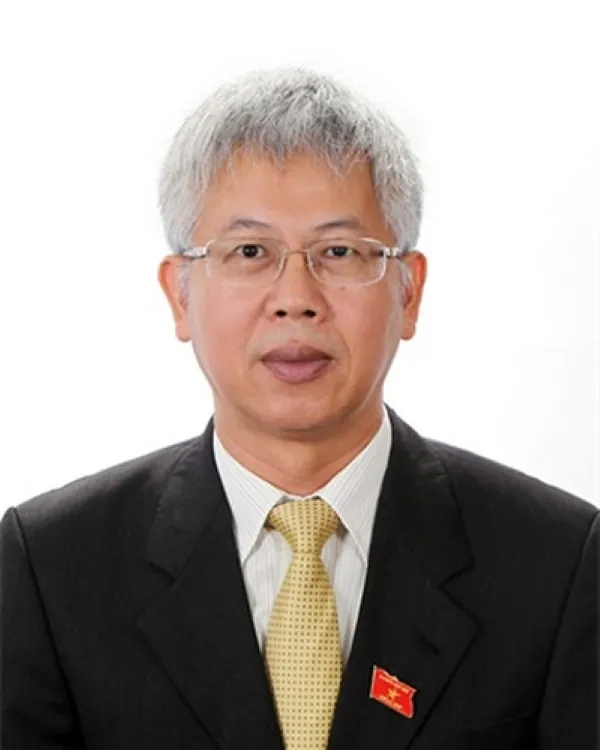
Develop attractive mechanisms to attract investment in science and technology.
The Politburo 's issuance of Resolution 09 on building and developing Ho Chi Minh City in the new era, deeply embodying the motto "Ho Chi Minh City for the whole country, the whole country for Ho Chi Minh City," is an important step, outlining a strategic vision for Ho Chi Minh City to become a global city with comprehensive development.
However, to realize that goal, Ho Chi Minh City needs to change its growth model to best exploit its potential. Specifically, it must shift to a new development model that uses high-tech industries, clean energy, high-tech services, and innovation as drivers of growth, instead of continuing to develop according to the traditional industrial model, relying on processing, cheap labor, and land-intensive industries.
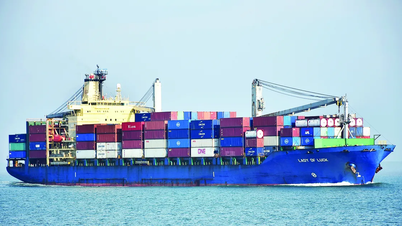
Ho Chi Minh City has a large market size, a central location in the Southern key economic region, a developed seaport and logistics system, and strong investment attraction capabilities. Ho Chi Minh City also possesses a significant advantage in terms of high-quality human resources, especially intellectuals, technology experts, and a young workforce. If properly exploited, these are the most important driving forces for the city's breakthrough in the coming period.
* Associate Professor Dr. Bui Hoai Son, Member of the 16th National Assembly:
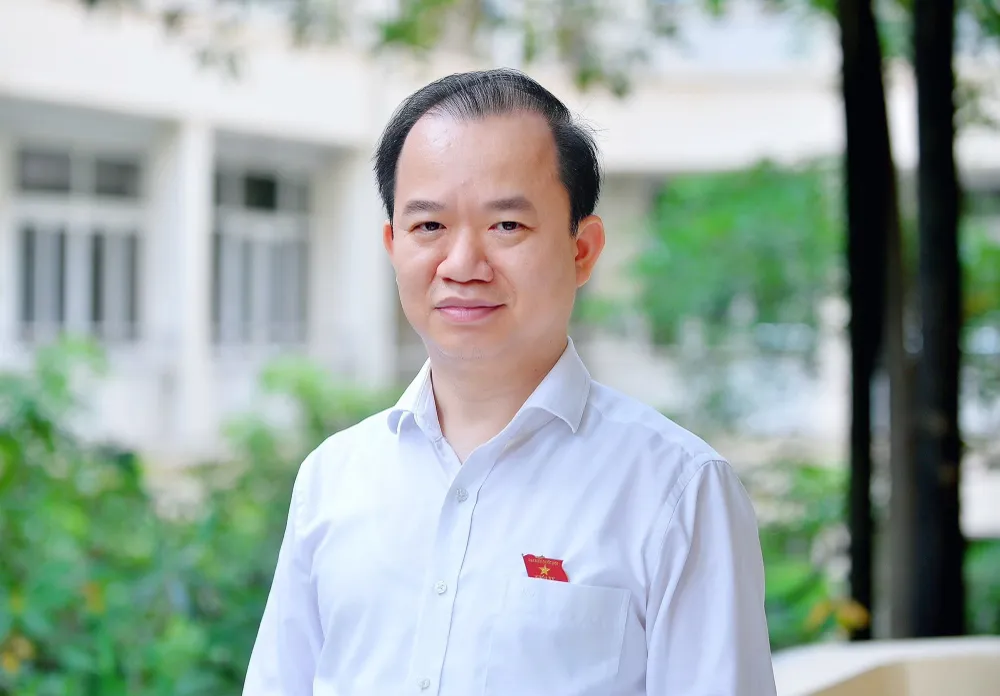
Culture shapes the stature of the city named after President Ho Chi Minh.
Resolution 09 of the Politburo on building and developing Ho Chi Minh City in the new era not only opens up a vision of a global metropolis, but also sets forth a very profound requirement: the comprehensive development of the city's culture and people into a civilized, modern, compassionate city, worthy of being named after President Ho Chi Minh.
Resolution 09 emphasizes the requirement to build a civilized, modern, and compassionate culture and people for Ho Chi Minh City. We see this not only as a task for the cultural sector, but as a fundamental orientation for the entire development model.
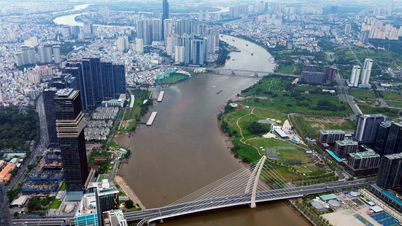
A global city cannot be measured solely by skyscrapers, metro lines, financial centers, high-tech zones, or GRDP growth rate. A global city must be measured by the quality of life of its people, by public spaces, by safety, kindness, creativity, tolerance, and by how the city preserves its memories and opens opportunities for every individual.
The more modern Ho Chi Minh City becomes, the more it needs to preserve its cultural depth. Urbanization must not disrupt community memory. Globalization must not diminish identity. Economic growth must not cause the values of compassion and solidarity to be relegated to the background. The two words "compassion and solidarity" should be considered a special cultural asset of Ho Chi Minh City. It is this compassion and solidarity that makes this city so attractive, drawing many people to stay, work here, become attached, and remember it fondly even after they leave.
* Assoc. Prof. Dr. Dinh Trong Thinh, Economic expert, Academy of Finance:
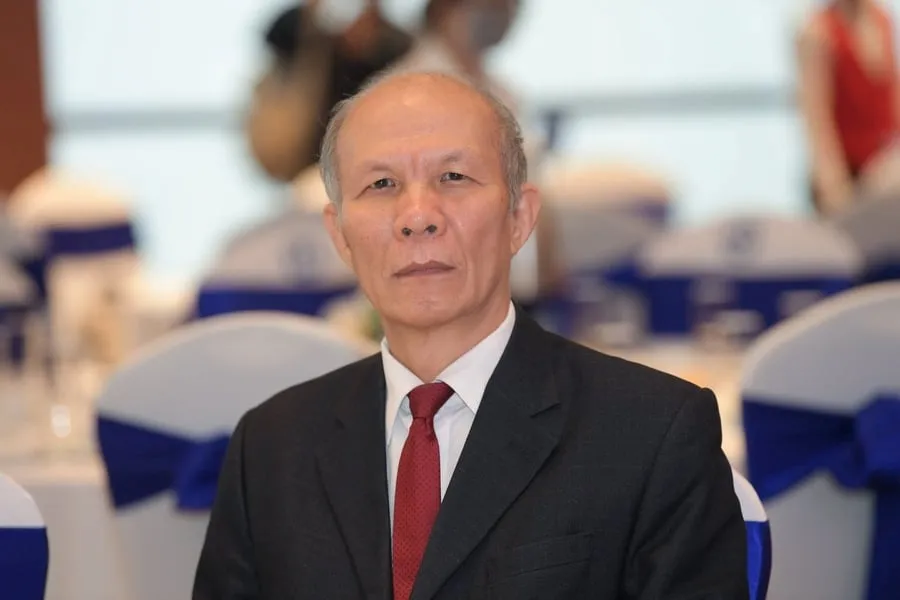
A long-term vision for city development
Resolution 09 has set out a comprehensive and groundbreaking roadmap for building and developing Ho Chi Minh City with major groups of solutions, from innovating the growth model, perfecting institutions, infrastructure planning to developing culture and people. First, Resolution 09 clearly demonstrates a strong breakthrough in institutions.
Authority is decentralized and thoroughly delegated to each entity and level, as well as the autonomy to issue legal regulations to address issues arising from local practices, even when there are no regulations from central agencies.
The resolution also allows Ho Chi Minh City to proactively pilot new mechanisms and policies in a controlled testing (sandbox) format, independently develop a set of quality standards that surpass national standards, and implement controlled socialization of certain professional stages in handling administrative procedures.
Furthermore, Resolution 09 identified Ho Chi Minh City as a pioneer in transitioning to a growth model based on a knowledge-based economy, digital transformation, and an innovation ecosystem.
Notably, the private sector is identified as "the most important driving force," placed within the new growth structure, with the goal of accounting for approximately 40% of the city's GRDP by 2030. This also means that in the new growth model, the private sector is not "on the sidelines" of policy, but becomes a co-creating force for growth, innovation, and competitiveness of the megacity.
* Dr. Ho Ngoc Dang, Ho Chi Minh City Academy of Cadres:
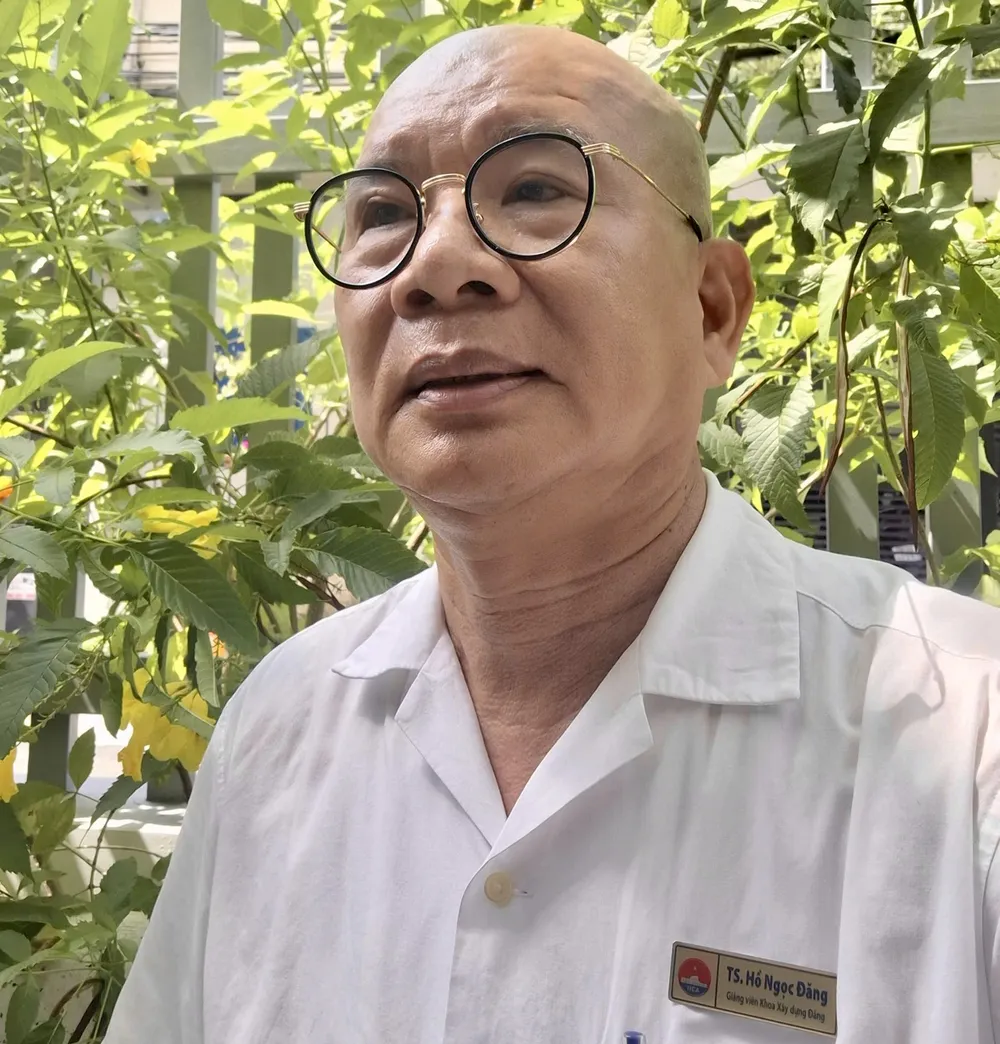
Shift strongly towards strategic leadership.
Ho Chi Minh City needs to quickly concretize Resolution 09 of the Politburo on building and developing Ho Chi Minh City in the new era, with the first focus being on reforming the Party's leadership methods towards strengthening the role of strategic planning and improving institutions.
Accordingly, Party building and the political system cannot continue to operate according to the "hierarchical management" model, but must shift strongly towards "strategic leadership - data-driven governance - results-based service".
Another crucial requirement is building a team of officials capable of managing megacities. Local officials should not only perform purely administrative tasks but also possess the capacity for "on-the-ground urban management."
A new, strategically important resolution is needed to create a model where the Party has sufficient leadership capacity, the government has sufficient authority to act, officials have sufficient capacity to implement policies, the people have sufficient means to monitor, and resources are strong enough for Ho Chi Minh City to develop to its rightful position as the leading economic engine and the largest megacity in the country.
* Mr. Vu Son, M.Sc., Institute for Regional Development Research and Consulting, University of Economics Ho Chi Minh City:

Urban spatial development based on regional thinking.
Resolution 09 of the Politburo demonstrates a long-term vision, placing Ho Chi Minh City at the center of growth for the entire Southeast region and the country, instead of developing according to the previous administrative boundary mindset. I believe the spirit of Resolution 09 is very correct and accurate in that it views regional infrastructure as the driving force for development.
When ring roads, expressways, urban railways, and port logistics are synchronously connected, Ho Chi Minh City will reduce pressure on the central area, while simultaneously forming new growth poles for high-tech industries, financial services, logistics, and innovation.
From a planning perspective, it is crucial that the city quickly shift its mindset from "inner-city planning" to "integrated urban planning." This requires a genuine coordination mechanism between localities within the region, particularly in areas such as transportation, land use, industrial development, and population distribution. If each locality continues to develop independently, it will be difficult to create overall synergy.
In addition, Ho Chi Minh City needs to prioritize building a shared planning database, promoting digital transformation in urban management, and improving the quality of population and infrastructure development forecasts. Planning must be one step ahead and have long-term stability to build confidence for investors.
* Mr. Nguyen Bao Minh, M.Sc., Secretary of the Youth Union of the Vietnam National University Ho Chi Minh City:
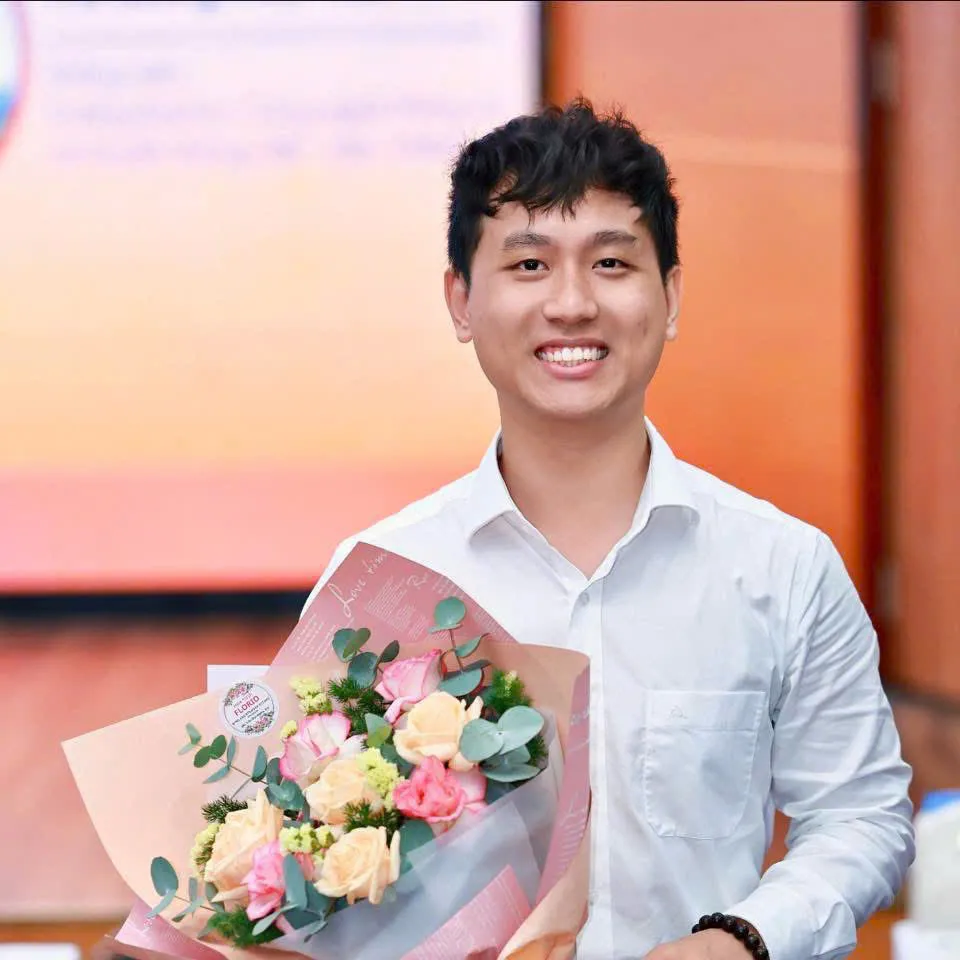
Pioneering force in transforming Ho Chi Minh City into a knowledge hub.
Resolution 09 of the Politburo opens up many expectations and opportunities for young people and students in Ho Chi Minh City in the coming period. As Ho Chi Minh City aims to become a major center for education, training, and the development of high-quality human resources in the region, young people and students will have the opportunity to access advanced training programs and a modern, internationally standardized learning environment right here in Vietnam.
Ho Chi Minh City's efforts to promote linkages between schools, businesses, and research institutes will also help students participate more in practical projects, applied research, and innovative startups.
Furthermore, the policy of having breakthrough mechanisms to attract, train, and utilize talent will create more motivation for young people to dare to pursue the path of scientific research, innovation, and long-term contribution. Today's generation of young people can absolutely become the pioneering force to make Ho Chi Minh City a leading center of knowledge, innovation, and human resource development in the region in the future.
Source: https://www.sggp.org.vn/be-phong-the-che-de-tphcm-vuon-tam-post854717.html


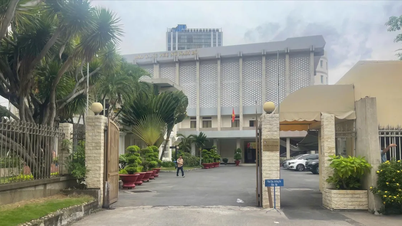
![[Image] Checking the security conditions at the exam site, ready for the 10th grade exam.](https://vphoto.vietnam.vn/thumb/1200x675/vietnam/resource/IMAGE/2026/05/28/1779943458889_z7872507660648-d764421a26e8cd7b61d70d142a48a685-jpg.webp)
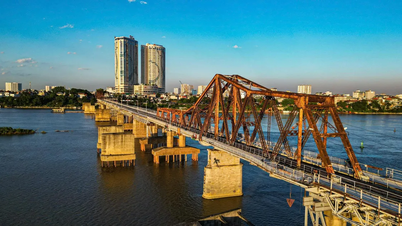
![[Photo] Life on both banks of the river returns to its bustling pace on the day the Long Bien Bridge opens to traffic.](https://vphoto.vietnam.vn/thumb/1200x675/vietnam/resource/IMAGE/2026/05/28/1779949763708_cau-long-bien-minh-duy-7-3610-jpg.webp)
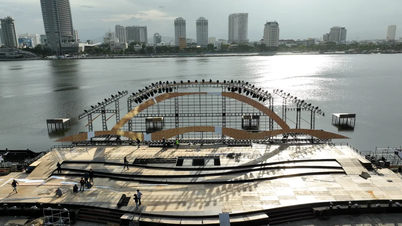
![[Photo] The heat at the fireworks display site on the opening night of the Da Nang International Fireworks Festival 2026](https://vphoto.vietnam.vn/thumb/1200x675/vietnam/resource/IMAGE/2026/05/27/1779889741485_ndo_br_z7872039145157-fecaba5112f39e8352544099d7ef4738-5140-jpg.webp)

























































Comment (0)