

According to the Department of Disease Prevention - Ministry of Health , the bacterium Burkholderia pseudomallei exists naturally in soil, mud, and contaminated water. People can contract the disease through contact with soil, mud, and water containing the bacteria via scratches or open wounds on the skin; by inhaling contaminated dust or water droplets; or by consuming contaminated water or food.
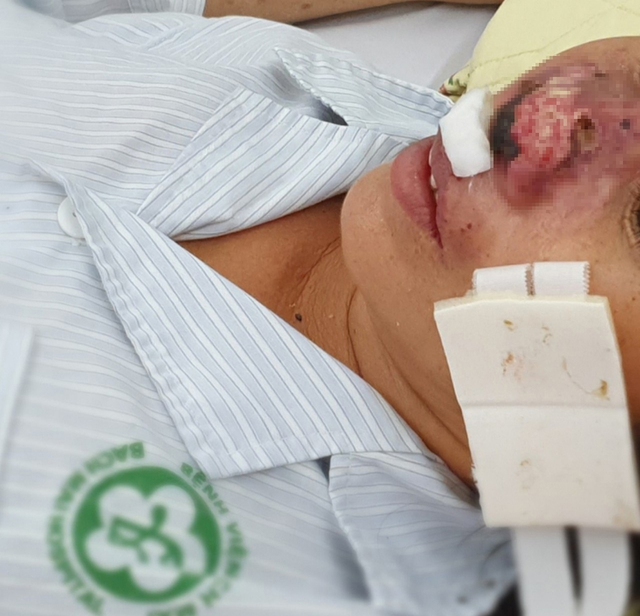
The nose of a patient with "earth fever".
PHOTO: Bach Mai Hospital archives
Whitmore's disease presents with diverse clinical manifestations, easily confused with many other diseases, making early diagnosis difficult. The disease can progress severely with symptoms such as pneumonia, abscesses in multiple organs, sepsis, septic shock, and carries a risk of death if not detected and treated promptly.
Individuals with underlying conditions such as diabetes, liver disease, kidney disease, chronic lung disease, immunosuppression, and those frequently exposed to soil, mud, and contaminated water are at higher risk of developing the disease. After exposure to soil, mud, or contaminated water, especially after storms or floods, if symptoms such as fever, cough, chest pain, shortness of breath, abscesses, skin infections, or prolonged infections occur, immediate medical attention is necessary for examination, diagnosis, and timely treatment.
Whitmore's disease is rare, primarily associated with environmental exposure, and is not commonly transmitted from person to person. It is frequently reported in Southeast Asia and northern Australia. In Vietnam, a few scattered cases are recorded annually, often increasing after heavy rains, floods, and storms.
P DISEASE PREVENTION
- Use appropriate protective equipment such as shoes, boots, and gloves when working in the fields, gardening, cleaning up the environment, collecting waste and mud after floods, or when frequently in contact with soil, mud, and dirty water.
- Cover and properly care for open wounds, ulcers, and burns; avoid contact with soil, mud, and dirty water. If contact is unavoidable, cover with a waterproof bandage and clean thoroughly immediately afterward.
- Avoid walking barefoot in wet, muddy areas or flooded regions. Limit swimming, bathing, and diving in ponds, lakes, rivers, canals, and stagnant water areas suspected of being polluted, especially if you have open wounds.
- Maintain personal hygiene, wash your hands with soap and clean water after working, after contact with soil, mud, dirty water, and before eating and drinking.
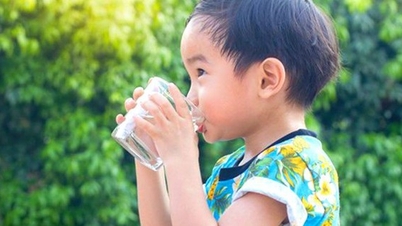
- Use clean water for daily life and consumption; ensure food safety, and do not use water or food suspected of being contaminated.
(Source: Department of Disease Prevention)
Source: https://thanhnien.vn/benh-sot-dat-de-bi-chan-doan-nham-va-dien-bien-nang-18526050317542422.htm


![[Photo] General Secretary and President To Lam presides over the meeting to approve the draft report on the results of the second inspection by the Politburo of the Standing Committee of the Hanoi City Party Committee.](https://vphoto.vietnam.vn/thumb/1200x675/vietnam/resource/IMAGE/2026/05/26/1779789811432_a2-bnd-4430-9620-jpg.webp)












































































Comment (0)