

According to the U.S. Department of Agriculture (USDA), frozen leftovers can be stored for a very long time. However, you can't always store and freeze food properly, which can cause frozen food to lose its quality, according to livestrong.com .
Fruits and vegetables
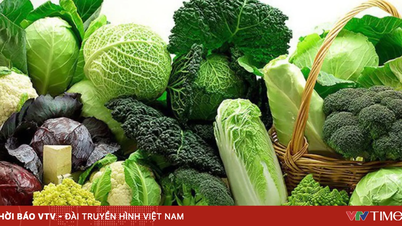
According to guidelines from the U.S. Food and Drug Administration (FDA), fruits and vegetables should be washed thoroughly under running water and stored in a clean refrigerator at 4 degrees Celsius or lower.
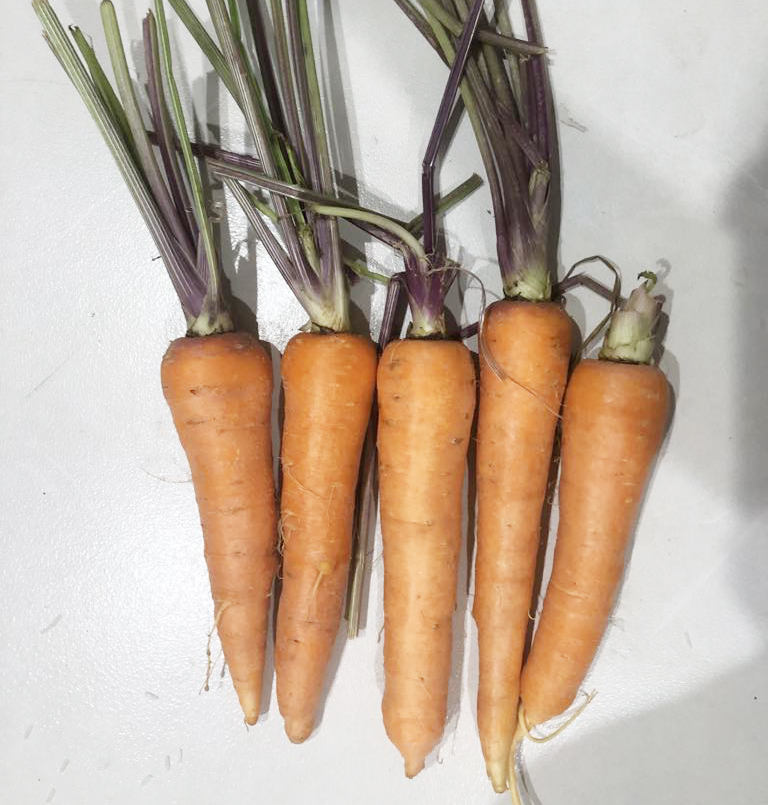
Vegetables and fruits should be washed thoroughly under running water and stored in a clean refrigerator at 4 degrees Celsius.
Cooked potatoes and other vegetables can be stored in the refrigerator for 3 to 4 days, according to USDA recommendations.
The American Heart Association (AHA) states that some fruits release ethylene gas (apples, bananas, melons, pears, etc.), causing products stored together to spoil more quickly. Therefore, they recommend storing them separately from other produce.
Milk and eggs
According to the USDA, raw eggs can be safely stored in the refrigerator for 3 to 5 weeks from the date they are placed in it. Hard-boiled eggs can be stored for 1 week. The ideal temperature for storing eggs and dairy products is 4 degrees Celsius or lower.
The shelf life of dairy products varies depending on the type of product. Accordingly, a refrigerator can preserve yogurt for 1 to 2 weeks and fresh milk for 1 week.
Meat and poultry
According to the U.S. Department of Health and Human Services (HHS), cooked meat and poultry, along with processed meats, can be stored in the refrigerator for 3 to 4 days.
Once opened, packaged sliced cold cuts can be stored for 3 to 5 days.
Fish and seafood
Cooked fish can be stored for 3 to 4 days, while smoked fish can last up to 14 days, according to the FDA.
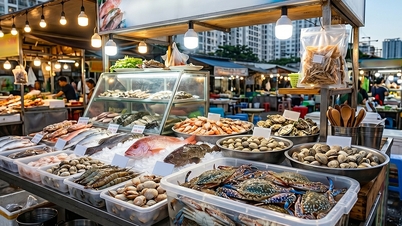
The Washington State Department of Health (USA) states that raw, shelled clams and mussels can be stored for up to three days, while cooked clams and mussels with their shells can be kept for a maximum of two days in the refrigerator.
Bread
Bread can be stored in the refrigerator for one to two weeks. Importantly, you should not eat bread that shows signs of mold, according to the USDA.
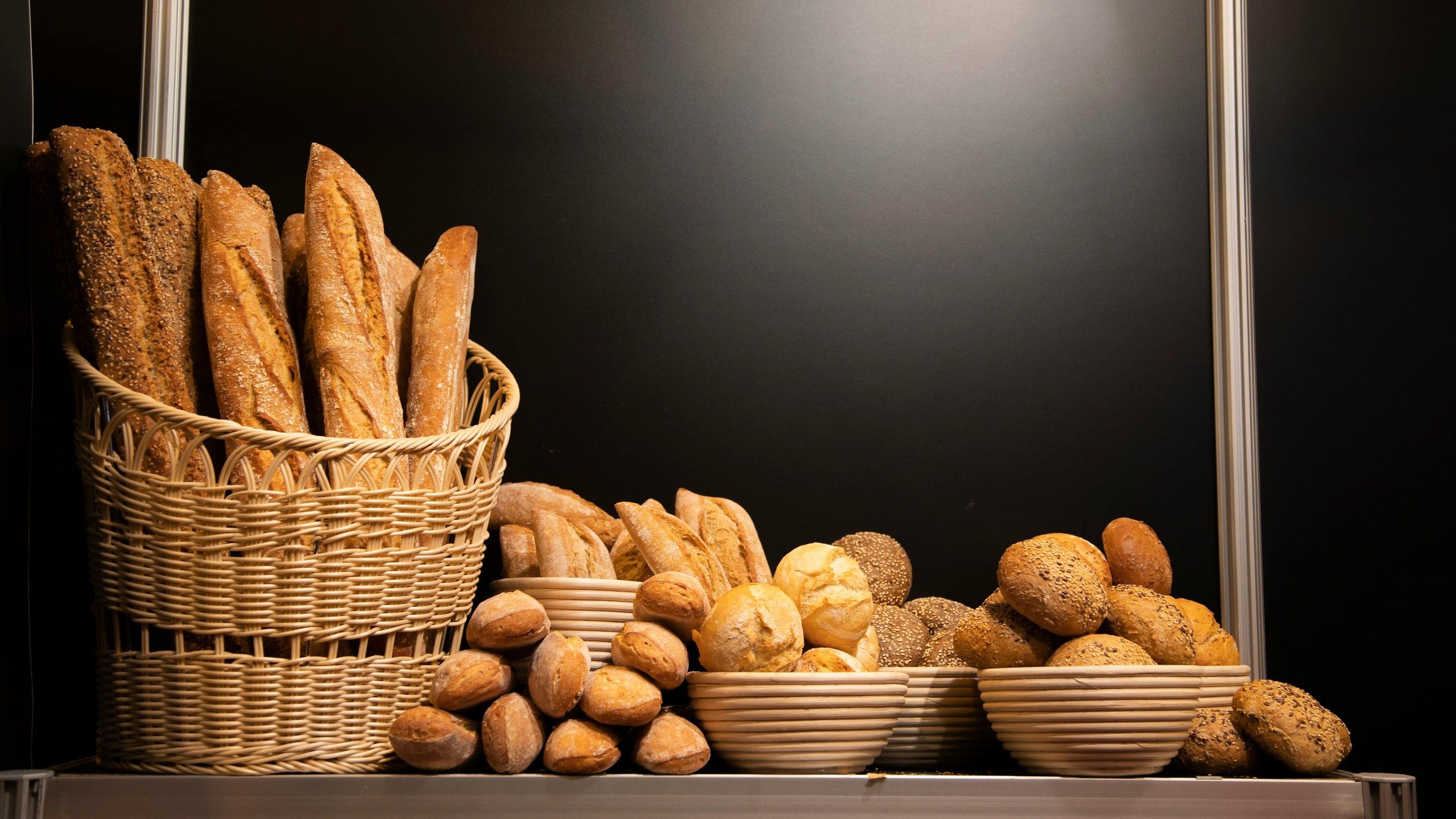
Bread can be stored in the refrigerator for 1 to 2 weeks.
Soup
Soups containing meat or vegetables can be stored in the refrigerator for 3 to 4 days, according to the HHS.
Pastry
The shelf life of cakes and desserts in the refrigerator varies depending on the type.
Accordingly, store-bought or homemade cookies can be kept in the refrigerator for up to 2 months. Soft pastries should be consumed within 1 week.
Mixed salad
HHS states that mixed salads (such as egg, chicken, ham, or tuna salads) can be safely stored in the refrigerator for 3 to 4 days.
Source link
![[Image] Pleasant weather helps students enter the 10th grade entrance exam with confidence.](https://vphoto.vietnam.vn/thumb/1200x675/vietnam/resource/IMAGE/2026/05/29/1780034401612_ngay-1-thi-lop-10-minh-duy-8-5009-jpg.webp)



![[Photo] Ba Lang An Lighthouse - the "eye of the sea" amidst the "rock museum" of Quang Ngai province.](https://vphoto.vietnam.vn/thumb/1200x675/vietnam/resource/IMAGE/2026/05/29/1780038698840_anh-man-hinh-2026-05-29-luc-14-10-42.png)


























![[Photo] Admire the coral "masterpiece" amidst the million-year-old heritage of Dak Lak province.](https://vphoto.vietnam.vn/thumb/1200x675/vietnam/resource/IMAGE/2026/05/30/1780107638639_y25-jpg.webp)














































































Comment (0)