

Insomnia is a common condition that many people experience. There are many causes of difficulty sleeping, ranging from physical factors such as illness to psychological factors such as stress and anxiety.
According to the health website Verywell Health , Smita Patel, a neurologist in the US, suggests the following methods can help the body recover after a sleepless night.
Eat healthily
When our bodies are tired from lack of sleep, we often feel hungry and crave high-calorie foods. This is a natural reaction of the body to seek energy to compensate for what has been lost during sleep deprivation.
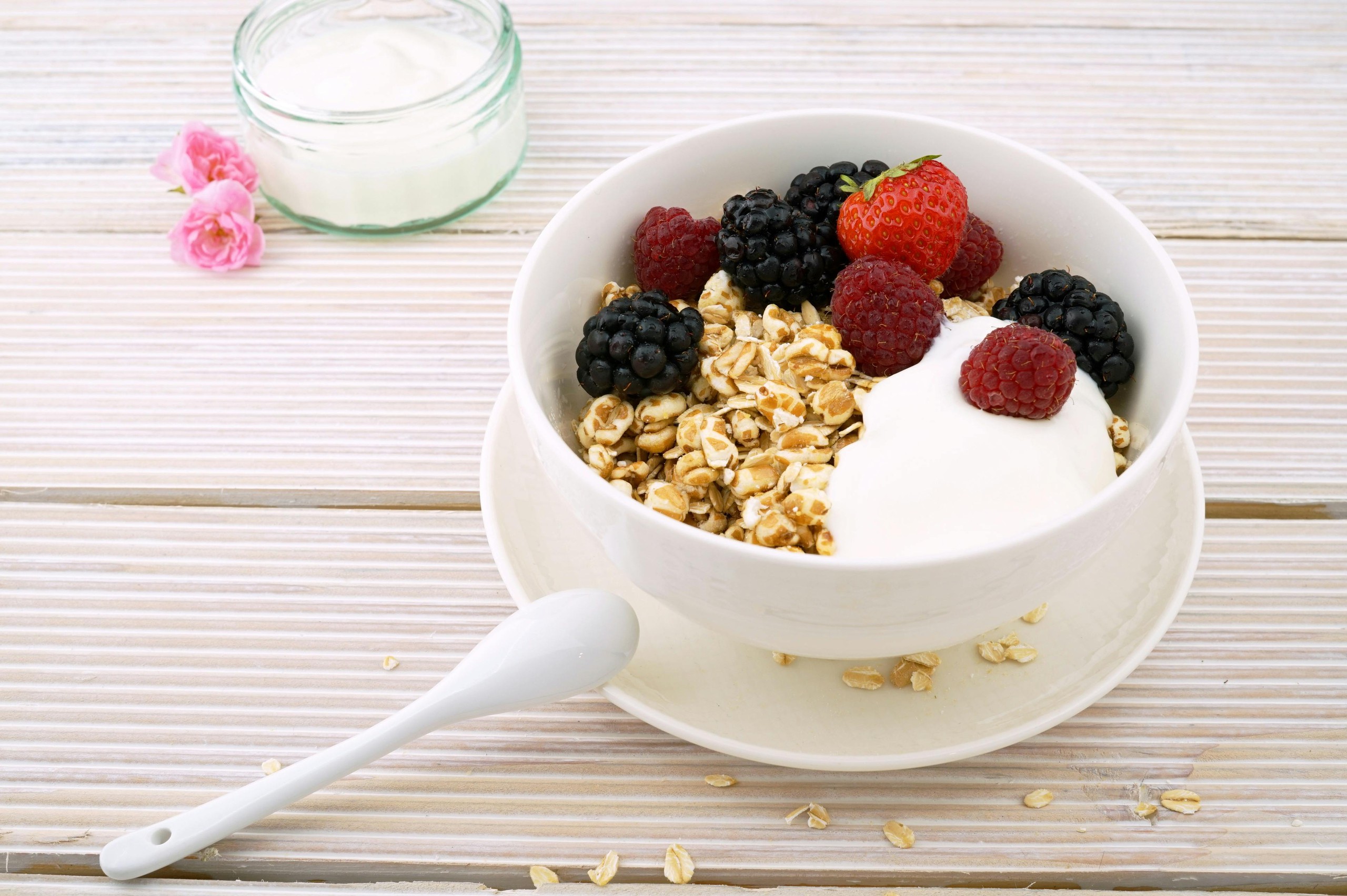
When experiencing insomnia, choose healthy foods such as whole grains, green vegetables, and fruits.
Instead of eating sugary snacks, you should choose healthy foods like whole grains, green vegetables, fruits, and nuts.
These foods provide sustained energy, helping the body feel alert and reducing fatigue.
In particular, foods rich in omega-3s, such as salmon and tuna, can help improve brain function and reduce inflammation.
Consuming caffeine the right way
Caffeine cannot replace healthy and effective sleep, but it can boost energy, reduce drowsiness, and improve mood.
Caffeine abuse can cause unwanted side effects such as anxiety, difficulty sleeping, rapid heartbeat, and even addiction.
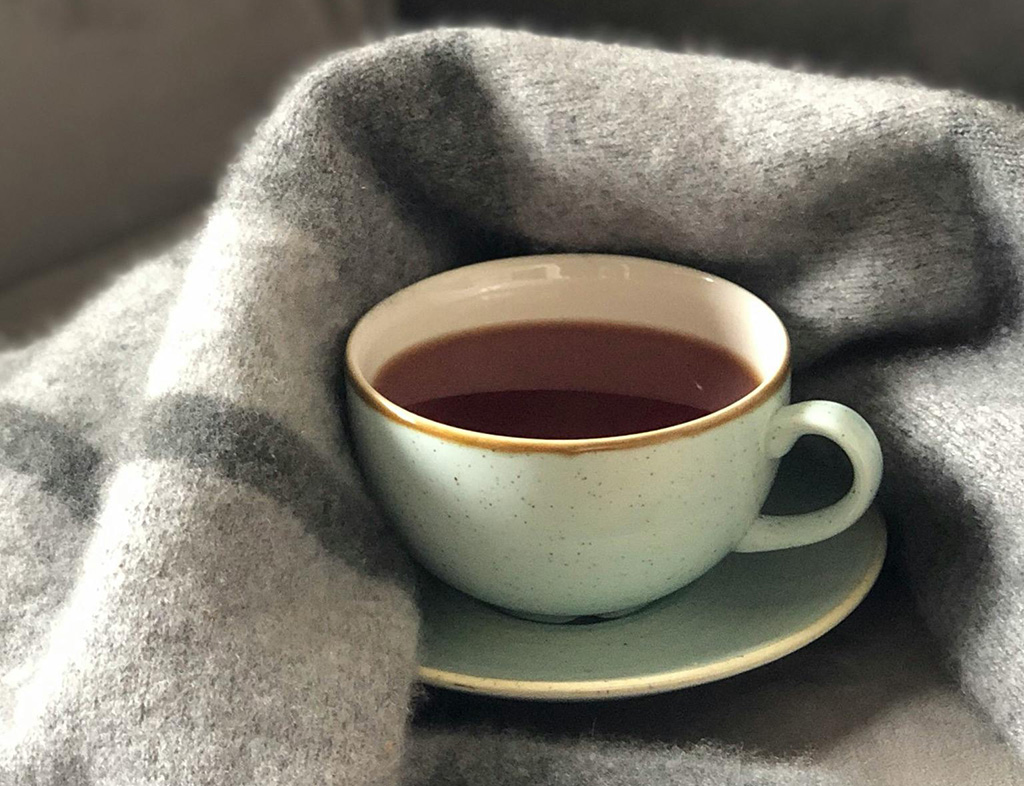
Avoid excessive coffee consumption when you are tired due to insomnia.
Experts recommend that we limit our daily caffeine intake to a moderate level, around 400 mg.
In particular, caffeine is not a substitute for sleep. If you frequently feel tired, prioritize improving your sleep quality rather than relying solely on caffeine.
Exercise regularly
When we exercise, blood flow increases throughout the body, providing more oxygen to the brain. This helps improve cognitive functions such as learning, memory, and concentration.
Furthermore, exercise stimulates the production of serotonin, a neurotransmitter that improves mood. As a result, we feel happier, more optimistic, and experience less stress.
Just 30 minutes of exercise each day is enough to bring significant benefits to mental health.
Close your eyes and relax.
A short nap, usually only 10 to 20 minutes, is an effective way to recharge your body and mind, especially when feeling tired or stressed.
However, sleeping for too short a time (only 5 minutes) won't be enough for the body to rest, while sleeping for too long (around 30 minutes) can leave you feeling groggy and having trouble falling asleep at night.
Although it can't replace a good night's sleep, short naps still offer significant benefits. Research shows that short naps help reduce stress, improve health, and enhance concentration and memory.
Source: https://thanhnien.vn/can-lam-gi-sau-mot-dem-mat-ngu-185241031223150866.htm


































































































Comment (0)