

From April 22nd to April 28th, the "Weekly News" section of the Information Security Department ( Ministry of Information and Communications ) continues to provide information related to prominent online scams to help people raise awareness and improve their self-protection skills in cyberspace.
Scams targeting tourists and restaurant reservations during holidays are rampant.
According to the Information Security Department (Ministry of Information and Communications), this year's April 30th and May 1st holiday lasts for 5 days, so many people have plans to travel and relax. Taking advantage of this time, criminals have carried out a series of different travel scams to steal users' money.

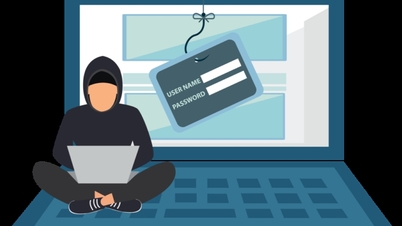
For example, fraudsters forge photos of receipts, invoices, and the seals of travel companies; after customers transfer money to pay for travel services, the fraudsters block communication and erase all traces. Some individuals exploit people's habit of booking tickets online to swindle money, causing many to buy fake train and bus tickets with altered information that are unusable.
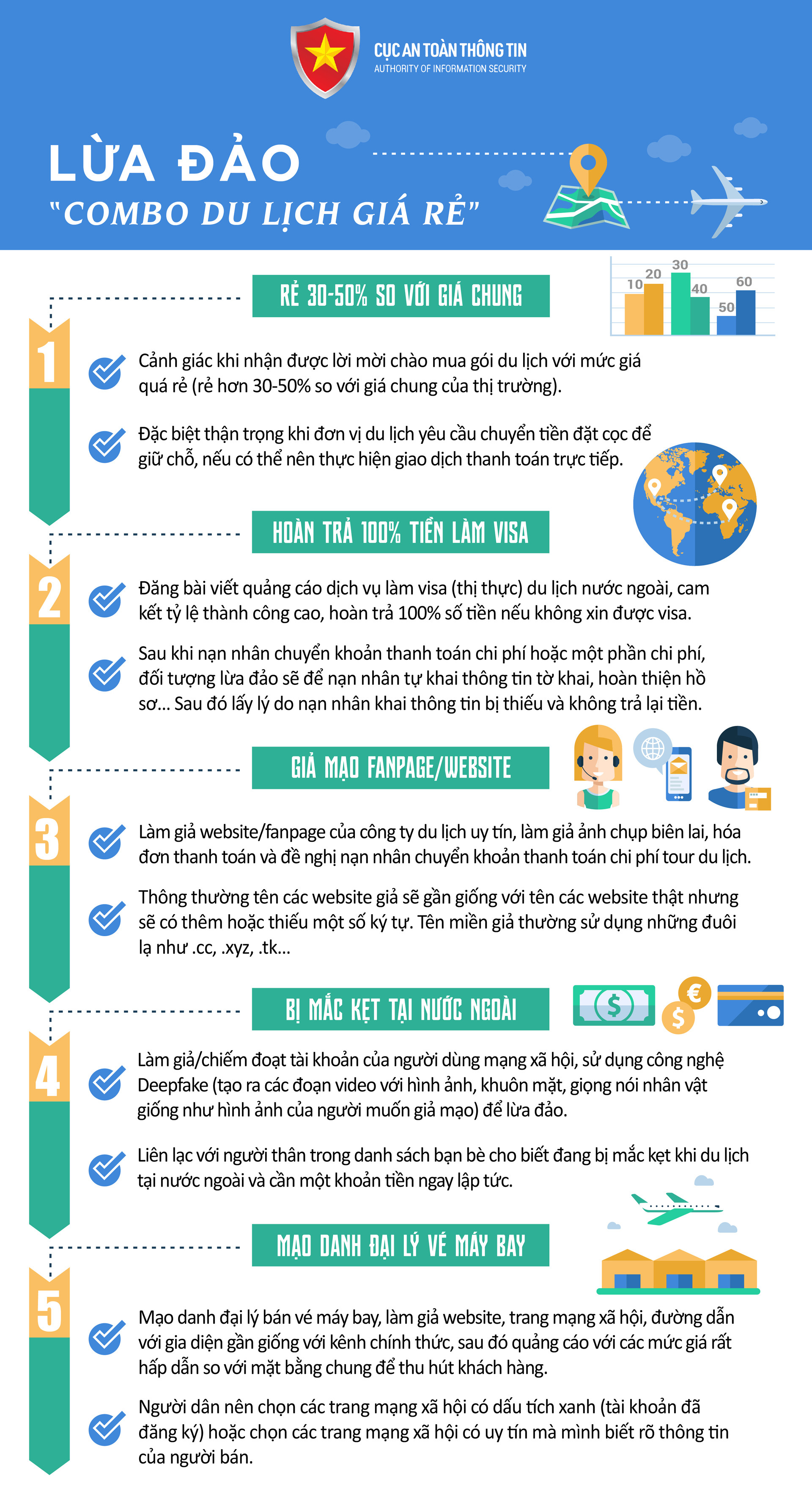
Along with advising people to be vigilant against various forms of travel scams, experts from the Information Security Department also warned about scams involving booking parties and restaurants during holidays to swindle money from restaurants and food service businesses.
Specifically, recently, several restaurants and catering services in Da Nang city have been defrauded of hundreds of millions of VND by scammers using the tactic of arranging parties and asking customers to buy alcohol and food for them.
To prevent and deter the aforementioned type of fraud, the Cybersecurity Department advises citizens and restaurants, food service businesses, and accommodation establishments to further enhance their vigilance and carefully verify information when receiving online catering orders via telecommunications networks and social media to avoid being scammed; at the same time, they should widely share and warn about this fraudulent scheme.
Restaurant owners and food service businesses should also avoid accepting bank transfers or making payments on behalf of unknown individuals. They should carefully check the contents of the receipt and only proceed when they are certain that their account has received the money from the sender. If they detect any suspicious activity that appears to be fraudulent, they should promptly report it to the nearest police station for appropriate legal action.
Warning: Increased Deepfake scams.
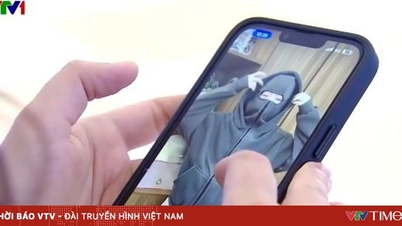
According to the Information Security Department, Deepfake – a technology using artificial intelligence to create fake, realistic-looking videos – poses a significant threat to Vietnamese internet users. Recently, cybercriminals have frequently used Deepfake video calls to impersonate individuals and borrow large sums of money from their relatives and friends.
The perpetrators impersonate and hijack social media accounts, contacting relatives on the victim's friend list, claiming to be stranded while traveling abroad and needing money immediately. Using Deepfake technology, they make video calls to make the victims believe they are talking to their relatives, and the need for money is genuine.
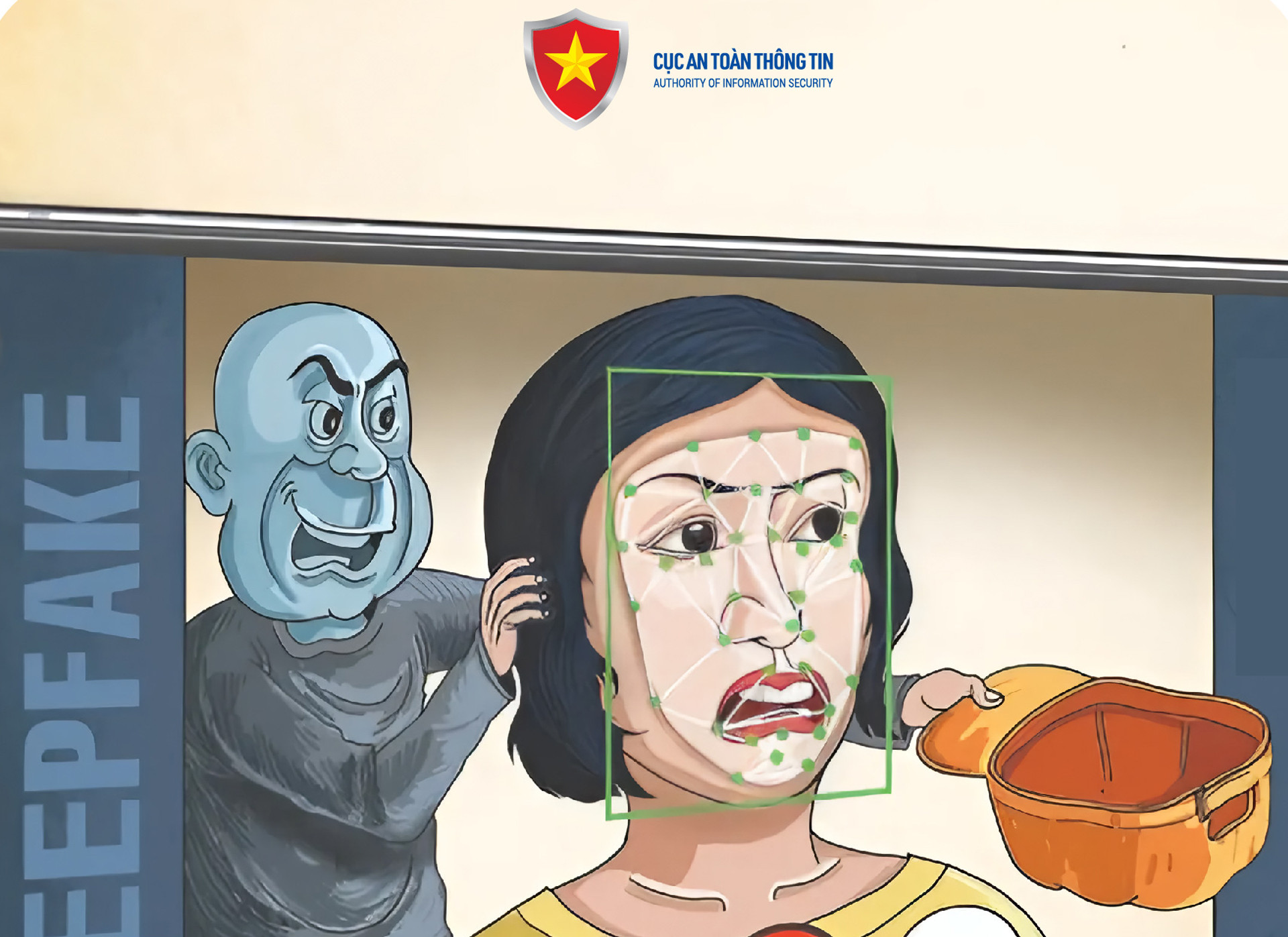
The Information Security Department advises users to utilize AI tools such as 'Intel FakeCatcher' and 'Microsoft Video Authenticator' to identify deepfakes and minimize the success rate of scams. For deepfake videos, some tools can help identify mismatched movements between the mouth and speech.
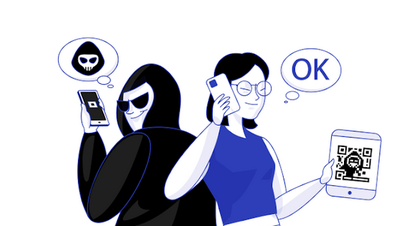
People should also be aware that they should not provide personal information such as national identity cards, bank accounts, or OTP codes, and should not transfer money to strangers via phone, social media, or websites with fraudulent characteristics. When receiving requests for loans or money transfers via social media, they should use other verification methods such as traditional phone calls or other communication channels to confirm the information.
Fraudulent schemes related to social insurance policies to misappropriate assets.
Taking advantage of people's trust in social insurance and health insurance policies, recently some individuals have impersonated officials of the Vietnam Social Insurance to defraud and steal property from people when they go through procedures related to these policies.
Specifically, Mr. NTT, residing in Ho Chi Minh City, was recently scammed by an individual impersonating a social insurance employee, offering assistance in creating, submitting, and processing insurance documents, with a service fee of 900,000 VND. Mr. NTT provided his personal information, a photo of his citizen ID card, and his social insurance book to the scammer. The scammer sent the victim a fake image of the document being accepted and requested a fee transfer. After transferring money to the scammer's account twice and receiving no response after messaging to inquire about the results, Mr. NTT realized he had been deceived.
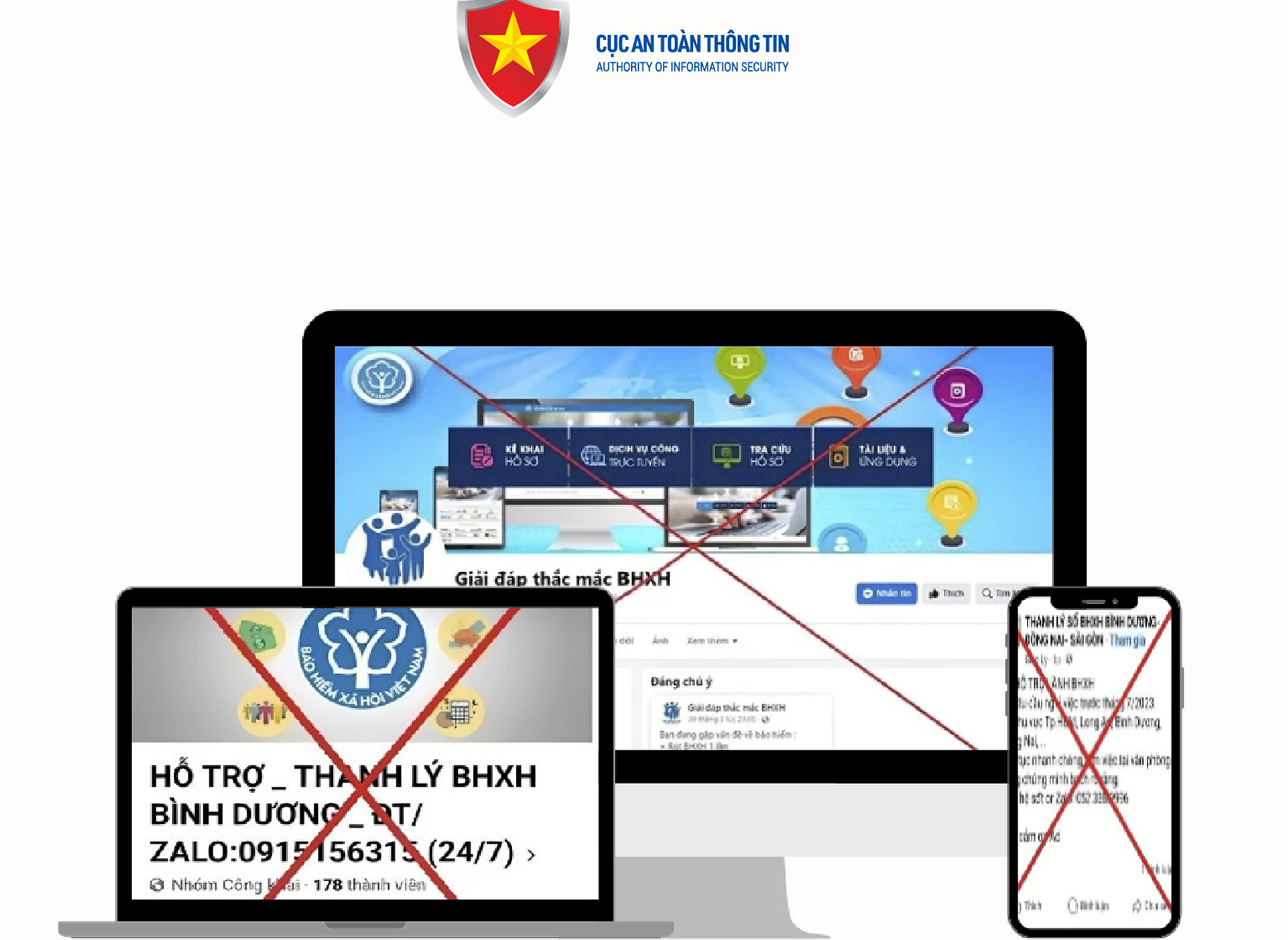
The Cybersecurity Department urges citizens to increase their vigilance; to educate themselves about laws and policies related to social insurance, unemployment insurance, and health insurance, as well as to stay updated on the methods and tactics of cybercriminals to avoid falling into online scams.
The agency also informed that in case of difficulties when carrying out administrative procedures of the social insurance sector, people can contact the Customer Support and Service Center of Vietnam Social Insurance via hotline '1900.9068' or phone number '0243.7899999' (during business hours) for assistance.
Scamming tens of billions of VND through a fraudulent scheme using the guise of charity donations.
L.D.H., residing in Ho Chi Minh City, has been served with an indictment and arrest warrant by the Da Nang City Police for the crime of fraud and misappropriation of property. Using social media accounts such as 'One Heart Towards Buddha - Nun Chuc Tu', 'Miraculous Buddhist Teachings - Nun Nhan Do', 'Nun Tam Phuc', 'Miraculous Buddhist Teachings - Nun Tam Ha', etc., the suspect regularly posted images of unfortunate circumstances along with articles soliciting charitable donations to numerous personal bank accounts. Through this scheme, the suspect misappropriated charitable funds from many people, totaling tens of billions of VND.
Given this situation, the Cybersecurity Department recommends that people carefully research charitable activities and support initiatives on social media. To ensure that kindness is directed to the right places, those with charitable intentions should choose funds and programs organized by the state, organizations, social funds, or charitable foundations licensed by competent authorities. In case of suspected fraudulent activities or misappropriation of assets, people should report it to the nearest police station for timely action.
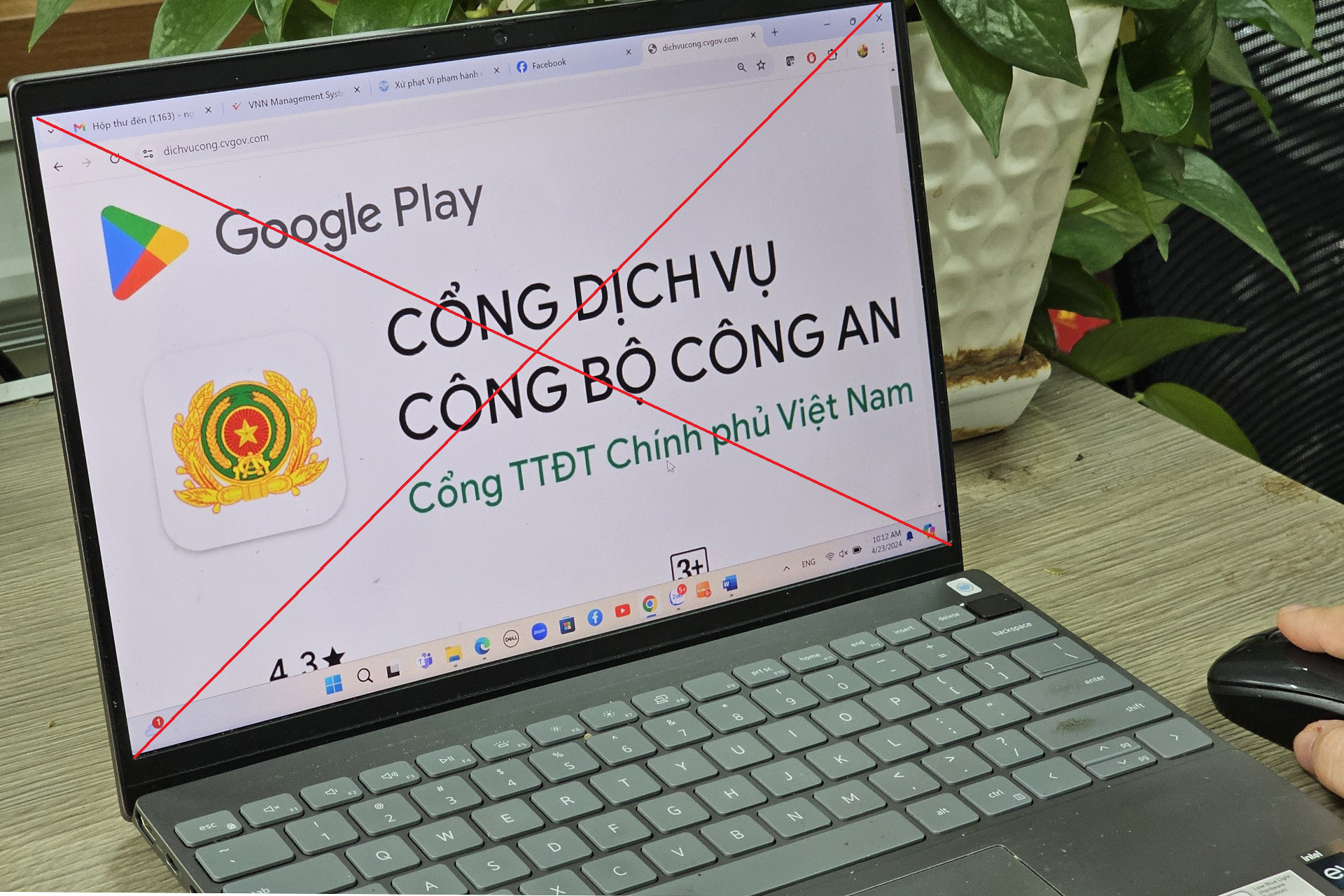
Source


![[Photo] Prime Minister Pham Minh Chinh attends the Conference on the Implementation of Tasks for 2026 of the Industry and Trade Sector](/_next/image?url=https%3A%2F%2Fvphoto.vietnam.vn%2Fthumb%2F1200x675%2Fvietnam%2Fresource%2FIMAGE%2F2025%2F12%2F19%2F1766159500458_ndo_br_shared31-jpg.webp&w=3840&q=75)


























































































Comment (0)