

Health news update October 20th: Be vigilant about cardiovascular, kidney, and metabolic diseases.
According to Dr. Nguyen Trong Khoa, Deputy Director of the Department of Medical Examination and Treatment Management, cardiovascular, renal, and metabolic diseases are currently a particularly important issue requiring attention.
Be vigilant about cardiovascular, kidney, and metabolic diseases.
According to Mr. Khoa, with the number of diabetes patients worldwide reaching 537 million, heart failure patients over 60 million, and especially chronic kidney disease patients over 850 million, this represents a significant burden of disease on the health of the population and the healthcare system of each country.
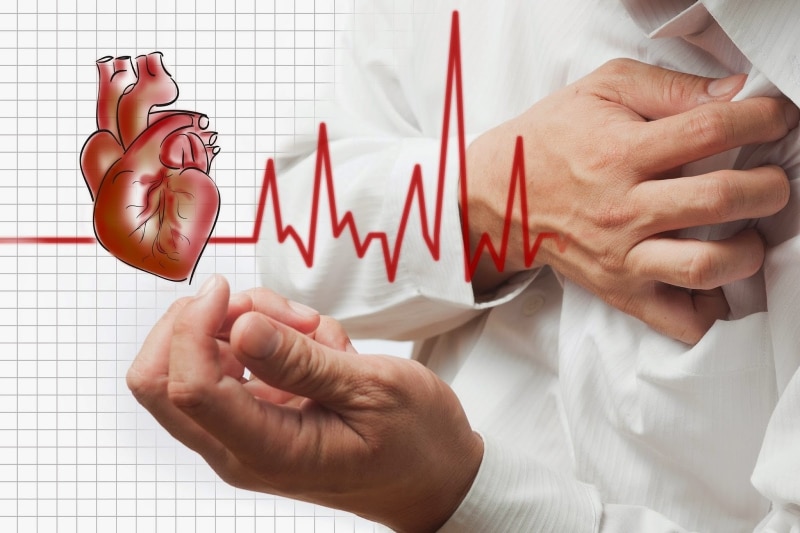 |
| Cardiovascular, renal, and metabolic diseases are a particularly important issue requiring attention today. |
Co-morbidities involving cardiovascular, renal, and metabolic diseases are becoming a major challenge in modern healthcare. These conditions not only increase the burden of disease on the healthcare system but also severely impact the quality of life for patients and their families, especially the elderly who often have multiple illnesses requiring care and treatment simultaneously.
According to the head of the Department of Medical Examination and Treatment Management, the Ministry of Health has been making efforts to promote programs for the prevention, control, and management of non-communicable diseases, including cardiovascular diseases, kidney and urinary tract diseases, and metabolic disorders, over the years.
Diagnostic guidelines for cardiovascular diseases, endocrine-diabetes, and nephrology/urology have been issued quite comprehensively and are regularly updated, providing healthcare facilities with practical materials and improving the quality of disease management and treatment.
However, the current reality demands a more holistic and multifaceted approach, particularly interdisciplinary collaboration among cardiology, nephrology, and endocrinology specialists.
Dr. Duong Huy Lieu, Chairman of the Health Economics Science Association, also believes that cardiovascular, renal, and metabolic diseases often co-occur and exacerbate each other, worsening the patient's prognosis and adding a burden to diagnosis, treatment, and the healthcare system if not comprehensively screened, detected, treated, and managed across all three aspects.
Further information on the burden of cardiovascular disease, according to Professor Nguyen Thi Thu Hoai, Deputy Director of the Vietnam National Heart Institute, indicates that cardiovascular, renal, and metabolic diseases often severely reduce patient life expectancy, especially if they coexist.
Diabetes and hypertension account for over 80% of end-stage renal disease (ESKD) cases globally. Cardiovascular disease affects 40% of people with diabetes, and at least 30% of people with diabetes have cardiovascular disease.
Cardiac dysfunction increases the burden on the kidneys and metabolism. Cardiac abnormalities affect the progression and outcome of kidney and metabolic diseases.
In Vietnam, 55% of type 2 diabetes patients have developed complications, and the cost of treating complications accounts for 70% of the total cost of diabetes treatment. Among these complications, the treatment of cardiovascular complications is the most expensive.
More emergency room visits and near-fatal incidents due to drinking alkaline water for medicinal purposes.
According to Bach Mai Hospital, they have recently received many patients suffering from poisoning due to drinking alkaline water for medicinal purposes. A typical example is patient PTM (60 years old, Tan Dan, Soc Son, Hanoi), who was admitted in a state of extreme fatigue, weakness in the limbs, and persistent vomiting for several days, including vomiting gastric fluid and bile.
The patient was transferred to the Poison Control Center at Bach Mai Hospital with a diagnosis of alkaline water poisoning, metabolic alkalosis, and hypokalemia. Blood test results for patient M clearly showed several abnormal indicators.
According to the patient, due to various stomach, duodenal, and colon problems, thyroid tumors, numbness in the hands and feet, etc., when she heard from villagers about a place in the area where drinking water could cure all diseases, Mrs. M also went there and asked for treatment.
“There, they didn’t examine me; they only asked about my condition and instructed me on treatment: I had to drink water from a water filter every day, possibly with a little salt added to make it easier to drink, and not eat anything. I had to drink at least 5-6 liters of water a day for about 10-15 days,” Ms. M said about the treatment plan.
However, after less than 5 days of drinking water and fasting, Mrs. M was unable to stand, began vomiting continuously, and had to be hospitalized for emergency treatment.
Previously, Bach Mai Hospital had received a cluster of patients who also used a type of water advertised as alkaline water to treat their illnesses.
These three patients, suffering from kidney failure and undergoing dialysis at Lai Chau General Hospital, stopped their dialysis and went to Thanh Oai to drink water as a cure, following the same method as patient M in Soc Son: drinking 6 liters of water daily and completely fasting for 15-20 days. However, after only about 2-3 days of drinking, these patients experienced shortness of breath and coma, requiring emergency medical attention.
Patients with altered consciousness, respiratory failure, severe myocardial damage, and acute pulmonary edema due to fluid overload complications on a background of chronic kidney disease were immediately intubated, ventilated, and given emergency hemodialysis upon admission.
Notably, the blood test results showed very high levels of urea, potassium, and creatinine: urea was three times higher than normal, and creatinine was 10-15 times higher than normal.
These patients were fortunate to receive timely dialysis, avoiding death, and were treated until their condition stabilized, allowing them to return to their scheduled hemodialysis sessions to maintain their health and lives.
Angina pectoris can be a warning sign of a dangerous disease.
The man experienced sudden pain in his left chest, radiating to his arm and worsening with exertion. Upon admission to the hospital, he was diagnosed with coronary artery stenosis.
Mr. PVT, 64 years old (residing in Quang Ninh), was admitted to Bai Chay Hospital (Quang Ninh) for emergency treatment with left chest pain radiating to his arm, which worsened with exertion.
The results of the examination and coronary angiography showed that the patient had 90% coronary artery stenosis. Dr. Dinh Danh Trinh, Deputy Head of the Cardiology Department, and his team performed an intervention to place two stents in the narrowed segment. Following the intervention, the patient's health has stabilized.
Dr. Trinh explained that unstable angina occurs due to a sudden reduction in coronary blood flow to the heart muscle, usually caused by atherosclerosis leading to partial or complete blockage of the blood vessel lumen.
Symptoms of unstable angina are more severe and prolonged. Angina attacks tend to occur more frequently, with increasing intensity.
Unstable angina can lead to myocardial infarction and be life-threatening if not treated promptly.
Several factors increase the risk of unstable angina, such as smoking, atherosclerosis (brittle and stiff arteries), a history of hypertension, diabetes, and obesity. In addition, age, gender, and race also contribute to the risk of unstable angina.
To prevent unstable angina and coronary artery disease, Dr. Trinh advises people to adopt a healthy lifestyle, avoid alcohol, tobacco, and stimulants; have a reasonable work and rest schedule, avoid stress; and follow a scientific diet with sufficient nutrients.
Daily exercise helps improve health and boost immunity; maintain a healthy weight, and avoid being overweight or obese. Importantly, unlike stable angina, unstable angina can occur at any time before a heart attack. Without proper prevention and treatment, patients are at high risk of death.
Therefore, when experiencing symptoms of unstable angina, patients should consult a doctor to determine the cause and accurately assess their health condition in order to receive timely intervention.
![[Photo] Prime Minister Pham Minh Chinh attends the Conference on the Implementation of Tasks for 2026 of the Industry and Trade Sector](/_next/image?url=https%3A%2F%2Fvphoto.vietnam.vn%2Fthumb%2F1200x675%2Fvietnam%2Fresource%2FIMAGE%2F2025%2F12%2F19%2F1766159500458_ndo_br_shared31-jpg.webp&w=3840&q=75)






































































































Comment (0)