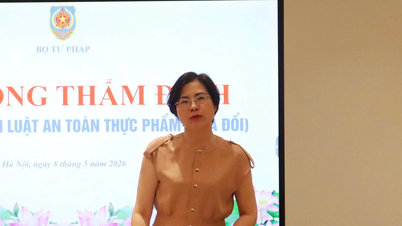
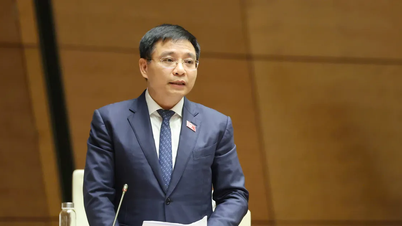
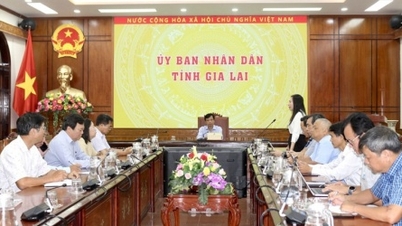
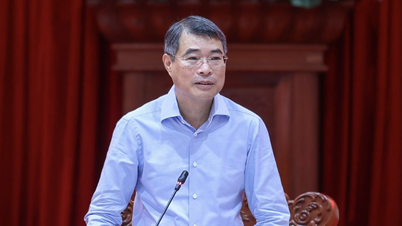
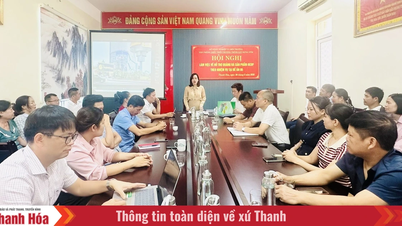
Recently, Deputy Minister of Health Do Xuan Tuyen, Deputy Head of the Drafting Team, chaired a conference to gather feedback both in person and online on the draft Law on Food Safety (amended).

|
This revision of the Food Safety Law is not only a necessary legal adjustment but also an important step in building a safe, transparent, and responsible food environment. |
At the conference, the Deputy Minister stated that the sixth draft of the Law had been finalized and publicly posted on the Government and Ministry of Health 's electronic information portals for widespread feedback, and also sent to central and local ministries and agencies for compilation and comments.
The draft Law on Food Safety (amended) consists of 11 chapters and 51 articles, comprehensively addressing issues such as the rights and obligations of organizations and individuals in ensuring food quality and safety; production and business conditions; import and export; advertising and labeling; testing, risk assessment and risk management; information, communication and state management.
Deputy Minister Do Xuan Tuyen emphasized that the amendment of the law needs to ensure consistency, feasibility, practicality, and effective resolution of the issues at hand.
To develop the draft in a systematic manner, the Ministry of Health conducted a review of 12 years of implementing the current Food Safety Law, clearly identifying limitations and shortcomings in management.
Specifically, some regulations lack consistency within the legal system, and many provisions are no longer relevant to current practices. The management system has not been able to effectively control product quality, especially for functional foods, during production and distribution.
The organizational structure for food safety management is still overlapping, inconsistent, and not streamlined. Post-inspection and monitoring after food products have been self-declared or registered remain lax. The prevalence of substandard and counterfeit food is still widespread, causing public concern.
Furthermore, there is currently a lack of mechanisms for revoking certificates or suspending public services when violations are detected. The division of responsibility between the production facility and the entity that registers the product is also unclear.
Some specialized products, such as medical nutritional foods, dietary supplements, and baby food, are not yet required to implement advanced food safety management systems like HACCP. These are issues that need to be addressed in this revision.
Deputy Minister Do Xuan Tuyen requested that central ministries and agencies continue to participate in providing feedback, and also urged the Departments of Health in provinces and cities to promptly advise the provincial People's Committees to send written feedback to the Ministry of Health for compilation and submission to the Government and the National Assembly on schedule.
He also noted that the draft needs to clarify issues related to management focal points, administrative reform, decentralization, delegation of authority, post-inspection, food circulation licensing, application of information technology in databases, risk assessment, and risk warning; strengthening administrative penalties, managing online food businesses, and clearly defining the responsibilities of each ministry and sector in the implementation process.
According to the plan, the draft Law on Food Safety (amended) will be submitted to the National Assembly in October 2025. This is an important opportunity to complete the legal framework, ensure consumer rights, and create favorable and transparent conditions for food production and business activities.
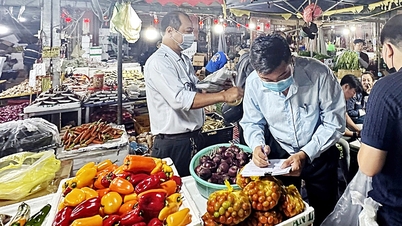
In fact, many localities have recently made strong proposals to tighten management and handle violations in the field of food safety.
In Hanoi, the Department of Health has proposed doubling the penalties for violations compared to current regulations. According to Mr. Vu Cao Cuong, Deputy Director of the Hanoi Department of Health, increasing the penalties is necessary to enhance deterrence, raise awareness and responsibility among organizations and individuals involved in food businesses, protect public health, and build trust within the community.
However, to ensure effectiveness, many believe that detailed guidelines are needed, clearly classifying violations in order to apply appropriate penalties.
Less serious offenses should not be punished too severely, to avoid putting unnecessary pressure on small businesses such as street vendors.
In addition, it is necessary to encourage community participation in food safety monitoring through mechanisms such as hotlines and rewards for whistleblowers to create a more transparent and effective monitoring environment.
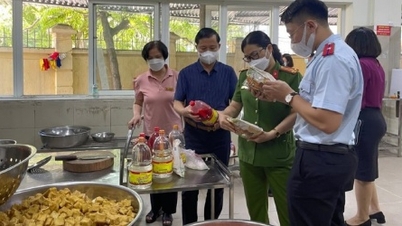
According to Government Decree No. 115/2018/ND-CP, violations in food service businesses such as failing to ensure hygiene conditions, using substandard water sources, not implementing the three-step food inspection process, and not retaining food samples... are all subject to strict penalties ranging from 1 to 200 million VND depending on the severity of the violation and whether the violator is an individual or an organization.
Specifically, organizations that violate the regulations will be fined double the amount imposed on individuals, and may face even higher fines if the value of the infringing food exceeds the fixed penalty limit.
In addition to fines, establishments may also have their operations suspended for 1 to 3 months if violations are serious, especially for employing staff with infectious diseases in food processing. This is one of the strong measures aimed at ensuring public health and improving food quality.
This revision of the Food Safety Law is not only a necessary legal adjustment but also an important step in building a safe, transparent, and responsible food environment.
Every business and individual operating in the food sector needs to be fully aware of their responsibilities and strictly comply with legal regulations, contributing to building a healthy food system, protecting people's health, and promoting sustainable economic development.
Source: https://baodautu.vn/cap-thiet-sua-doi-luat-an-toan-thuc-pham-d338456.html





















































































Comment (0)