

Vaccination is an effective way to prevent respiratory infections, especially pneumonia. Besides immunity, children are particularly susceptible to respiratory illnesses if they are frequently exposed to cigarette smoke, live in crowded or unsanitary conditions, or have chronic health problems such as asthma, according to the UK health website Medical News Today .

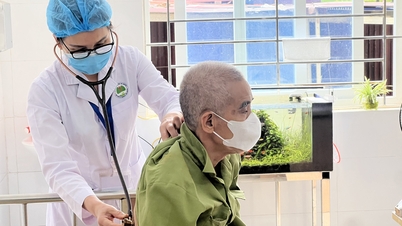
Severe pneumonia in children can cause shortness of breath, chest pain, and dehydration.
Respiratory illnesses, if left untreated, can have serious consequences for children. Common symptoms include coughing, wheezing, sore throat, nasal congestion, and fever. In severe cases, the illness can cause shortness of breath, chest pain, dehydration, and even life-threatening pneumonia. When this happens, parents must immediately take their child to the hospital.
To prevent pneumonia and other respiratory illnesses in children, parents need to be aware of risk factors and take steps to minimize the impact of the disease. This may include encouraging healthy habits, such as requiring children to wash their hands frequently and avoiding exposure to cigarette smoke.
Regarding handwashing, parents should ensure children wash their hands before eating or touching their faces. Parents should also clean and disinfect surfaces that children frequently touch, such as doorknobs, light switches, and toys. Good hygiene practices will help prevent the spread of germs and reduce the risk of infection.
For children with underlying health problems, such as asthma, parents should take them for regular check-ups and receive appropriate treatment. This will help reduce the risk of developing the disease.
One of the most important things parents can do to prevent respiratory illnesses in children is to ensure they are well-nourished and hydrated. These two things will help boost their immune system and reduce the risk of infection.
Parents should also encourage their children to eat a balanced and nutritious diet with fruits, vegetables, and whole grains. In addition, they should limit sugary drinks because high sugar intake can make the body more susceptible to inflammation, according to Medical News Today .
Source link




























































![[Video] Sunset at Lap An Lagoon – Where the sun sets over the fishing nets](https://vphoto.vietnam.vn/thumb/1200x675/vietnam/resource/IMAGE/2026/05/31/1780192137701_beach-landscape-sea-water-nature-grass-745871-pxhere-com.jpeg)








































Comment (0)