

Post-stroke healthcare is a long process that requires perseverance and strict adherence to your doctor's instructions.
Early post-stroke care is crucial for improving the chances of functional recovery in the affected brain and body. In many cases, stroke victims require years to recover. This recovery process begins once doctors have stabilized the stroke, including reducing blood pressure, restoring skills, and addressing risk factors for stroke.
- How should one care for their health after a stroke?
- Diet
- Physical activity
- Weight management
- Stress management
Each person's care regimen is different; it will depend on the patient's health condition.
The care and rehabilitation phase plays a crucial role in the treatment of stroke. Family members must create an environment where the patient can engage in plenty of physical activity.
How should one care for their health after a stroke?
- Diet
After a stroke, patients often have difficulty eating due to muscle weakness, difficulty swallowing, or loss of appetite. Providing sufficient energy and nutrients through a scientifically designed diet for stroke patients helps improve their health, rebuild and maintain muscles, support the immune system, and fight against harmful agents. A complete, balanced diet rich in potassium and fiber from green vegetables, fruits, and whole grains helps reduce the risk of stroke or stroke recurrence.
Food should be easily digestible and absorbable, and in soft or liquid form such as soup, porridge, or milk. Meals should be evenly distributed across 4-5 meals per day, and overeating should be avoided. Fermented foods (pickled vegetables, onions), processed foods, and stimulants such as spicy condiments, alcohol, tea, and coffee should be avoided.
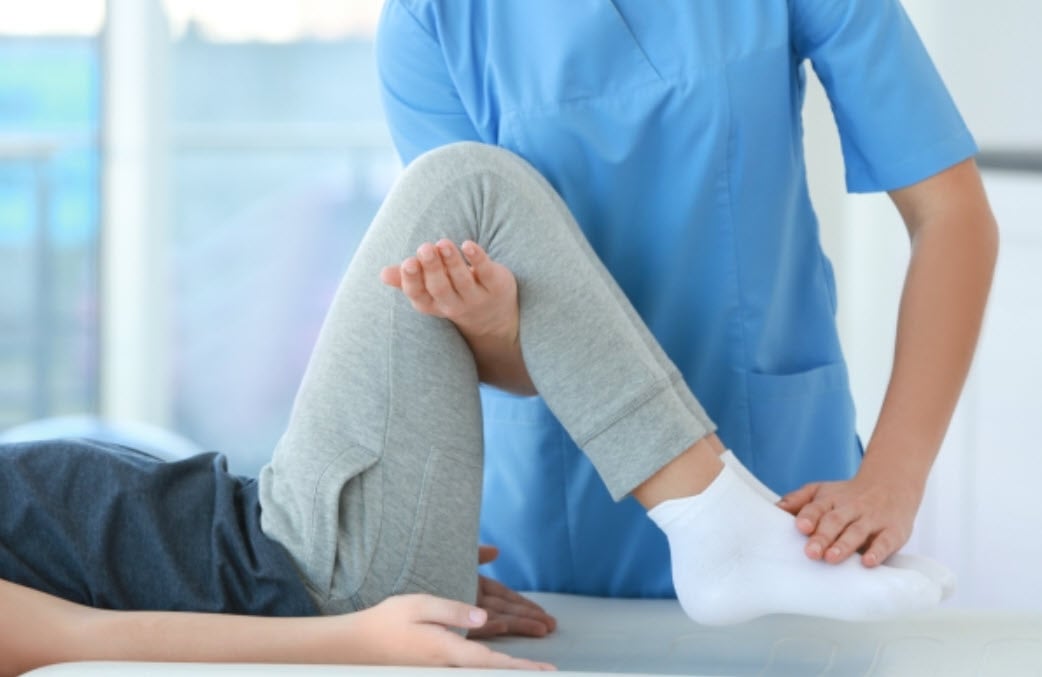
Early post-stroke healthcare is crucial for improving the chances of functional recovery in the affected brain and body.
The diet needs to be low in salt and water, as patients cannot excrete much salt and water, leading to venous congestion and edema, and impaired kidney function. If the patient has heart failure, the amount of water intake must depend on the amount of water excreted in 24 hours. Salt intake should be limited to 4-5g/day to reduce edema and help the kidneys excrete waste products from protein, fat, starch, and sugar metabolism.
The energy intake should be reduced to avoid weight gain and to lessen the burden on the digestive and circulatory systems. Energy intake should be limited to 30-35 kcal/kg/day. Energy sources should include vegetables, potatoes, beans, rice, noodles, and vermicelli.
Essential nutritional needs of stroke patients:
- Protein intake should be kept at 0.8g/kg/day. Choose foods low in cholesterol and high in plant-based protein (beans, soybeans, tofu) and animal protein (sea fish, freshwater fish, milk, lean meat...). If the patient also has kidney failure, reduce protein intake to 0.4 to 0.6 g/kg body weight/day.
- Fat intake should be kept at 25-30g per day, with 1/3 from animal fats and 2/3 from plant-based fats such as sesame and peanuts. Additionally, the fatty acids in vegetable oils can reduce the risk of stroke, especially from blood clots in the brain.
- Vitamins and minerals: found in ripe fruits, vegetables, and milk. They contain a lot of potassium, which has a diuretic effect, lowers blood pressure in patients, and counteracts acidosis (a condition where the concentration of acid in body fluids is above normal levels). On average, one banana contains 400 mg of potassium, equivalent to one glass of orange juice or one baked potato. People who consume less than 1500 mg of potassium per day have a 28% higher risk of stroke compared to those who consume 2300 mg of potassium per day.
In addition, to reduce the risk of stroke, you should eat bananas and other fruits and vegetables rich in potassium. Adequate vitamin C intake will help improve endothelial function and prevent the formation of blood clots in the arteries.
- Physical activity
Certain physical activities are essential for strengthening and coordinating muscles, reducing muscle tension, and increasing range of motion…
Practicing yoga is a good option for stroke recovery, especially for those with balance problems or a fear of falling. Yoga helps promote body movement, improve breathing, and boost mental well-being.
- Weight management
Maintaining a healthy weight and reducing body fat percentage is one way to control many risk factors for stroke. Weight gain or being overweight can increase blood pressure, dyslipidemia, and diabetes – leading risk factors for stroke. Conversely, excessive weight loss can weaken the patient, reduce immunity, and hinder effective rehabilitation.
To maintain a healthy weight, post-stroke patients need to develop a scientifically sound diet. Meals should be balanced across all food groups, prioritizing green vegetables, fresh fruits, whole grains, fish, and lean protein sources. Limiting salt, sugar, saturated fats, and processed foods helps to better control blood pressure and blood lipids.
Besides nutrition, exercise suitable for one's physical condition is indispensable. Rehabilitation exercises, gentle walking, or exercise guided by a professional help burn energy, maintain muscle mass, and improve cardiovascular health.
Weight management needs to be a long-term effort, combined with regular medical monitoring. By maintaining a healthy weight, stroke patients not only recover better but also improve their quality of life and reduce the risk of recurrence.
- Stress management
High stress levels are linked to an increased risk of stroke. Prolonged stress can increase blood pressure, disrupt sleep, impair concentration, and slow neurological recovery. Therefore, stress management plays a crucial role in the holistic care of stroke patients.
First and foremost, patients need timely psychological support from family and healthcare professionals. Listening, sharing, and encouraging help patients reduce feelings of loneliness and helplessness. Maintaining a healthy lifestyle, such as getting enough sleep, eating a balanced diet, and limiting alcohol and stimulants, also contributes to stable mood.
In addition, relaxation techniques such as deep breathing, meditation, gentle yoga, or listening to music can help reduce anxiety and improve mood. Participating in regular rehabilitation and setting small, achievable goals will help patients regain self-confidence.
Effective stress management not only helps stroke patients recover more effectively but also contributes to preventing recurrence and improving long-term quality of life.
Source: https://suckhoedoisong.vn/cham-care-nguoi-benh-sau-dot-quy-169260122232607693.htm



![[Image] Shipbuilders exposed to steel and record-breaking heat.](https://vphoto.vietnam.vn/thumb/1200x675/vietnam/resource/IMAGE/2026/06/04/1780545781745_ndo_br_img-5402-4683-jpg.webp)











































![[Video] Sunset at Lap An Lagoon – Where the sun sets over the fishing nets](https://vphoto.vietnam.vn/thumb/1200x675/vietnam/resource/IMAGE/2026/05/31/1780192137701_beach-landscape-sea-water-nature-grass-745871-pxhere-com.jpeg)

































Comment (0)