

Despite favorable conditions for attracting investment and development, the agricultural, forestry, and fisheries processing sector has not yet been exploited to the extent commensurate with the province's potential and advantages...
Binh Thuan currently possesses over 270,000 hectares of agricultural land and has concentrated raw material areas such as rubber trees (over 42,000 hectares, producing 50,000 tons), dragon fruit trees (over 27,000 hectares, producing 500,000 tons)... It also has a fairly large area of forest land with 346,278 hectares, with a reserve of approximately 353 million cubic meters of timber (of which production forests account for 172,735 hectares). In addition, Binh Thuan is one of the three largest fishing grounds in the country with an average annual catch of 197,000 tons, along with an area of approximately 4,100 hectares for aquaculture of various types... With the aforementioned potential and advantages, the locality is capable of meeting the raw material needs of large-scale agricultural, forestry, and seafood processing plants. However, in recent times, the situation regarding attracting investment projects in this sector in the province, especially in industrial parks, has been quite modest.
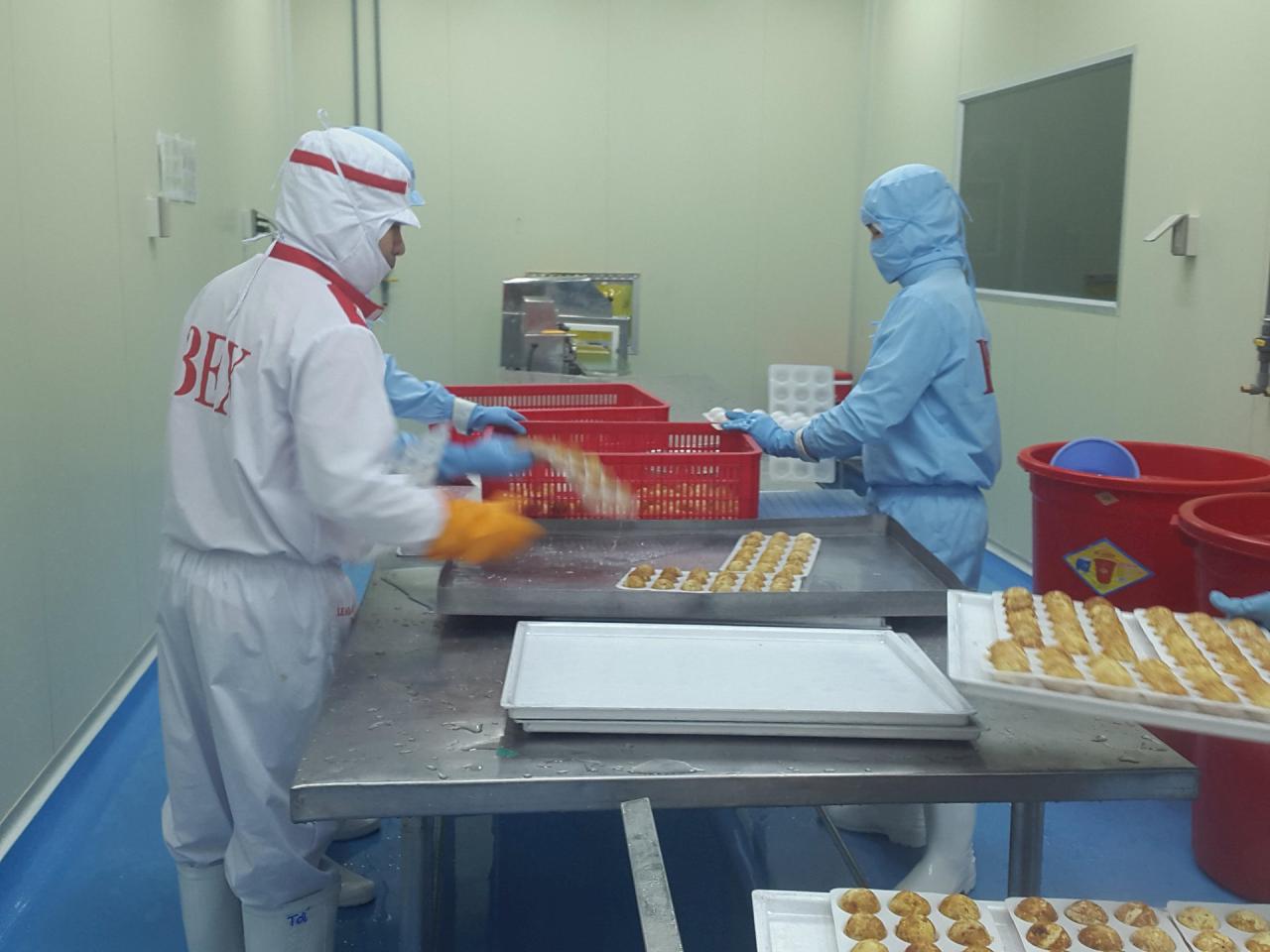
According to the Binh Thuan Industrial Parks Management Board, to date, 19 out of 88 projects in the province's industrial parks are involved in production and business in the agricultural, forestry, and fisheries sectors, with a total investment of VND 388.67 billion and USD 34.78 million. Currently, most projects have commenced operations and created jobs for nearly 2,900 workers, mainly in agricultural product processing (11 enterprises), seafood processing (6 enterprises), and wood processing (2 enterprises)... In 2022 alone, enterprises in the agricultural, forestry, and fisheries sectors in the province's industrial parks achieved a revenue of VND 4,175.9 billion, contributing USD 149.6 million to the state budget and VND 25.7 billion in tax revenue. Of this, the agricultural, forestry, and fisheries sector accounted for 42.89% of the total revenue of the entire industrial park.
Upon investigation, it was found that among the 6 seafood processing businesses, 4 are operating stably, 1 has switched to processing bird's nest products, and the remaining one has been under construction for a long time but has not yet become operational. Regarding agricultural processing, many businesses have registered to implement projects in industrial parks, but mainly only participate in preliminary processing and packaging for exporting fresh dragon fruit to the Chinese market. There are also businesses specializing in processing dried dragon fruit, but the product has very low sales, and the production of dragon fruit wine has ceased because the product did not suit consumer tastes… Meanwhile, the raw materials for producing wood products, cashew nuts, or processed seafood are almost entirely dependent on imports, as local resources have not been able to meet processing requirements (such as unstable production and variety…).
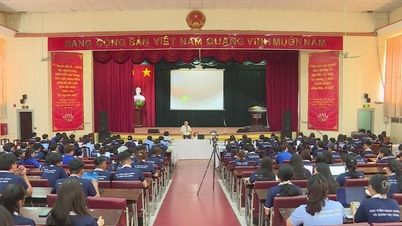
Therefore, at the Workshop on Promoting On-site Investment in the Agricultural, Forestry, and Fisheries Processing Sector recently organized by the Binh Thuan Industrial Parks Management Board, the existing shortcomings and limitations were frankly acknowledged. Although production and business activities have initially achieved some positive results, the agricultural, forestry, and fisheries processing sector has not yet exploited its potential and advantages to a level commensurate with its potential. In reality, Binh Thuan is currently the "dragon fruit capital" of the country, but processing and exporting dragon fruit faces many difficulties. The products are mainly semi-processed with low technological content and added value, while exports are overly dependent on the Chinese market, resulting in unstable outlets…
Therefore, going forward, the focus of attracting investment into industrial parks in this sector in the locality should be on deep processing and production along the value chain of each product. This includes encouraging businesses to research and invest in developing new products and deeply processed products, linked with joint ventures, partnerships, and cooperation to jointly invest and exploit potential and advantages for higher efficiency. At the same time, feasible solutions should be considered to gradually integrate Binh Thuan's processed agricultural products into the global supply chain, thereby contributing to the sustainable development of businesses and proactive integration into the international economy .
Source
![[Photo] Standing Committee member of the Party Central Committee Tran Cam Tu working with the Central Inspection Committee](https://vphoto.vietnam.vn/thumb/1200x675/vietnam/resource/IMAGE/2026/05/28/1779969579668_ndo_br_bnd-2495-jpg.webp)






































































Comment (0)