

1. The importance of diet for kidney stone patients
Kidney stones are a common disease that causes dull or intense pain in the lower back, which is extremely uncomfortable and can lead to many dangerous complications if not treated early.
Stone formation can be caused by factors such as: family history, underlying kidney disease, obesity, diabetes, inflammatory bowel disease, and especially an unhealthy diet, high salt intake, and insufficient water consumption.
In particular, the leading cause of kidney stones is dehydration, and in fact, most kidney stone patients do not drink enough water as recommended daily.
According to Dr. Trinh Hung, Deputy Head of the Nephrology and Rheumatology Department at Hospital 198, there are many causes of kidney stones, such as: an unhealthy diet (eating salty foods, high-protein foods, etc.); not drinking enough water or frequently holding back urine; improper use of medication; and certain medical conditions such as: stomach ulcers, diarrhea, Crohn's disease, vesicoureteral reflux, bladder diverticula, urinary tract infections, etc.
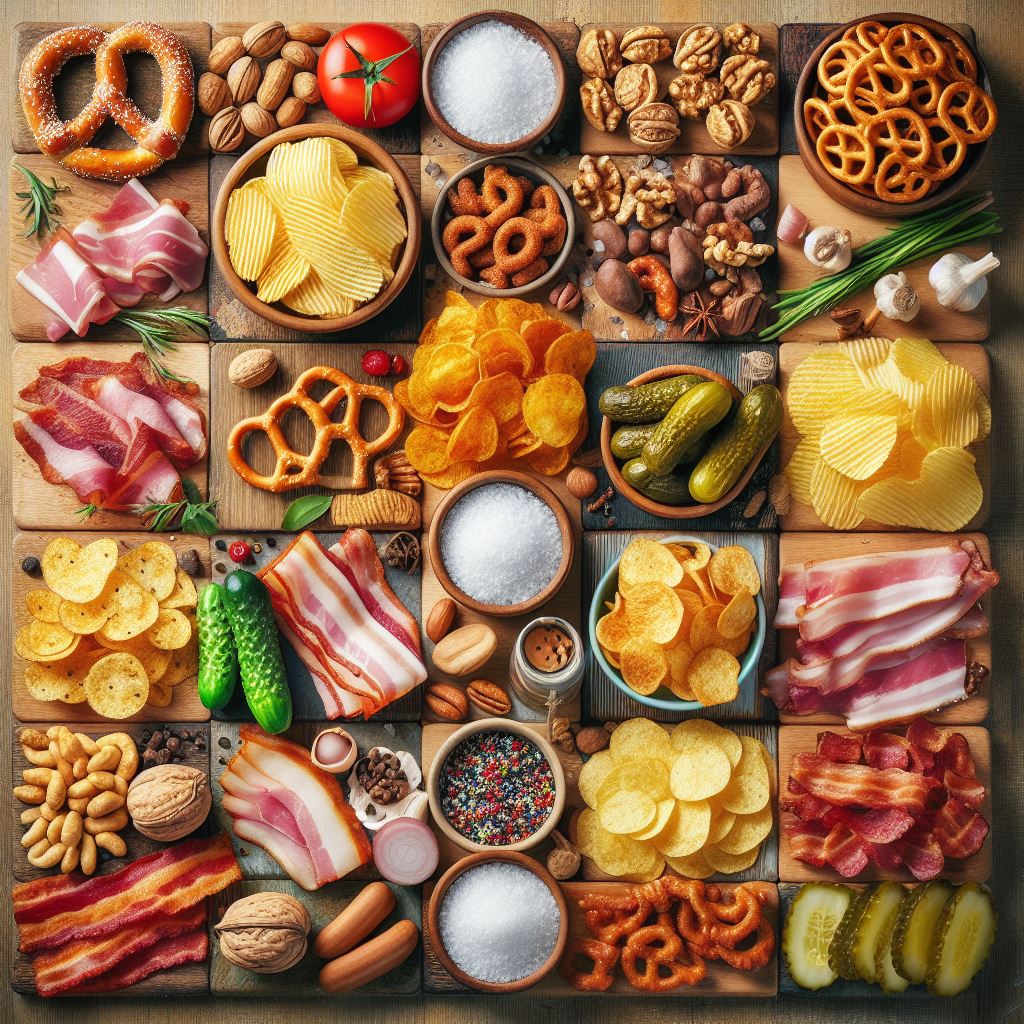
A diet high in salt and protein and low in water is a cause of kidney stones.
If kidney stones are detected but not treated promptly or correctly, complications can arise. The most common are urinary tract obstruction causing hydronephrosis, pyelonephritis, and recurrent infections. More severe cases can lead to acute kidney failure and complete loss of kidney function. Therefore, when experiencing symptoms of kidney stones, patients should seek prompt examination and treatment at a specialized medical facility.
To prevent the formation and recurrence of kidney stones, patients need to follow a healthy diet, maintain physical activity, and treat any underlying medical conditions that may contribute to stone formation.
2. Essential nutrients for people with kidney stones.
People with kidney stones should eat a healthy, balanced diet. They should eat plenty of fruits and vegetables. It's important to limit caffeine intake (tea, coffee), carbonated drinks, and artificially sweetened beverages. Alcohol should also be avoided because it dehydrates the body (due to metabolic products from alcohol increasing the need for renal excretion, leading to increased urine output).
According to Dr. Trinh Hung, people with kidney stones should remember to drink enough water, 2-3 liters per day. They should eat plenty of fiber and vegetables. At the same time, they need to reduce protein intake to 0.8-1g/kg/day and salt intake to 4-5g/day in their diet.
Drink plenty of water.
For people with kidney stones, drinking enough water is crucial. Research shows that water can help prevent the initial formation of stones. Drinking plenty of water can also help prevent recurrence in those who have previously had kidney stones. Increased water intake increases the volume of urine passing through the kidneys, diluting the concentration of minerals so they are less likely to crystallize and form clots.
Drinking enough water can help flush out kidney stones. More water leads to more urine output, meaning excess salts and minerals are eliminated from the body. Additionally, water helps move stones through the urinary tract, allowing them to be excreted in the urine.
Eat a moderate amount of protein.
Consuming excessive amounts of animal protein can contribute to kidney stone formation. In a healthy diet, approximately 10-35% of total calories should come from protein (meat, fish, poultry, legumes, nuts, and seeds).
Eat foods low in oxalates.
For people with kidney stones or at risk of developing kidney stones, a low-oxalate diet is often recommended because high levels of oxalates can accumulate in the kidneys, leading to the formation of kidney stones.
Oxalate is found in most plant-based foods in varying amounts across many fruits, vegetables, nuts, and seeds. However, there are also many nutrient-rich foods that are low in oxalate, making them suitable for people with kidney stones, such as:
- Fruits: bananas, cherries, mangoes, grapefruit, melons, grapes, papayas
- Vegetables: cauliflower, kohlrabi, chives, mushrooms, cucumber, cabbage, peas
- Protein: meat, poultry, seafood, eggs
- Dairy products: milk, cheese, yogurt, butter
- Grains: rice, corn bran, rye bread, noodles
- Drinks: water, herbal tea
Eat a balanced diet of calcium-rich foods.
Although high calcium levels in urine increase the risk of kidney stone formation, this does not mean that patients should completely avoid calcium-rich foods. If in doubt, consult your doctor or a nutritionist about your daily calcium needs. It's best to try to get calcium from food sources rather than supplements.

People with kidney stones should drink plenty of water.
3. Suggestions for some drinks that are good for people with kidney stones.
Water
This is the best option for reducing kidney stones. Pure water not only helps cool the body but also cleanses the ureters and aids in the elimination of kidney stones.
According to recommendations, a healthy person should drink about 8 glasses of water, equivalent to 2 liters, per day to compensate for the fluid lost through urine and sweat. This is the total amount of fluid we need to provide to the body, including plain water, other beverages, and foods containing a lot of water.
For people with kidney stones, it is necessary to drink at least 8-10 glasses (equivalent to 2-3 liters) of filtered water every day.
Fresh lemon juice
Drinking lemon water regularly can reduce the risk of kidney stone recurrence. Lemons contain citric acid, which helps dissolve salt and mineral crystals in the kidneys, reducing the size of kidney stones and making them easier to pass.
Fresh coconut water
Coconut water is rich in minerals and vitamins that help boost the body's immunity, and it also has a diuretic effect, preventing the accumulation of harmful substances that can lead to kidney stone formation.
Corn silk water
Corn silk has diuretic properties, helping to eliminate waste products and prevent the formation of stones.
Pineapple juice
Pineapple contains the enzyme bromelain and a rich amount of citric acid, which helps limit the accumulation of harmful substances in the kidneys. At the same time, pineapple juice increases urine output, fights bacteria, stimulates the digestive system, and strengthens the immune system, thereby preventing the formation of new kidney stones.
Pomegranate juice
Pomegranate juice is rich in antioxidants and helps cleanse the ureters, removing toxins from the kidneys and reducing the risk of kidney stone recurrence. Additionally, pomegranate juice lowers the acidity level in urine. Lower acid levels reduce the risk of future kidney stones.
Source





![[Photo] Standing Committee member of the Party Central Committee Tran Cam Tu working with the Central Inspection Committee](https://vphoto.vietnam.vn/thumb/1200x675/vietnam/resource/IMAGE/2026/05/28/1779969579668_ndo_br_bnd-2495-jpg.webp)




























































































Comment (0)