

Journalist Nguyen Uyen - Former Head of the Association Affairs Department - Vietnam Journalists Association : We must be serious about self-reflection, self-correction, self-cultivation, and self-improvement.
For over 60 years in journalism, I have always remembered the heartfelt and profound teachings of the infinitely beloved President Ho Chi Minh regarding the press and Vietnamese journalists. I always strive to learn from and truly act upon his words: "Journalism is revolution... Journalists are also soldiers" ...
Vietnamese journalists have always been trusted by the Party, loved by the people, and respected by society throughout the nation's glorious journey because they have always obeyed Uncle Ho and the Party, and have always reflected on their professional ethics. The Vietnamese press is always happy, proud, and honored by its achievements in humane, positive, and healthy propaganda in the struggle to build something new and better for people, society, and the country...
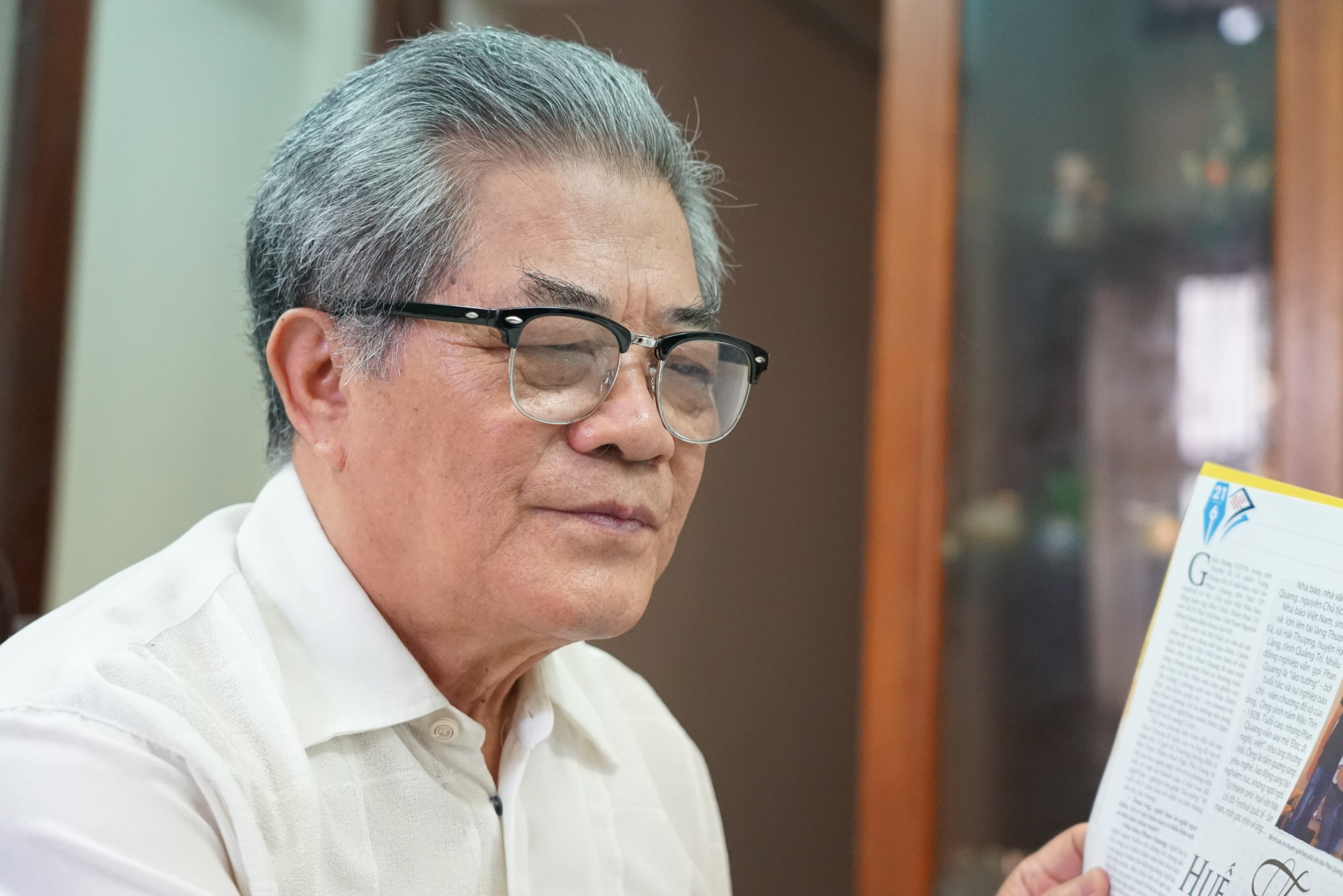
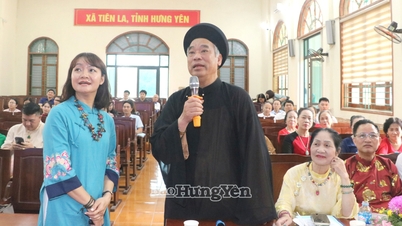
Journalist Nguyen Uyen.
We are truly saddened and outraged by journalists who violate ethics and laws out of personal cowardice, especially in recent cases of "money-grabbing." This is not to mention the acts of "stirring up trouble," threatening businesspeople and enterprises for personal gain; inconsistent writing and speaking; writing differently in print but acting like a depraved thug on social media... Although these are few individuals, the loss of credibility with the Vietnamese press is significant. The press cannot stand idly by, and the Journalists' Association cannot let this go unpunished. Press agencies absolutely cannot have such individuals within their newsrooms. The law needs to investigate and severely punish them as a deterrent!
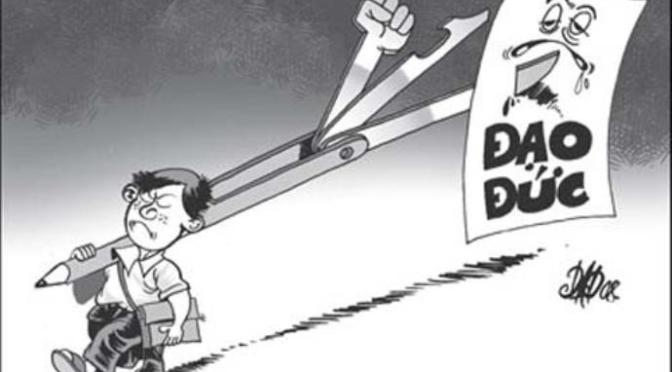
To truly embody the ideal of "Journalism is revolution," and "Journalists are also soldiers," journalists must throughout their lives follow President Ho Chi Minh's example of revolutionary ethics: loyalty to the country, devotion to the people; love for humanity; diligence, frugality, integrity, impartiality, and selflessness; and a pure international spirit. Only then can journalism be humane, positive, and healthy, keeping pace with the times. To achieve this, journalists must absolutely possess a beautiful heart and bright virtue. The heart is the soul of a person. The heart is consciousness, the center of feelings, emotions, thoughts, and actions. Feelings and consciousness are the root of the heart. The heart gives rise to good things, but also to bad things... Following what is good, right, and virtuous is a bright heart and a pure mind (as journalist Huu Tho once said)...
Therefore, to be a journalist, one must have the skills and a beautiful heart to hope to bring about good things for oneself, for people, and for society... Along with a good heart comes virtue. Virtue refers to the value and character of a person. "Dao" means path, "duc" means good character. Moral virtue is when a person possesses beauty in their life and soul, in their lifestyle and actions.
Ethical journalists know how to take control, always understanding what they need to do when working and writing news articles... They absolutely do not lie or misrepresent; they do not fabricate or seek personal gain; they do not allow themselves to be exploited by malicious individuals to do wrong... Therefore, to have beautiful ethics, one must constantly cultivate them. One must diligently self-reflect, self-correct, and self-cultivate, following the ethical example of the beloved revolutionary journalist Ho Chi Minh , ensuring that words match actions, and that construction goes hand in hand with combating wrongdoing. This means a lifelong commitment to cultivating and nurturing both personal ethics and the professional ethics of Vietnamese journalism. Naturally, this is also a significant responsibility from institutions that train journalists, those that employ journalists, and the Vietnam Journalists Association!
Mr. Dang Khac Loi - Deputy Director of the Press Department - Ministry of Information and Communications: Maintaining revolutionary spirit - an urgent and top priority task.
It is evident that President Ho Chi Minh's thoughts on journalism and journalists reflect the heavy but glorious responsibility of the press. In reality, throughout its development, journalism has made significant contributions to the national struggle for independence, the building and protection of the Fatherland, and the socio -economic development of the country. However, within the ranks of journalists, there are still some "rotten apples" who exploit the prestige of media organizations and the title of "journalist" for personal gain, causing public outrage.
In particular, with the increasing popularity of social media, some individuals currently or formerly working in media organizations are exhibiting "deviant" behavior when speaking online. Even within media organizations, some newsrooms are not strictly adhering to regulations, failing to tightly control content, publishing unverified, false, sensational, or clickbait information. These violations have been detected and dealt with in various ways, from warnings to administrative penalties; some journalists have even had their press cards revoked or faced criminal charges for serious violations. These are truly regrettable and sad events!
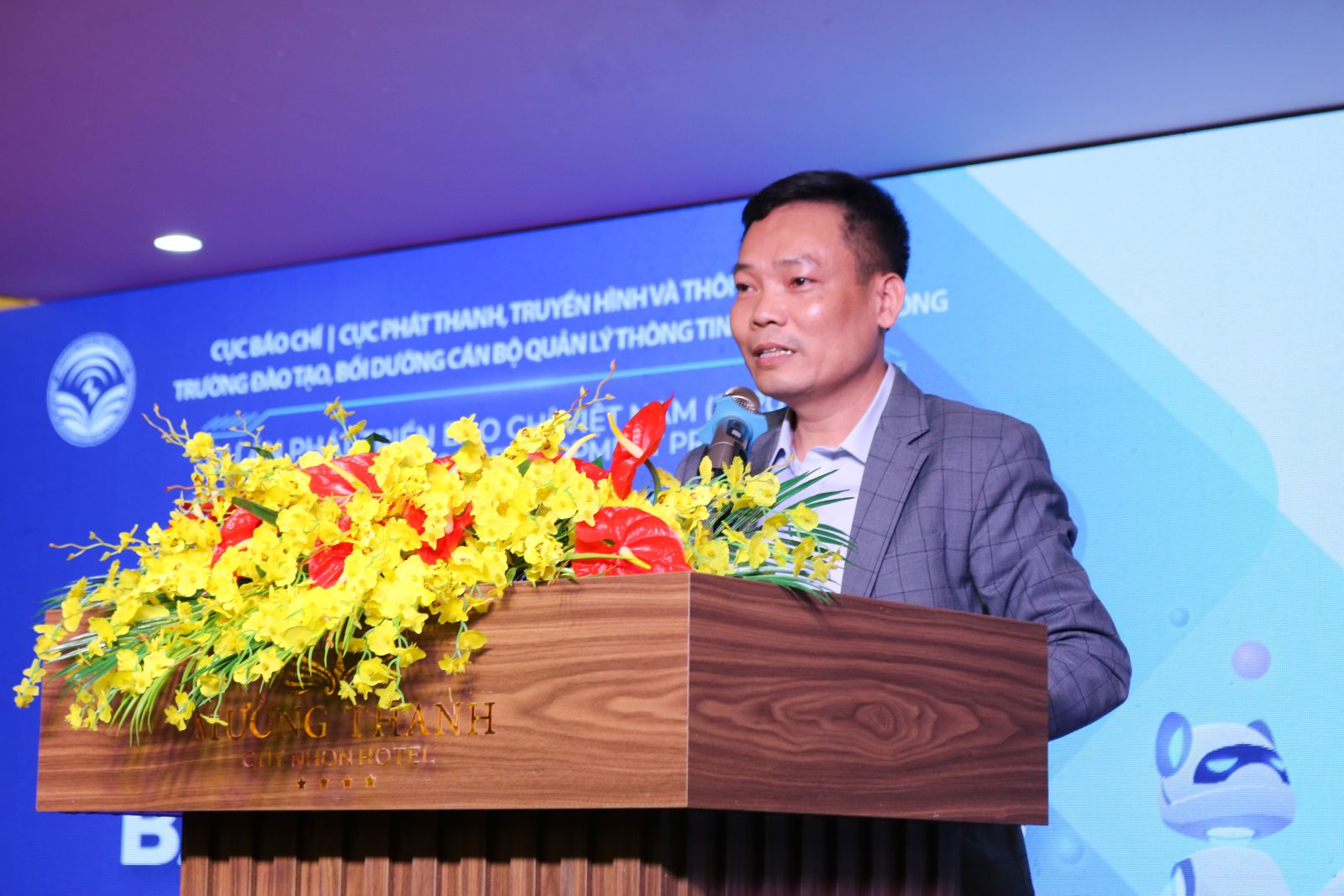
Mr. Dang Khac Loi.
Clearly, the press must "examine and correct itself," striving to maintain its revolutionary character, uphold its core values, and its mission. This is an urgent task that press agencies must prioritize in the current context. To ensure the ideological, educational, and combative nature of the press, the heads of units and journalists themselves must resolutely fight against any deviations from the principles and objectives, and from the political stance of revolutionary journalism.
One very difficult but still crucial task in the current context is for newsrooms to steadfastly oppose the trend of commercialization and profit-driven pursuit. The "front" for journalists in today's context is broader and more complex due to the rapid development of the internet and social media. The task of combating the misuse of journalism and freedom of speech to leak national secrets, incite public opinion, etc., has become urgent. The press also has the responsibility to expose and thwart all subversive ideological plots of hostile forces.
Alongside this, the press must actively promote the image of the country and the achievements in all aspects of the reform process… Studying and following the thoughts, ethics, and style of Ho Chi Minh, implementing Uncle Ho's advice on journalism, and ensuring that the national press always deserves to be the forum of the people, the voice of the Party and the State in the new conditions, today's journalists must be determined to constantly learn and train to improve their journalistic skills and maintain the integrity of professional ethics, actively contributing to serving the reform and development of the country.
Mr. Nguyen Manh Tuan – Deputy Head of the Specialized Inspection Committee – Vietnam Journalists Association:
A serious and decisive approach is needed.

Mr. Nguyen Manh Tuan.
Recently, it can be said that never before has the issue of journalistic ethics and the professional ethics of journalists become such a hot topic, attracting the attention and concern not only of genuine journalists but also of society as a whole, the reading public, and those who place absolute faith in the noble mission of journalists.
Based on monitoring journalistic activities and feedback from media outlets through inspection and supervision, I believe there are several main reasons: Firstly, some media organizations, especially magazines, have not strictly complied with legal regulations related to the field of journalism, continuing to neglect management of reporters and collaborators, especially office reporters, representatives, and resident correspondents, failing to seriously implement Decision No. 979/QD-HNBVN dated April 6, 2018, regarding the activities of members who are resident correspondents of media organizations in the locality.
Secondly: Some media outlets still have the practice of assigning advertising revenue targets to their reporters and correspondents. Given the difficulties businesses face after the COVID-19 pandemic, they are unable to sponsor or advertise for media outlets as before. This leads to a situation where, in order to meet their advertising targets, reporters are forced to violate the law and professional ethics.
Thirdly: When threatened or harassed by journalists, organizations and businesses are very hesitant to report the incidents to the authorities for fear of further obstruction and disruption to their normal operations.
Fourthly: The leadership role of Party organizations, political organizations, and socio-professional organizations in press agencies remains weak. The dissemination and education on law and professional ethics are not serious enough and are still largely superficial. Some levels of the Association have not established councils to handle violations of professional ethics, and have not paid sufficient attention to members' participation in social media, leading to instances where members express opinions on social media that contradict those expressed in journalistic works.
Fifthly: The awareness of social responsibility and civic duty among a segment of journalists remains very limited. Some reporters view journalism merely as a means to make money, disregarding the self-respect, honor, and reputation of the profession and journalists, abusing their profession, and exploiting the trust of the public and readers for personal gain.
Sixth: Sanctions for violations of the law and professional ethics are still limited and not sufficiently deterrent. Although these violations are isolated incidents, like "a rotten apple spoiling the barrel," given the trust the Party and the people place in the press, this is truly a painful wound for the journalistic community.
Therefore, to rectify and overcome the existing problems in media organizations and to purify the ranks of journalists, it is essential to have the serious and decisive involvement of management agencies, journalists' associations at all levels, media governing bodies, media leaders, and the personal responsibility of each reporter and journalist.
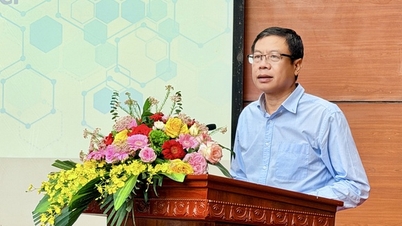
Assoc. Prof. Dr. Nguyen Thi Truong Giang – Deputy Director of the Academy of Journalism and Communication:
It's a smear, a smear of ink on our press.

Assoc. Prof. Dr. Nguyen Thi Truong Giang.
Over the past decade or so, the decline in journalistic ethics has become a prominent issue, and recently it has become even more pressing . A significant number of journalists have violated ethical standards and laws, causing a considerable decline in the credibility and trust that the public has in journalism.
Compared to the past, ethical violations now take many forms, such as: intentionally writing falsehoods, fabricating stories, lacking objectivity and honesty, reporters engaging in advertising campaigns, pressuring businesses and organizations to sign media contracts, hunting for information on wrongdoing and then negotiating prices… Even another extremely terrible form, which the late journalist Huu Tho used the phrase "gang attack" or "gang rescue" when he was alive…
In an interview with the late journalist Huu Tho, when discussing the qualities of a leader of a media organization, he used a phrase very typical of Huu Tho: "The leader must be able to 'smell' the articles," meaning that holding an article written by one's subordinates, one can "smell" the motives and purposes behind it. Another phenomenon is the transformation of magazines into newspapers, a problem that the Central Propaganda Department, the Vietnam Journalists Association, and the Ministry of Information and Communications have repeatedly addressed and corrected over time, yet it still persists…
I believe this is not just a case of "a few bad apples spoiling the bunch," but rather a stain on our journalism. The causes of this problem are both objective and subjective, stemming from the mechanisms and difficulties of the market economy, forcing journalists to struggle with making ends meet , and newsrooms to worry about the economic aspects of journalism… On the one hand, they must fulfill their obligations and responsibilities in the economic sphere of journalism, and on the other hand, they must fulfill the political mission of their profession.
Therefore, this is also an obstacle that needs to be overcome to create a mechanism to motivate, encourage, and protect the development of journalism, so that journalists can flourish and be creative, and media organizations can be liberated to focus solely on fulfilling the extremely noble tasks and missions entrusted to them by the people and society. That is, responsibility to the truth, to the public, to the people. That is, responsibility to news, responsibility to the issues of the times…
Dr. Nguyen Tri Thuc – Member of the Editorial Board and Head of the Special Topics and Special Issues Section, Communist Magazine:
Stronger measures are needed against journalists and media organizations that repeatedly violate regulations.
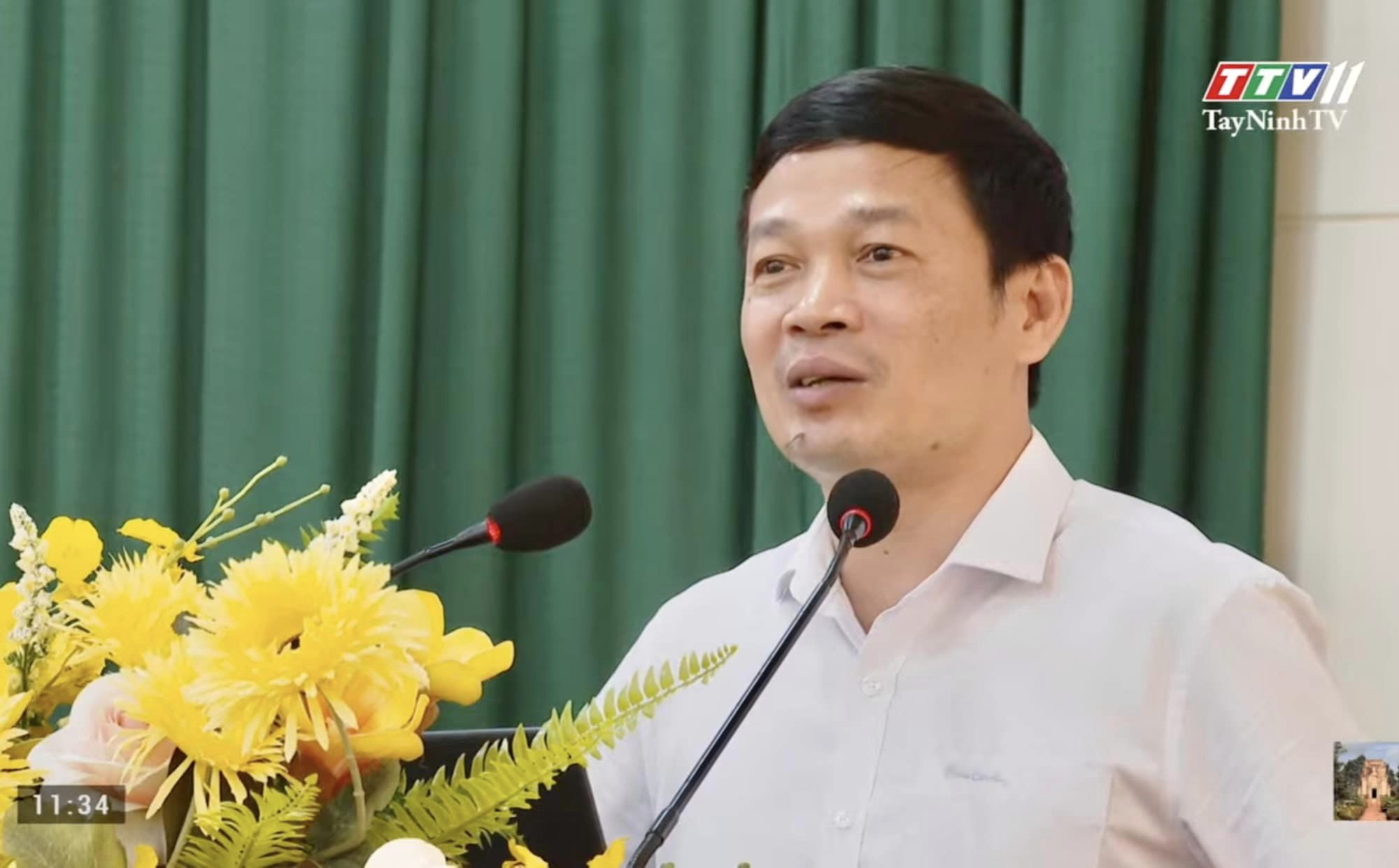
Dr. Nguyen Tri Thuc.
In fact, the decline in ethical standards in journalism, and in the journalistic profession in general, has been going on for quite some time; it's not a new problem. However, recently it has become more prevalent due to the arrests of collaborators and some reporters at lesser-known, less reputable, and less influential media outlets. These violations must be condemned, prevented, and eradicated from society because they tarnish the reputation of journalism, damage its image, and erode public trust and confidence in journalism and the media as a whole, as well as in agencies, organizations, and localities.
In reality, we cannot completely eliminate it; we must find ways to identify, prevent, and even isolate and condemn it within the journalistic community and society as a whole. I think the root causes are both subjective and objective, but the most important is related to the economics of journalism and state management. I believe we need to tighten regulations and take stronger action against journalists and media organizations that repeatedly violate the rules to create a deterrent effect.
We must take stronger measures, even revoking licenses, for media outlets that, in a single year, have three journalists involved in arrests or three incidents that cause public outrage, for example. Simultaneously, we also need to call for improved revolutionary ethics, increased study and emulation of President Ho Chi Minh's teachings, and enhanced professional ethics.
In particular, this issue requires finding a harmonious balance between economic interests and the political mission of media organizations in particular and the press in general. Until the economic aspects of journalism are resolved, and journalists are not able to work and contribute with peace of mind, many difficulties will remain related to maintaining, nurturing, and promoting professional ethics in their work.
Journalist Tran Quang Dai – Lao Dong Newspaper, based in Nghe An:
Do not compromise or back down in the face of pressure or temptation.

Currently, alongside the ranks of genuine journalists who uphold professional ethics, there is a segment of journalists who engage in illegal and unethical practices, operate for personal gain, exploit their profession for profit, and violate the principles of information provision and online communication. While no specific survey has been conducted, I believe this phenomenon is quite common, alarming, and unacceptable. The journalistic profession today faces many pressures and temptations. Those who violate these rules will try to exert pressure, bribe, or employ various other tactics to avoid media coverage. Journalists who want to produce high-quality, socially impactful work must, of course, not compromise or back down in the face of such pressures or temptations. However, in my opinion, this is normal; it's not an excessive difficulty or a sacrifice. If journalists are clear and resolute, those who try to bribe or pressure them will back down. This is a fundamental principle of professional ethics that anyone entering the profession should understand. During my career, I have been subjected to interference, threats, pressure, and attempts at bribery on numerous occasions. However, I have always found ways to overcome these challenges because compromising or backing down would mean losing myself and the trust of my readers. It can be said that, like all other social, ideological, and professional activities, alongside positive aspects, negative phenomena, violations, and moral decay have emerged within the ranks of journalists. If these issues are not promptly addressed and rectified, the violations will become more serious, the prestige of journalism will decline, and it may even lose its role in social life.
Bao Minh (Recorded)
Source





















































































Comment (0)