

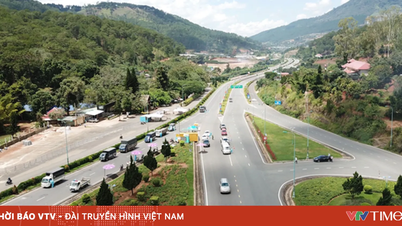
Legally, rest stops have been identified as an integral part of road transport infrastructure, with mandatory technical standards regarding location, scale, and functional items such as fuel stations, restrooms, rescue and emergency services, etc. This means that a highway cannot be considered complete without standard rest stops, and the organization of operation and toll collection in such cases would be difficult to ensure consistency and proportionality with the standards of a modern highway.
However, operational practice is revealing a significant gap between regulations and actual quality. Many rest stops, despite being put into operation, offer inconsistent services; some lack adequate hygiene, and prices are not transparent, causing frustration for users. Many stops primarily focus on food and beverage services to maximize short-term profits, while lacking standard rest areas, essential amenities for long-distance drivers, and failing to effectively promote local products and specialties.
This situation shows that, in addition to construction technical standards, rest stops on highways also need standards for service quality. In many countries, rest stops are built and managed as a complete public-private partnership, focusing on user experience. In Vietnam, however, many rest stops are still seen as "roadside businesses," where short-term profit motives overshadow the fundamental values of a modern highway: cleanliness, safety, convenience, and civility.
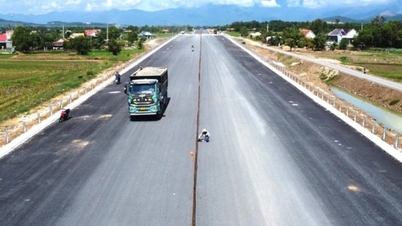
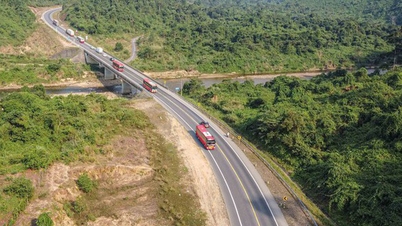
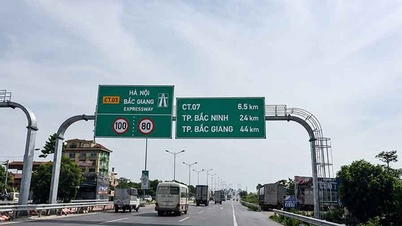
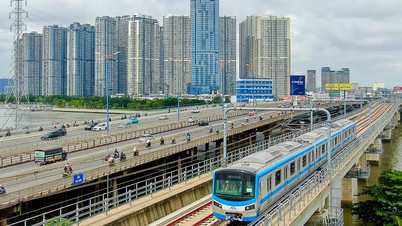
The construction sector has essentially completed 3,345km of expressways by 2025 and aims for 5,000km by 2030. These are not only strategic transportation arteries but also represent the face of the national infrastructure. A dilapidated rest stop can diminish the value, or even ruin, the image of an entire modern road network that has received tens of trillions of dong in investment.
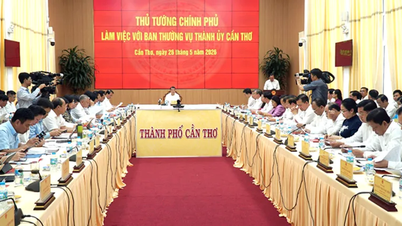
Therefore, it is necessary for regulatory agencies to promptly issue standards on the quality of rest stop services, clearly establishing minimum criteria such as: hygiene conditions, food safety, public price listing, transparency of goods origin, business standards, and the responsibilities of the operating unit. This will be an important basis for consistent and effective inspection, supervision, and handling of violations.
Simultaneously, it is necessary to establish a mechanism for periodically and publicly evaluating and ranking the quality of rest stops. Stations that do not meet standards must be required to rectify the issues; in cases of prolonged and recurring violations, consideration should be given to revoking the operating rights and holding a new bidding process. Only then will state management truly play the role of a "strict arbitrator," going beyond simply issuing regulations.
From the investor's perspective, rest stops are a specialized service business closely linked to the image of the expressway and the reputation of the enterprise. In reality, many models invested in and operated systematically by the private sector are proving effective, demonstrating that the issue lies not only in the regulatory system but also in the approach and the professional, long-term methods employed.
A modern highway is only truly complete when it is developed in conjunction with standardized rest stops. This is also a measure of the effectiveness of state management and the standards of responsibility in infrastructure business, an indispensable element for Vietnam's highways to operate as a truly modern transportation system.
Source: https://www.sggp.org.vn/chuan-hoa-dich-vu-tram-dung-nghi-post830453.html


























































































Comment (0)