

This period could be called by one name: the moment when Vietnamese music realized its own potential for development. When concerts were no longer an expensive dream but became the new standard of creativity.
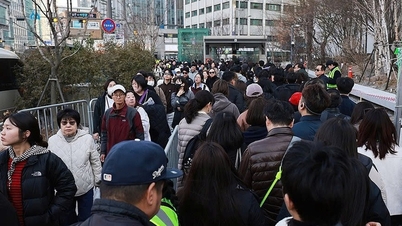
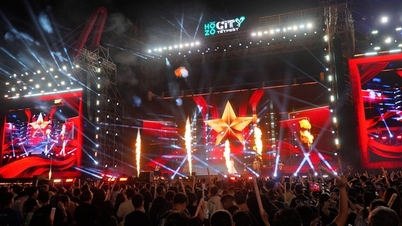
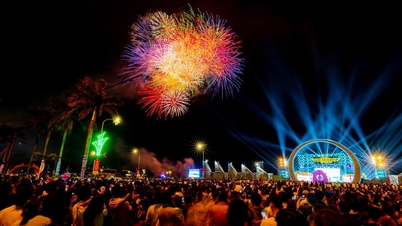
If one had to choose an image to describe the music scene over the past year, it would probably be the dazzling lights of large stages, which have almost become the ultimate goal for those working in the music industry. Although there is still a diverse range of options: from stadium shows with tens of thousands of people, intimate mini-tours, daring young artists making new strides, to seasoned veterans entering their prime. Amidst these stages lies a new, more sophisticated, demanding audience, willing to pay for quality experiences.
What's remarkable about this year's concerts isn't the sheer number of them, but the way they're presented. Many artists wanted to sing and tell a story. Some concerts showcased the artist's unique personality, while others reached a level of quality comparable to regional standards. A few nights even evoked memories of the maturation of major music industries – where there was a willingness to think big, invest boldly, and operate like a true economic sector.
Perhaps the biggest change comes from the audience. In an era of saturated streaming, people need to return to real, unrewindable, and unrepeatable moments. Concerts become a place where they temporarily leave the screen, allowing emotions to be amplified and music to become tangible.
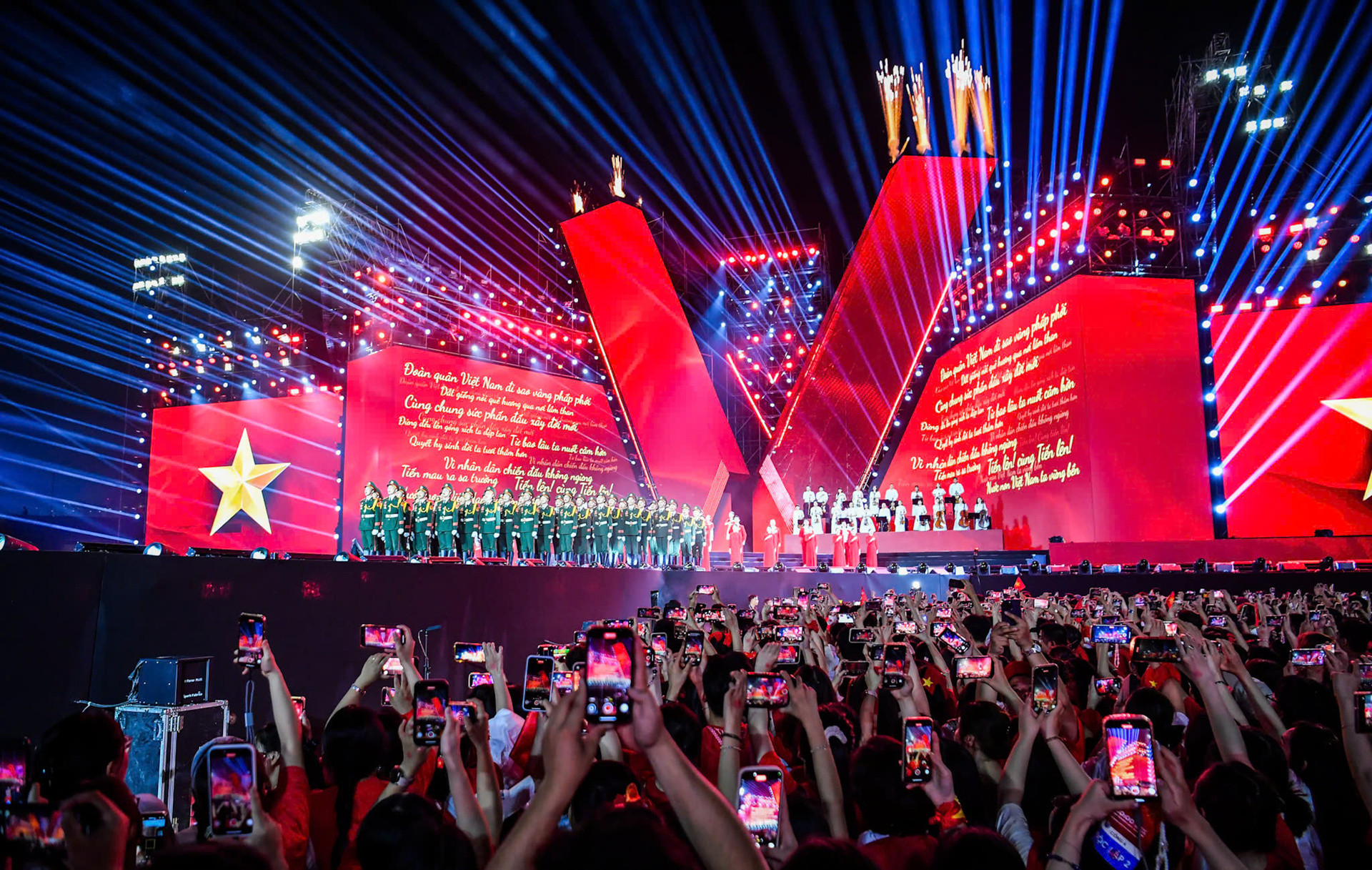
Alongside this is the maturation of a new generation of artists. After nearly a decade in the profession, many have enough material and experience to build their own stage. The younger generation wants to move beyond online hits, wanting to connect with audiences through live music – where flaws cannot be hidden, manipulated, or masked by other superficial elements.
However, the quality remains inconsistent: some concerts are more "noisy" than substantial, some shows focus too much on visuals while neglecting the soul of the music, and some artistic narratives lack the depth to hold the audience's attention.
Concerts are not just about artists or fans. In the cultural industry landscape, music is the field with the most visible economic impact: generating revenue, attracting tourism , spreading media attention, and contributing to the positioning of a local image. It is a vivid testament to the direction of transforming culture into a sustainable development resource.
From what has happened over the past year, a few trends are clearly emerging:
Firstly, concerts will focus on depth rather than noise. Audiences are now discerning enough to choose shows. They seek stories, experiences, and genuine quality.
Secondly, domestic tours will develop, not only in Hanoi, Ho Chi Minh City, or Da Nang, but are gradually spreading to other provinces and cities. Ninh Binh, Quang Ninh, Can Tho, Khanh Hoa… could absolutely become year-round concert destinations.
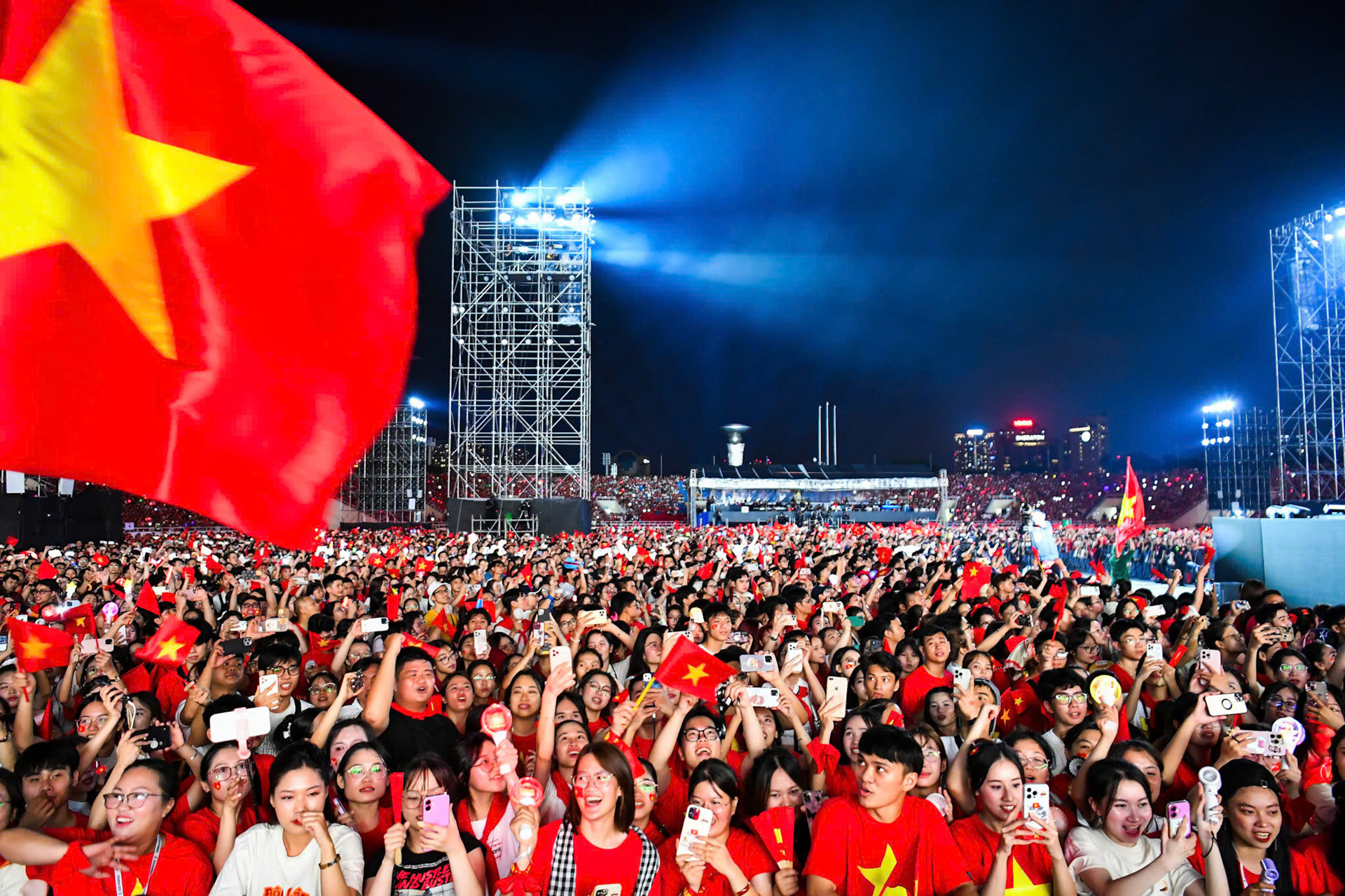
Thirdly, creative forms will intersect more strongly. From fashion, fine arts, performance technology to visual theater – a model clearly demonstrated in the recent Ho Do International Music Festival and City Tet Fest – will reveal unique identities for each city, transforming the festival into a complete cultural experience.
However, for concerts to truly become a dominant and long-lasting event, the performance infrastructure still needs to be addressed. Stadiums, plazas, theaters, etc., need to be built or renovated to modern performance standards. We can't keep holding concerts by finding an empty plot of land and then improvised to set up a stage every time.
A sustainable market also requires product diversification. Currently, most concerts still focus on the mass market segment. The picture will only be complete when we sell other genres of music – from indie, jazz, world music to modern symphonies.
But despite the remaining work, the past year has shown that Vietnamese people love music in a very special way. They don't just listen; they walk, stand, cheer, cry, and laugh along with it. Concerts, therefore, are not just entertainment products, but places where artists and audiences find each other in genuine connection.
This period could be called by one name: the moment when Vietnamese music realized its own potential for development. When concerts were no longer an expensive dream but became the new standard of creativity.
And perhaps, this is just the beginning.
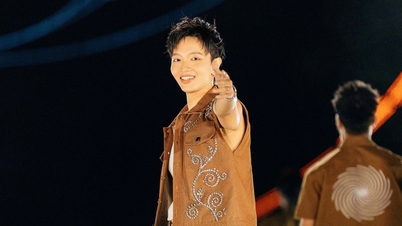
"Drum Rice" - one of the most popular performances at the "Brother Overcoming a Thousand Obstacles" Concert.
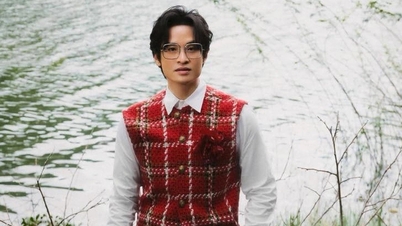
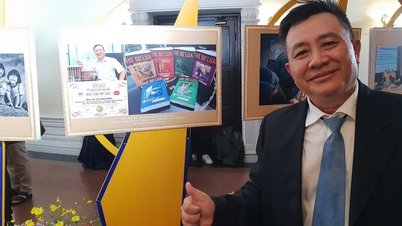
Musician Huy Tuan
Source: https://vietnamnet.vn/concert-len-ngoi-2490382.html
![[Photo] Prime Minister Pham Minh Chinh receives the Director of RMIT University Melbourne (Australia)](https://vphoto.vietnam.vn/thumb/1200x675/vietnam/resource/IMAGE/2026/04/02/1775142120087_thiet-ke-chua-co-ten-2026-04-02t214220784-png.webp)











































Comment (0)