


Pioneering economic development
At the 4th Congress of Ethnic Minority Representatives, we met again with the millionaire farmer Ngai Cu Ly (of the Hoa ethnic group), from De Bua village, Phin Ho commune, Nam Po district. He was still as sturdy as a teak tree and had the same kind smile as five years ago, when I accompanied him up the steep slopes, pushing aside bushes to reach his family's farm, which raised buffalo, cattle, and horses... a farm spanning several hills. Back then, when the people of Phin Ho were still poor, Mr. Ly had already built a spacious and beautiful wooden house, the best in the village; and purchased all the necessary machinery for his daily life and production.
A man unafraid of hardship and challenges, daring to think and act, Mr. Ly took advantage of his vast land to invest in building barns and buying breeding buffaloes, cows, and horses. Mr. Ly shared: Initially, he built sturdy barns to ensure warmth in winter and coolness in summer, then began breeding his herd of buffaloes, cows, and horses. To have a good herd, Mr. Ly selected the strong, healthy animals and gradually eliminated the smaller, weaker ones. He also planted 1 hectare of elephant grass to ensure a steady food source for his livestock, and he regularly vaccinated and monitored his animals. From raising cattle in a free-range manner, Mr. Ly has now built a farm spanning nearly 20 hectares, one of the largest in Nam Po district; currently, his total herd of buffaloes, cows, and horses exceeds 150.
Not stopping there, with a spirit of innovation, Mr. Ly also reclaimed land to cultivate 2 hectares of rice paddies and raised hundreds of poultry of various kinds. Roads were paved with asphalt and concrete, and traders from all over came to Mr. Ly's house to buy buffaloes, cows, and horses... With prices ranging from 10 to 15 million VND per cow, selling agricultural products brought his family an income of over 200 million VND per year.
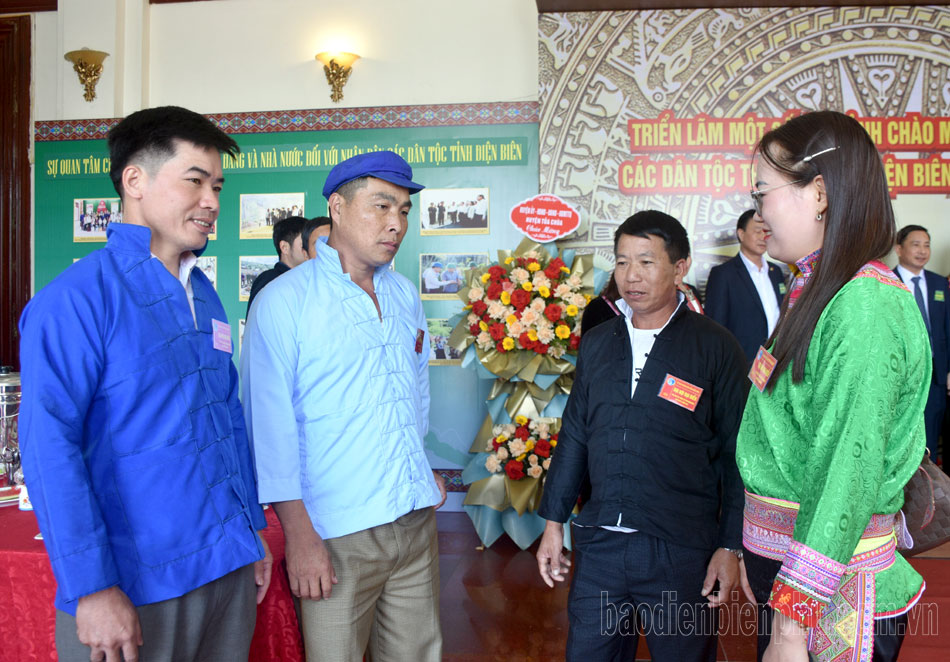
Mr. Mùa A Cháng, from Tả Phìn village, Tả Phìn commune (Tủa Chùa district), was also honored to be one of the delegates attending the Provincial Congress of Ethnic Minorities. We were very impressed when we learned about his A Cháng Homestay model. Mr. Cháng is a pioneer in successfully starting a homestay business; not only has it changed his family's life, but it has also contributed to preserving and promoting the cultural values of the entire community. Mr. Cháng said: Before venturing into community tourism , he had worked many different jobs. In 2019, he began to develop the idea of investing in accommodation services in the form of homestays.
Mr. Chang boldly invested in building a homestay on a 200m2 area, including a stilt house, a common living area, and accommodation and food services. Along with that, Mr. Chang proactively embraced technology and enhanced the promotion of his homestay model through social media. On average, Homestay A Chang welcomes about 50-60 groups of guests annually. After deducting expenses, the estimated profit is around 170-200 million VND per year. Currently, the homestay provides employment for 5 workers with stable incomes. According to Mr. Chang, to meet the needs of tourists, he plans to open more homestays in the future with a modern and unique style, while still retaining the distinctive cultural features of the Mong ethnic group in the Northwest highlands.
A bridge between the Party committee and the people.
As the Party Secretary of Keo village, Chieng So commune, Dien Bien Dong district, for many years, Mr. Lo Van Khut (of the Xinh Mun ethnic group) has always been dedicated to community work, contributing significantly to the new rural development movement to gradually transform and develop Keo village...
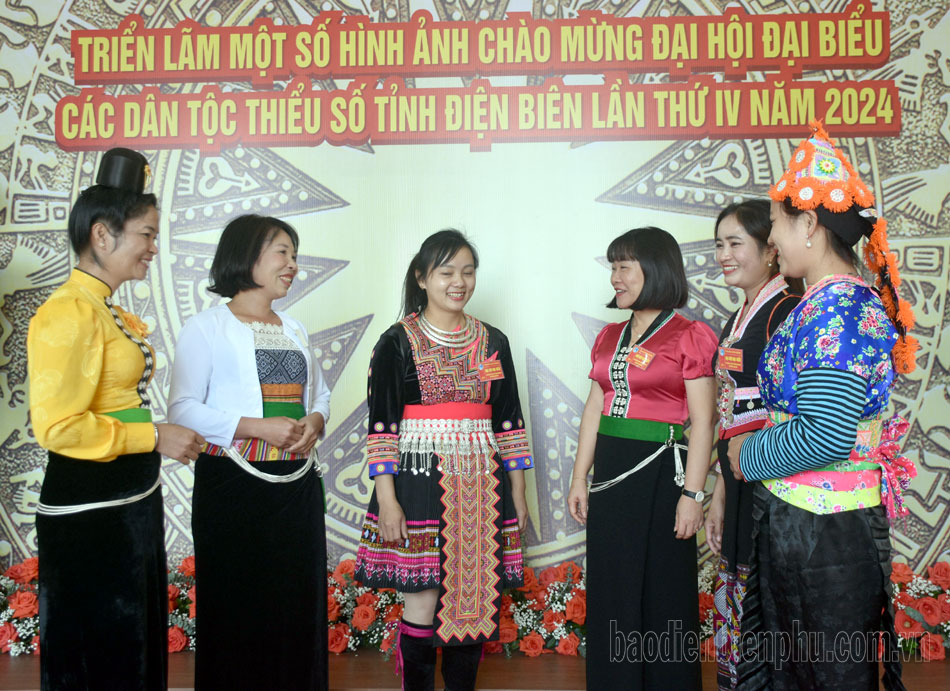
Ban Keo is a village where the majority of the population are Xinh Mun people, whose economy depends on agriculture, resulting in many difficulties in their lives. However, understanding the purpose and significance of the New Rural Development program, in his role as Party branch secretary, Mr. Khut coordinated with local officials to disseminate information and implement the criteria and solutions for achieving New Rural Development standards to the villagers.
Mr. Khut shared: "To spread the word and persuade the villagers, I have to be a role model and lead the way, then I have to convince my relatives and family to mobilize the villagers." Mr. Khut was the first to contribute 200,000 VND to support the construction of the village cultural center and mobilized his relatives and family to contribute money for its construction. From Mr. Khut's words and actions, the households in the village trusted and followed suit, each household contributing 200,000 VND and labor, working together to complete the spacious 120m2 cultural center. Thanks to the community's collective efforts, with Mr. Khut playing a leading role, the lives of the people in Keo village have improved significantly, the poverty rate has decreased to 87 out of 148 households; and the village now has 25 well-off households.
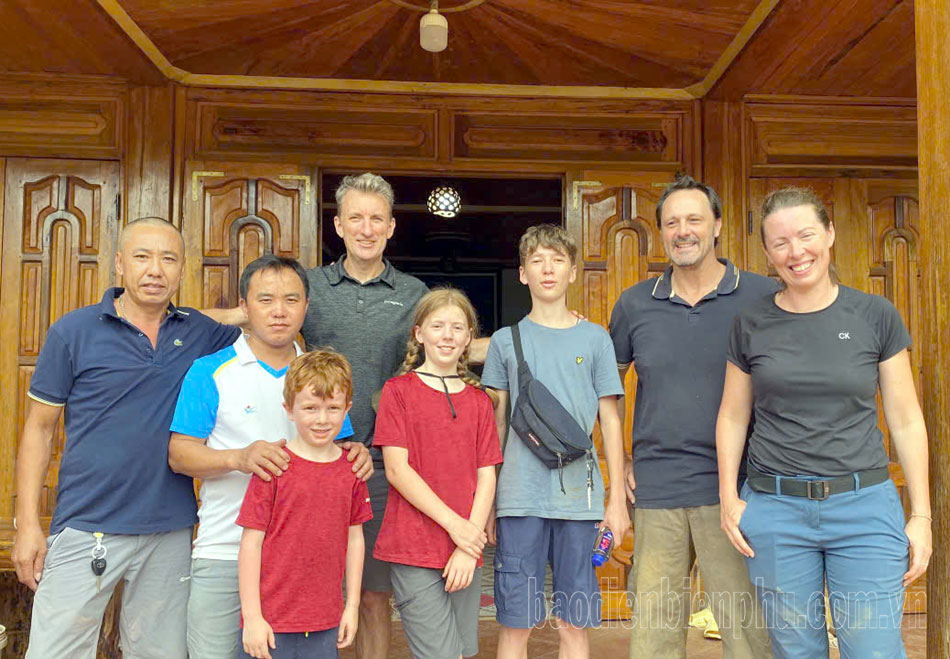
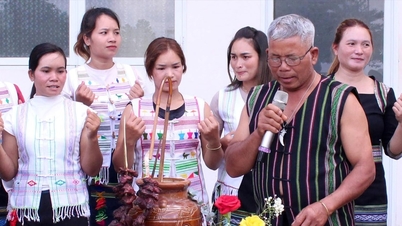
Also a typical figure among ethnic minorities, honored to be present at the Congress, Mr. Giàng A Cu, a respected and outstanding artisan from Huổi Lanh village, Mường Toong commune (Mường Nhé district), not only serves as a bridge to disseminate the Party's guidelines and the State's policies and laws to ethnic minorities, but he also plays a good role in promoting and encouraging people to preserve their ethnic cultural identity and practice a civilized way of life.
“The culture of the Hmong people is reflected in their customs, traditional clothing, cuisine, and many other distinctive features that set them apart from other ethnic groups… To preserve this cultural beauty, I have continuously researched, collected, restored, and passed on the cultural values of my people to the younger generation; at the same time, I actively go door-to-door, encouraging people to build a civilized lifestyle; preventing the spread of harmful cultural products; eradicating superstition and outdated customs, and combating social evils in the locality,” Mr. Giang A Cu shared.
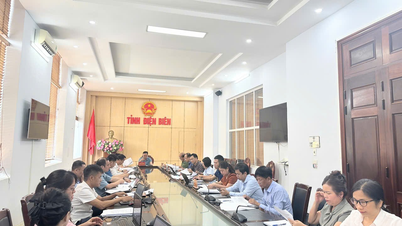
Delegates attending the 4th Provincial Congress of Ethnic Minorities are exemplary individuals representing a wide range of people from various villages and ethnic groups across the province. Despite their different positions and roles, each exemplary figure among ethnic minorities has consistently served as a bridge between the Party and the people, providing spiritual support within their communities. Together with the Party committees and authorities, they have built and strengthened the grassroots political system, fostered national unity, changed mindsets and practices to develop the economy, preserve and promote traditional cultural identity, and made significant contributions to the comprehensive and sustainable development of this province in the far west of the country.
Source: https://baodienbienphu.com.vn/tin-tuc/chinh-tri/219430/dien-hinh-tieu-bieu-dong-bao-dan-toc-thieu-so




























































Comment (0)