

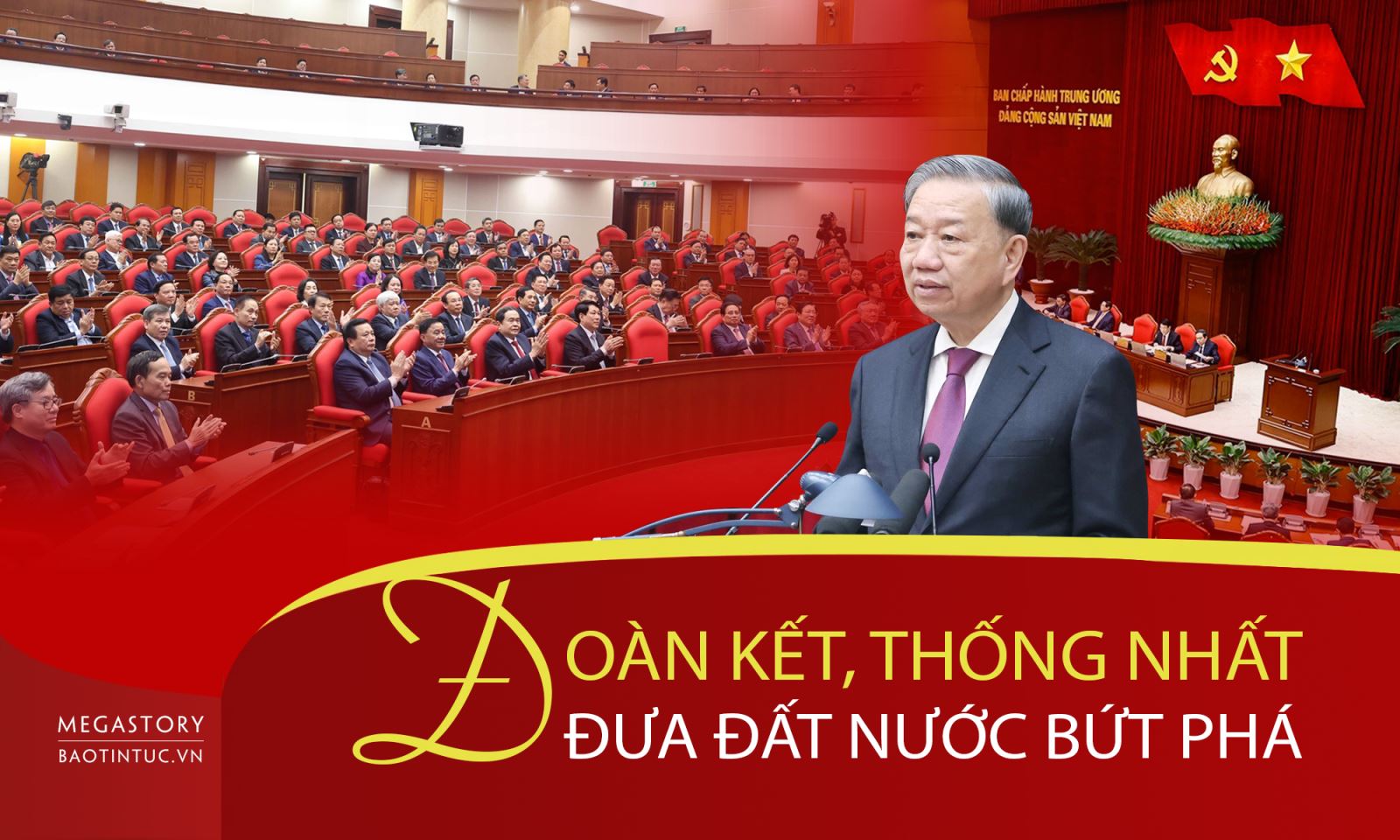
National unity is a precious tradition, the source of strength for the Vietnamese people, with its values, moral philosophies, and humanistic principles: "Many troubles cover the mirror's frame / People of the same country must love each other," "The healthy leaf protects the torn leaf," "When one horse is sick, the whole herd stops eating"... In the Ho Chi Minh era, building the will and spirit of unity was identified as the strategic guideline of the Vietnamese revolution, the main source of strength and motivation, and a decisive factor ensuring the lasting victory of the cause of building and defending the Fatherland. And it was he who outlined the motto for the inevitable victory of the revolution: "Unity, unity, great unity / Success, success, great success."
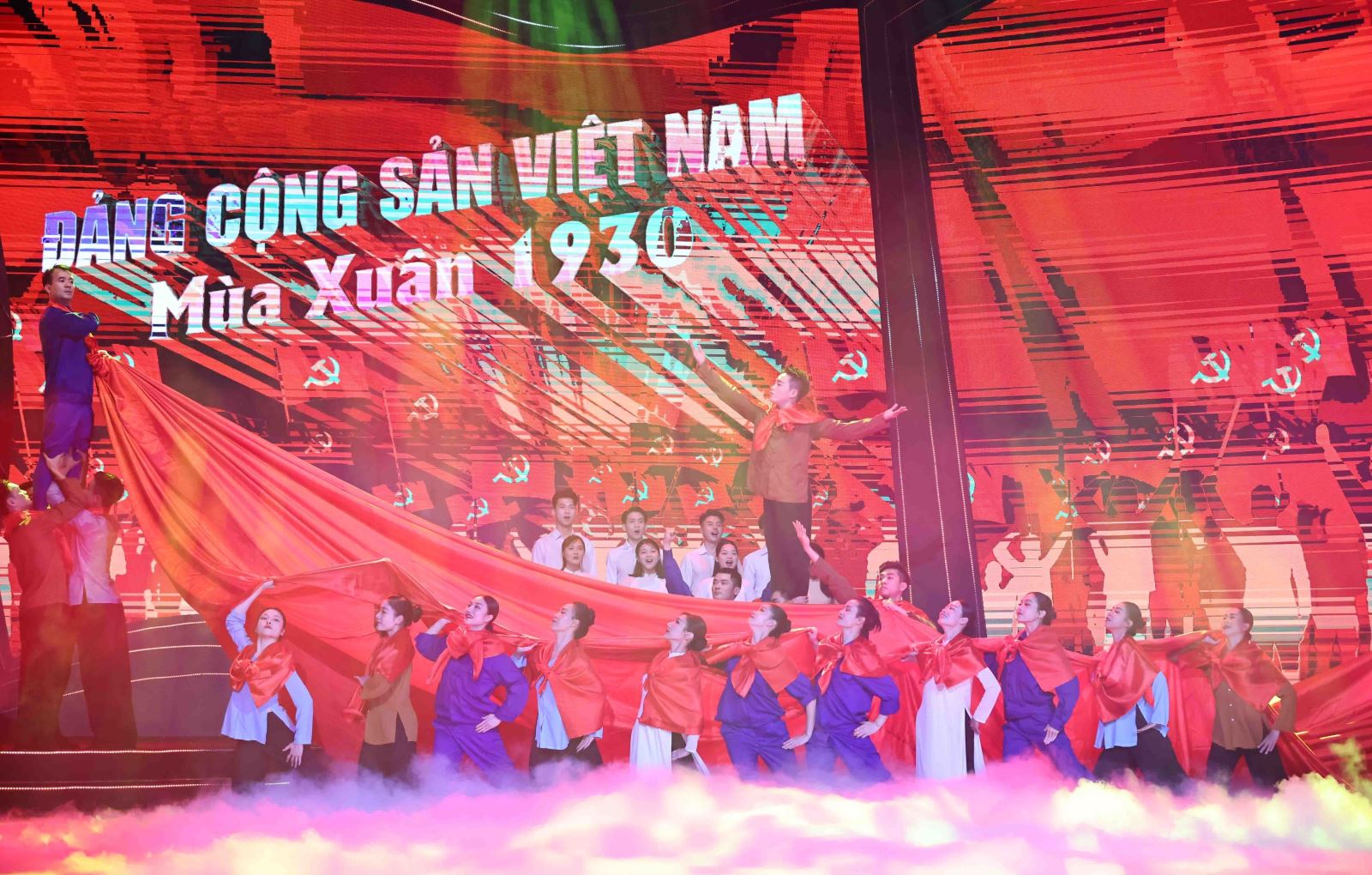 The political and artistic program "Forever Faithful to the Party" celebrates the 95th anniversary of the founding of the Communist Party of Vietnam .
As the founder and leader of our Party, President Ho Chi Minh paid special attention to Party building. He believed that the Party's leadership was the decisive factor in all the victories of the Vietnamese revolution. In Party building, unity and solidarity within the Party is one of the most fundamental principles, representing the Party's movement and development in accordance with its own laws. Unity and solidarity within the Party are the basis for building national unity. Without unity and solidarity, the revolutionary cause of the nation cannot succeed.
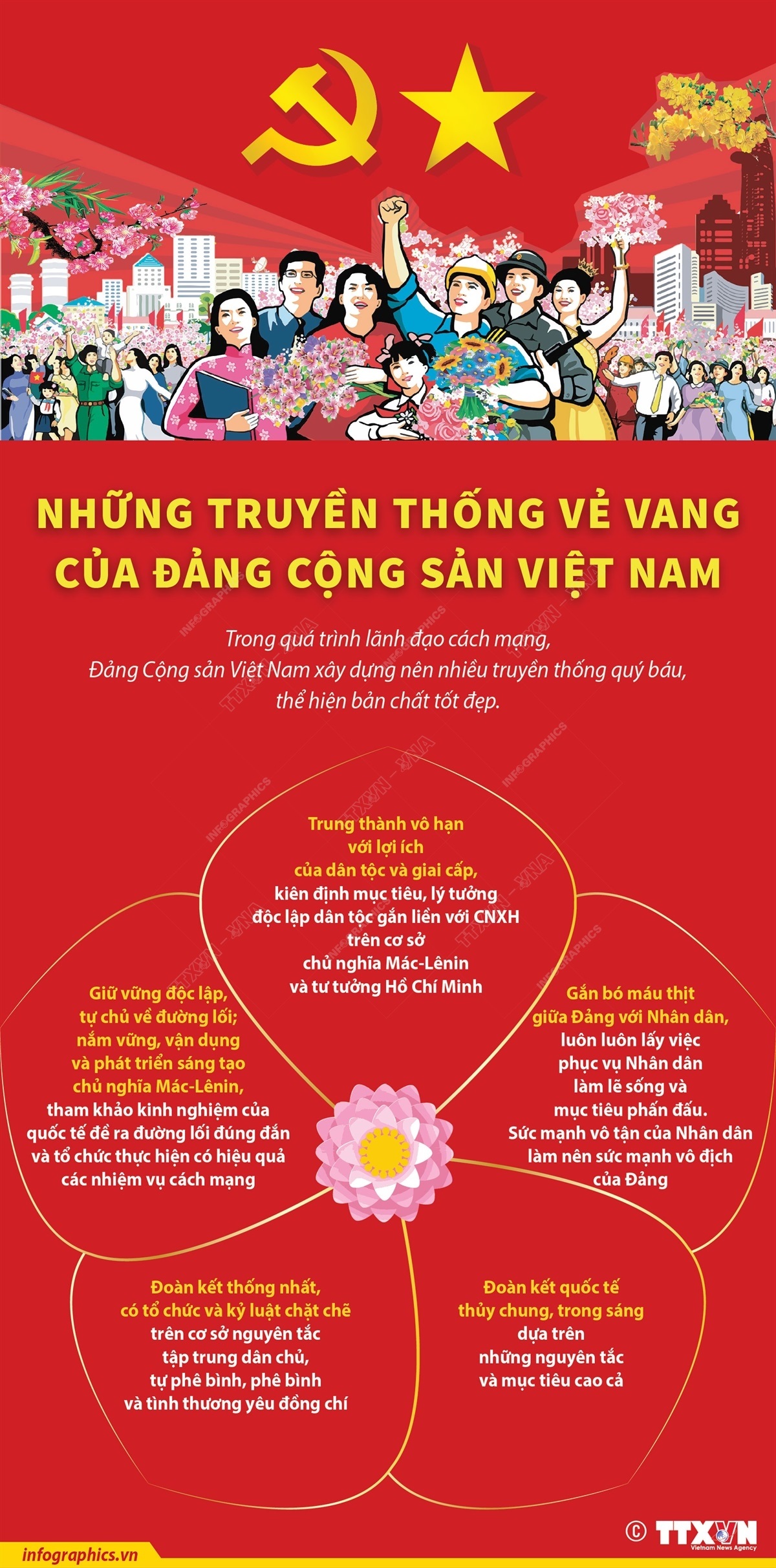
From its inception, the Party has been closely connected to the nation, integrated with the nation, and existing within the nation. The Party's ranks are comprised of people from diverse classes and strata, primarily workers and peasants, but all share a common ideal, goal, and interest. That ideal is national liberation, class liberation, and human liberation. The goal is national independence and socialism, a prosperous people, a strong nation, democracy, justice, and civilization. The interest is serving the class, serving the people, serving the Fatherland; the Party has no other private interests. It is this shared ideal, common goal, and common interest that forms the basis of unity and solidarity within the Party. Genuine unity and solidarity are the primary driving force of the Party's development.
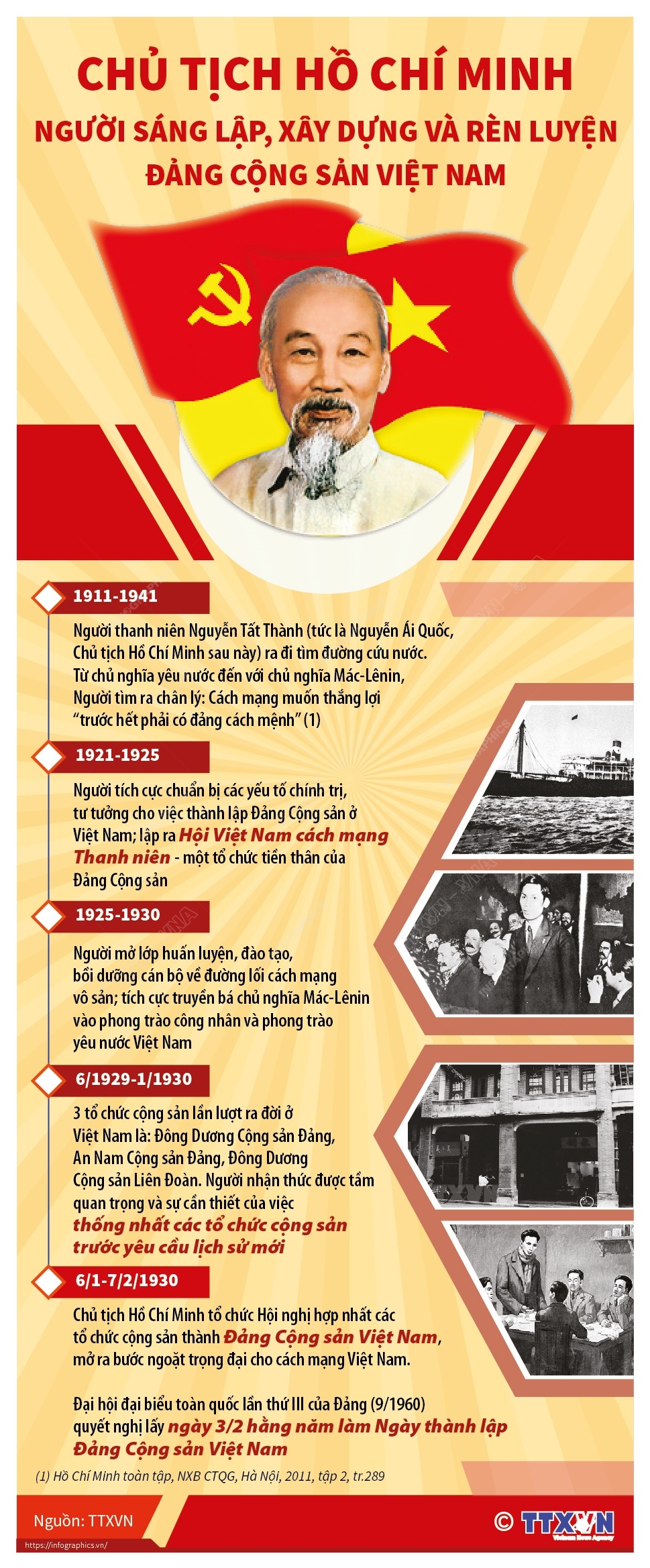
From the profound understanding that "unity creates strength," and "unity is victory," our Party has continuously strived to build and strengthen unity within the Party, so that the Party truly becomes the vanguard, a strong command center, a leader, and a loyal servant of the people. The foundation for building unity within the Party, so that "although our Party has many members, when we attack, we act as one," lies in the Party's guidelines, viewpoints, and Charter; in the strict implementation of the principles of Party building; and in promoting the exemplary role of cadres and Party members in all areas of work and daily life.
National unity is not merely a viewpoint or ideology, but has become a revolutionary strategy, a slogan for action of the entire Party and people, and has been built into an organized force: the National United Front - the Vietnam Fatherland Front. Through various names, contents, and organizational forms, the Vietnam Fatherland Front has united all strata of the people, creating a unified bloc under the leadership of the Party, achieving great victories for the nation. These include the climax of the struggle against the French and expelling the Japanese, leading to the success of the August Revolution and the birth of the Democratic Republic of Vietnam; the Dien Bien Phu victory, "renowned throughout the world," bringing the resistance war against French colonialism to victory, leading the North to socialism, and providing a solid rear base for the great front line in the South; and the historic Ho Chi Minh Campaign, completely liberating the South and unifying the country.
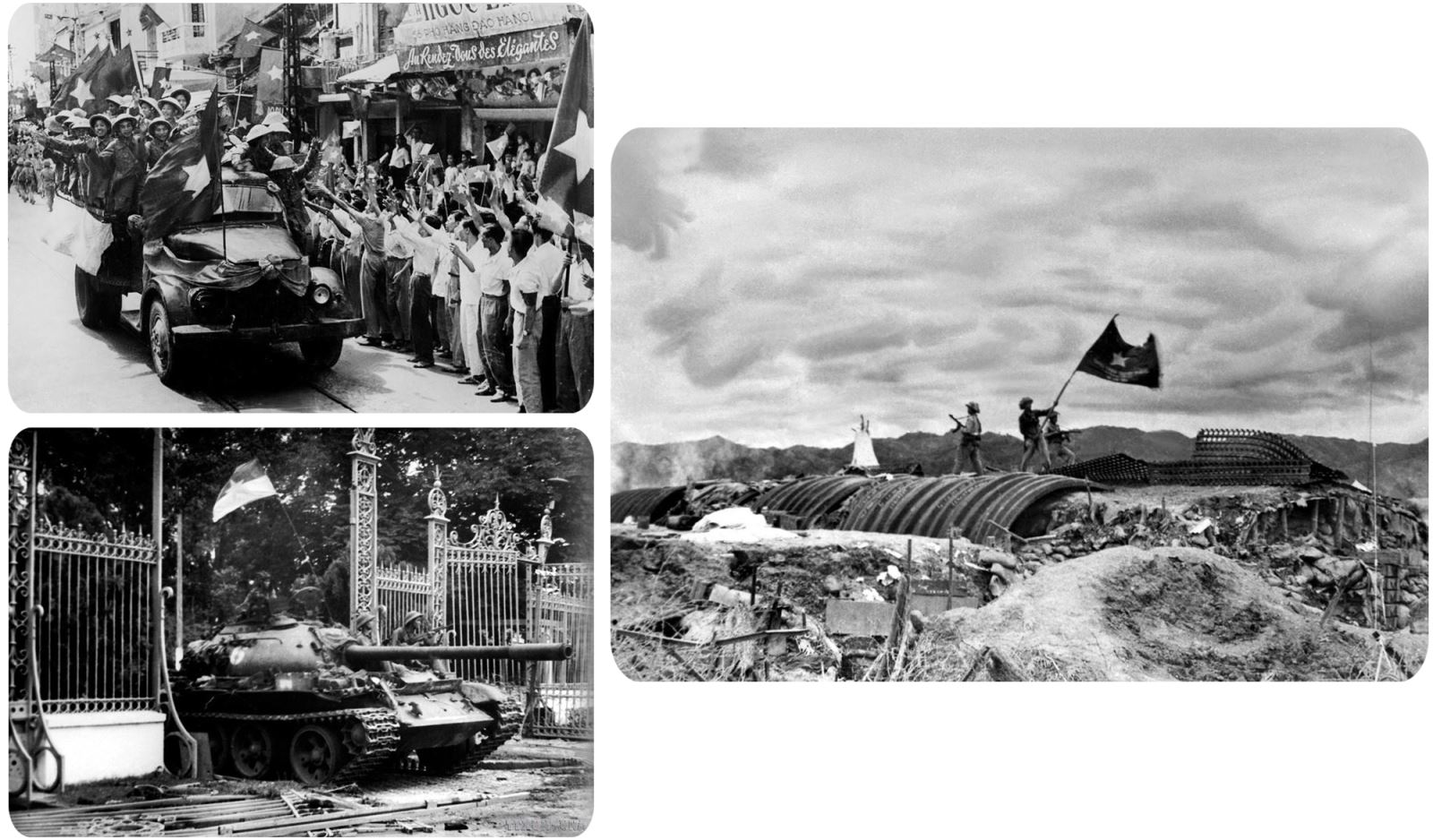 National unity creates a unified bloc, under the leadership of the Party, leading to the great victories of the nation.
During the period of national construction and development, the Vietnam Fatherland Front continues to unite all strata of the people, strongly promoting the role of its member organizations in protecting the legitimate rights and interests of the people; promoting democracy, fostering innovation and creativity; carrying out social supervision and criticism; fighting corruption and waste; and participating in building a clean and strong Party and government.
It is clear that unity is the source of the Party's leadership strength, and also the source of the nation's strength. Thanks to this, through countless difficulties and challenges, the Vietnamese revolution has achieved ultimate victory, as President Ho Chi Minh affirmed: "Thanks to close unity, wholeheartedly serving the class, serving the people, serving the Fatherland, from its founding to the present day, our Party has united, organized, and led our people in vigorous struggle, progressing from one victory to another."
With its comprehensive policies and solutions, the Party has harnessed the strength of national unity, combining the strength of the entire nation with the strength of the times, enabling our country to overcome all difficulties and challenges, maintaining the independence, sovereignty, unity, and territorial integrity of the Fatherland; and successfully implementing the reform process. From a poor country with backward material and technical infrastructure and low levels of socio-economic development, Vietnam has now risen to become a developing country with a middle income.
Over the five decades since national reunification, and especially after nearly 40 years of implementing reforms, our country has achieved tremendous and comprehensive achievements. The average GDP growth rate during the period 1990-2000 reached 7.5%; 2006-2010 reached 7%; 2011-2015 reached 5.9% per year; and 2016-2019 reached 6.8% per year, making Vietnam one of the fastest-growing economies in the region.
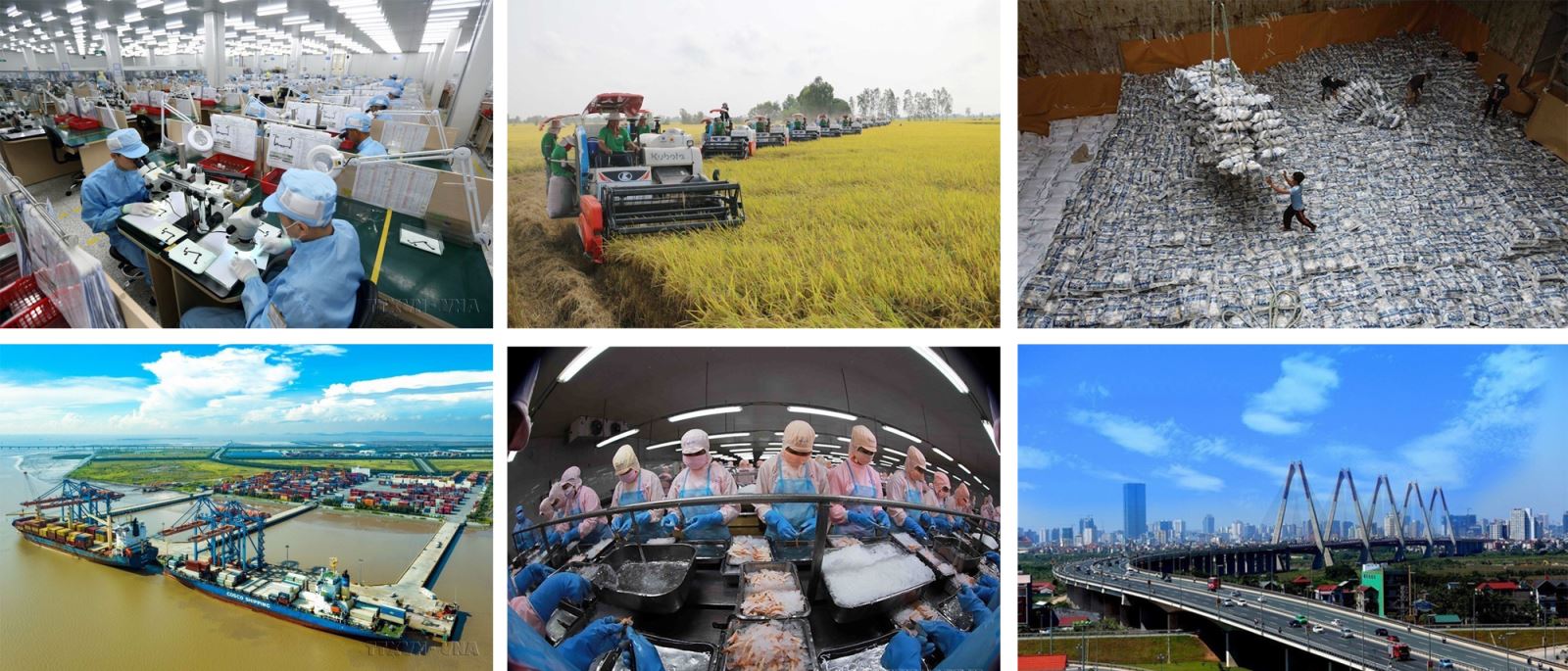 In 2024, amidst a volatile global economy, Vietnam made a strong impression with an impressive GDP growth rate of 7.09%.
In 2020 and 2021, the COVID-19 pandemic severely impacted all sectors of the economy. However, Vietnam remained among the few countries to achieve positive growth, at 2.9% in 2020 and 2.58% in 2021 – an impressive achievement amidst the global turmoil caused by the pandemic.
Entering 2022, with many decisive measures, Vietnam's GDP grew strongly by 8.02%, reaching its highest level in the 2011-2022 period. In 2023, despite facing many common challenges worldwide, the economy maintained a growth rate of over 5%, with an estimated size of approximately 430 billion USD.
Notably, in 2024, amidst a volatile global economy and severe domestic damage from Typhoon Yagi (estimated total economic losses exceeding VND 83,746 billion), Vietnam still made a strong impression with an impressive GDP growth of 7.09%, surpassing forecasts and becoming a bright spot for growth in the region. The GDP at current prices in 2024 is projected to reach over US$476 billion.
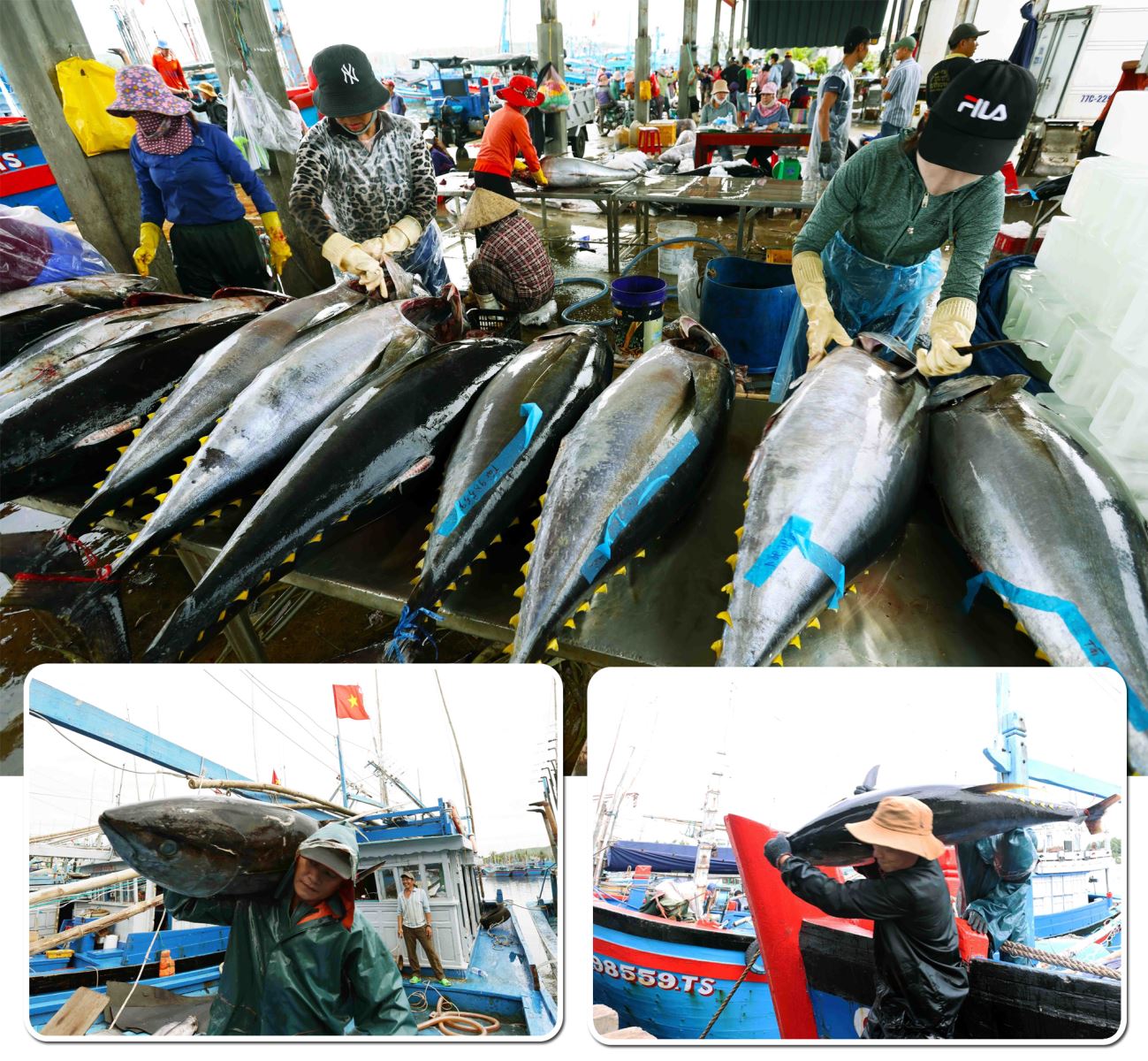 Fishermen in Binh Dinh province transport tuna at Tam Quan fishing port, Hoai Nhon town.
Exports have been an impressive highlight for Vietnam in recent years. Export turnover in 2024 reached US$403 billion, a 13.6% increase compared to 2023. Notably, the trade balance continued to record a surplus for the ninth consecutive year, reaching US$25 billion.
With political stability, economic growth, and efforts to improve the investment and business environment, Vietnam is increasingly becoming an attractive destination for foreign investors. In 2024, the total registered capital for new projects, adjusted registered capital, and the value of capital contributions and share purchases by foreign investors reached US$38.23 billion. Notably, the disbursed capital of foreign investment projects reached US$25.35 billion, an increase of 9.4% compared to 2023.
2025 is considered a time for "acceleration and breakthrough" to achieve the goals of the 2020-2025 term; therefore, the Government has set a target of over 8% economic growth. Recently, the Asian Development Bank (ADB) also raised its growth forecast for Vietnam in 2025 to 6.6%, from the 6.2% forecast in September 2024. This indicates a positive outlook for the Vietnamese economy in the coming period.
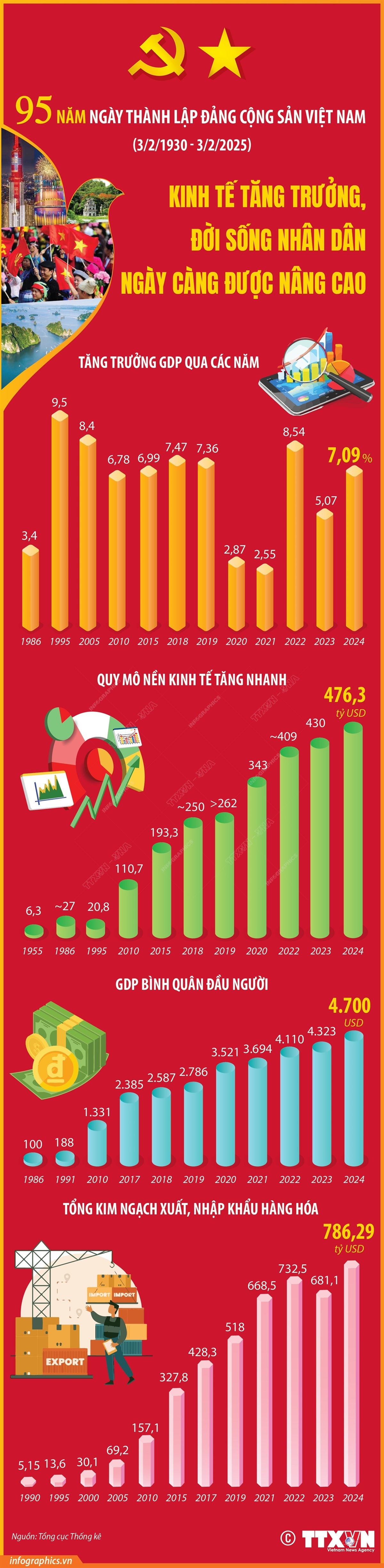
Alongside economic development, the Party and State have always prioritized socio-cultural development, aiming to improve the material and spiritual quality of life for the people. Through persistent efforts, Vietnam has moved out of the low-income group since 2008. GDP per capita in 2024 reached approximately 114 million VND, equivalent to 4,700 USD, reflecting a significant improvement in the people's living standards.
The education system is increasingly being improved, moving towards openness and interconnectedness between different levels of education and training methods, meeting the lifelong learning needs of the people. Vietnamese students have achieved many high results in international examinations. Educational support programs for children from poor households, ethnic minorities, and disadvantaged areas have yielded clear results, and the network of specialized schools in mountainous areas continues to expand. These efforts not only narrow the educational gap but also open up more equitable learning opportunities for all social classes.
The healthcare network, especially primary healthcare, has been increasingly strengthened and developed, effectively meeting the healthcare needs of the people. Health indicators and average life expectancy have improved, increasing from 62 years in 1990 to 73.7 years in 2023. Many dangerous epidemics have been controlled and eradicated, such as SARS, avian influenza A/H5N1, avian influenza A/H1N1, and more recently, the COVID-19 pandemic. Many new medical technologies have been researched and effectively applied. In particular, achievements in the field of organ transplantation, with heart, liver, kidney, lung, and multi-organ transplants, have brought Vietnam's healthcare sector to a world-class level.
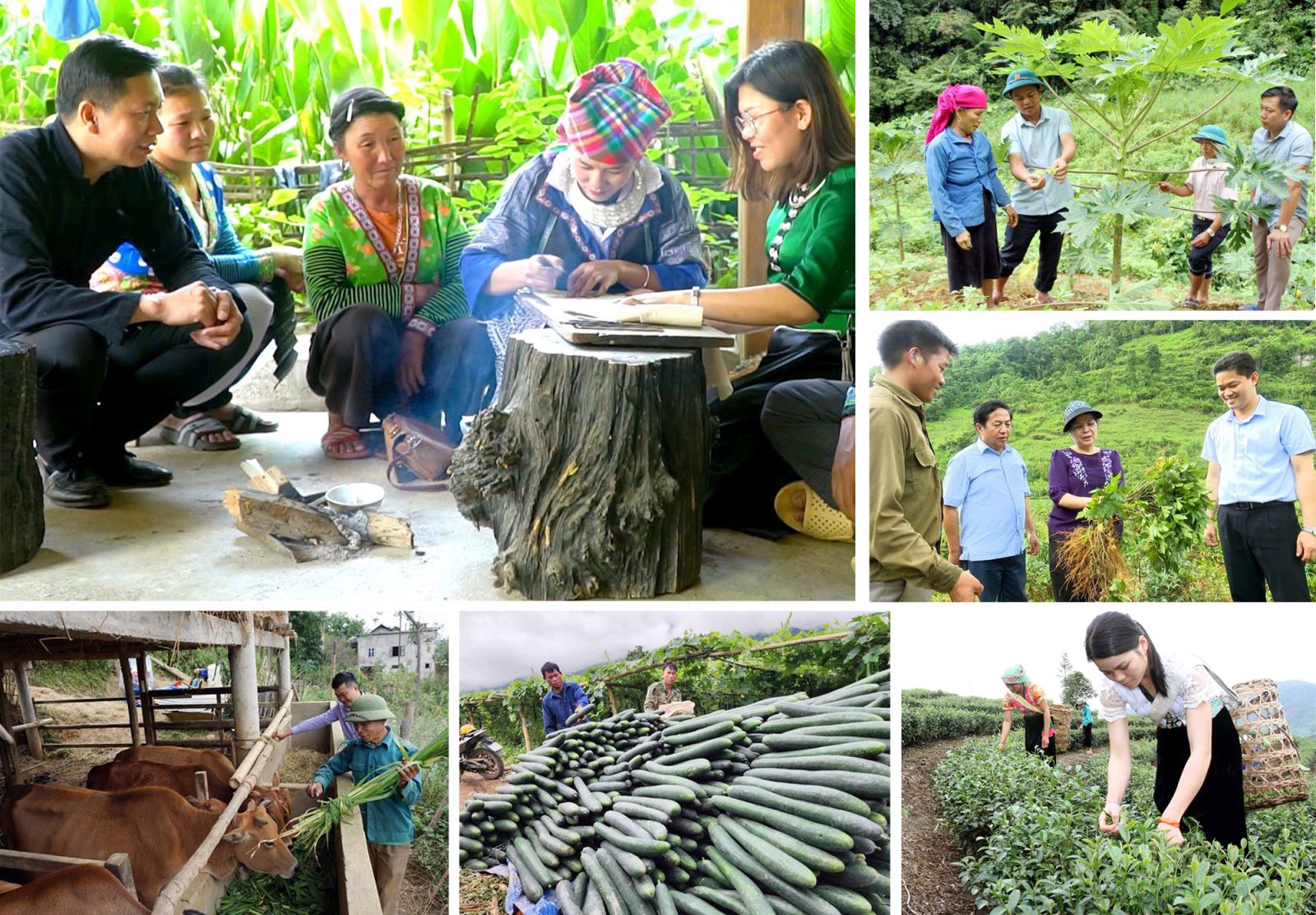 The implementation of the National Target Program for Sustainable Poverty Reduction has brought a new look to rural areas, especially remote, mountainous, and particularly disadvantaged areas.
As a founding member of the Global Alliance Against Poverty, Vietnam has always been at the forefront of poverty reduction efforts and the implementation of the United Nations' Sustainable Development Goals. Over the years, many groundbreaking policies have been implemented aimed at comprehensive, multidimensional poverty reduction. These policies not only help poor households ensure basic needs such as food and clothing but also create conditions for people to have equal and full access to essential social services such as healthcare, education, housing, clean water, sanitation, and information. Between 2021 and 2024, the poverty rate according to the multidimensional poverty standard decreased by approximately 4.2% (an average of 1.05% per year). Notably, the poverty rate in poor districts decreased by over 4% per year, and the poverty rate among ethnic minority communities decreased by over 3% per year, demonstrating remarkable efforts in comprehensive and sustainable poverty eradication.
Furthermore, efforts to ensure social security and care for the lives of workers, especially vulnerable groups such as women, children, the elderly, people with disabilities, and policy beneficiaries (war invalids, people with meritorious contributions to the revolution, etc.), continue to be strengthened. Gender equality is becoming more substantive, and the role and status of women are being enhanced. According to the 2023 Global Gender Gap Report, Vietnam ranked 72nd with a gender equality rate of 71.1%, an increase of 11 places compared to 2022. According to the 2024 World Happiness Report, Vietnam ranked 54th out of 143 countries/territories surveyed, an increase of 11 places compared to the 2023 ranking.
The Human Development Report (HDR) 2023-2024 (published March 2024) also shows that Vietnam's Human Development Index (HDI) in 2022 was 0.726, ranking 107th out of 193 countries and territories; an increase from 0.703 points in 2021. From 1990 to 2022, Vietnam's HDI increased by nearly 50%. Vietnam is currently in the middle of the ranking and has continuously progressed over the past 30 years. This achievement clearly demonstrates Vietnam's continuous efforts to improve the quality of life and promote holistic human development.
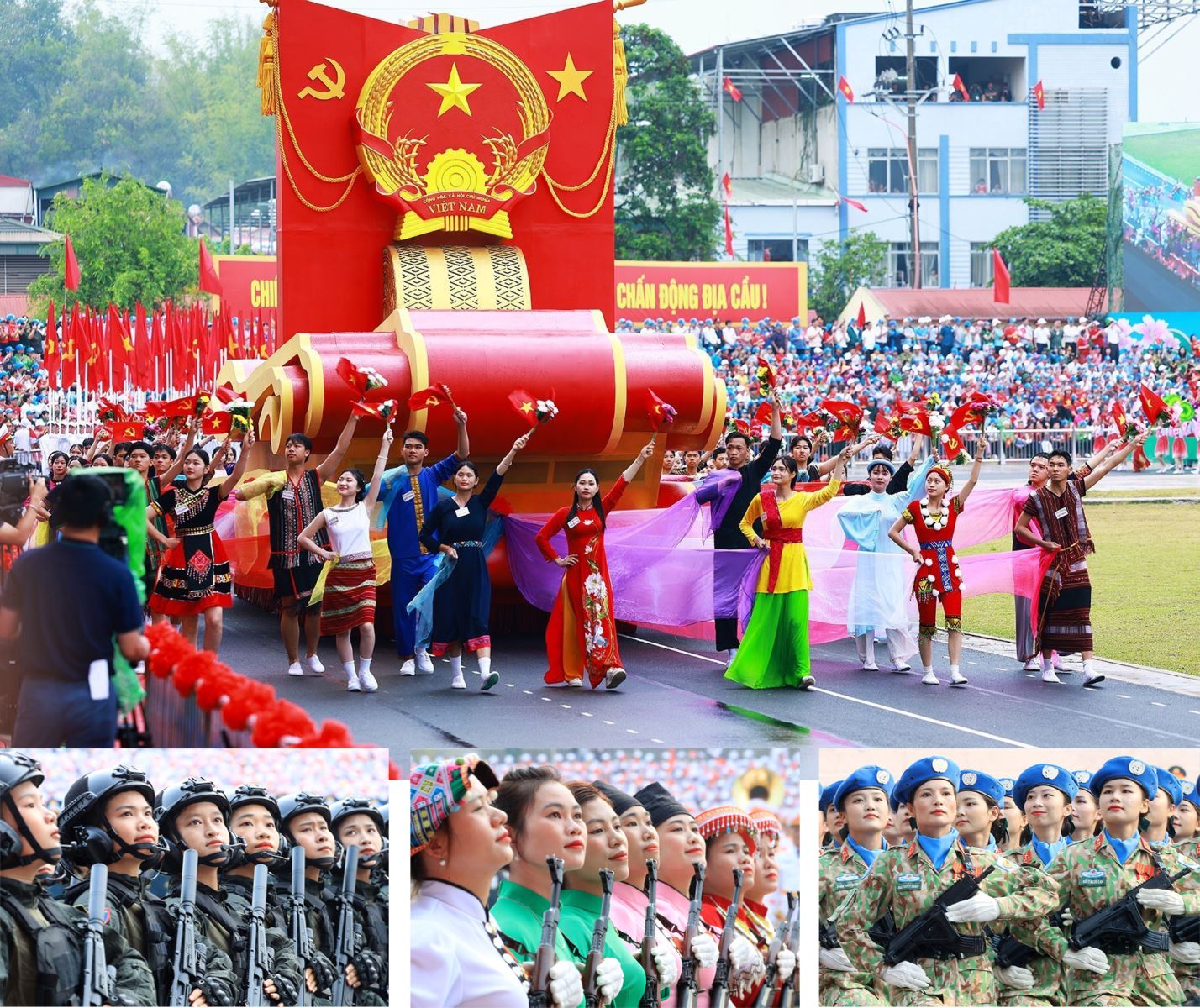 Rally, parade, and march commemorating the 70th anniversary of the historic Dien Bien Phu Victory (May 7, 1954 - May 7, 2024).
From a country subjected to a 30-year blockade and embargo, Vietnam has risen strongly, becoming a nation with increasingly high standing and prestige on the international stage. Vietnam's foreign relations have continuously expanded and deepened, especially with important partners and neighboring countries.
To date, Vietnam has established diplomatic relations with 194 countries; built strategic cooperative partnerships and comprehensive strategic partnerships with all major powers in the world; notably, it has Comprehensive Strategic Partnerships with 9 countries, including: China, the Russian Federation, India, South Korea, the United States, Japan, Australia, France, and Malaysia. The Vietnamese National Assembly maintains extensive relations with more than 140 countries; the Vietnam Fatherland Front, mass organizations, and people's organizations also carry out practical foreign relations with 1,200 people's organizations and partners in other countries...
On the multilateral front, Vietnam has gradually integrated deeply into international organizations and forums, building an image of a proactive, positive, and responsible nation in the international community. Currently, Vietnam is a member of more than 70 important international organizations and forums such as the United Nations, ASEAN, APEC, and WTO… Participation in these organizations not only helps Vietnam access international standards but also creates conditions for Vietnam to contribute to shaping global policies, especially in areas such as peace, security, sustainable development, and climate change.
In particular, the image of Vietnam as a peace-loving and humane nation has been strongly disseminated through the activities of over 1,100 military personnel participating in United Nations peacekeeping missions. These contributions not only affirm the strength of unity and intelligence of the Vietnamese people but also demonstrate a spirit of responsibility and readiness to work together to address the global challenges.
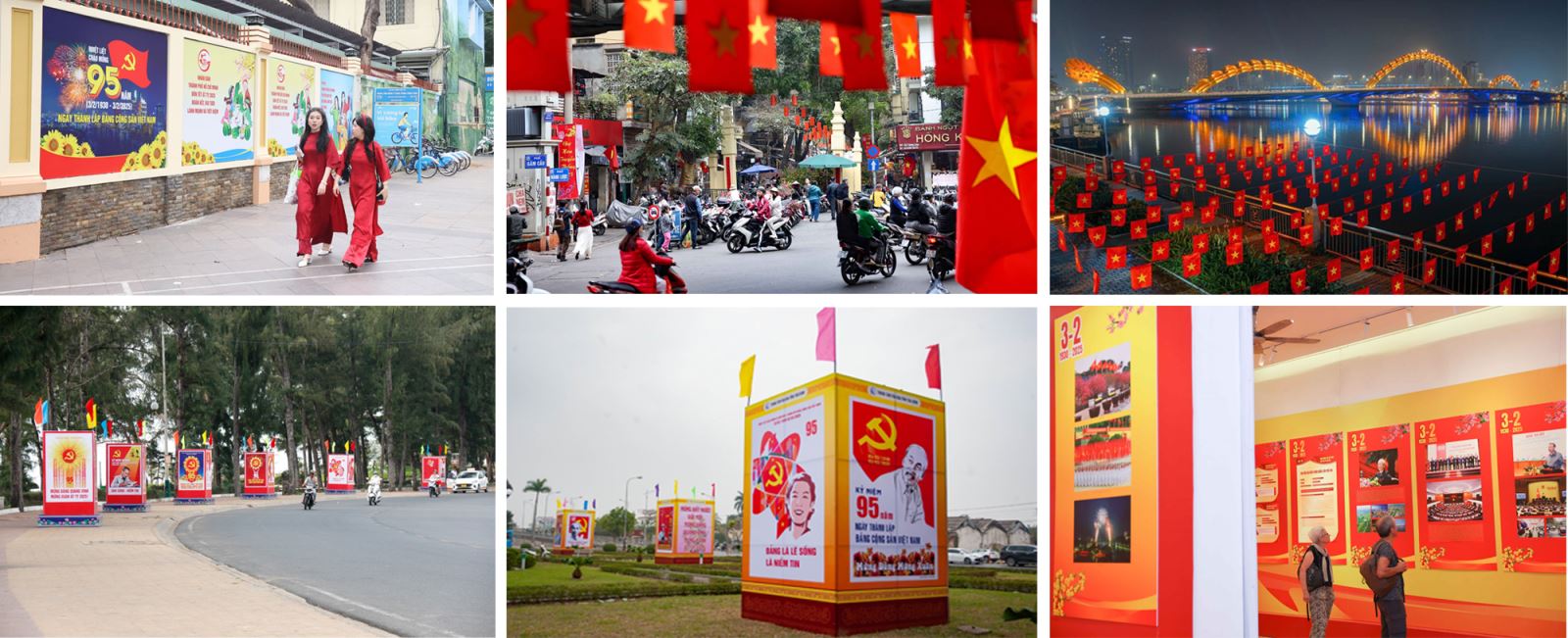 The achievements of nearly 40 years of implementing the country's reform process are all the result of the unity and solidarity of the entire Party, the entire army, and the entire people.
It is clear that the victories in the struggle for power, in the struggle for national construction and defense, and the achievements in building socialism, especially the achievements of nearly 40 years of implementing the country's renovation process, are ultimately the result of the unity and solidarity of the entire Party, the entire army, and the entire people. In other words, the more the unity and solidarity within the Party is strengthened, the more the strength of the national unity is enhanced. A united Party and a united nation will harness internal strength to lead the Vietnamese revolution to complete victory.
As affirmed by General Secretary and President To Lam at the press conference following the 13th Central Committee Meeting of the Communist Party of Vietnam (August 3, 2024): “Nothing is better than unity and solidarity. Unity and solidarity are our strength. Unity within the Party, the Politburo, and the Central Committee will continue to spread and be promoted. This is a very fine tradition, the strength of the Party and the nation, enabling us to overcome many difficulties and challenges, and achieve the victories and goals that our Party has set.”
Over the past 95 years, under the leadership of the Communist Party of Vietnam, founded and nurtured by President Ho Chi Minh, the Vietnamese nation has generally experienced two glorious eras. The first era is the era of independence, freedom, and socialist construction (1930-1975), beginning in 1930 with the founding of the Communist Party of Vietnam, leading to the great victory of the August Revolution in 1945 and the great achievements in the resistance wars against foreign aggression (1946-1975), along with important achievements in the construction of socialism in the North in the years 1954-1975. The second era is the era of national reunification, reform, and development (1975-2025), beginning with the great victory of the resistance war against the US imperialist invasion, reunifying the country and leading the entire nation towards socialism in 1975, creating a solid foundation for the country, under the leadership of the Party, to carry out the reform process starting from the 6th Party Congress in 1986, creating a strong and comprehensive development in all fields. region. And now, Vietnam is entering its third era, the era of national resurgence, which began with the 14th National Congress of the Party, marking 40 years of reform (1986 - 2026).
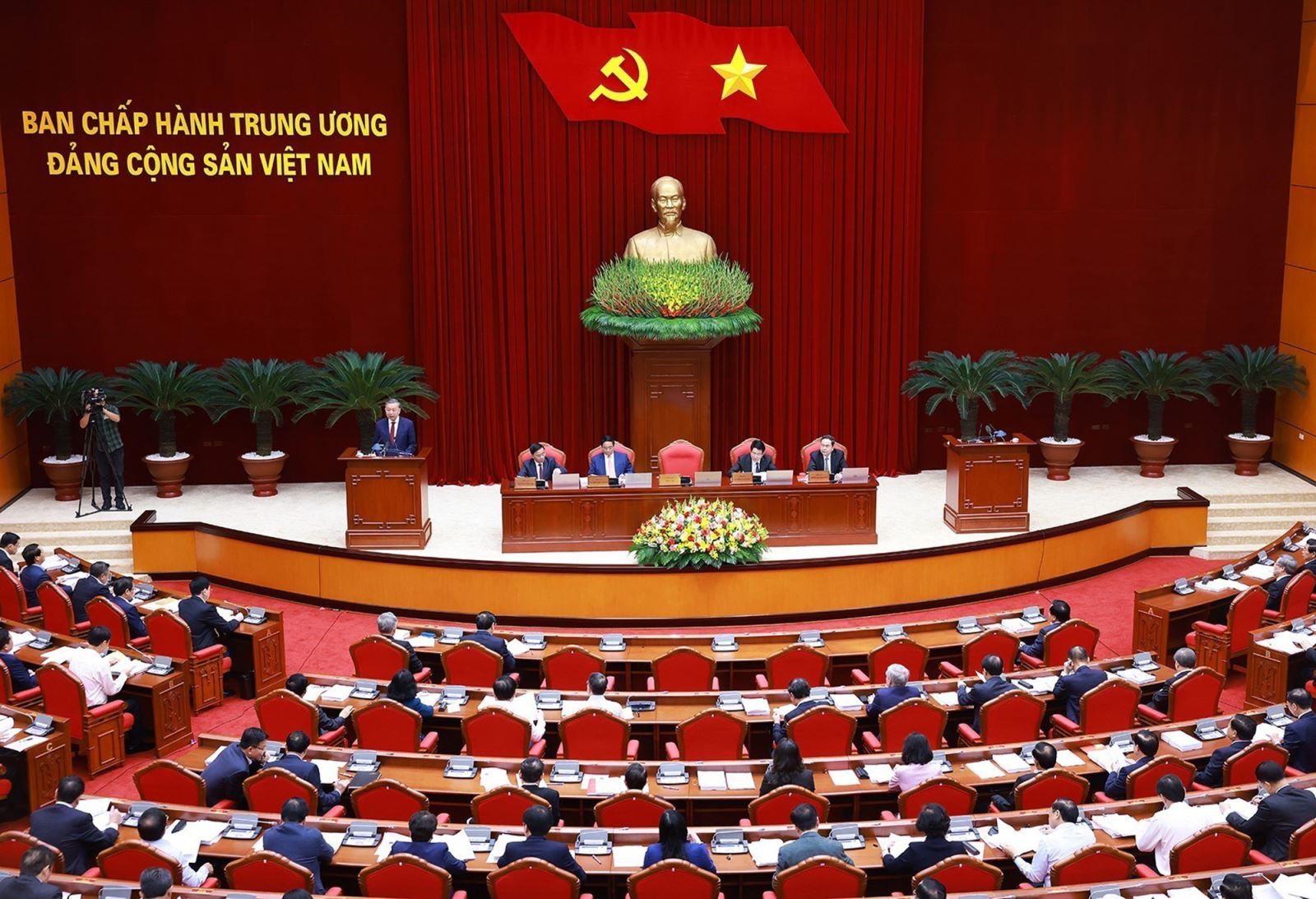 General Secretary To Lam delivered the opening speech at the 13th Central Committee Meeting of the Communist Party of Vietnam on the morning of November 25, 2024.
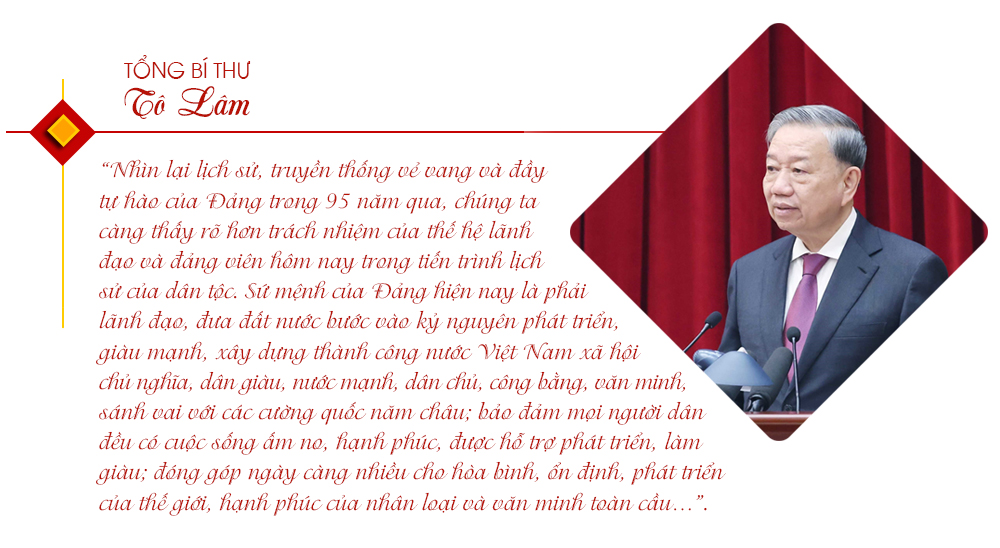
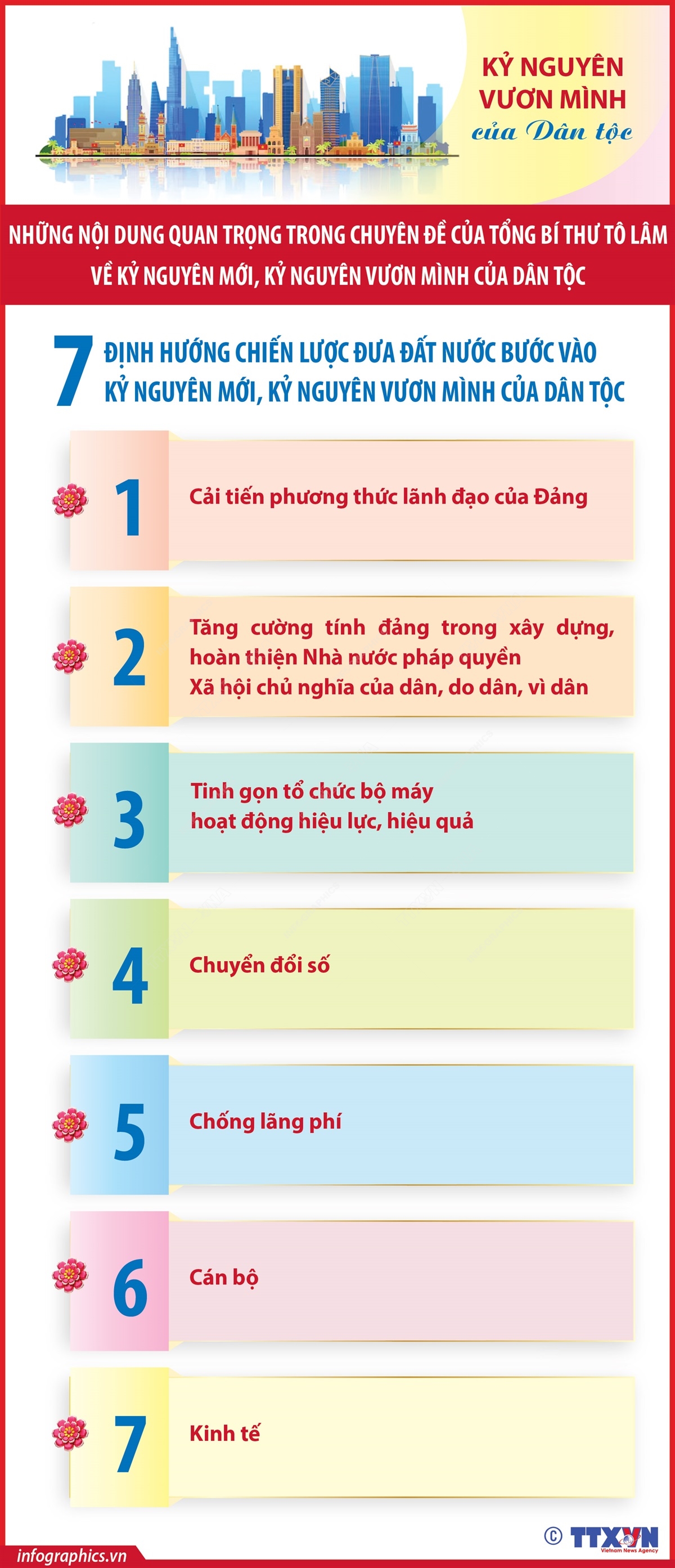
In an interview with the Vietnam News Agency on the occasion of the Lunar New Year 2025, General Secretary To Lam emphasized, "The era of national progress is an era of breakthrough development and accelerated growth under the leadership of the Party, successfully building a socialist Vietnam that is strong, prosperous, democratic, just, civilized, thriving, and happy; catching up with, progressing alongside, and standing shoulder to shoulder with the great powers of the world. The top priority in the new era is to successfully achieve the strategic goals by 2030, for Vietnam to become a developing country with modern industry and high middle income; and by 2045 to become a developed socialist country with high income; and for all citizens to have comprehensive development, a prosperous, free, happy, and civilized life."
General Secretary To Lam pointed out, "The period from now until 2030 is the most important stage for establishing a new world order. This is also a strategic period and opportunity, the final push of the Vietnamese revolution to achieve the 100-year strategic goal under the leadership of the Party, creating a solid foundation to achieve the 100-year goal of the nation's founding. The important thing is that we maximize the strength of national unity, the high efforts and determination of the entire Party, people, army, and the entire political system working together to realize the aspiration for a prosperous and happy country."
Article by: Diep Ninh - Minh Duyen (compiled)
Photos and graphics: VNA - VNA
Editor: Ha Phuong
Presented by: Ha Nguyen


![OCOP during Tet season: [Part 3] Ultra-thin rice paper takes off.](/_next/image?url=https%3A%2F%2Fvphoto.vietnam.vn%2Fthumb%2F402x226%2Fvietnam%2Fresource%2FIMAGE%2F2026%2F01%2F28%2F1769562783429_004-194121_651-081010.jpeg&w=3840&q=75)


Comment (0)