

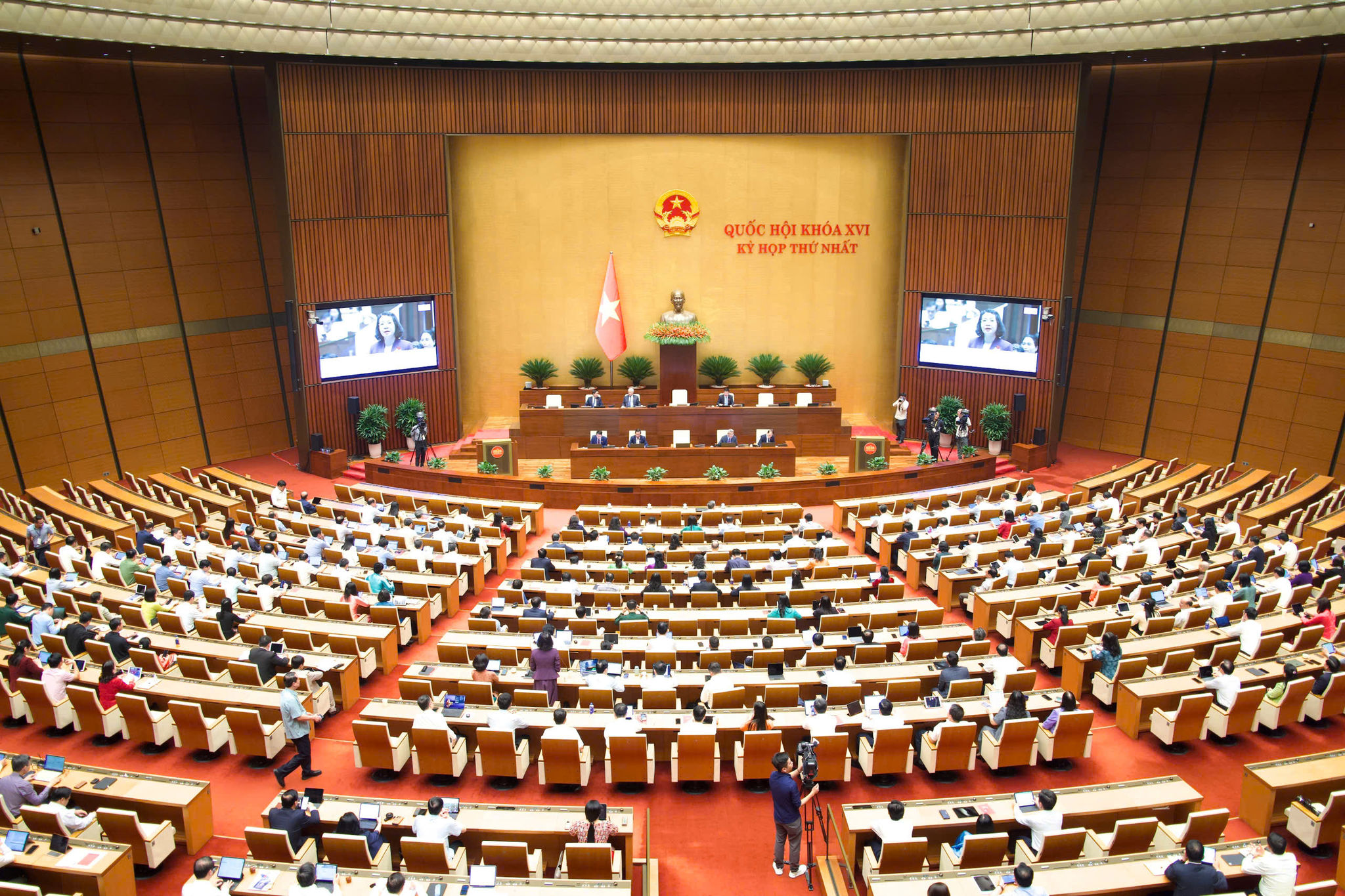
Improving the quality of policy and lawmaking.
In implementing Resolution No. 66-NQ/TW of the Politburo on reforming the work of lawmaking and enforcement to meet the requirements of national development in the new era, the Standing Committee of the Lam Dong Provincial Party Committee issued Action Program No. 06-CTr/TU with many key tasks and solutions.
The action program identifies the reform of lawmaking and enforcement as a crucial political task for the entire political system. The goal is to build a modern, transparent, and efficient governance system; to ensure that all Party guidelines are promptly and fully institutionalized; and to ensure that all policies, when enacted, are based on practical realities and prioritize the needs of citizens and businesses.
To achieve this goal, the province requires raising awareness and responsibility among Party committees, Party organizations, government agencies, officials, and Party members regarding the position and role of lawmaking and enforcement. Heads of agencies and units must directly lead, guide, and be responsible for the quality of drafting legal documents as well as the effectiveness of their implementation.
One of the key requirements emphasized in the Lam Dong Provincial Party Committee's Action Program is the comprehensive reform of the policy and lawmaking process. Mr. Tran Van Nam, Deputy Head of the Standing Committee of the Provincial Party Committee's Organization Department, stated: "Practical experience shows that the quality of legal documents depends greatly on the quality of the policymaking process. If policies are not practical, lack foresight, or have not been fully assessed for their impact, their implementation will lead to many shortcomings, and may even become obstacles to development."
Therefore, the Provincial Party Committee requested that research, practical summaries, surveys, and policy impact assessments be strengthened from the initial stages. The process of drafting documents must ensure democracy, openness, and transparency; and leverage the wisdom of experts, scientists, businesses, and the people.
In particular, authorities throughout the province have been proactively reviewing and identifying overlapping, inadequate, or outdated regulations to propose amendments, additions, or repeal. New issues arising from the practical development of socio-economic affairs, digital transformation, innovation, environmental protection, resource management, urban development, high-tech agriculture, etc., must be studied and promptly institutionalized.
In Lam Dong province, implementing Resolution No. 190 dated February 19, 2025, of the National Assembly (regulating the handling of some issues related to the reorganization of the state apparatus and Law No. 64 of the 15th National Assembly on the Promulgation of Legal Normative Documents, as amended and supplemented by new laws), the Provincial People's Council issued Resolution No. 21 dated August 28, 2025, on the application and repeal of legal normative documents issued by the People's Councils of Binh Thuan, Dak Nong, and Lam Dong provinces before their merger. The Provincial People's Committee issued Plan No. 806/KH-UBND dated January 19, 2026, to organize the implementation of the "360-day campaign to review and handle provincial-level legal normative documents" in the province. From July 1, 2025, to April 20, 2026, the province issued 110 legal normative documents of various types, promptly meeting the requirements.
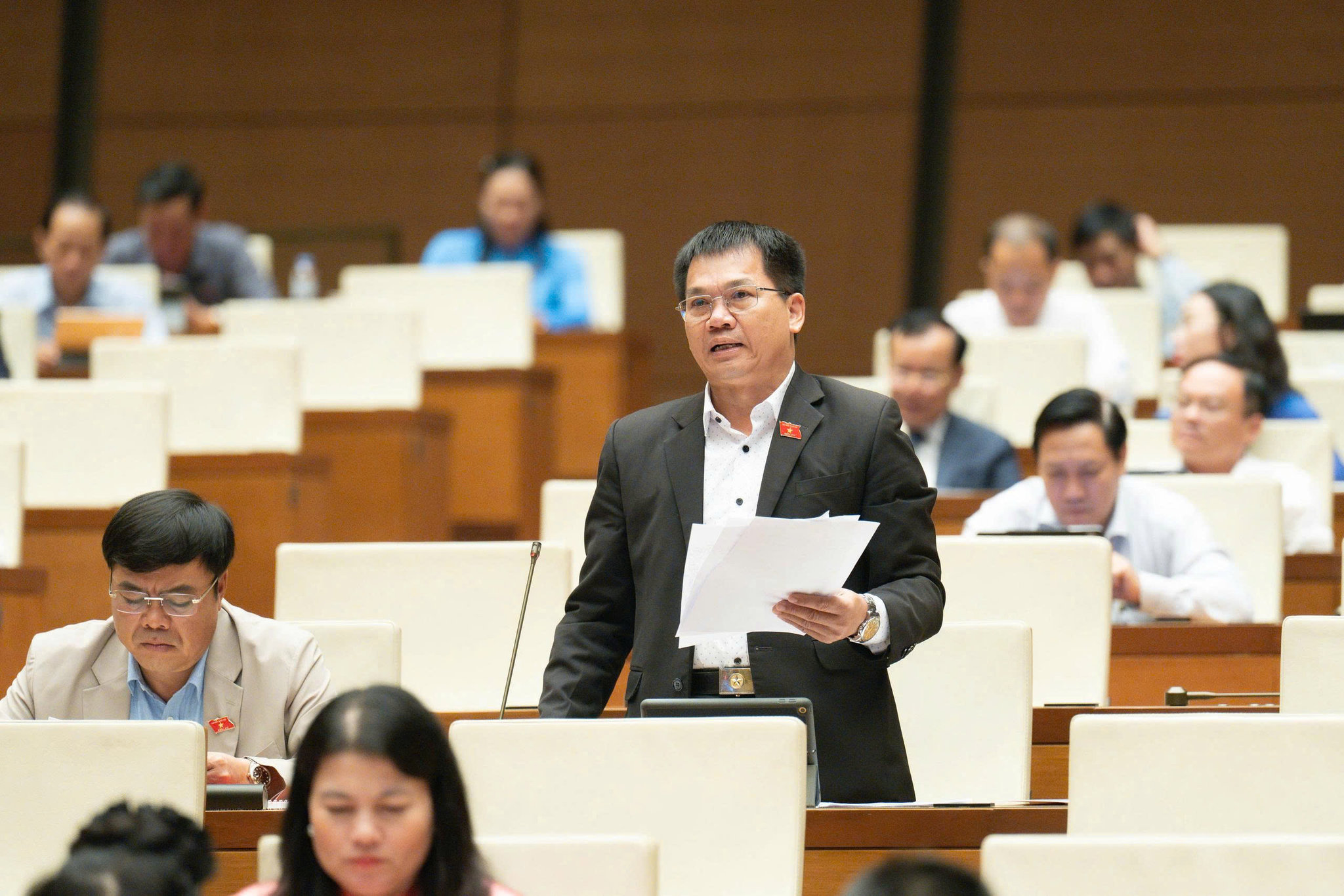
Bringing the law into practice.
If lawmaking is the first step, then law enforcement is the measure of the effectiveness of the entire process. A legal system, no matter how perfect, will struggle to be effective in practice if it is not implemented rigorously.
Therefore, the Action Program of the Lam Dong Provincial Party Committee particularly emphasizes the task of improving the effectiveness of law enforcement. The focus is on strengthening administrative discipline and order; upholding the responsibility of leaders; and overcoming the tendency to evade or shirk responsibility, work half-heartedly, or be afraid of making mistakes.
Agencies and units must proactively organize implementation immediately after the document is issued, ensuring uniformity from the provincial level to the grassroots. Inspection, supervision, and auditing of law enforcement should be carried out regularly to promptly detect and handle violations.
In addition, the province continues to promote administrative procedure reform, apply information technology, and digital transformation in state management. Administrative procedures must be handled in a transparent and open manner, reducing time and costs for citizens and businesses.
Another important aspect is improving the quality of legal dissemination and education. Instead of traditional methods, localities need to diversify their approaches, utilizing digital platforms, social media, and modern media to bring the law closer to the people.
Enhancing the leadership role of the Party
Reforming the process of drafting and enforcing laws is not only the responsibility of specialized agencies but also requires comprehensive leadership from Party committees at all levels.
In accordance with Resolution No. 66-NQ/TW, Party committees at all levels must strengthen inspection and supervision of the implementation of the Party's guidelines and policies on lawmaking and enforcement; promptly rectify shortcomings and weaknesses; and strictly handle cases of violations.
For Lam Dong province, the implementation of Action Program No. 06-CTr/TU is closely linked to the requirement of building a team of cadres with sufficient qualities, capabilities, and prestige, commensurate with their tasks. In this, each cadre and Party member must be truly exemplary in complying with the law; their words must match their actions; and the effectiveness of serving the people must be the measure of their performance.
The results of administrative procedure reform include reviewing, amending, simplifying, reducing, and digitizing work processes and documents. The Provincial Party Committee's Organization Department has strongly implemented the application of digital signatures for its leaders. All outgoing documents and routine work files are directly digitally signed by leaders and issued through the Operational Management Information System. This helps to streamline work processes, allowing leaders to handle documents anytime, anywhere, while minimizing the use of paper documents. The digitization combined with the digital signing of electronic documents has fundamentally changed traditional working methods, significantly reducing the time spent searching and extracting data for regular and ad hoc advisory work.
It can be affirmed that the implementation of Resolution No. 66-NQ/TW and Action Program No. 06-CTr/TU is not only an immediate task but also has long-term strategic significance. When the work of drafting and enforcing laws is strongly, synchronously, and effectively reformed, the law will truly become the foundation for modern governance, a driving force for socio-economic development, ensuring national defense and security, and improving the lives of the people.
In the context of Lam Dong province aiming to become a relatively developed locality in the country, building a transparent, stable, and favorable legal environment is even more important. This is a condition for attracting investment, developing a green economy, a digital economy, high-quality tourism, and high-tech agriculture.
Source: https://baolamdong.vn/doi-moi-cong-tac-xay-dung-va-thi-hanh-phap-luat-445533.html


































































































Comment (0)