


Unblocking capital flows
On May 27th, at the Da Nang Venture and Angel Investment Forum (DAVAS) 2026, international financial experts and fund managers unanimously agreed that Vietnam is at a crucial stage in building its venture capital ecosystem. The market's appeal is immense, but the ability to effectively connect with global capital flows depends on the capacity to receive and execute deals and transform that capital into tangible growth indicators.
Based on practical experience in various markets, Mr. Ruslan Rakymbay, Investment Director of Quest Ventures, observes that international investors can bring financial resources, networks, and global management knowledge. However, in the long run, an ecosystem cannot maintain sustainable development if it relies entirely on external factors. Vietnam needs to proactively enhance its local professional capacity by absorbing international knowledge and training a high-quality workforce with sharp thinking skills within the domestic market.
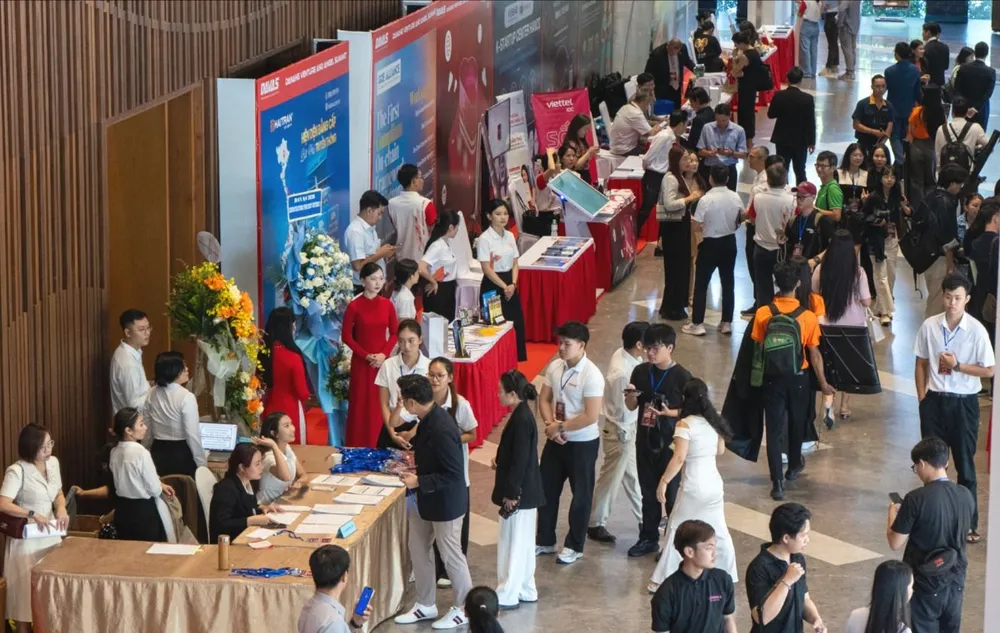
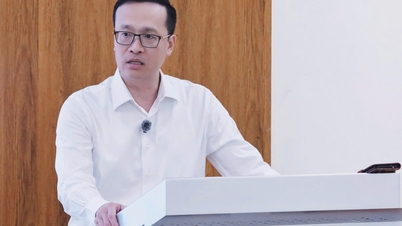
From the perspective of a domestic investment organization, Mr. Bui Thanh Do, Founding Partner and CEO of ThinkZone Ventures, shared a noteworthy fact: Although foreign funds always have abundant capital and are ready to invest in Vietnamese startups, their biggest gap is a lack of in-depth understanding of local culture, market mechanisms, and practical perspectives in the region.
Therefore, the development of domestic venture capital funds, combined with the planned establishment of a national venture capital fund, is expected to become a solid foundation for guiding and activating more private capital. This will also serve as a basis for promoting cross-border investment deals and creating long-term financial resources for startups.
Identifying strengths and key areas of expertise.
In the context of globalization, venture capital always seeks reliable investment environments with regular connection channels and clear operating mechanisms. Drawing on the experience of ecosystem development in other countries in the region, Tiffany Liu, a member of the Executive Board of the Singapore FinTech Association, analyzes that capital doesn't just naturally find its way in; it always moves in parallel with transparent governance policies and the maturity of the ecosystem.
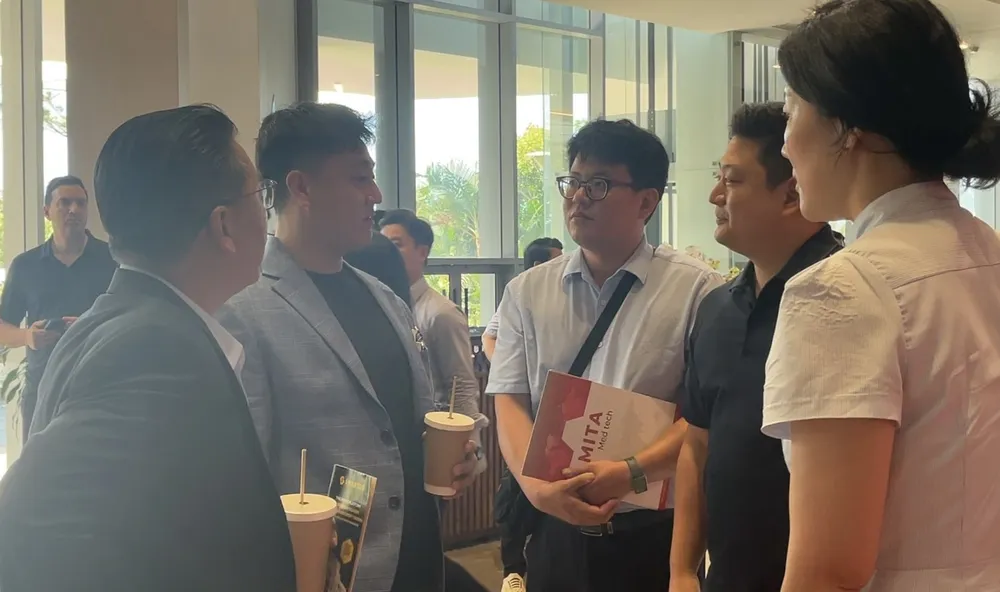
According to forecasts, the ASEAN digital economy is poised for a strong boom, but no single locality can optimize its resources if operating in isolation. Instead of attracting investment indiscriminately, each city needs to clearly define its key strengths, such as smart city development. This will provide a basis for international investors to monitor data and commit to long-term partnerships.
Sharing the same view on building a long-term launching pad for innovation, Mr. Pham Hong Quat, Director of the National Institute of Innovation (Ministry of Science and Technology), affirmed the increasingly important role of venture capital funds and angel investors. According to him, these forces help bridge gaps in capital and markets, enabling startups to stand firm against the explosion of new technologies. What the ecosystem needs to aim for is synergy, unlocking capital along with management knowledge and experience in operating international networks to help Vietnamese businesses expand globally.
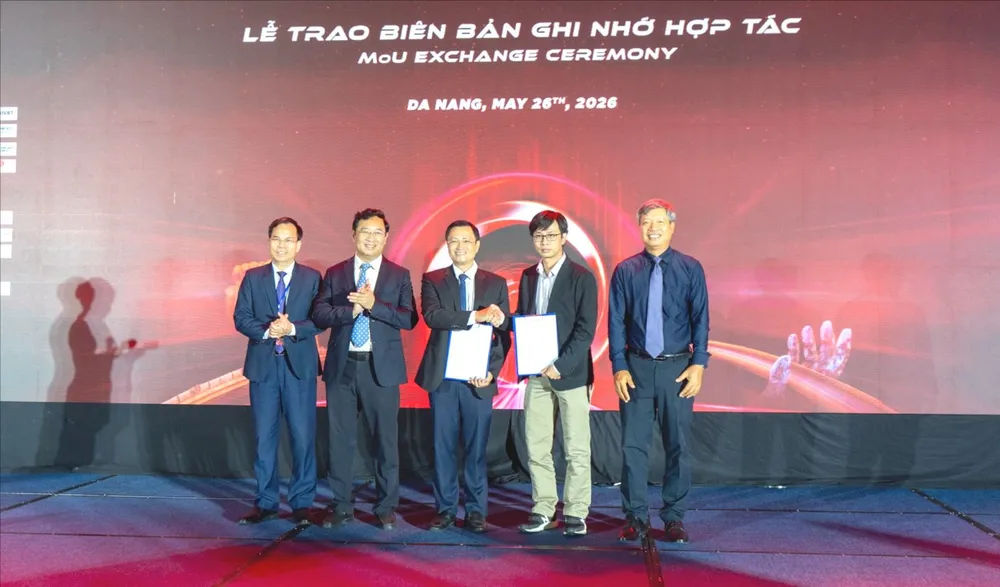
By 2030, the national strategy for innovative startups aims to establish 10,000 startups and achieve a venture capital market size of $1.5 billion. To realize this, piloting controlled policy models in promising sectors such as artificial intelligence (AI), financial technology, cryptocurrencies, and logistics is crucial to attracting talent and international capital.
When venture capital is guided by pioneering institutions, innovation truly creates businesses that are globally competitive.
Source: https://www.sggp.org.vn/dong-von-dau-tu-mao-hiem-tim-noi-luc-ban-dia-post854663.html
![[Photo] Secretary of the National Assembly Party Committee, Chairman of the National Assembly presides over the meeting of the Standing Committee and Executive Committee of the National Assembly Party Committee.](https://vphoto.vietnam.vn/thumb/1200x675/vietnam/resource/IMAGE/2026/06/03/1780480353201_ndo_br_bnd-2585-jpg.webp)

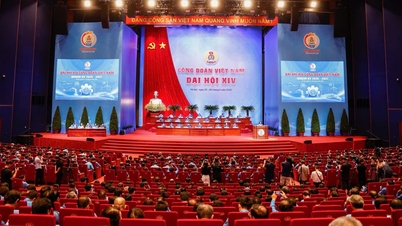
![[Photo] First session of the 14th Congress of the Vietnam Trade Union](https://vphoto.vietnam.vn/thumb/1200x675/vietnam/resource/IMAGE/2026/06/03/1780465947883_ndo_br_img-3852-jpg.webp)
![[Photo] General Secretary and President To Lam presides over a meeting with the Central Organizing Committee.](https://vphoto.vietnam.vn/thumb/1200x675/vietnam/resource/IMAGE/2026/06/03/1780482764658_a1-bnd-4741-3342-jpg.webp)







































![[Video] Sunset at Lap An Lagoon – Where the sun sets over the fishing nets](https://vphoto.vietnam.vn/thumb/1200x675/vietnam/resource/IMAGE/2026/05/31/1780192137701_beach-landscape-sea-water-nature-grass-745871-pxhere-com.jpeg)





















Comment (0)