

Previously, during discussions with the Ministry of Transport , the Standing Committee of the Government requested that the construction of high-speed rail (HSRT) be modern, integrated, and sustainable. Investment research for HSRT must be placed within the overall development plan, strategically forecasting the needs of all five modes of transport: air, road, rail, maritime, and inland waterway.
The Ministry of Transport needs to analyze the advantages of each mode, thereby clarifying the strengths of high-speed rail transport, which focuses on passenger transport, complements air transport, and only transports goods when necessary. Freight transport is primarily concentrated on existing railway lines, the maritime system, coastal waterway transport, and road transport.
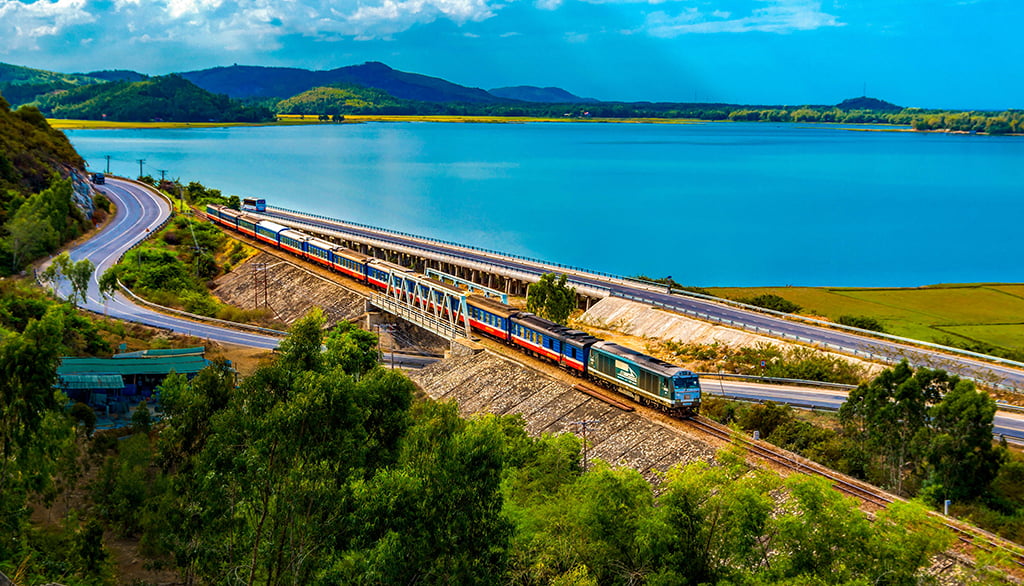
Vietnam's railway system is expected to be upgraded to high speed soon, after more than 140 years of stagnation and backwardness.
Prioritize passenger transport, reserve cargo space.
This week, the Standing Committee of the Government is expected to continue its meeting to discuss the North-South high-speed railway project. Notably, the Ministry of Transport previously presented three scenarios, but is expected to reduce them to only two. Accordingly, Option 1, which proposed a North-South high-speed railway solely for passenger transport, will be dropped. The remaining two options prioritize passenger transport and additional freight transport, with projected speeds of 200-250 km/hour or 350 km/hour.
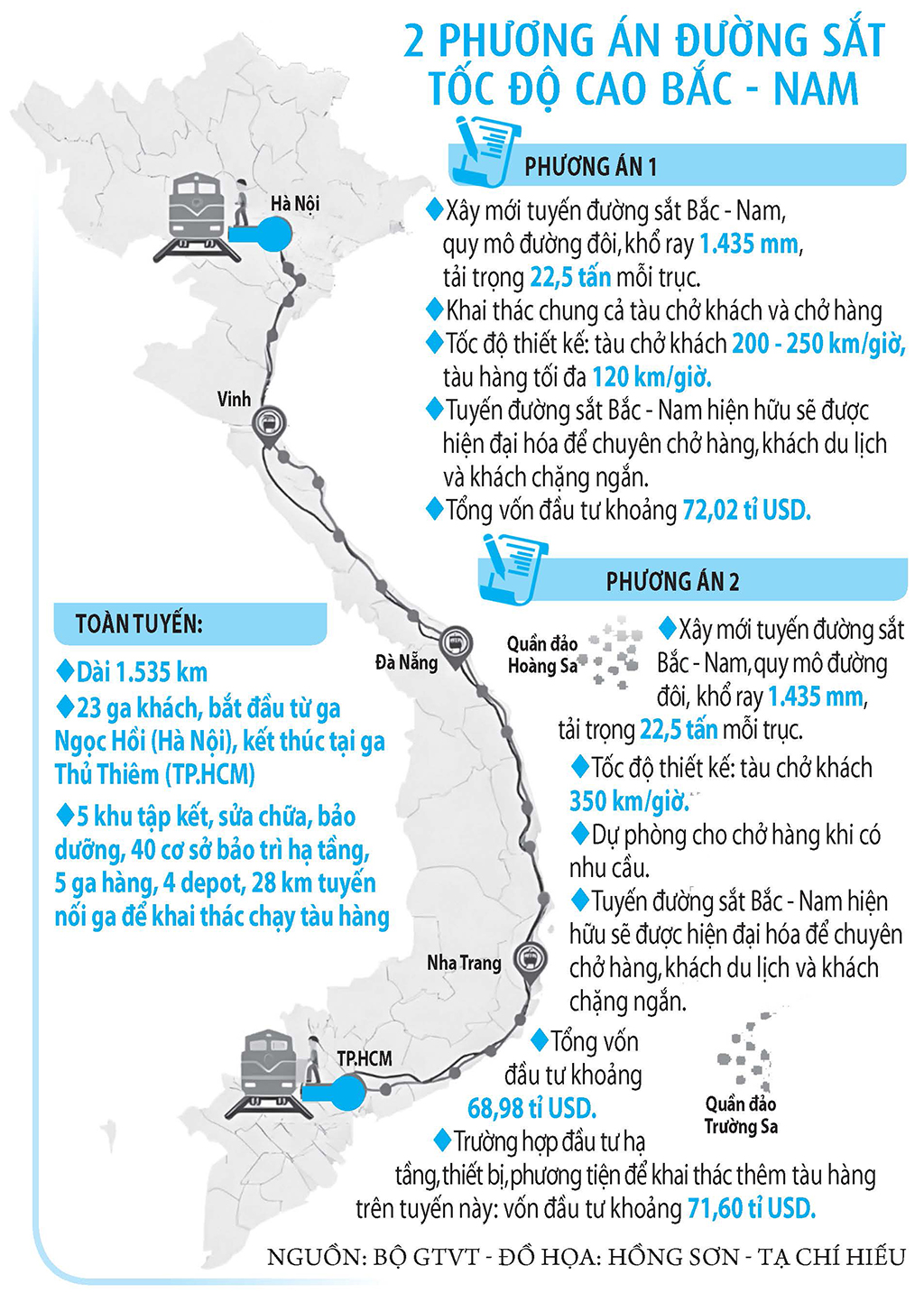
With a design speed of 200-250 km/hour, the North-South High-Speed Railway will be newly constructed as a double-track line with a 1,435 mm gauge, a load capacity of 22.5 tons per axle, and will operate both passenger and freight trains, with freight trains running at a maximum speed of 120 km/hour. The existing North-South railway line will also be modernized to transport goods, tourists , and short-distance passengers. The total investment under this scenario is approximately 72.02 billion USD.
Scenario 2 involves investing in a double-track high-speed rail system with a 1,435 mm gauge, a load capacity of 22.5 tons per axle, and a design speed of 350 km/hour, operating passenger trains and providing a reserve for freight transport when needed. The existing North-South railway line will also be modernized to specialize in freight transport, tourism, and short-distance passenger transport; the total investment is approximately US$68.98 billion. If infrastructure, equipment, and vehicles are also invested in to operate additional freight trains on this line, the project investment would be approximately US$71.60 billion.
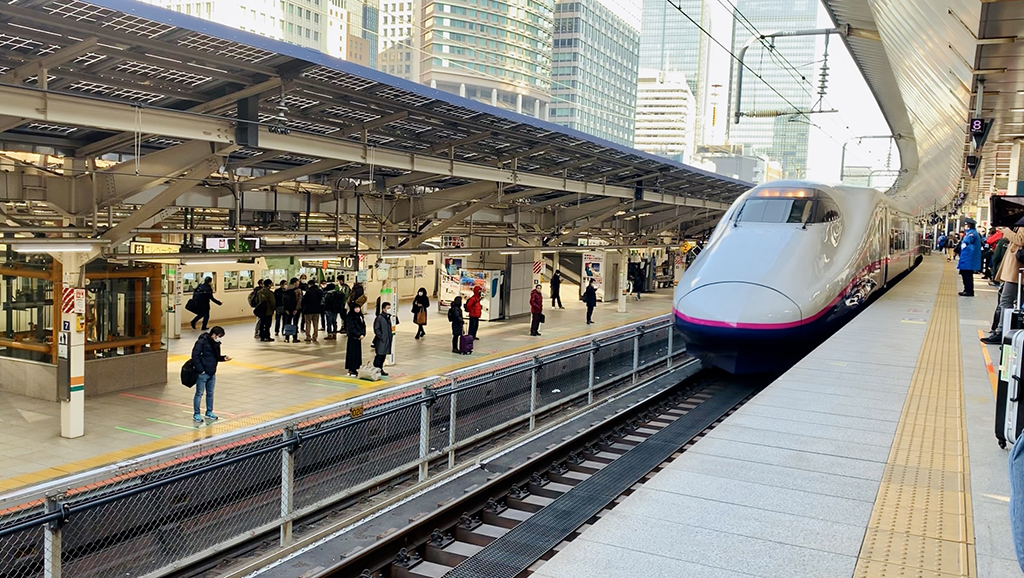
High-speed rail is very common in many countries, primarily for passenger transport. Pictured: Japan's Shinkansen bullet train.
According to calculations, a train journey from Ngoc Hoi station (Hanoi) to Thu Thiem (Ho Chi Minh City) with stops at 6 stations along the North-South route will take 5 hours and 26 minutes, while a journey with stops at 23 stations will take 7 hours and 54 minutes. Shorter routes such as Hanoi - Vinh and Nha Trang - Thu Thiem will take 1-2 hours, depending on the number of stations the train stops at.
The choice of which option to use will depend on the actual market forecast. However, according to research by consulting firms, the cost of transporting one container from Cat Lai Port (Ho Chi Minh City) to Hai Phong by sea is only 8 million VND, while by rail it costs 12 million VND.
Globally, the principle for reducing logistics costs is that waterways and sea transport are the cheapest, followed by rail, then road and air. Forecasts and surveys indicate that Vietnam's main freight transport needs are by waterway and sea. The Institute for Transport Strategy and Development (Ministry of Transport) and consultants from Japan and South Korea have also surveyed and calculated where goods are going, what types of goods are being transported, and how to optimize transport costs. Rail transport has the lowest freight volume. For industrial zones, orders are typically placed annually, so sea transport is the primary method. Existing rail transport mainly carries fruits and vegetables, consumer goods, and some specialized bulk and liquid cargo.
Studies and forecasts indicate that the demand for freight transport by rail is not high. However, the Ministry of Transport and its consultants argue that the North-South high-speed railway should not be built solely for passenger transport, but also needs freight transport as a contingency plan to share the burden with other transport sectors such as sea and air. In addition, the existing North-South railway line will be retained and modernized to specialize in transporting goods, tourists, and short-distance passengers. Studies of international models also show that the optimal speed for freight transport by train is 80 km/hour.
Leaning towards a speed of 350 km/h?
One issue raised by many experts when opposing the 350 km/h train speed plan is that this speed is unsuitable for transporting both passengers and goods. However, according to the consultant's calculations, trains designed at 350 km/h can still carry both passengers and goods, with a transportation system organized into different time slots, dividing passenger and freight train schedules. Faster passenger trains would run first, followed by slower freight trains, or during nighttime hours, etc. Other countries also organize train operations using this model, dividing them by time.
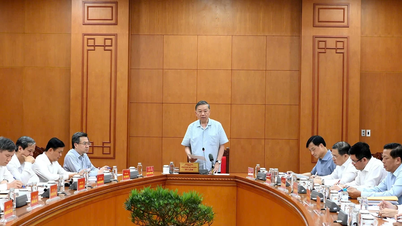
A representative from the Ministry of Transport said that the choice of which speed option to favor for the North-South high-speed railway project will be reviewed by the Standing Committee of the Government before the Ministry of Transport finalizes the proposal to submit to the Standing Committee of the Government and the Politburo, expected in March.
Previously, in a concluding statement, Deputy Prime Minister Tran Hong Ha requested the Ministry of Transport to study a plan for "developing high-speed rail in a synchronized, efficient manner, in line with global trends, with a design speed of 350 km/hour, and truly becoming the backbone; while effectively utilizing the existing railway lines."
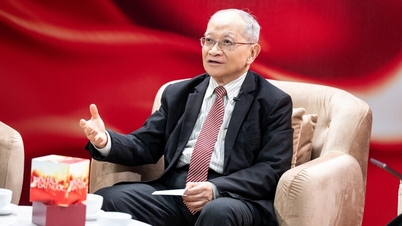
Speaking to Thanh Nien newspaper , Associate Professor Tran Chung, Chairman of the Vietnam Association of Road Transport Infrastructure Investors (VARSI) and a member of the Advisory Group assisting the Steering Committee in developing the investment plan for the North-South High-Speed Railway, said that the group members had many differing opinions. Supporting the choice of a design train speed of 350 km/hour, Professor Chung argued that it is necessary to take a shortcut and anticipate future trends in high-speed railway investment.
"Our country has had successful experiences in leapfrogging in the field of information technology, creating huge breakthroughs for many large technology companies and corporations. High-speed rail has stringent design requirements regarding route alignment and curves. For example, the curve of a 250 km/h train is only about 3,500 m, but a 350 km/h train has a curve of up to 8,000 m. The technical aspects of the rail system are very complex. Many countries face difficulties when upgrading railways from 250 km/h to 350 km/h, sometimes even having to rebuild the entire line. Therefore, it is necessary to build the 350 km/h line in one go to avoid future upgrades," Mr. Chung analyzed.
According to this expert, building a 350 km/hour high-speed railway is part of the goal of achieving Net Zero by 2050. Furthermore, to make the railway competitive with air travel, if a 350 km/hour train from Hanoi to Ho Chi Minh City takes only about 5.5 hours, passengers will choose the rail. However, if trains only run at 250 km/hour, much slower than airplanes, the railway market share race with air travel will no longer be effective.
Regarding whether high-speed rail trains should carry passengers or both passengers and cargo, Dr. Tran Chung believes that passenger transport should be prioritized. He argues that it's necessary to specifically calculate the demand for freight transport from Ho Chi Minh City to Hanoi by rail, or the volume of goods exported to China. Vietnam's long coastline makes sea freight more advantageous for exporting goods, especially from southern and northern ports targeting international markets.
"My view is that passenger and freight transport should not be combined, due to operational safety concerns when organizing train operations, especially regarding the signaling and communication system, which also presents challenges. If we carry both freight and passenger transport, we would have to invest in additional terminals, which cannot be shared between passenger and freight stations. Furthermore, we might have to invest in connecting tracks for freight, requiring significant investment. Therefore, passenger transport should be prioritized," Mr. Chung said.
Moving towards mastering technology.
Recently, in a proposal to amend the Railway Law submitted to the Government, the leaders of the Ministry of Transport stated that, regarding resources, increasing the state's capital contribution ratio would create a breakthrough for the development of railway infrastructure, especially urban and high-speed railways currently under preparation for investment. "According to estimates, if the state's capital contribution increases to 80% and private capital is mobilized at 20%, considering only the national railway system, by 2030, it is possible to mobilize up to 48,000 billion VND in non-state budget capital," the Ministry of Transport stated.
The Ministry of Transport also proposed regulations requiring provinces to coordinate and allocate adequate land in areas surrounding railway stations for urban development, commercial service areas, offices, and hotels. It is estimated that the high-speed rail line alone, with approximately 23 passenger stations and areas around stations with potential for service and urban development of about 500 hectares/station, and a construction density of 55%, could generate revenue from land exploitation of up to 230,000 billion VND… These mechanisms will serve as the basis and resources for the development of high-speed rail in the future.
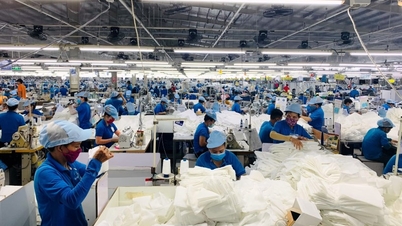
The Ministry of Transport also acknowledged that the domestic railway industry is currently underdeveloped, only meeting the needs for maintenance and repair of existing railways; there is no long-term strategic direction for development. According to calculations, the infrastructure construction cost for the railway line alone is approximately 45 billion USD. Preliminary assessments show that domestic enterprises are basically capable of undertaking the infrastructure construction portion worth up to about 30 billion USD (with domestically produced materials and supplies worth about 25 billion USD), creating a large market for materials production and construction... For businesses, this policy gives domestic enterprises the opportunity to receive modern technology transfer, master operation and maintenance, and localize 30-40% of new carriage manufacturing; creating an important impetus for the development of domestic mechanical engineering enterprises…
Approximately 13,000 people are needed to operate and maintain the high-speed rail system.
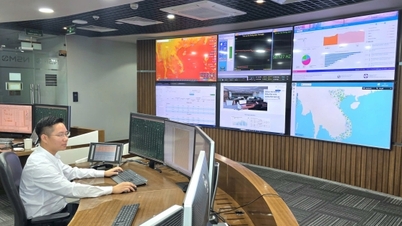
According to Mr. Dang Sy Manh, Chairman of the Board of Directors of Vietnam Railways Corporation (VNR), VNR has proposed to the Government and has received approval to entrust the railway sector with the task of preparing for the management and operation of high-speed rail. Accordingly, the first step is to prepare human resources; it is estimated that high-speed rail will require approximately 13,000 people for operation and maintenance. Based on international experience, training should be phased to avoid situations where training begins too early before employment is available.
Source link














































































Comment (0)