

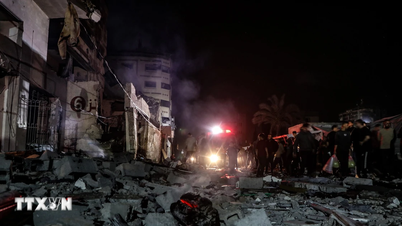
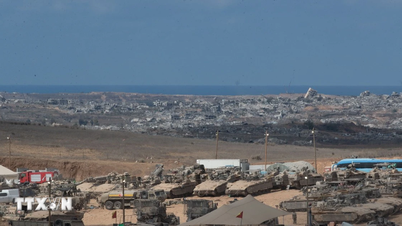
Polling stations opened at 7 a.m. on April 25 in Deir el-Balah, an area with approximately 70,000 eligible voters. This is the first election in Gaza in 20 years and is seen as a "pilot" step, given that much of the territory has been devastated after more than two years of conflict.
Deir el-Balah was chosen because it is one of the few areas that remains relatively intact.
Simultaneously, nearly 1.5 million voters in the occupied West Bank also participated in elections to elect local councils responsible for essential services such as water, electricity, and infrastructure. However, these elections were considered largely symbolic, as important decisions still required approval from Israel – the country that controls or occupies Gaza and the West Bank.
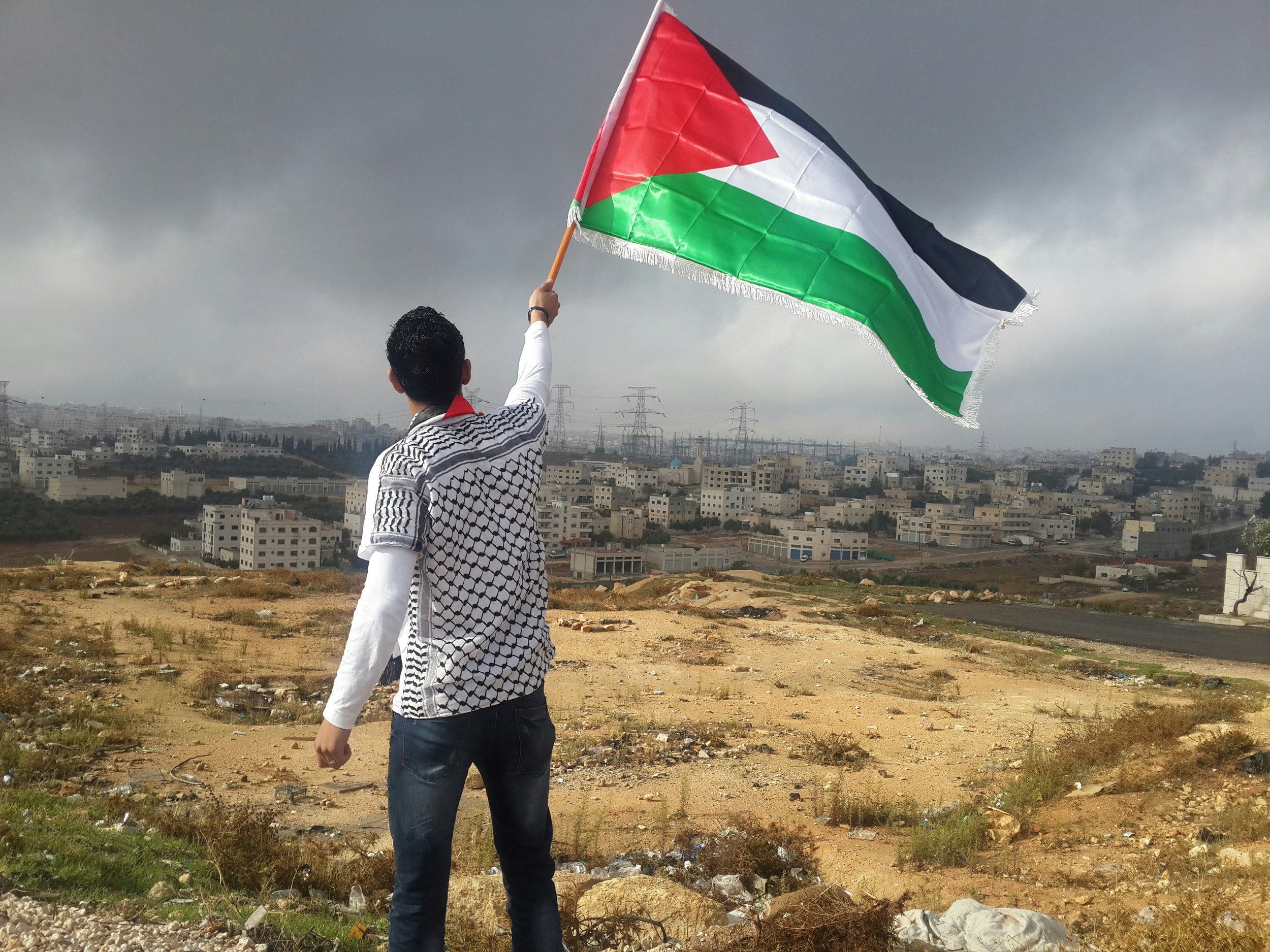
Most of the candidate lists are backed by President Mahmoud Abbas's Fatah movement, or are independent candidates. There is no official participation from Hamas or other parties, although Hamas remains a highly popular force according to opinion polls.
The Palestinian Central Election Commission, based in Ramallah, said that holding elections in Gaza faced numerous obstacles, including the inability to implement traditional voter registration procedures or transport election supplies into the area.
The committee's spokesperson, Fareed Taamallah, said the main goal of the vote was to create a political link between the West Bank and Gaza. However, the committee did not coordinate directly with Israel or Hamas in organizing the event in Deir el-Balah.
According to previous data, the voter turnout rate in Palestinian local elections typically ranges from 50-60%, which is relatively high compared to the region.
In terms of reforms, Abbas has issued decrees over the past year aimed at changing the electoral system, including allowing individual voting instead of party lists, lowering the age for candidacy, and increasing the proportion of female representation.
Another decree required candidates to accept the Palestine Liberation Organization's program, which included recognizing Israel and renouncing armed struggle, thus excluding Hamas and several other factions from the formal political process.
Some major cities, such as Ramallah and Nablus, did not hold elections due to a lack of candidates.
Source: https://congluan.vn/gaza-mo-diem-bau-cu-lan-dau-sau-20-nam-10339491.html




![[Photo] General Secretary and President To Lam presides over the meeting to approve the draft report on the results of the second inspection by the Politburo of the Standing Committee of the Hanoi City Party Committee.](https://vphoto.vietnam.vn/thumb/1200x675/vietnam/resource/IMAGE/2026/05/26/1779789811432_a2-bnd-4430-9620-jpg.webp)

































































Comment (0)