

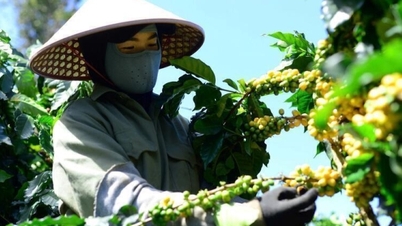
Climate change, prolonged heatwaves, diseases, and aging coffee plants have negatively impacted coffee yields. Simultaneously, the area under coffee cultivation is shrinking as farmers switch to other, more profitable crops.
Furthermore, the crisis caused by the conflict in the Red Sea is severely impacting shipping routes connecting Southeast Asian countries (such as Vietnam and Indonesia) with markets in Europe. This means that importers are forced to accept longer shipping times or pay higher prices to compensate for the increasing risk insurance costs.
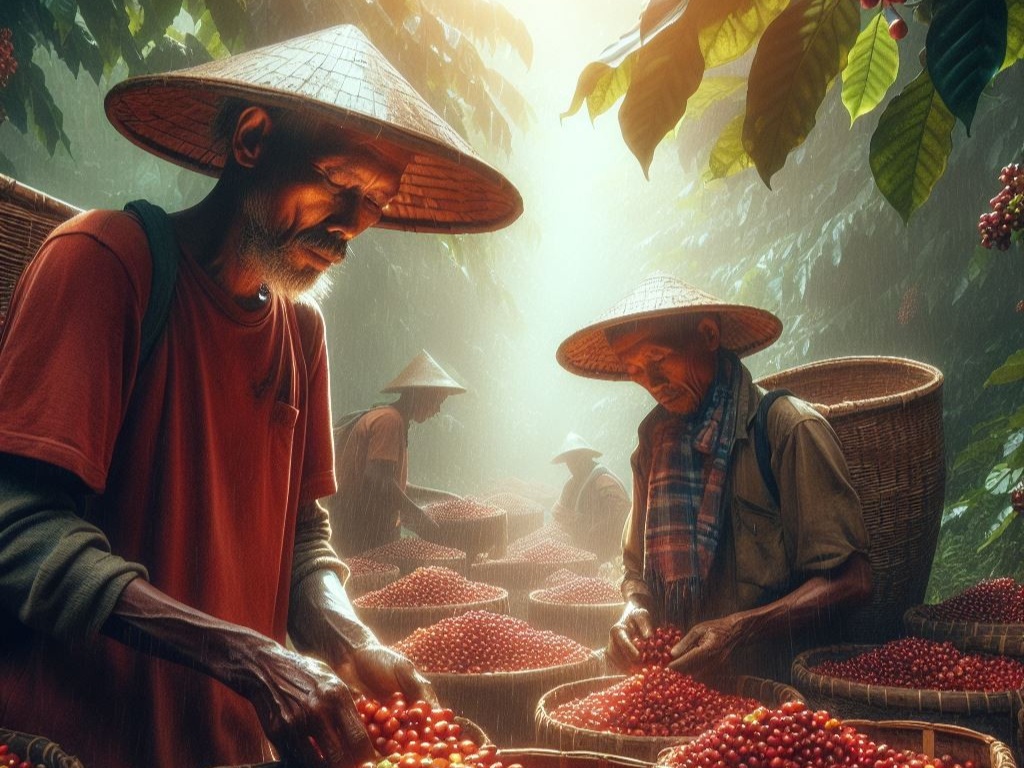 |
| According to experts, coffee prices are expected to continue their upward trend in the short term. |
Along with that, coffee consumption has also increased globally, especially in markets such as China, India, and Southeast Asia. Changing coffee consumption trends in these markets have contributed to boosting overall demand.
Furthermore, the increase in prices of other commodities such as oil and food has impacted coffee prices in an upward direction. Macroeconomic instability, along with increasing inflationary pressure, will also cause investors to seek safe havens such as coffee and gold.
According to economic experts, coffee prices are expected to continue their upward trend in the short term due to the influence of several factors. Specifically: the conflict in the Red Sea remains unresolved; and demand for coffee is increasing in promising markets such as China.
In the medium term, coffee prices are likely to stabilize or decline slightly due to forecasts of increased coffee production in major producing countries such as Brazil and Vietnam in the 2023/2024 crop year. At the same time, coffee consumption demand may decrease slightly due to the impact of the economic recession.
Meanwhile, in the long term, the trend for coffee prices is predicted to increase due to: continued growth in global coffee consumption; and the potential impact of climate change and diseases on future coffee production.
According to experts, during the current volatile market conditions, investors and farmers should closely monitor coffee market fluctuations to make appropriate investment and production decisions. Adopting a portfolio diversification strategy will help minimize risks.
Additionally, consulting with coffee market experts is a helpful way to obtain more information and make more accurate predictions.
Source





















































































Comment (0)