

Hoa Lu Citadel - a heritage site of timeless value.
At the scientific conference "Dinh Tien Hoang - Historical Significance and National Aspiration," Associate Professor Dr. Tong Trung Tin of the Vietnam Archaeological Association affirmed this when discussing the heritage value of Hoa Lu Capital. He explained: Archaeological sites from the 10th century are not numerous. To date, the most important and most studied site from this period is the Hoa Lu Ancient Capital complex in Truong Yen commune, which served as the capital of the Dinh and Le dynasties for 42 years (968-1010). Vietnamese archaeology has conducted several relatively large-scale research projects on the Hoa Lu historical and cultural site, yielding much new information that allows for a more concrete understanding of the historical and cultural value of Vietnam during the Dinh-Early Le period within the history of Vietnamese culture.
Over more than 1000 years, most of the remains of Hoa Lu citadel have been destroyed. Archaeological investigations show that Hoa Lu citadel was large in scale, built by connecting many natural mountains with sections of city walls. The construction of the citadel, consisting of multiple concentric walls, following the natural terrain of Hoa Lu, reflects the Vietnamese tradition of citadel construction dating back to the time of An Duong Vuong, clearly demonstrating a very high level of self-reliance and self-strength in the construction and protection of the independence of the Dinh dynasty and the people of Dai Co Viet during that period…
In his research, Dr. Nguyen Ngoc Quy, from the Institute of Archaeology, Vietnam Academy of Social Sciences, also affirmed that Hoa Lu Citadel is a unique architectural work, demonstrating a process of both maintaining and developing traditional architecture while absorbing new technical innovations, thereby creating a distinct Vietnamese style in the 10th century. The explorations and discoveries made to build Hoa Lu Citadel formed a Hoa Lu art form that initiated the flow of Dai Viet civilization and was further strongly influenced and developed in the Ly-Tran art forms…
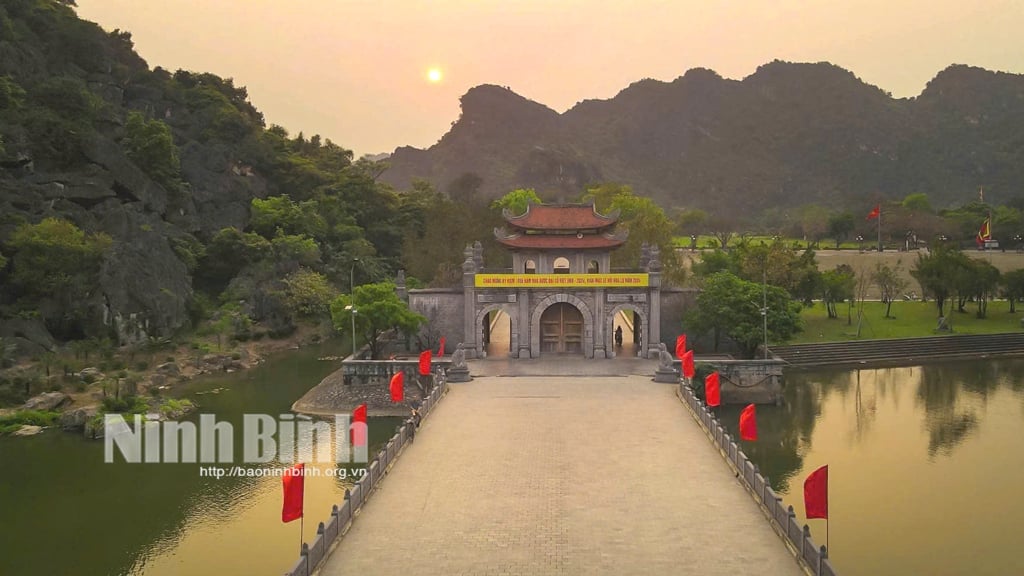
Numerous archaeological and historical studies by domestic, international, and provincial experts and scientists share a common assessment: Hoa Lu, the capital of the country, fulfilled its historical mission for 42 years and left behind a rich legacy of historical value in the nation's history. It was a great achievement in the process of building and defending the country, a very important milestone in the nation-building and defense history of our people in the 10th century.
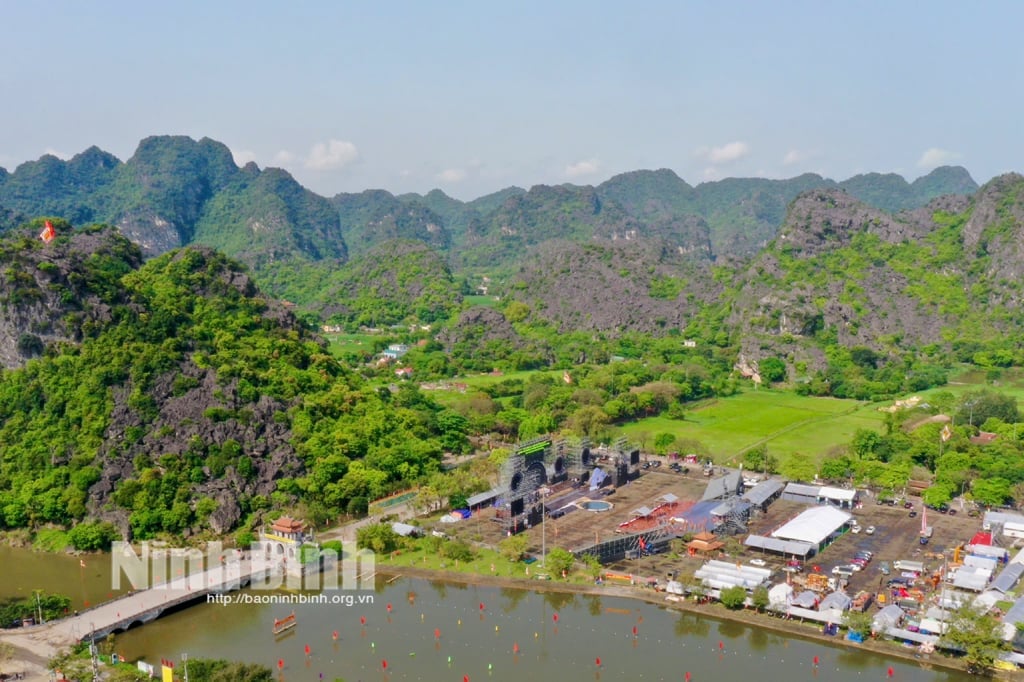
Ninh Binh is a land with a rich history and cultural traditions, preserving tangible and intangible cultural heritage that reflects the unique national identity, blended with the majestic natural landscape of mountains, rivers, and a system of shimmering, mystical water-filled caves.
This land, steeped in history and home to many outstanding people, is where, more than 1000 years ago, in 968, Dinh Bo Linh unified the country, ascended the throne as Emperor, established his capital in Hoa Lu, adopted the reign name Thai Binh, and gave birth to Dai Co Viet - the first centralized feudal state in our country in the 10th century.
Hoa Lu was the capital of three dynasties: the Dinh, the Early Le, and the beginning of the Ly Dynasty, existing for 42 years (968-1010). In 1010, King Ly Thai To moved the capital from Hoa Lu, Ninh Binh to Dai La, later renamed Thang Long, Hanoi. The Hoa Lu capital has been known as Hoa Lu Ancient Capital ever since.
Today, visiting the ancient capital of Hoa Lu, the past, present, and future, history, natural landscapes, and people seem to blend together, taking us back to the thousand-year-old indomitable roots of our nation.
The tangible and intangible cultural heritage of Hoa Lu Capital that remains today is of exceptionally important value in the history of the nation, serving as a vivid symbol of the indomitable will, self-respect, and yearning for independence, freedom, and national unity of the Vietnamese people throughout thousands of years of history.
A crucial strategic resource for economic, cultural, and social development.
Over the years, deeply aware of the immense and precious values of the Hoa Lu Imperial City heritage, Ninh Binh province has always attached great importance to, researched, invested in, and promoted the heritage left by its ancestors, considering it a crucial strategic resource to practically and effectively serve the cause of building and developing the local economy and society, especially the development of tourism and cultural industries.
In reality, preserving heritage in conjunction with sustainable development, establishing the appropriate position of Hoa Lu Ancient Capital within the system of historical capitals of the nation, and making the central area of Hoa Lu Ancient Capital one of the core elements and driving forces for implementing urban development strategies, cultural industry development strategies, and tourism development strategies of Ninh Binh province is a necessary task today.
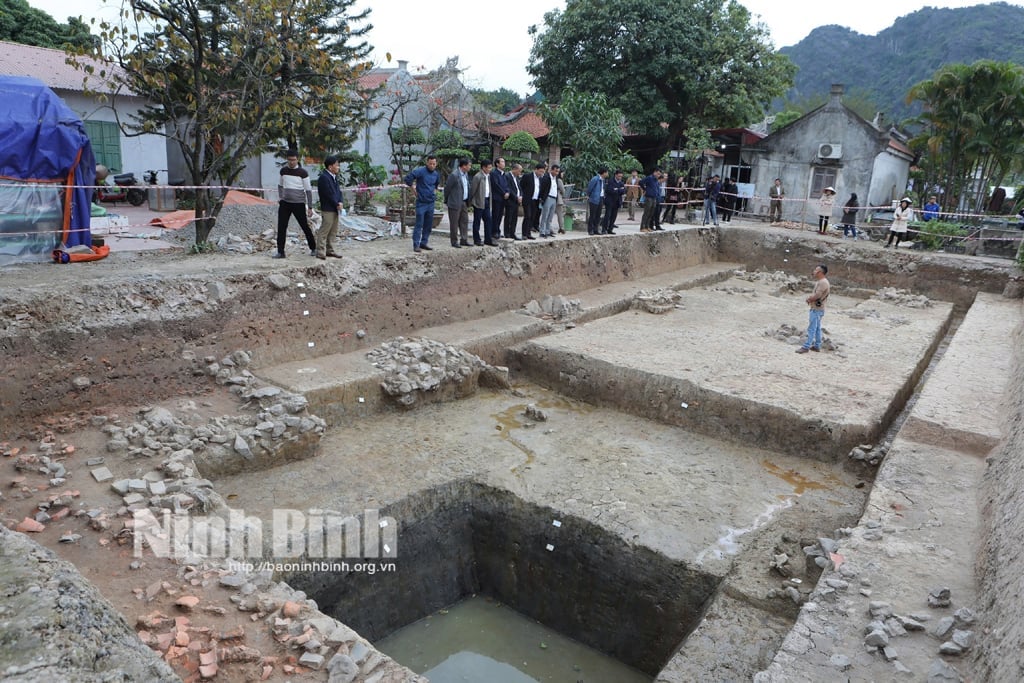
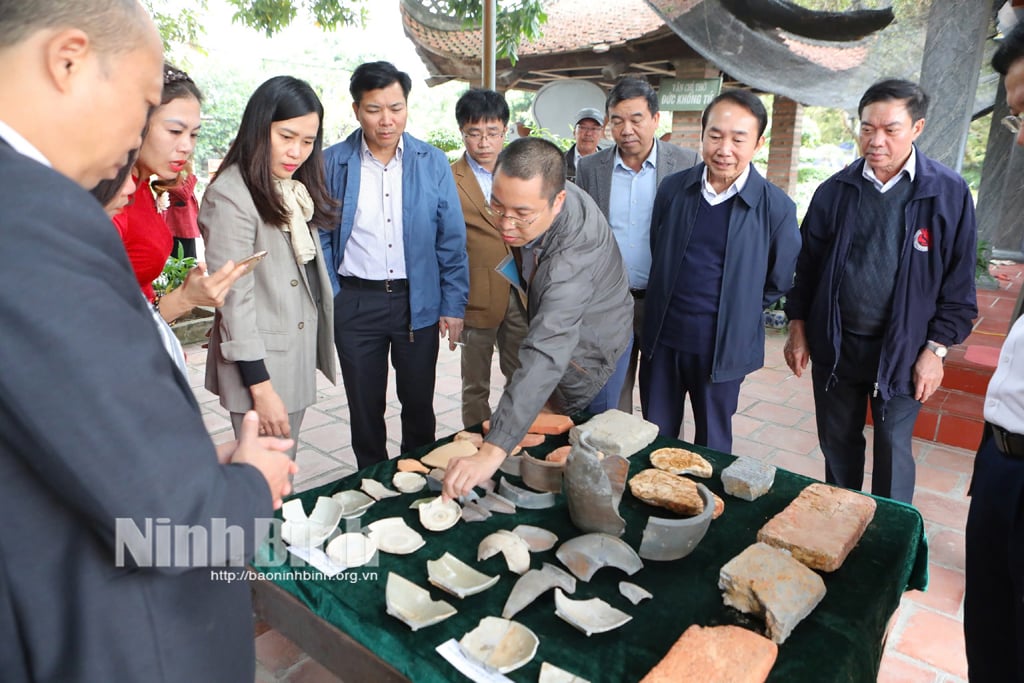
Associate Professor Bui Minh Tri, from the Institute of Imperial City Studies, Vietnam Academy of Social Sciences, in his research and analysis of the Dinh Dynasty's historical traces at Thang Long Imperial Citadel, also suggested that Ninh Binh province needs a long-term strategy of coordinating investment in research with large-scale, comprehensive archaeological excavation and research projects, organized and implemented in a more professional, scientific, and systematic manner, with a roadmap spanning many years, similar to Thang Long Imperial Citadel. This will gradually clarify the inherent values of Hoa Lu Capital in history, contributing to a deeper understanding of the political stature, aspirations for national unification and revival of Emperor Dinh Tien Hoang, and transforming Hoa Lu into a heritage city on par with regional and international standards, becoming an impressive and attractive tourism center in the future development of Ninh Binh province's cultural industry.
Among the solutions proposed to improve the effectiveness of preserving and promoting the value of the Hoa Lu Imperial City heritage, Mr. Nguyen Duc Long, Chairman of the Ninh Binh Cultural Heritage Association, mentioned the application of science and technology in protecting and promoting the value of relics, such as: applying module software in relic management; applying Lidar and Round Radar technology to determine locations for archaeological excavation; applying 3D printing technology in preserving the constituent elements of relics… These applications promise to open up new spaces for the continued effective and sustainable exploitation of the Hoa Lu Imperial City relics…
Over the years, based on important legal documents: the Master Plan for the Conservation, Restoration, and Promotion of the Value of the Hoa Lu Ancient Capital Historical and Cultural Relic Site, approved by the Prime Minister in Decision No. 82/2003/QD-TTg dated April 29, 2003; Decision No. 56/QD-TTg dated February 7, 2023, approving the task of formulating a plan for the preservation, restoration, and rehabilitation of the Hoa Lu Ancient Capital Special National Relic Site until 2030, with a vision to 2050; Decision No. 218/QD-TTg approving the Ninh Binh Provincial Planning for the period 2021-2030, with a vision to 2050… these have served as the legal basis for Ninh Binh province to shape the implementation of conservation and promotion activities for the Special National Relic Site heritage in a long-term direction.
Ninh Binh province has issued numerous programs, plans, and projects, and implemented a comprehensive range of solutions, in which cultural heritage is identified as the foundation and basis for developing the cultural industry and tourism.
In particular, Decision No. 577/QD-UBND dated June 8, 2009, of the Provincial People's Committee on approving the adjustment of the detailed plan for conservation, restoration, and promotion of the value of the Hoa Lu Ancient Capital Special Protection Area, serves as the basic legal basis for the implementation of conservation and restoration work and the conditions for promoting the value of the historical site.
Based on the approved master plan, important architectural relics within the historical site have been invested in, restored, and their landscapes improved, such as: the Temple of King Dinh, the Temple of King Le, the Ngan Pagoda relic, the Temple of Princess Phat Kim…
The value of the Hoa Lu Imperial City heritage is being effectively utilized to create diverse tourism products. This opens up a new direction in promoting the value of local heritage, so that culture becomes an intrinsic strength, in line with the spirit of Resolution XXII of the Provincial Party Congress.
Ninh Binh's tourism and cultural industries have seen significant progress and breakthroughs, yielding important results: strengthened state management of tourism and culture; improved quality and efficiency in tourism and cultural industries; increasingly improved infrastructure and technical facilities serving the cultural industry and tourism; tourism and service activities are gradually being organized and managed scientifically, professionally, and sustainably; and security, environmental hygiene, and civility are ensured.
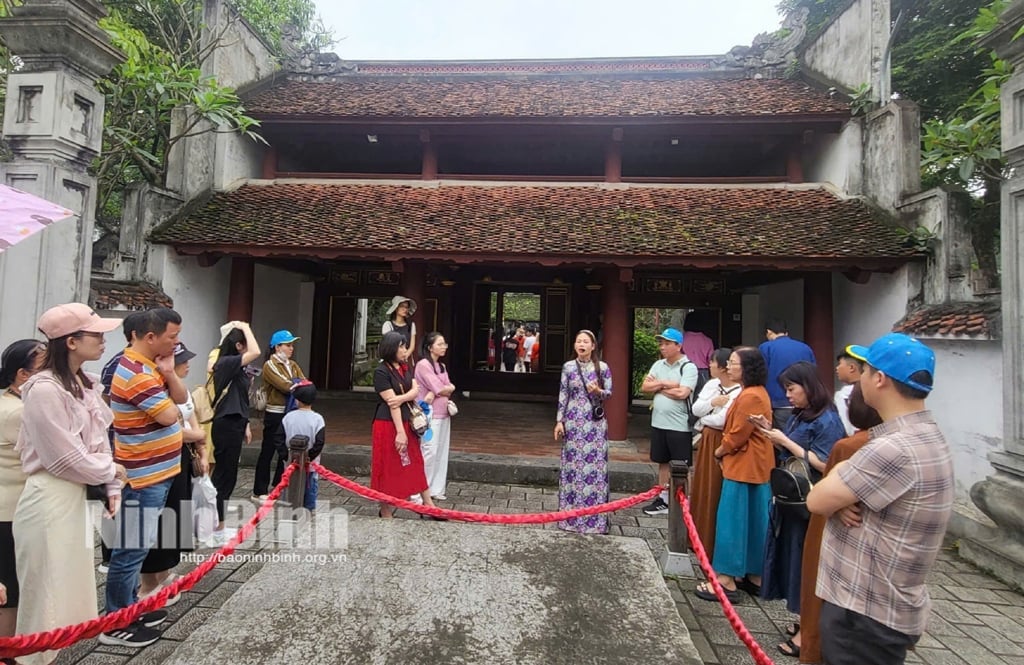
Many high-quality, strong-branded products, deeply rooted in the cultural identity of Ninh Binh's land and people, have been developed and are initially meeting the needs of tourists, such as: ecotourism products, sightseeing and experiencing the natural values associated with the Trang An Scenic Landscape Complex; cultural and spiritual tourism products; handicraft village tourism products; traditional festival tourism products; urban tourism products; entertainment tourism; street food and culinary tourism...
Ninh Binh also collaborates with many organizations to host cultural, sports, and tourism events, music programs, fashion shows, exhibitions, and publications. Through these activities, it integrates the promotion of Ninh Binh's traditional culture to the world, contributing to affirming the beauty of this ancient capital and millennium heritage site.
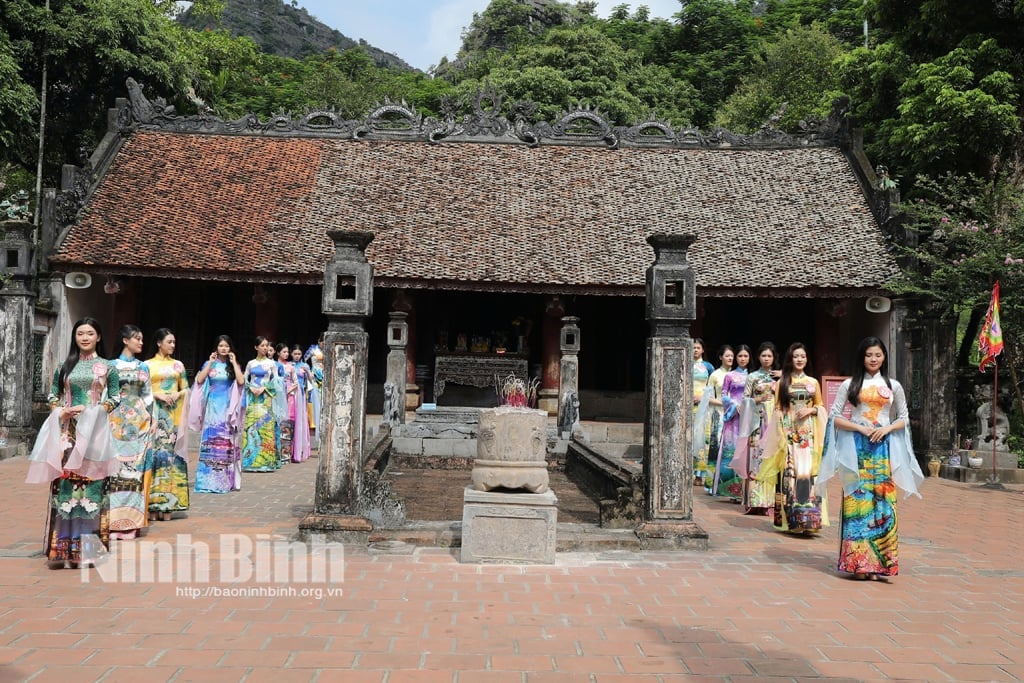
Conservation, preservation, restoration, and heritage preservation activities, combined with the development of historical tourism, spiritual tourism, cultural tourism, and ecotourism linked to agricultural and rural livelihood models, are being promoted to attract domestic and international tourists.
The role of the community in preserving and conserving cultural heritage continues to be enhanced, thereby improving the quality of tourism products and creating momentum for local socio-economic development.
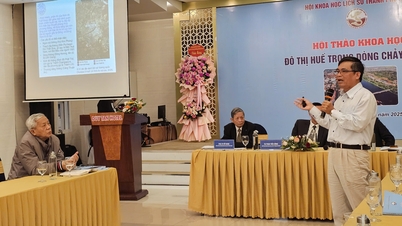
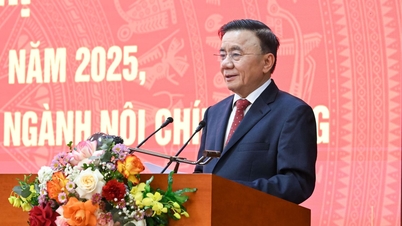
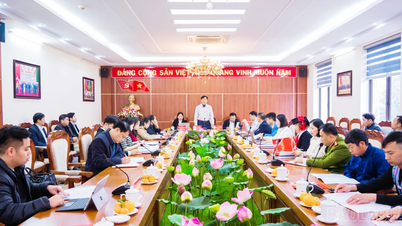
In line with the province's economic, cultural, and social development strategy, aiming to build Ninh Binh into a centrally-governed city with the characteristics of a Millennium Heritage City and a Creative City; and to continue effectively implementing the Project "Preserving and promoting the historical, cultural, and traditional values of the people and land of Hoa Lu Ancient Capital", on September 10th, the Ninh Binh Provincial People's Committee, in coordination with the Vietnam Academy of Social Sciences and the Vietnam Historical Science Association, organized a scientific seminar entitled "Consulting on strategies for preserving, reconstructing, restoring, and promoting the heritage values of Hoa Lu Ancient Capital using scientific and technological solutions" .
The seminar aims to gather interdisciplinary scientific research on Hoa Lu citadel to date; and at the same time provide new materials and important scientific foundations for the reconstruction and restoration of Hoa Lu Imperial Citadel in particular, and Hoa Lu capital in general.
At the same time, drawing on domestic and international experience, especially the experience of countries that have successfully preserved, reconstructed, and restored ancient capitals, we aim to propose feasible ideas and solutions that can be implemented soon to restore Hoa Lu Imperial Citadel in particular, and Hoa Lu capital in general, contributing to the cultural, economic, and social development of the province.
Bui Dieu
Source: https://baoninhbinh.org.vn/gia-tri-di-san-kinh-do-hoa-lu-trong-thuc-hien-chien-luoc/d20240908160818400.htm






























































Comment (0)