

On pleasant afternoons in Sa Pa, Ms. Nguyen Thanh Thao Truc, a tourist from Ho Chi Minh City, and her group of friends often wander along the Muong Hoa valley in search of ideal viewpoints.
I met Ms. Truc while she was sitting with her friends, watching the sun gradually set behind the distant mountains. As twilight descended, a silvery golden light bathed the valley, blending with the lush green of the terraced rice fields, creating a scene as peaceful and poetic as a painting.
Ms. Truc said that the beauty of the rice fields is what motivates her to return to Sa Pa many times: "Whether the rice is green or ripe in Sa Pa, it's beautiful. That's why I return to Sa Pa every year and often choose to stay in Ta Van to fully enjoy the natural scenery. During this season, every morning when I wake up, open the window, and see the lush green terraced rice fields stretching out, I feel very relaxed."
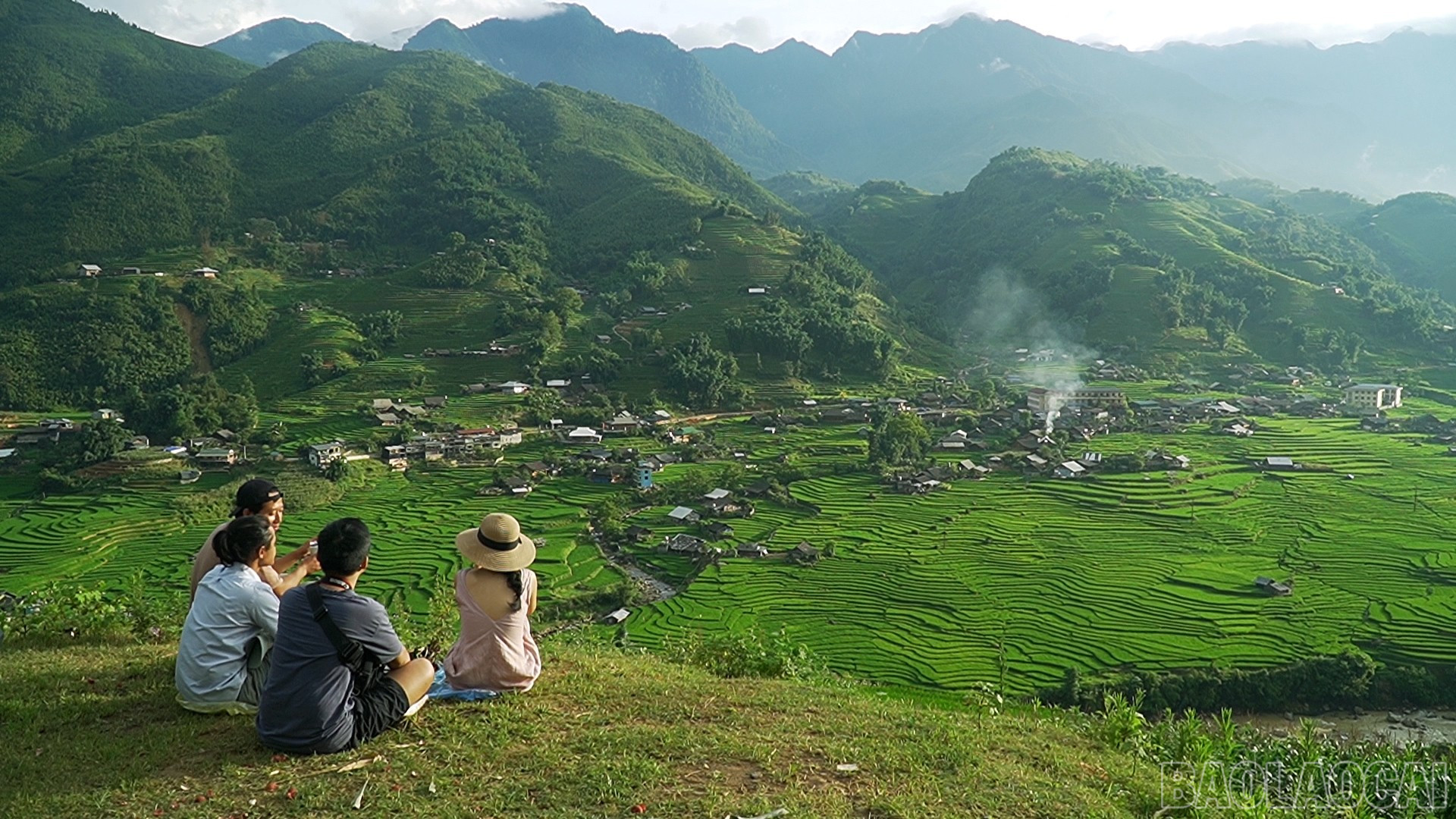
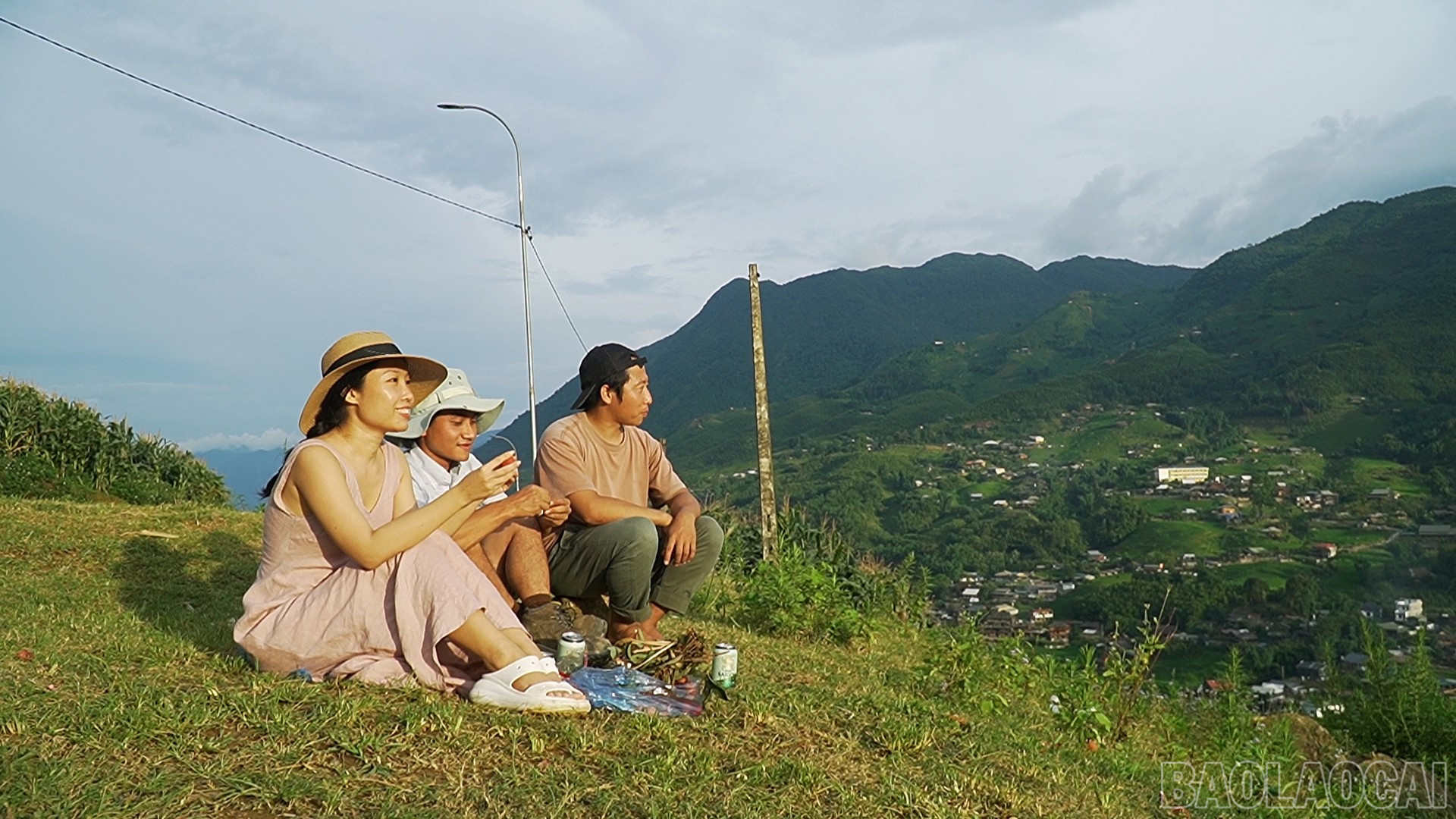
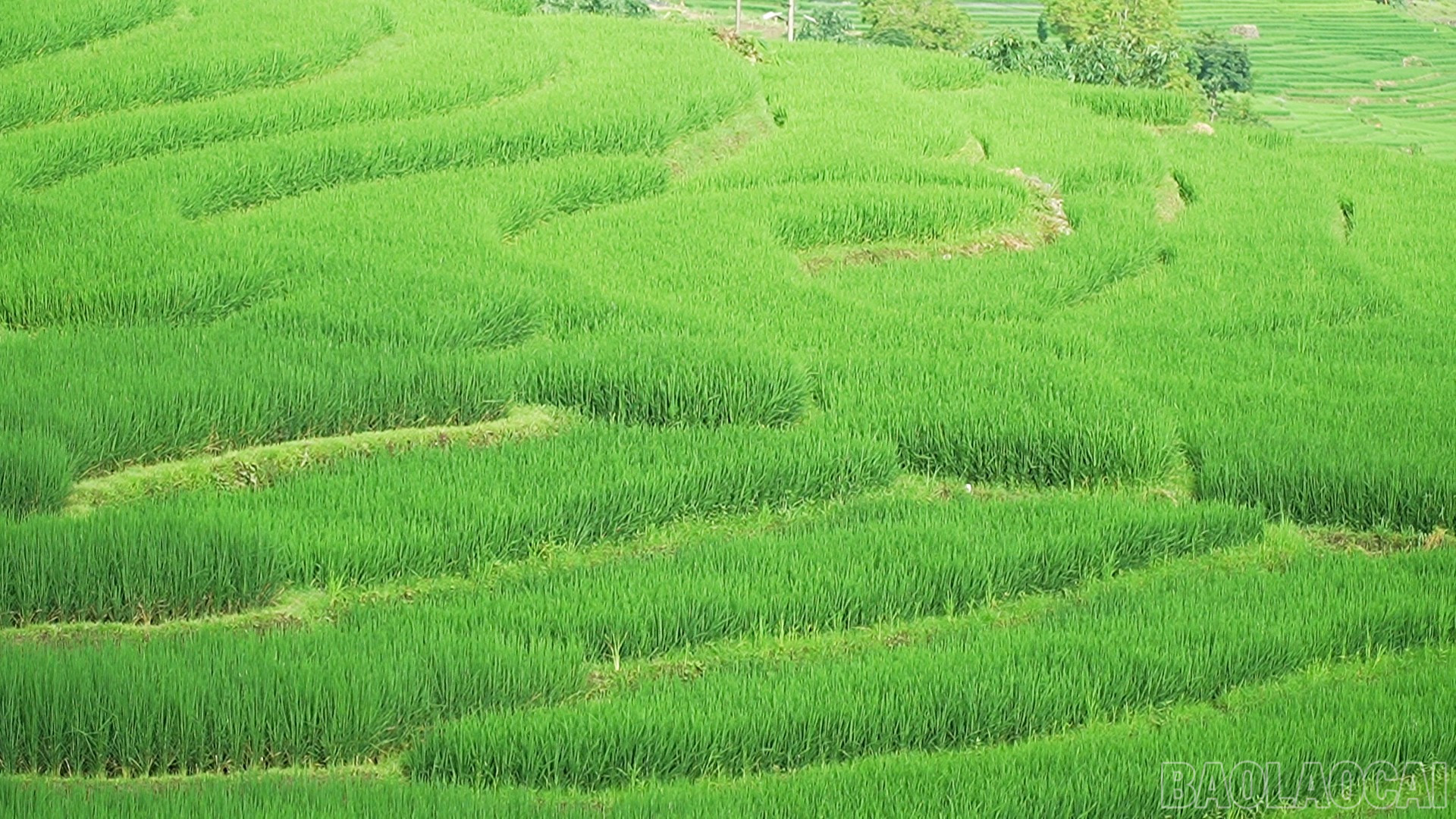
June and July each year mark the beginning of the rice season in Sa Pa. The terraced rice fields, winding along the mountain slopes, are covered in a lush green, creating a serene and poetic atmosphere in the villages along the Muong Hoa Valley. This is also the ideal time for tourists to admire the pristine and unspoiled beauty of the Sa Pa highlands.
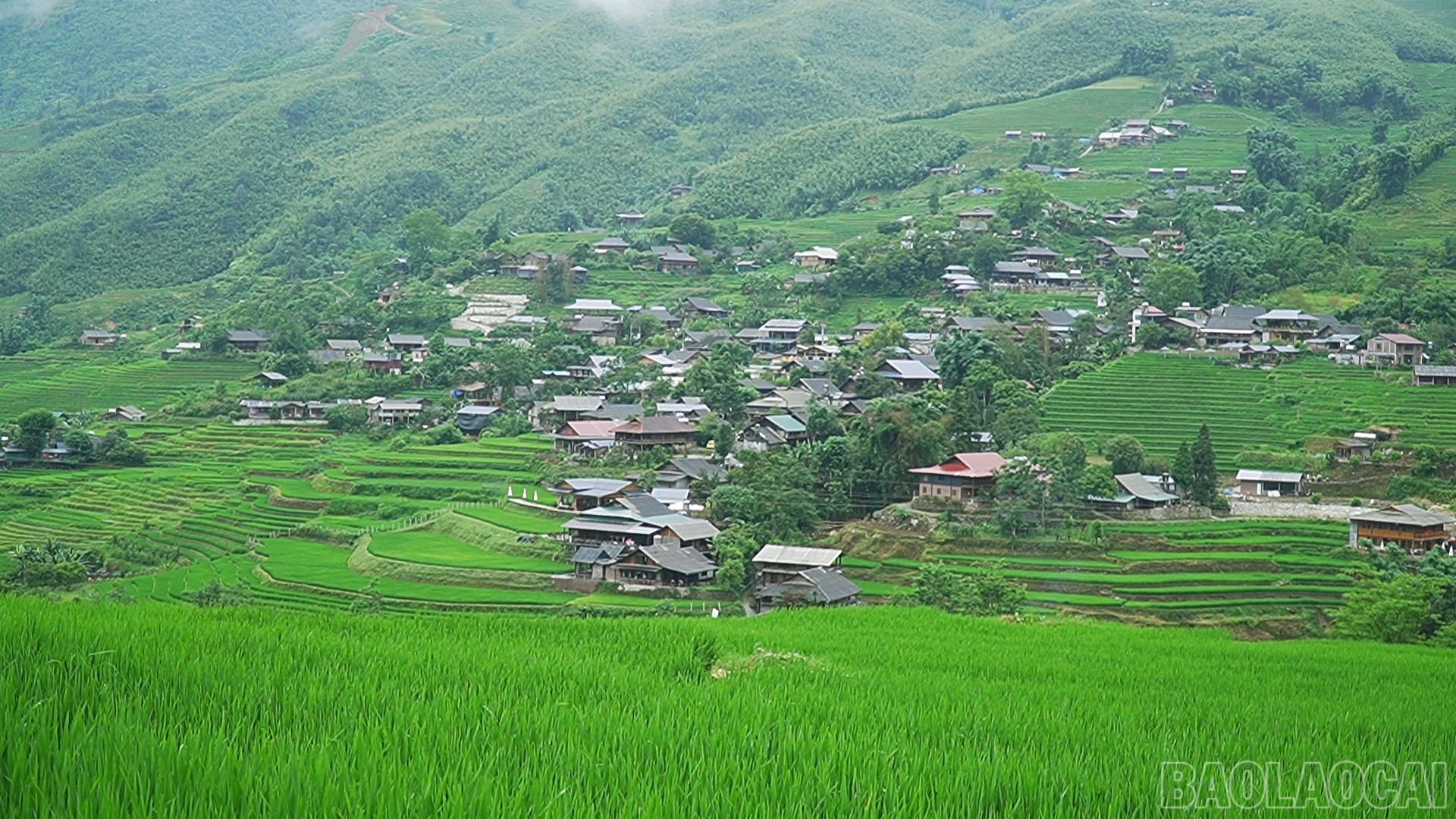
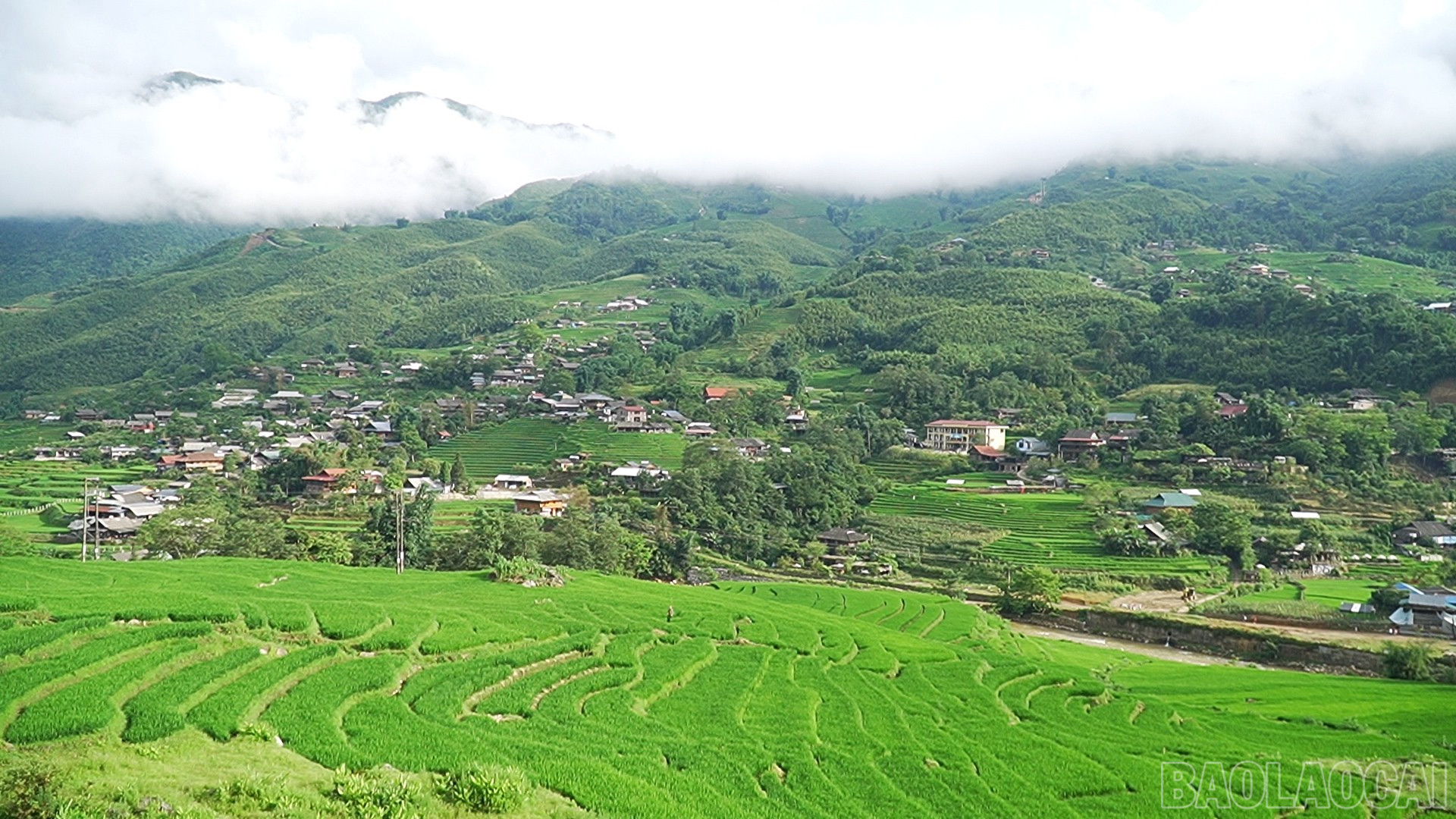
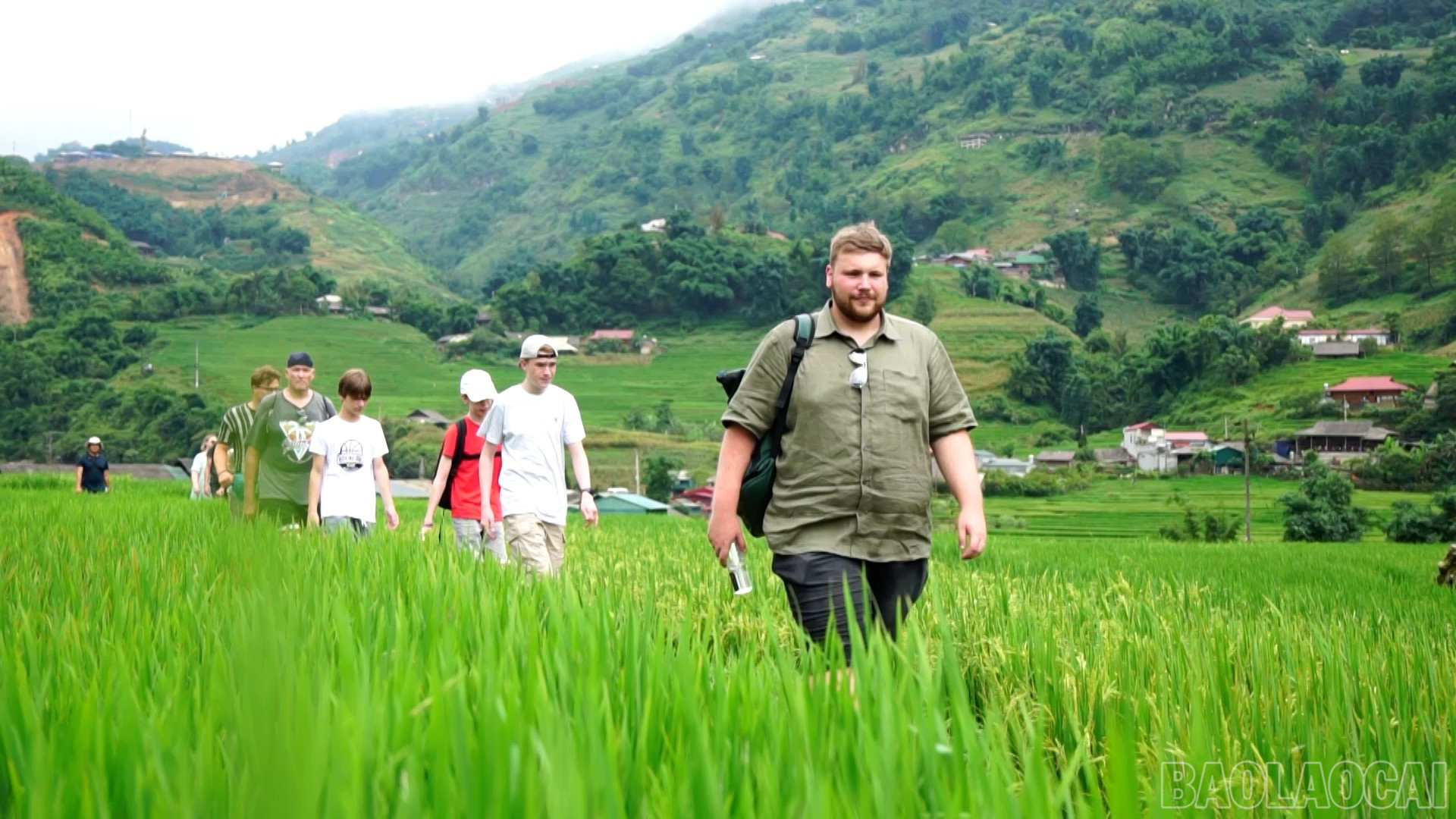
Along Provincial Road 152 – the route connecting Sa Pa ward with lowland communes such as Ta Van, Ban Ho, and Muong Bo – it's easy to spot groups of tourists leisurely walking and exploring the highland scenery.
Upon her first visit to Sa Pa, Sudaporn Putthasean, a tourist from Thailand, was amazed and delighted to see the terraced rice fields there with her own eyes.
She shared that Thailand also has terraced rice fields, and she had admired the countryside in her hometown many times. But for her, the terraced rice fields of Sa Pa have a very different beauty, because they are located at the foot of high mountains, the landscape is both majestic and incredibly poetic.
“I was recommended a cafe in Ta Van. Initially, I planned to take a taxi down there, but the scenery was so beautiful that I decided to get out and walk. Although it was a bit tiring, I got to see the stunning rice fields up close. I took many photos and videos to capture this moment,” Sudaporn excitedly recounted.
Beyond their stunning beauty, terraced rice fields are also a cultural symbol of the ethnic minority groups living here, such as the Hmong, Dao, Tay, and Giay. These fields are the result of generations of diligent and meticulous farming, embankment construction, and water retention, creating a masterpiece that serves both as a livelihood and contributes to shaping the identity of Sa Pa.
Ms. Giang Thi Dinh, a Hmong tour guide in Ta Van commune, said that every year during the rice harvest season, she takes tourists on tours and never forgets to tell them about the life cycle of the rice plant: "I usually tell tourists that from April, the villagers start sowing seedlings, then transplanting the rice in May. From June to August is the most beautiful time for the rice fields, with lush green rice plants. This is also the time when I take tourists for walks in the terraced rice fields, to admire the scenery and learn about farming practices. Around September, we enter the harvest season," Ms. Dinh shared.
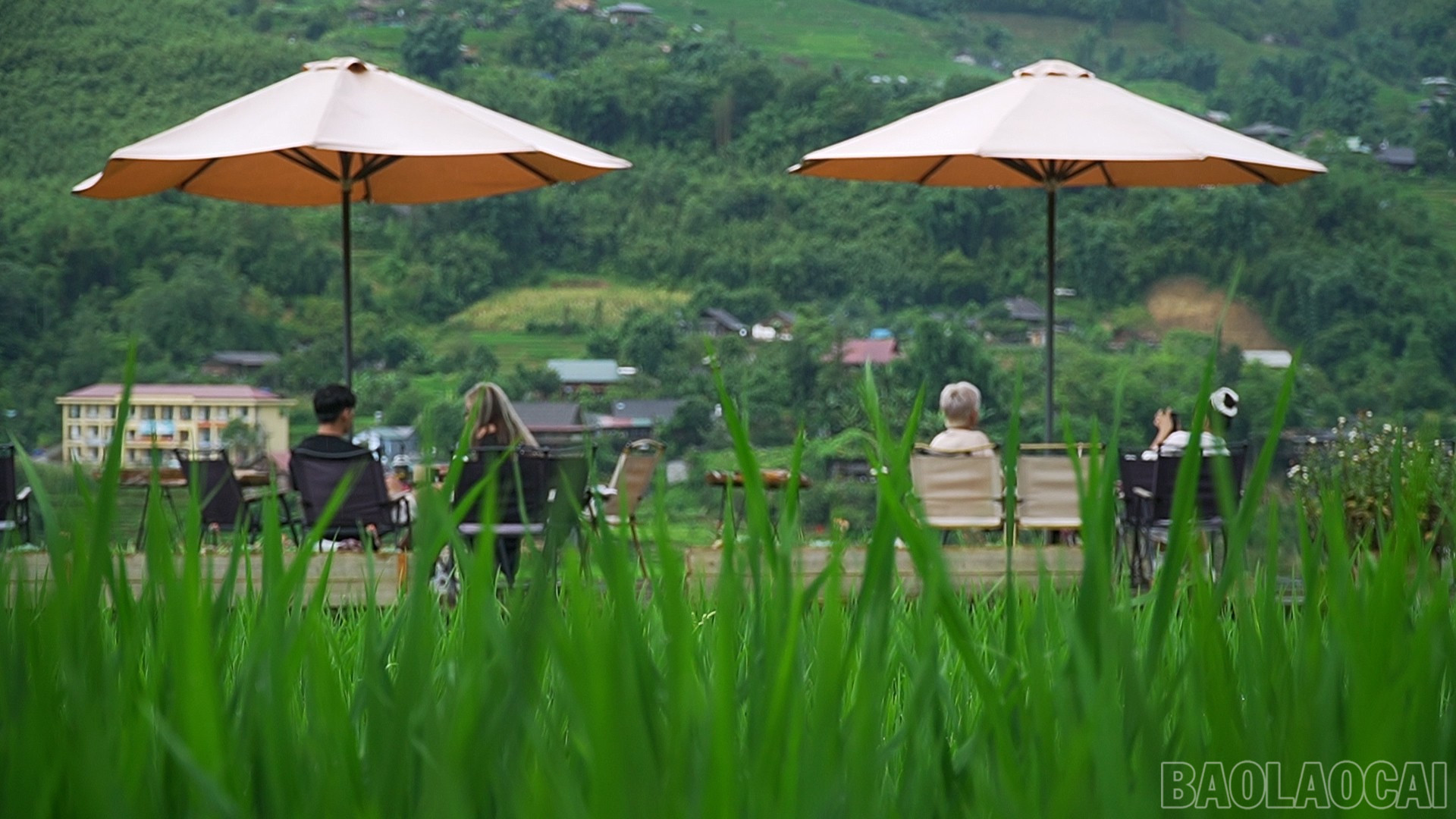
Taking advantage of the picturesque beauty of the terraced rice fields during the harvest season, some service businesses and homestays have cleverly designed resting and relaxing spots for tourists.
These rest stops are designed to be environmentally friendly, avoiding encroachment on agricultural land and preserving the natural state of the rice paddies, aiming to provide a unique experience for tourists while contributing to the sustainable preservation of the highland's cultural identity.
Mr. Duong Quoc Hieu, manager of Chi Pau coffee shop in Ta Van commune, said: “All the terraced rice fields in the area around the shop have been preserved so that the locals can continue planting as usual. We only built a few small huts made of bamboo and wood right on the edge of the fields so that tourists can sit and drink coffee while enjoying the view. This model does not change the surrounding landscape, so it is also supported by the locals.”
Thanks to their nature-friendly design and expansive views of lush green terraced rice fields, the cafes in Ta Van attract many visitors every day.
Tourists come not only to enjoy drinks and relax in the fresh air but also to capture beautiful moments to share on social media. It is through these photos and videos that the beauty of Sa Pa's rice fields is increasingly spread, helping to bring the image of Sa Pa closer to domestic and international tourists.
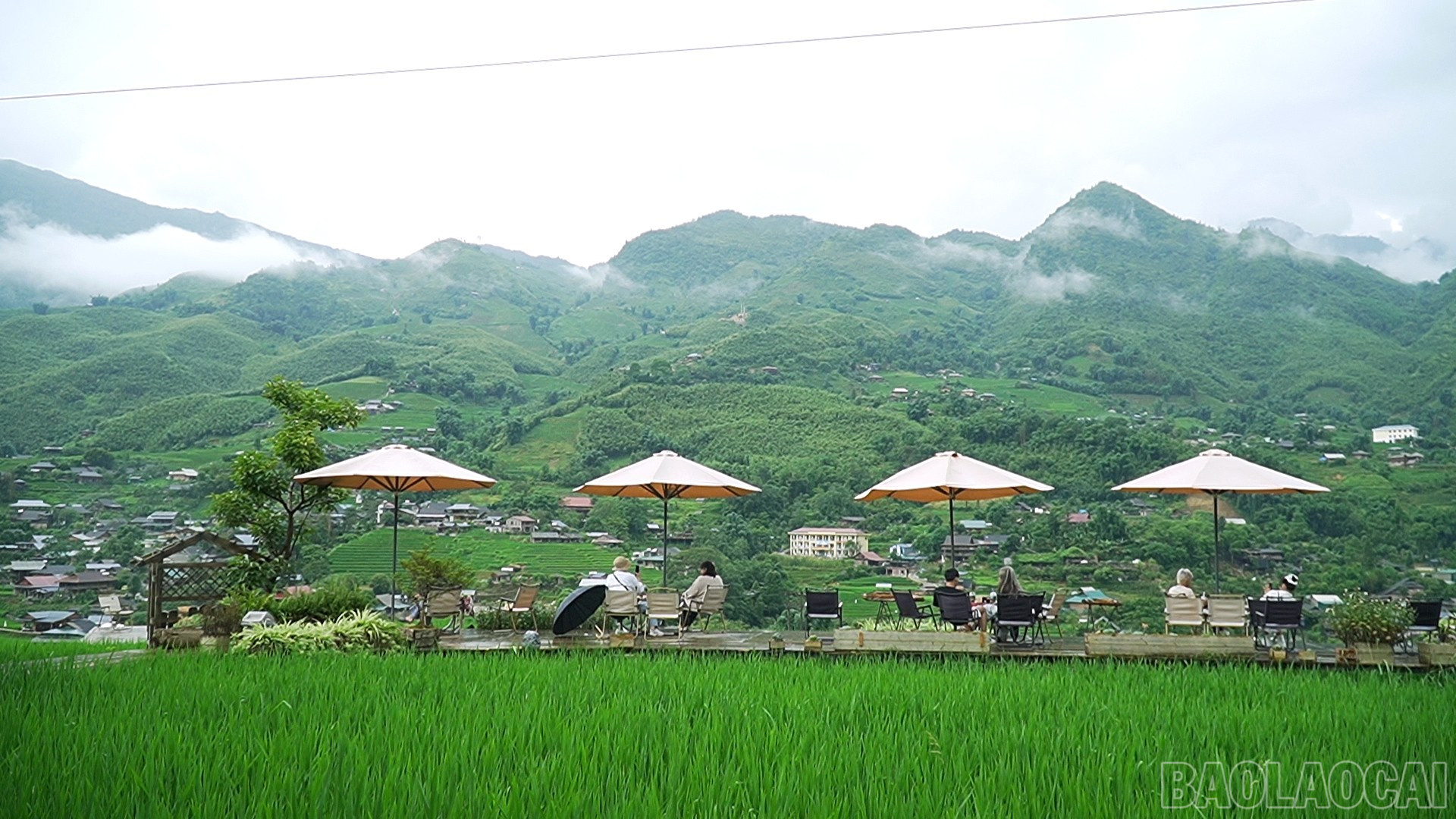
The green rice fields may not be as vibrant as the ripening season, but they offer a sense of tranquility, freshness, and serenity. This is the perfect time for visitors to immerse themselves in nature and experience a pristine, peaceful Sapa.
The green rice fields are not only a gift from nature, but also a highlight for the sustainable development of tourism in Sa Pa, closely linked to the identity and life of the people in the highlands.
Source: https://baolaocai.vn/suc-hut-sa-pa-mua-lua-xanh-post649016.html
![[Image] A brilliant symphony and explosive power in the skies of Da Nang.](https://vphoto.vietnam.vn/thumb/1200x675/vietnam/resource/IMAGE/2026/05/31/1780196945787_anh-man-hinh-2026-05-31-luc-10-08-51.png)















![[Video] Sunset at Lap An Lagoon – Where the sun sets over the fishing nets](https://vphoto.vietnam.vn/thumb/340x192/vietnam/resource/IMAGE/2026/05/31/1780192137701_beach-landscape-sea-water-nature-grass-745871-pxhere-com.jpeg)


















































Comment (0)