

Dr. Thomas Paloschi, a longevity medicine expert in Italy, says that sleep is like a "natural remedy" that helps the body recover and regenerate. When sleep-deprived, the body not only becomes fatigued but also loses its ability to repair brain damage, consolidate memories, and control emotions.
The brain is "cleansed" during deep sleep.
During deep sleep, the brain activates a cleansing system called the glymphatic system. This system helps cerebrospinal fluid circulate, flushing out waste products such as accumulated proteins and toxins from the brain. These substances are then released into the bloodstream for elimination. According to Dr. Paloschi, this is like a "brain wash" process that occurs every night. If you don't get enough sleep, the brain loses crucial time to cleanse itself.

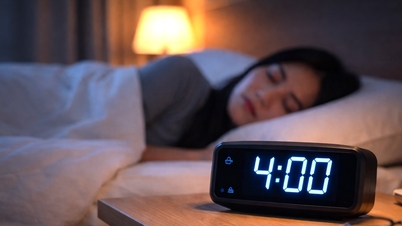
Sleep is like a "natural remedy," helping the body recover and regenerate.
Photo: AI
The brain switches to "maintenance" mode.
During sleep, the brain doesn't completely rest but enters a maintenance mode. Prolonged sleep deprivation can increase the risk of brain aging, memory loss, and emotional disorders. People who sleep less are often more anxious, irritable, and have difficulty concentrating.
Throughout the day, activities create microscopic damage in the brain. Sleep helps repair this damage. If you don't get enough sleep, the damage will accumulate over time.
Sleep occurs in cycles.
Sleep operates in cycles of approximately 90 minutes, consisting of non-REM and REM sleep stages. The first half of the night is dominated by deep sleep, while the second half is the REM stage – associated with emotions and memory.
If you sleep too little, especially less than 7 hours, your body will lose most of its REM sleep, reducing its ability to recover and regulate emotions.
Each stage of sleep has its own role:
- Deep sleep (non-REM): Strengthens memory, restores the body.
- Phase 2: Learning support and information processing.
- REM: Regulates emotions, reduces stress.
Ways to improve sleep
To sleep better, experts recommend:
- Maintain a consistent sleep schedule, avoiding changes of more than one hour.
- Get enough sleep, 7-9 hours each night.
- Limit caffeine and alcohol intake in the evening.
- If you frequently wake up or snore loudly, you should be checked for sleep disorders.
Sleep is not simply about rest; it's a process of detoxification and brain recovery. Getting enough sleep and sleeping properly is a simple and effective way to protect your memory, emotions, and long-term health.
Source: https://thanhnien.vn/giac-ngu-cong-cu-thai-doc-va-phuc-hoi-nao-bo-moi-dem-185260331111227089.htm












































































































Comment (0)