


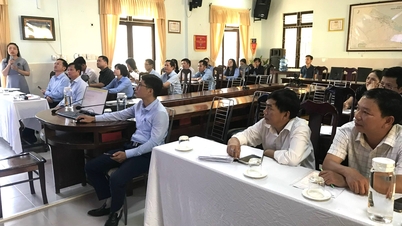
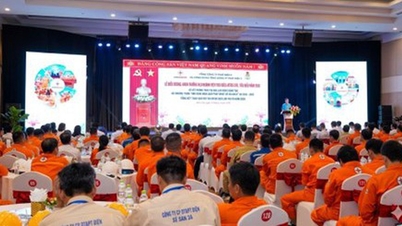
The conference attracted more than 50 veterinary officers and staff, as well as representatives from several dog and cat clinics and treatment centers from 14 pilot wards in the city.
The conference is part of the project "Pilot model for rabies prevention and control and sustainable economic development, gradually transforming the dog and cat meat trade in some wards of Hanoi city," approved by the Hanoi People's Committee on July 24, 2025. The project aims to contribute to the national goal of eliminating human deaths from rabies by 2030, while also supporting sustainable livelihood transformation for households involved in dog and cat slaughtering and trading, and gradually improving animal welfare standards in line with international practices.
The training program is designed with three in-depth content blocks: Legal framework and professional responsibility - updating current legal regulations, identifying gaps in national standards for euthanasia, and introducing the animal welfare framework according to the World Organisation for Animal Health (WOAH) and the World Small Animal Veterinarian Association (WSAVA). Practical techniques and Standard Operating Procedures (SOPs) - guidance on the two-step euthanasia process according to the international gold standard and application of IFAW Decision-Making Algorithms. Mental health of veterinary staff and communication skills - identifying Compassion Fatigue, preventing occupational trauma, and professional communication skills with stakeholders.
Mr. Ngo Dinh Loat, Deputy Head of the Hanoi Department of Livestock, Fisheries and Veterinary Medicine, emphasized: "This is not simply a technical procedure, but the fulfillment of official duties when necessary. When grassroots officials are fully equipped with the knowledge and tools to handle animals humanely, state management agencies will have a solid foundation to effectively control diseases, protect public health, and gradually bring management practices closer to international standards."
Mr. Faizan Jalil, Senior Manager, Soi Dog Foundation, said: "Humane euthanasia is the minimum standard that any responsible veterinary system should strive for. Experience in Southeast Asian countries shows that when grassroots veterinary forces are properly trained in animal welfare, the capacity to control diseases, especially rabies, is significantly improved. Today's training program in Hanoi is clear evidence that Vietnam is ready for change, and Soi Dog Foundation is proud to be a part of that journey."
Ms. Bui Thi Duyen, Director of SBCC Vietnam Social Enterprise – the unit responsible for the communication strategy for behavioral change and the unit directly implementing activities in the project – shared: "Sustainable behavior change doesn't start with regulations, but with the awareness and internal motivation of those implementing them. Today's conference not only equips them with technical skills but also builds a foundation for grassroots veterinary officers to deeply understand their responsibilities and the science behind each process – while also protecting their mental health during practice."
Following this training conference, the organizing units will continue to coordinate to support each ward-level veterinary officer in developing internal Standard Operating Procedures (SOPs); monitor and evaluate the application of knowledge to practical situations in their respective areas; and research and propose a specific legal framework for humane euthanasia in the context of urban veterinary management in Vietnam. The pilot model in 14 wards of Hanoi is expected to become a reference document for other cities nationwide in the process of developing animal welfare standards and controlling zoonotic diseases.
Source: https://baotintuc.vn/van-de-quan-tam/ha-noi-trien-khai-mo-hinh-phong-chong-benh-dai-20260522103525245.htm



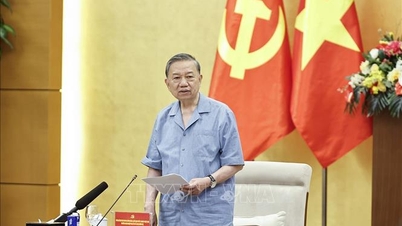
![[Photo] General Secretary and President To Lam presides over the meeting to approve the draft report on the results of the second inspection by the Politburo of the Standing Committee of the Hanoi City Party Committee.](https://vphoto.vietnam.vn/thumb/1200x675/vietnam/resource/IMAGE/2026/05/26/1779789811432_a2-bnd-4430-9620-jpg.webp)


















































































Comment (0)