

 |
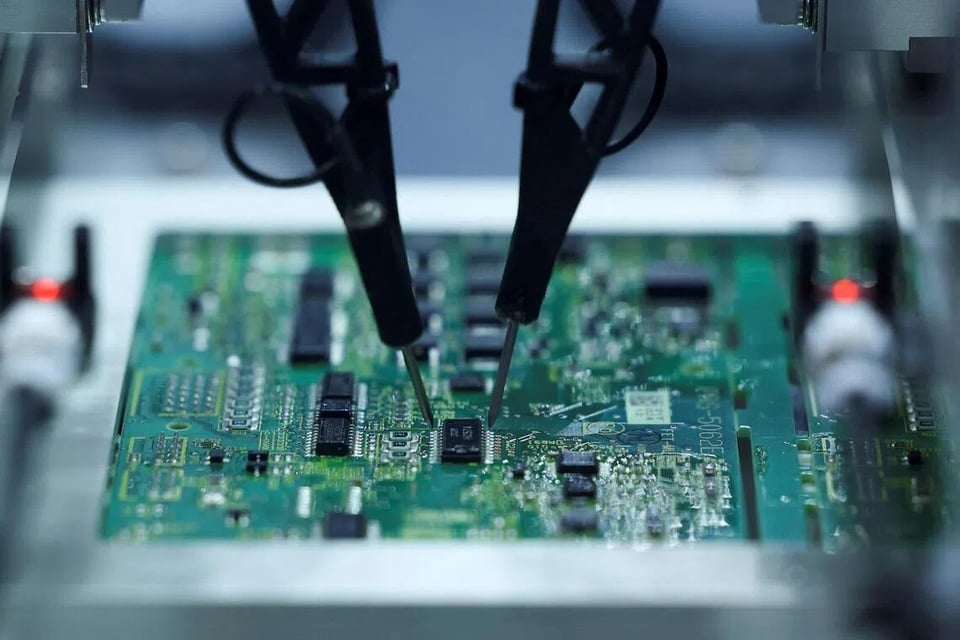
Chip manufacturers are benefiting greatly from the AI boom. Photo: Straits Times . |
The global memory chip shortage is becoming a clear dividing line in the stock market. On one side are memory manufacturers enjoying record profits. On the other are a host of consumer electronics companies facing soaring costs and eroding profit margins.
The severity of the crisis is reflected in memory prices, which have been mentioned more than 550 times in corporate earnings reports so far this year.
"Clearly, the memory shortage is worse than anticipated. With AI demand continuing to surge, this situation could persist until 2030," said Michael Brown, senior strategist at Pepperstone Group.
Chip manufacturers benefit greatly.
While many businesses are struggling, memory chip manufacturers are booming. The Bloomberg Memory Manufacturers Index has risen approximately 120% year-to-date, while the consumer electronics index has only increased 3%.
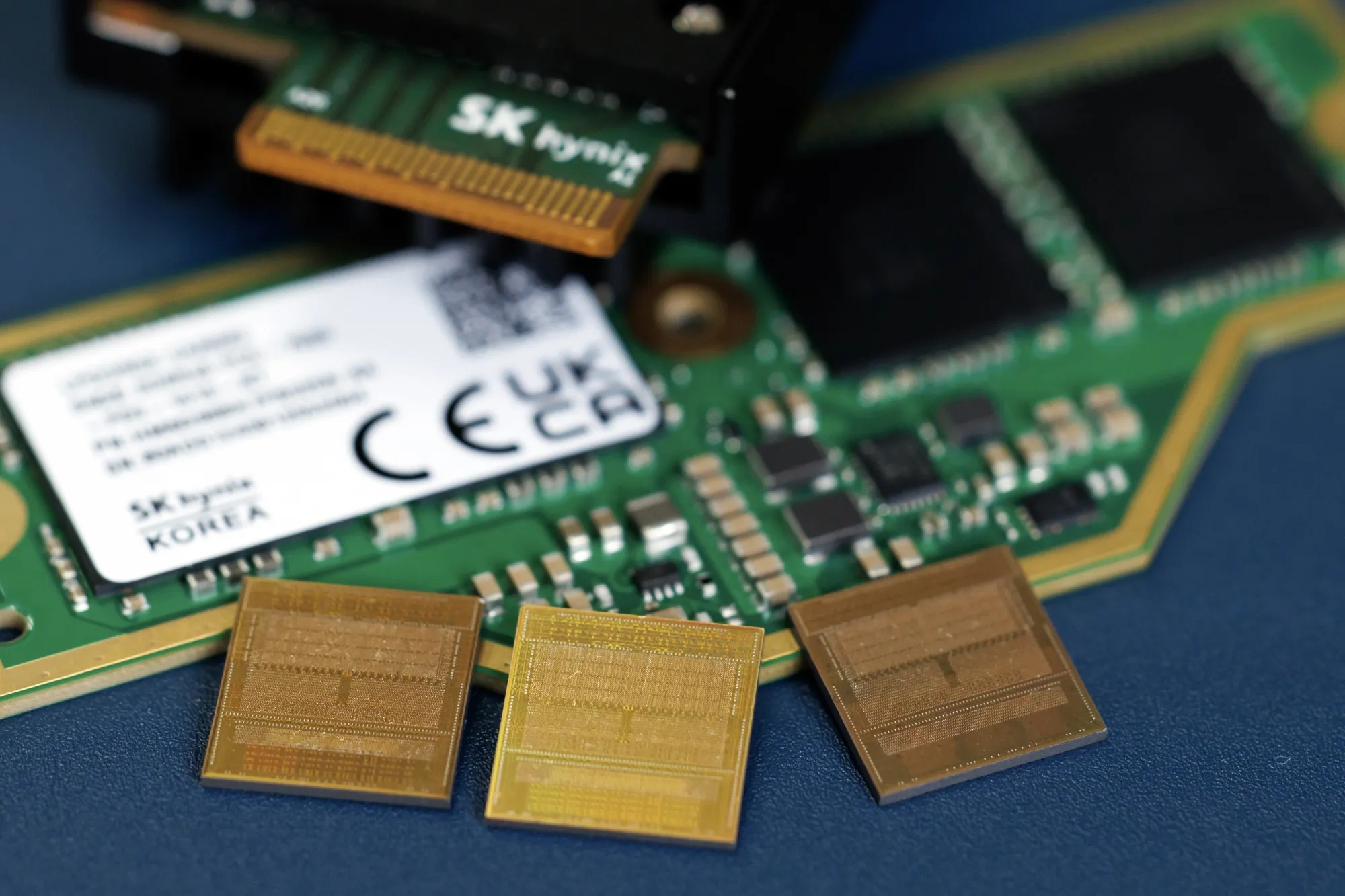 |
Shares of chip manufacturers surged. Photo: Bloomberg . |
Recently, Samsung joined the club of companies with a market capitalization exceeding $1 trillion after announcing a 48-fold increase in quarterly chip profits. Micron and SK Hynix also continued their stock price gains following positive reports.
Sandisk is the brightest spot, with its stock surging more than 500% year-to-date thanks to soaring NAND chip prices. Partner Kioxia Holdings' stock has also risen more than 360% over the same period.
Conversely, consumer electronics companies are seeking ways to cope with escalating costs. Nintendo warned that high memory costs are directly impacting the profitability of its gaming consoles. The company's stock has fallen more than 30% since the beginning of the year. Xiaomi is expected to lose 20% of its stock value in 2026 for the same reason.
Hypergrowth cycle or bubble?
To protect profits, many companies have chosen to raise product prices. Nintendo announced a price increase for the Switch 2, while Sony had previously raised the price of its PlayStation 5 line.
"The level of difficulty depends on the proportion of memory costs in the total cost structure and the ability to negotiate to pass those costs on to customers," said Fabien Yip, an analyst at IG International. According to her, the biggest risks lie with smartphone and gaming console manufacturers.
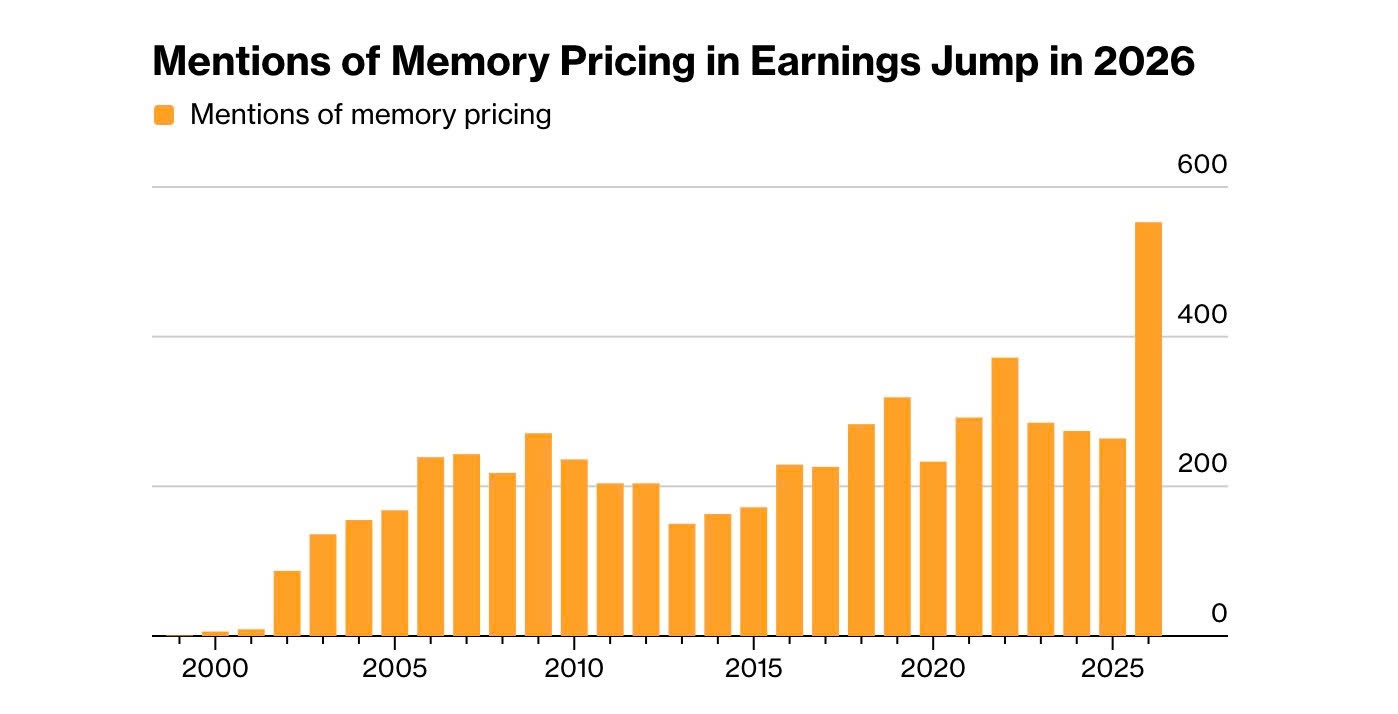 |
The skyrocketing price of chips is causing investors to worry about a potential bubble. Photo: Bloomberg . |
Optimists argue that AI has created a "hypergrowth cycle" for memory chips, far exceeding the industry's traditional boom-bust pattern. NAND chip contract prices have risen more than 600% since the end of September 2025, while DRAM prices have increased by nearly 400%.
JPMorgan strategists said in a note that chip prices and production volumes could continue to rise through 2027-2028.
"Prices are expected to continue rising due to AI demand outpacing supply, tight inventory levels, and HBM supply being constrained by multi-quarter-long agreements," JPMorgan's strategy team wrote.
However, the rapid surge also raised concerns about a bubble. US chip stocks fell sharply on May 12th after a series of rapid gains. The economic instability caused by the ongoing conflict in Iran further increased caution among investors.
Source: https://znews.vn/khung-hoang-chip-tao-ra-tinh-canh-trai-nguoc-post1651357.html
![[Photo] General Secretary and President To Lam presides over a meeting on the implementation of Directive No. 34-CT/TW of the Party Central Committee.](https://vphoto.vietnam.vn/thumb/1200x675/vietnam/resource/IMAGE/2026/05/19/1779187768672_a1-bnd-2350-631-jpg.webp)
![[Photo] Capturing the moment the tide recedes at Yen Binh Son rapids - a million-year-old scenic spot in Quang Ngai.](https://vphoto.vietnam.vn/thumb/1200x675/vietnam/resource/IMAGE/2026/05/19/1779175463885_yen9-1199-jpg.webp)

![[Photo] National Assembly Chairman Tran Thanh Man attends the groundbreaking ceremony for the National Highway 1A spatial axis project.](https://vphoto.vietnam.vn/thumb/1200x675/vietnam/resource/IMAGE/2026/05/19/1779161360398_ndo_br_bnd-1412-jpg.webp)






















































![[Photo] General Secretary and President To Lam receives Indian Defense Minister Rajnath Singh](https://vphoto.vietnam.vn/thumb/402x226/vietnam/resource/IMAGE/2026/05/19/1779184046302_anh-man-hinh-2026-05-19-luc-16-46-58.png)





























Comment (0)