

 |
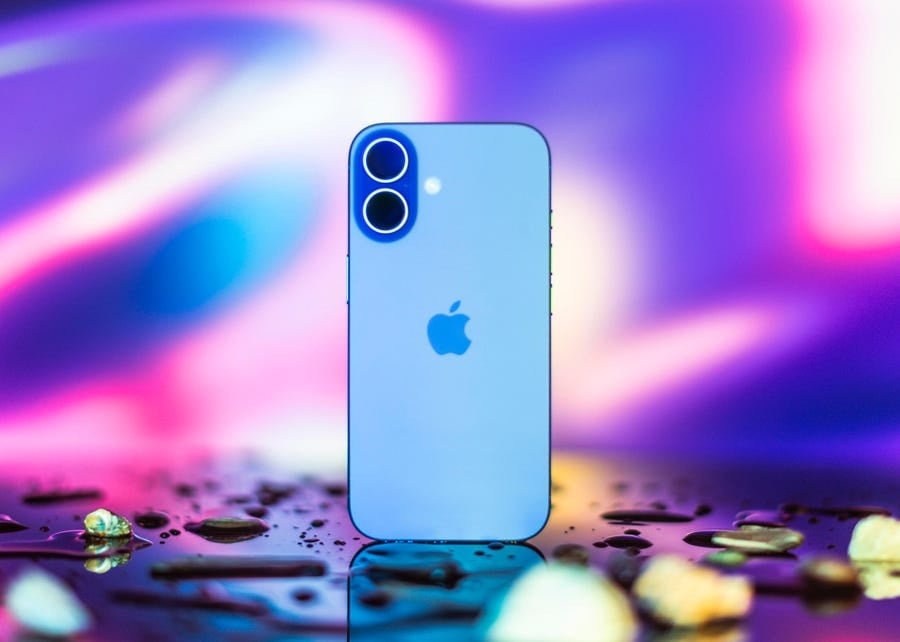
Apple's market share has declined, while Chinese brands such as Xiaomi, Oppo, Vivo, Honor, and Huawei have increased their position in the international market. Photo: CNET . |
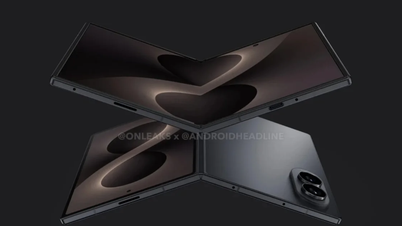
At a bustling shopping mall in northern Hong Kong last week, the Huawei store was packed with people. All eyes were on the Mate XT, the world's first triple-folding phone, capable of expanding into a full-sized tablet.
A sense of curiosity and excitement has prevailed, especially after popular YouTube star IShowSpeed recently purchased three of these high-end phones during a livestream in Shenzhen. The starting price is around $2,800 each.
“Oh my god, it’s huge!” exclaimed the American influencer, who has over 38 million subscribers on YouTube. IShowSpeed shouted amidst cheers at the Huawei store, surrounded by a jostling crowd eager to witness him experience the Chinese technology firsthand.
Steve Fok, a longtime phone salesperson in a central Hong Kong electronics shopping district, believes many consumers are now switching to Chinese-made phones because of their superior, advanced features. Even those who already own iPhones are buying a Chinese phone, primarily for its longer battery life and more modern technology, Fok told Rest of World .
lagging behind in technological innovation.
According to statistics, the American corporation lost its leading position in the Chinese smartphone market last year to two domestic brands, Vivo and Huawei. The number of iPhones shipped in the country decreased by 17% that year, the sharpest decline since 2016.
Globally, Apple still holds the leading position, but the number of devices sold in 2024 also decreased compared to the previous year. Meanwhile, Chinese brands such as Xiaomi, Oppo, Vivo, Honor, and Huawei have increased their international standing.
Speaking to Rest of World , Francisco Jeronimo, vice president of data and analytics at IDC, said that owning an iPhone today doesn't mean as much as it did 5-10 years ago.
"Apple is falling behind its Chinese rivals in terms of technological innovation. Consumers are shifting towards more unique devices, such as Huawei's foldable phones," he said.
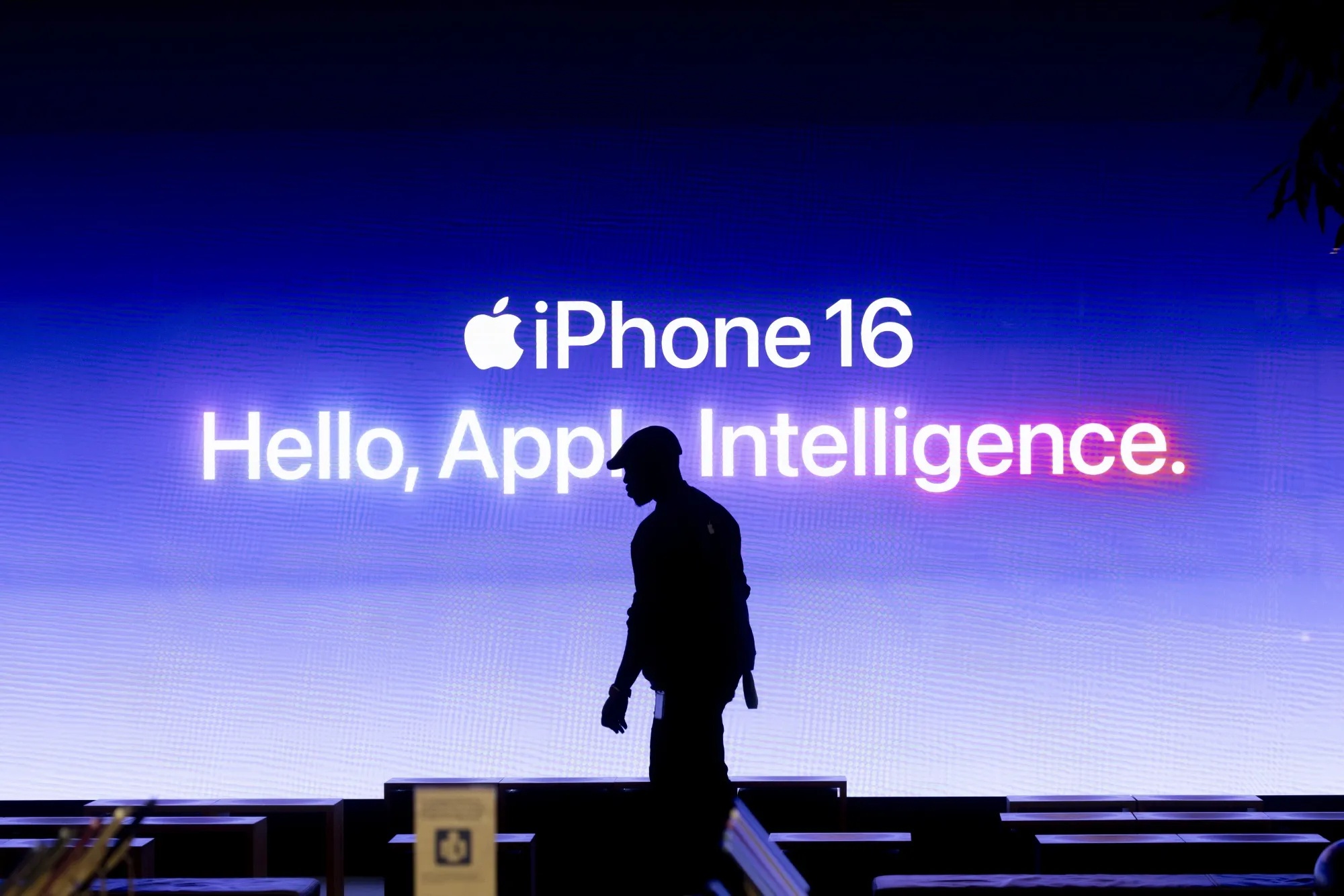 |
Apple is falling behind its Chinese rivals in terms of groundbreaking features. Consumers are turning to more differentiated devices like Huawei's foldable phones. Photo: Bloomberg. |
One of Apple's weaknesses in the current race is its ability to implement AI features. Although the iPhone 16 already incorporates some AI technology, Apple has announced it will postpone Siri upgrades until 2026. Furthermore, iPhone 16 models sold in China do not support Apple Intelligence features because they have not yet been licensed by Chinese authorities.
Meanwhile, domestic brands quickly seized the opportunity. Huawei integrated the Xiaoyi virtual assistant, using AI technology from DeepSeek, into its latest models last year. They combined it with their own AI model to create a smarter user experience. Brands like Oppo and Honor also quickly launched their own unique AI features. Consumers can easily feel the difference when comparing them to iPhones.
"In my opinion, integrating AI into phones is having a huge impact. Therefore, in a store, when customers are shown all these modern features and realize that iPhones don't have them, they will be easily persuaded to switch to a Chinese brand," Jeronimo asserted.
Americans are also starting to think twice before buying an iPhone.
Not only is Apple facing setbacks in the Chinese market, but it also faces challenges from its home country. President Donald Trump's proposed plans to impose import tariffs of up to 145% on Chinese goods could cause even American consumers to think twice before buying an iPhone.
Most iPhones sold in the US are currently manufactured in China. Therefore, according to some estimates, the cheapest iPhone 16 in the US could cost as much as $1,142 . The high-end iPhone 16 Pro Max could even reach $2,300 , according to Reuters.
Higher prices could lead American consumers to opt for competitors like Samsung – the world's second-largest smartphone manufacturer from South Korea. This country doesn't face the same high tariffs as China.
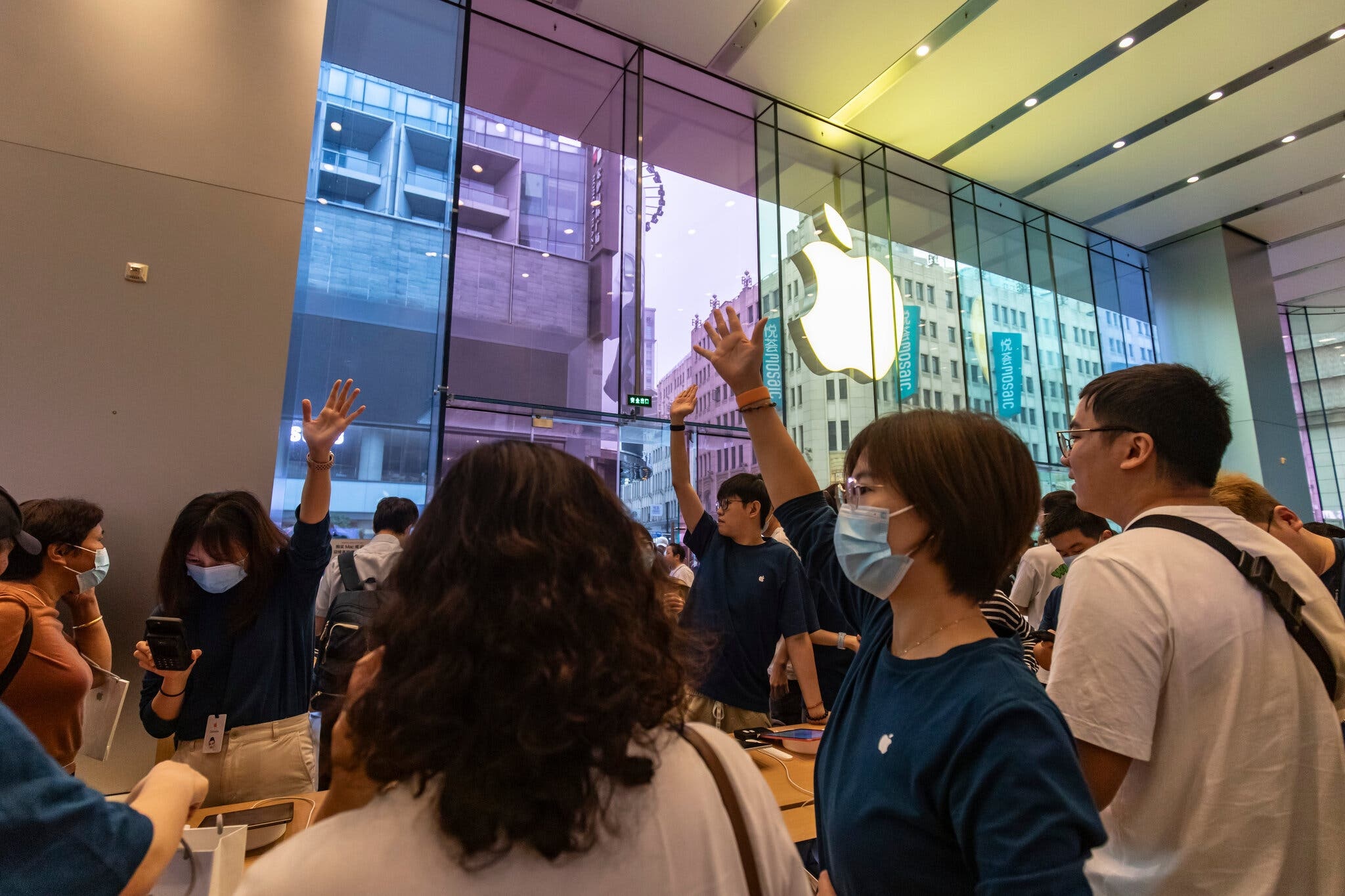 |
Some Chinese consumers say patriotism is the reason they switched to domestically produced phones. Photo: New York Times. |
In China, nationalism also plays a significant role in the wave of switching. Ming Leung, who used to own an iPhone X, decided to switch to a Huawei Pura 70 Pro last October. “As a Chinese person, I support Huawei because it’s a Chinese brand,” he told Rest of World .
At a Huawei store, a 40-year-old man named King Mak was happily showing his wife how to fold the Mate XT. “My boss has one like that too. But actually, he doesn’t use it. He only brings it along on business trips to mainland China, to show his patriotism,” Mak shared.
Source: https://znews.vn/iphone-ngay-cang-mat-cho-dung-tai-trung-quoc-post1544994.html

![[Photo] General Secretary and President To Lam presides over the meeting to approve the draft report on the results of the second inspection by the Politburo of the Standing Committee of the Hanoi City Party Committee.](https://vphoto.vietnam.vn/thumb/1200x675/vietnam/resource/IMAGE/2026/05/26/1779789811432_a2-bnd-4430-9620-jpg.webp)

















































































Comment (0)