

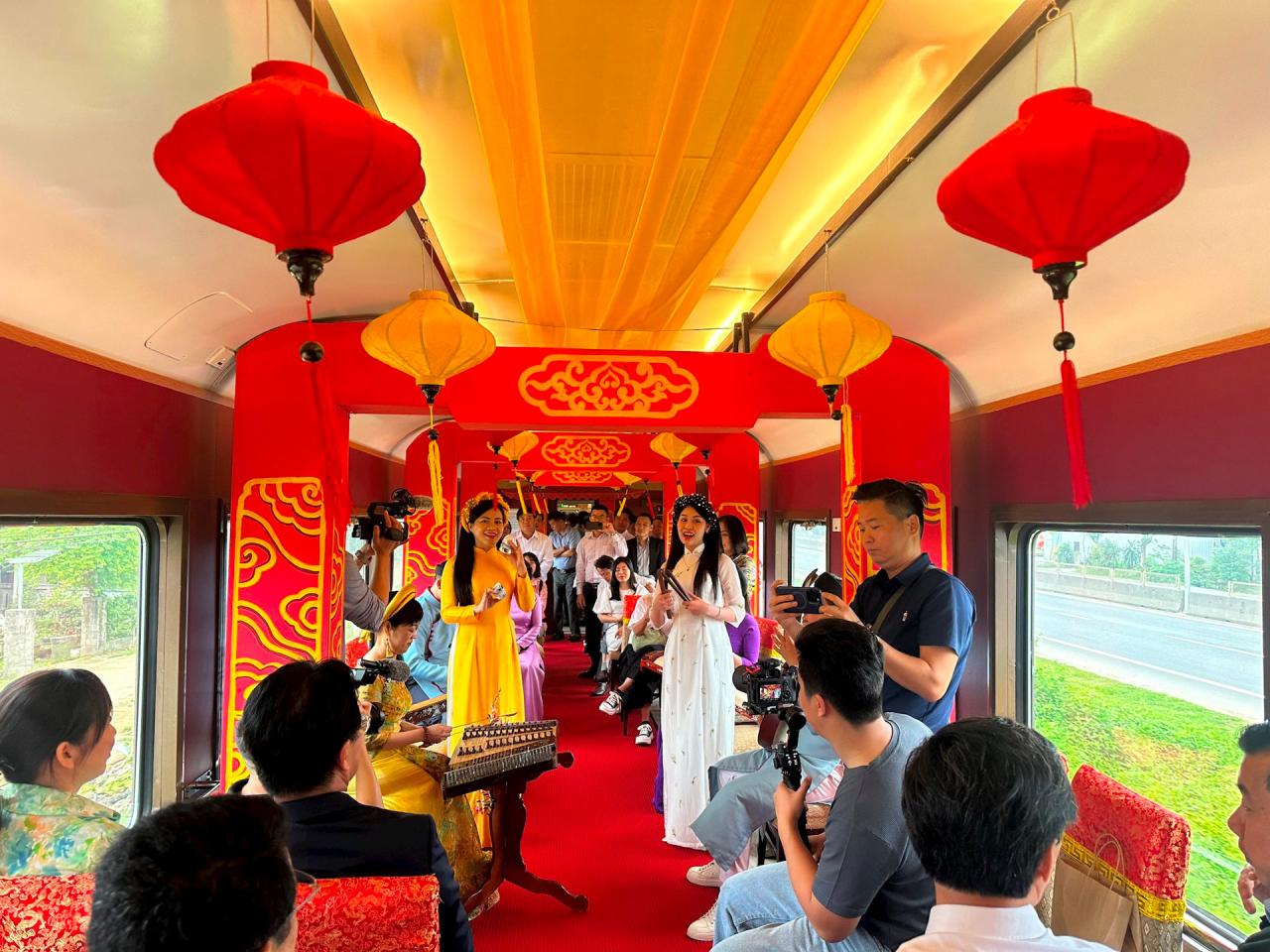
Exclamations of wonder permeated the entire journey of the first passengers experiencing the Hue - Da Nang tourist train route.
Linked motion
From the train window, one can take in the winding mountain pass of Hai Van, considered the "most magnificent pass in the world." The emerald green waves of Lang Co Bay, or the vast, lush green forests of Bach Ma National Park... all contribute to its allure.
It's not an exaggeration to call this the "Central Vietnam Heritage Connecting Train," as its route passes through some of the country's most magnificent landmarks. It's no surprise that long ago, many foreign travel magazines suggested the Hue -Da Nang train route as a must-try experience for tourists visiting Vietnam.
Mr. Dang Sy Manh, Chairman of the Board of Members of Vietnam Railways Corporation, stated that, in addition to its passenger and freight transport duties, the corporation wishes to share its unique values with the community.
Train journeys are a form of travel and experience, with the train serving as a "mobile check-in point" and the train station as a destination showcasing culture, art, history, and heritage. The Hue-Da Nang train route is a prime example of this.
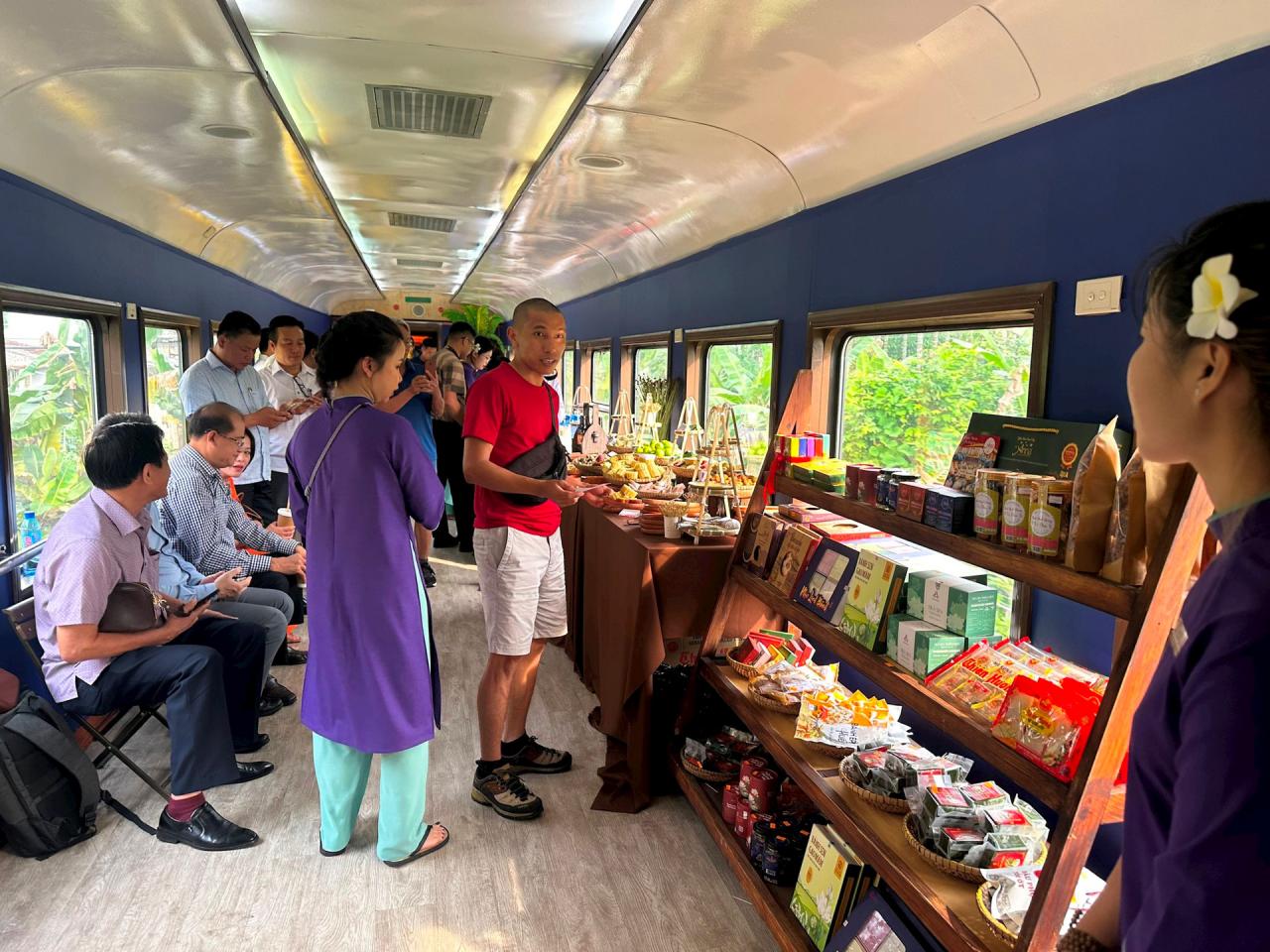
“We aim to target the luxury cruise segment, connecting more localities and regions. We want to offer more convenient services, such as collaborating with other modes of transport to create a single ticket for the entire journey, with the cruise being just one segment within the overall travel itinerary,” said Mr. Dang Sy Manh.
According to Mr. Nguyen Thanh Hong, Director of the Department of Culture, Sports and Tourism, the assessment from the Vietnam National Tourism Administration indicates that the tourism linkage between Thua Thien Hue, Da Nang, and Quang Nam is the most effective model in the country, with the message "one journey - three destinations".
The opening of the Hue-Da Nang train line is a very positive sign of progress in connectivity, indirectly bringing more tourists to Hoi An and My Son in Quang Nam province.
Resources waiting to be unlocked.
Nearly twenty years have passed since the three central provinces officially joined forces to develop tourism. Despite the long time elapsed, the efforts to promote collaboration remain extensive and widespread.
Localities in the region can promote linkages in coastal tourism, river tourism, and even in the highlands, along with exploratory and adventure tourism in the west.
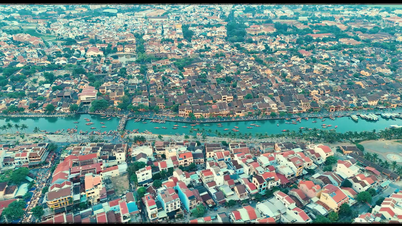
The French built a railway line between Da Nang and Hoi An that existed until the early 20th century. A seamless train journey from the ancient capital of Hue to the ancient town of Hoi An would be an unforgettable experience for any traveler.
This tourist railway idea has also been proposed by many urban planners and tourism businesses, who believe it would be very useful for regional connectivity in Central Vietnam.
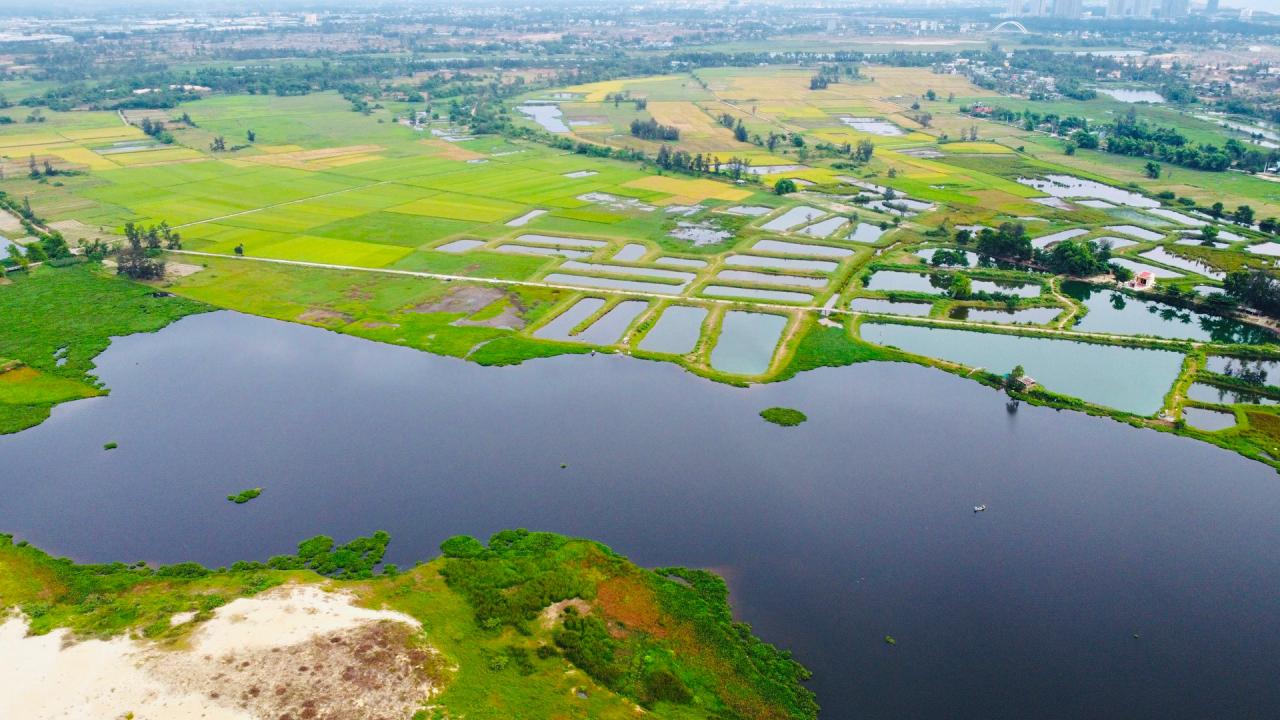
Another highly anticipated tourist route that is expected to boost regional tourism linkages is the Co Co River. Along the land route through Central Vietnam, tourists have experienced many stories about the pioneering journeys of our ancestors.
With a waterway route through the Co Co River, visitors can experience the bustling trade route of the past, which significantly contributed to the formation of the once-famous Hoi An trading port.
Furthermore, a continuous trekking route from Bach Ma National Park to Ba Na - Nui Chua, exploring the majestic nature reserves in western Quang Nam, offers a breathtaking experience of discovering the natural wonders of the Central Truong Son ecological region. This is one of the 200 globally important ecological regions awaiting its awakening.
The issue of connecting tourism between Thua Thien Hue, Da Nang, and Quang Nam has also been discussed numerous times at the North Central and Central Coastal Region Coordination Council conference. Many expect the government to dedicate specific policy mechanisms to develop this "model" tourism linkage in the near future.
"The potential for tourism linkages between provinces and cities in Central Vietnam is enormous, including in the fields of agricultural tourism, experiential tourism, and heritage tourism… but there are still some obstacles regarding land leasing, especially in the western region."
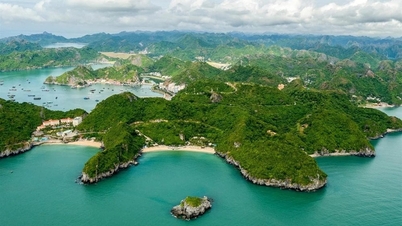
"Localities in the region are also studying the Da Nang - Cu Lao Cham - Tam Hai - Ly Son coastal tourism route to develop more high-end coastal tourism products, but this still requires time to meet regulations as well as stronger involvement from businesses," said Mr. Nguyen Thanh Hong.
Source































































Comment (0)