
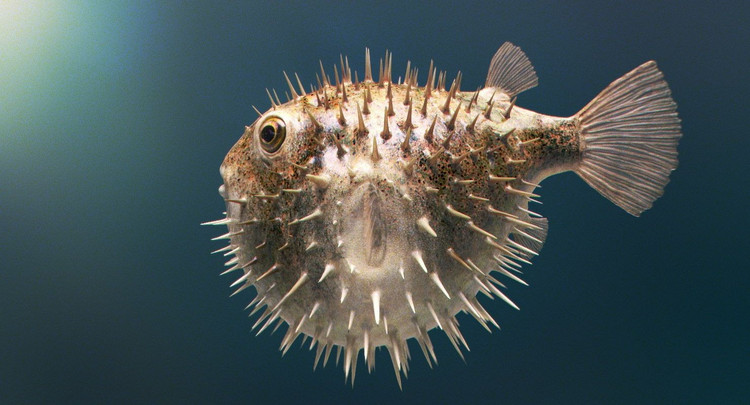
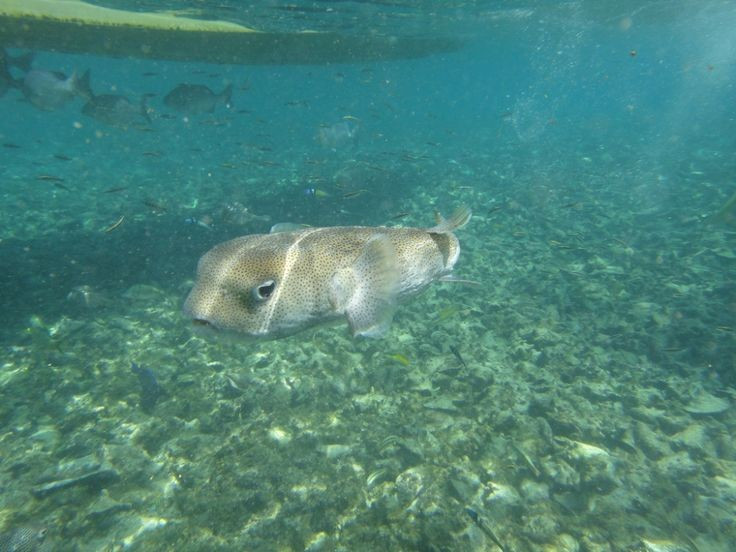
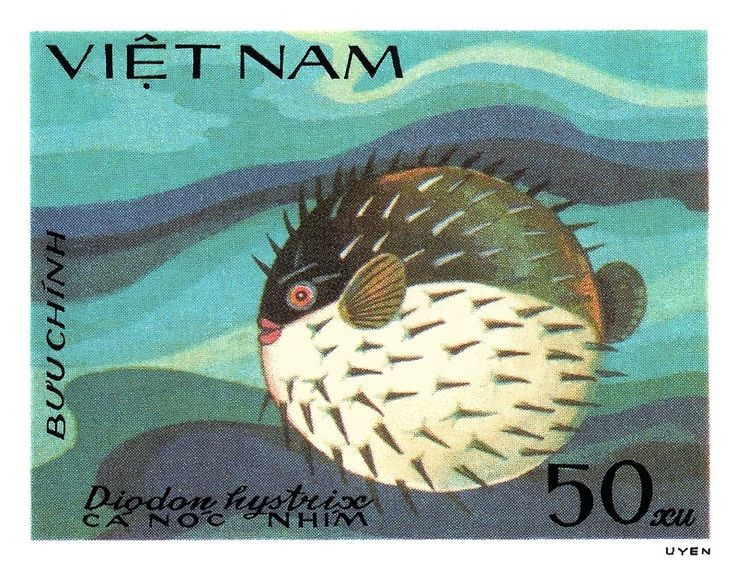
Source: https://khoahocdoisong.vn/kham-pha-kha-nang-tu-ve-doc-dao-cua-ca-noc-nhim-cham-den-post2149070020.html

 Báo Khoa học và Đời sống•19/11/2025
Source: https://khoahocdoisong.vn/kham-pha-kha-nang-tu-ve-doc-dao-cua-ca-noc-nhim-cham-den-post2149070020.html
![[Image] Pleasant weather helps students enter the 10th grade entrance exam with confidence.](https://vphoto.vietnam.vn/thumb/1200x675/vietnam/resource/IMAGE/2026/05/29/1780034401612_ngay-1-thi-lop-10-minh-duy-8-5009-jpg.webp)
![[Photo] Ba Lang An Lighthouse - the "eye of the sea" amidst the "rock museum" of Quang Ngai province.](https://vphoto.vietnam.vn/thumb/1200x675/vietnam/resource/IMAGE/2026/05/29/1780038698840_anh-man-hinh-2026-05-29-luc-14-10-42.png)



![[GALLERY] The million-dollar 007 blockbuster is causing a sensation on Steam, is it worth buying?](https://vphoto.vietnam.vn/thumb/402x226/vietnam/resource/IMAGE/2026/05/29/1780064112088_ta-2-png.webp)




















































































Comment (0)