

If Algiers possesses the majestic aura of a queen in white, Oran is like a free-spirited wanderer on the shores of the Mediterranean.
Located approximately 430 km west of the capital, this second-largest port city boasts a strategic location – a crossroads between three civilizations: Africa, Europe, and the Arab world.
It is this unique character that creates a captivating "La Radieuse" (The Radiant City), where modern life blends seamlessly with layers of heritage from the Spanish, Ottoman, and French colonial eras.
"Miniature Paris" and the symphony of East-West architecture
At 10 a.m., Oran began to brighten in the brilliant sunshine. The air here was dry and cool, with constant sea breezes that softened the North African sun.
The journey to discover the "Radiant City" begins at Place du 1er Novembre (November 1st Square) - the urban heart and the place that best reflects the social life of Oran.
In the middle of a vast, sun-drenched courtyard, Oran Town Hall stands tall as a landmark of classic European architecture.
The building stands out with its balanced facade, its gray-white architectural structure tinged with the passage of time, and the two famous bronze lion statues placed prominently in front of the gate – symbols of power and urban order.
One remarkable aspect of Oran is the strong presence of French influence along major avenues such as Soummam and ALN. Buildings in the Haussmann style – characteristic of 19th-century Paris – with their elegant wrought-iron balconies, symmetrical window frames, and refined cream-colored facades, stretch endlessly. This classic atmosphere leaves many travelers astonished, feeling as if they have wandered into a "miniature Paris" on the Mediterranean coast.
"I was truly surprised when I arrived in Oran. This city is both ancient and romantic," a female tourist from Europe shared while strolling near the central square.
According to her, what makes Oran so appealing to tourists is not only its beautiful architecture or mild climate, but also the warm smiles of its people: "The locals are incredibly hospitable. Even with language barriers, they always smile and are ready to help you."
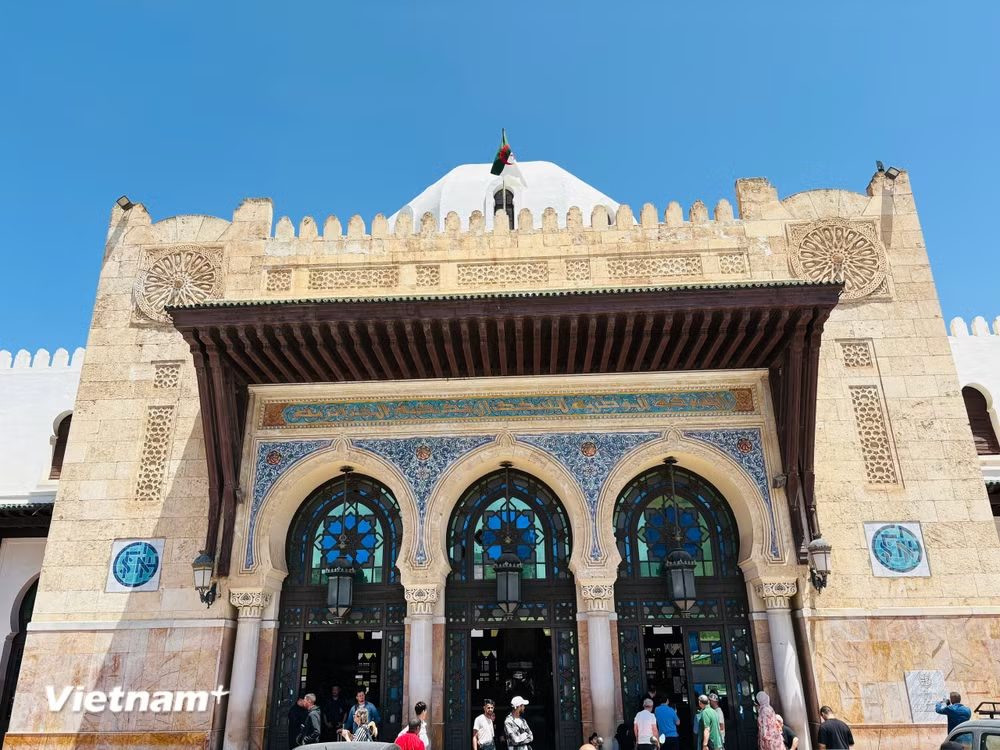
Leaving the square, the wandering footsteps continue past the Oran Theatre with its elegant Baroque architecture, then stop in front of the Karguentah train station with its distinctive Moorish style.
The large domes, intricate Islamic patterns, and pale yellow color scheme make this building resemble a royal palace more than a typical train station.
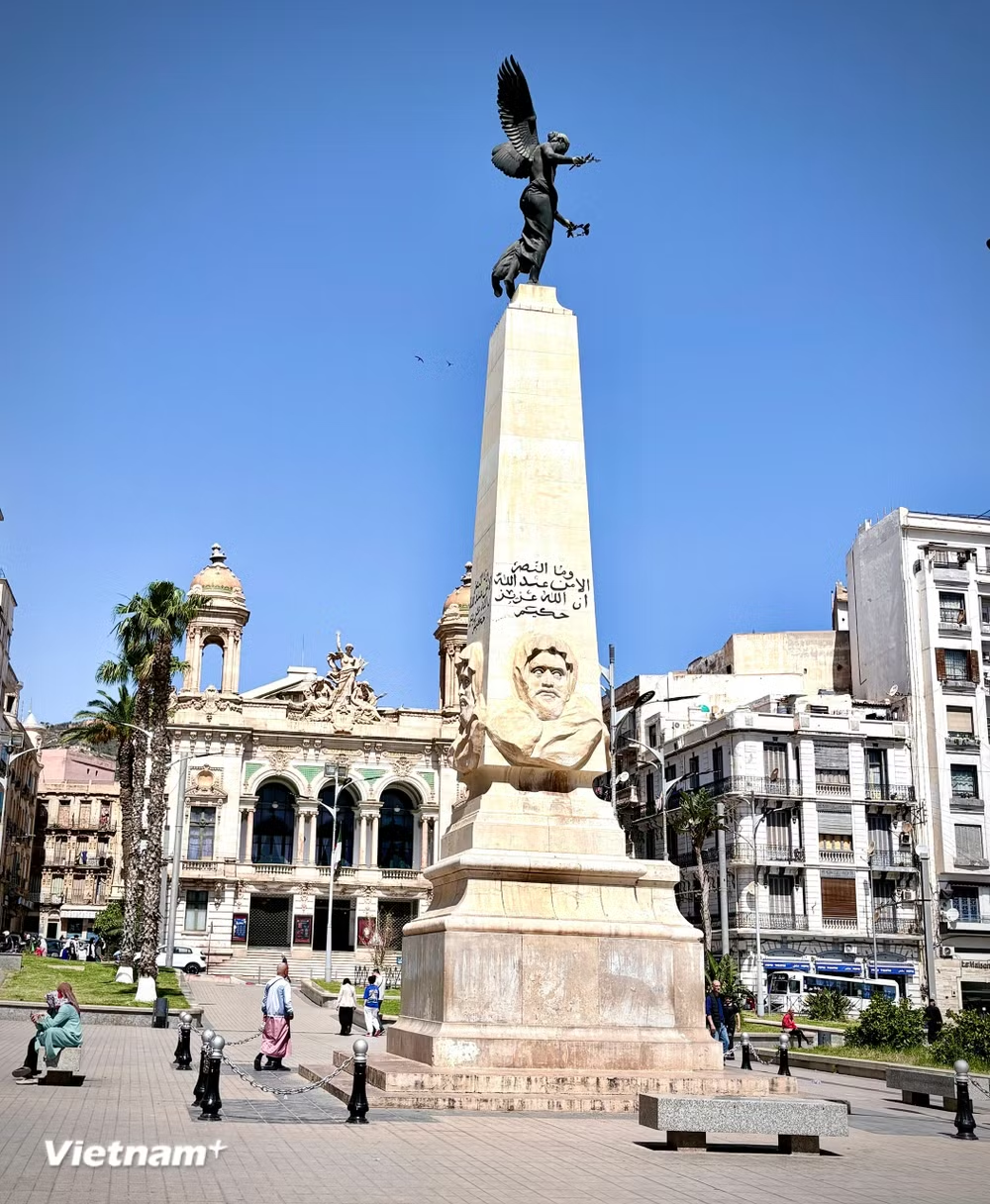
Magnificent layers of historical sediment
To gain a deeper understanding of the region's history, the next stop is the Ahmed Zabana National Museum (Musée National Zabana d'Oran). It houses invaluable collections of archaeology, art, and the area's natural history.
In particular, the exhibition space dedicated to the Algerian Liberation Revolution (1954-1962) helps visitors better understand a resilient historical period that shaped the nation as it is today.
Museums, therefore, are not only places for preserving artifacts, but also sacred spaces of collective memory for the local people.
Soon after, the timeline continues to guide the traveler through the various chapters of the port city's history, marked by both ups and downs.
These include the Hassan Pasha Mosque – an iconic Ottoman architectural landmark built in the 18th century with its corridors, domes, and exquisite carvings; the Bey Palace (Palais du Bey), bearing the strong imprint of Islamic royal feudalism; and the ancient Turkish baths.
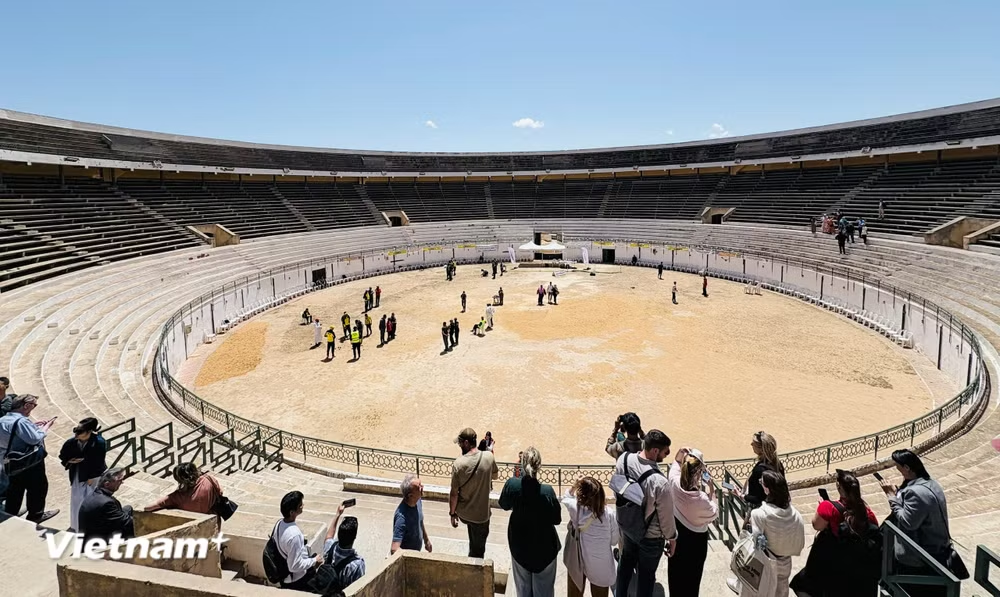
Another highlight of the journey is the Oran bullfighting arena – an extremely rare structure in Africa that bears the strong influence of Spanish civilization.
Although no longer in operation, the arena retains its unique architectural value, adding a distinctive dimension to the city's diverse heritage landscape.
From the top of an ancient fortress to a paradise on the open sea.
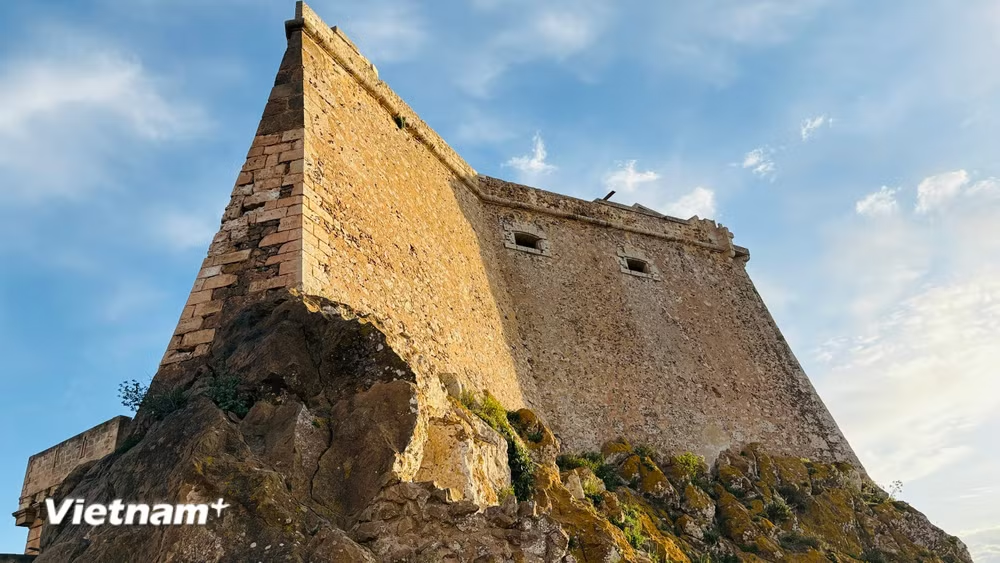
From the city center, a winding road leads visitors upwards to Fort de Santa Cruz, a historic lighthouse and Oran's most spectacular viewpoint.
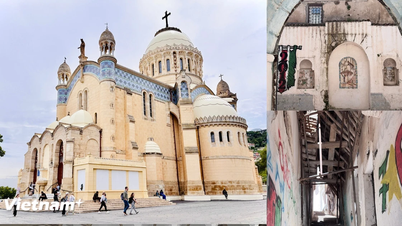
Standing proudly beside the fort is the Santa Cruz Chapel – an iconic spiritual landmark, a testament to a long history of cultural exchange.
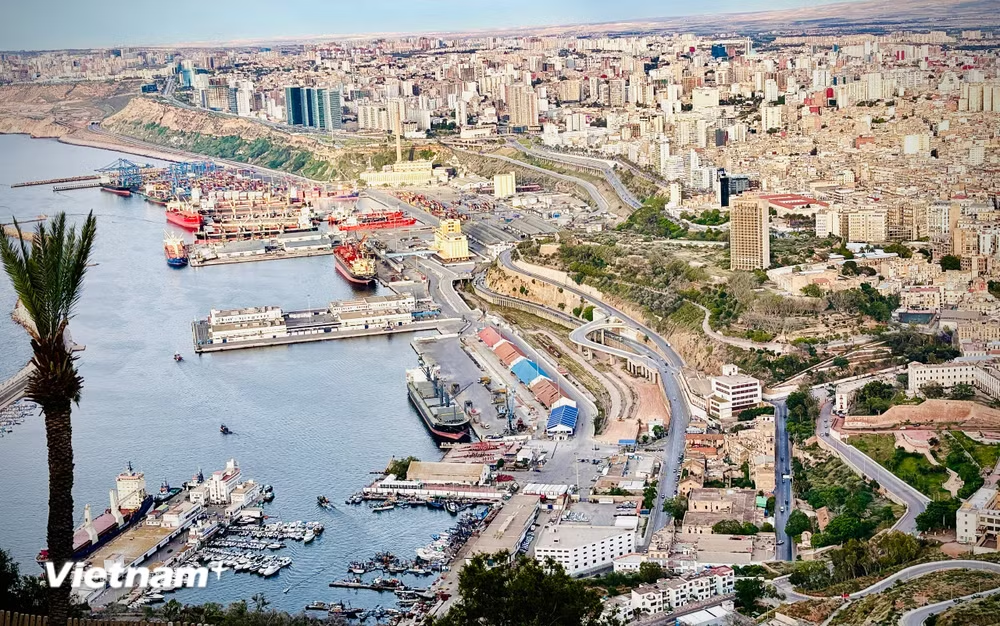
From this breezy vantage point, the entire city of Oran unfolds before your eyes like a magnificent panoramic painting: the bustling harbor below, the rows of white buildings, the wide avenues, and the enchanting blue coastline of the Mediterranean Sea. The sunlight spreads evenly across the landscape, making Oran appear both ancient and vibrant.
After a morning immersed in the cultural atmosphere, the group stopped for lunch at a seaside restaurant outside the city center.
Enjoying Mediterranean cuisine while watching gentle waves lap against the rocky shore is perhaps the most relaxing moment of the trip. Quiet and unpretentious, Oran captivates with its pristine natural beauty of sunshine, sea, and a slow pace of life.
The journey continues towards Cap Falcon and Bousfer. While Cap Falcon welcomes visitors with its majestic headlands and ancient lighthouse, Bousfer is a true holiday paradise. It boasts soft golden sands, crystal-clear waters, and peaceful resorts nestled along the Mediterranean coast.
As evening falls, the sunlight softens, casting a warm, golden-orange hue over Bousfer Beach. Locals and tourists stroll leisurely along the sand, the gentle lapping of waves mingling with peaceful laughter and conversation, creating a tranquil space completely separate from the hustle and bustle of the city.
According to Ilmahane, a local tour guide, Oran has been welcoming an increasing number of international tour groups from Asia in recent years, including Vietnam, China, and South Korea.
"We are actively implementing various solutions to promote the city's image, from producing videos showcasing its beautiful scenery and boosting social media presence to participating in international tourism fairs to attract visitors," Ilmahane shared.
According to her, the local authorities also expect that Oran's advantages in marine resources, rich historical heritage, and distinctive Mediterranean culture will help it become a new star of North African tourism in the near future.
Source: https://www.vietnamplus.vn/kham-pha-oran-paris-thu-nho-giua-long-bac-phi-post1112736.vnp
![[Photo] General Secretary and President To Lam presides over the meeting to approve the draft report on the results of the second inspection by the Politburo of the Standing Committee of the Hanoi City Party Committee.](https://vphoto.vietnam.vn/thumb/1200x675/vietnam/resource/IMAGE/2026/05/26/1779789811432_a2-bnd-4430-9620-jpg.webp)


































































Comment (0)