

Empowering local authorities
The two-tiered government system represents a fundamental change in the mechanism through the promotion of decentralization and delegation of power. In Nghe An , decentralization has been strongly implemented: the provincial level handles 1,710 tasks, while the commune level is directly assigned to handle 318 tasks. Notably, from June 2025 to April 2026, 83 tasks from central ministries and agencies were directly transferred to the commune level for resolution. This means that the commune-level government is no longer a passive "extension" of the district level as before, but has become an independent governing entity with real power and direct accountability to the people.
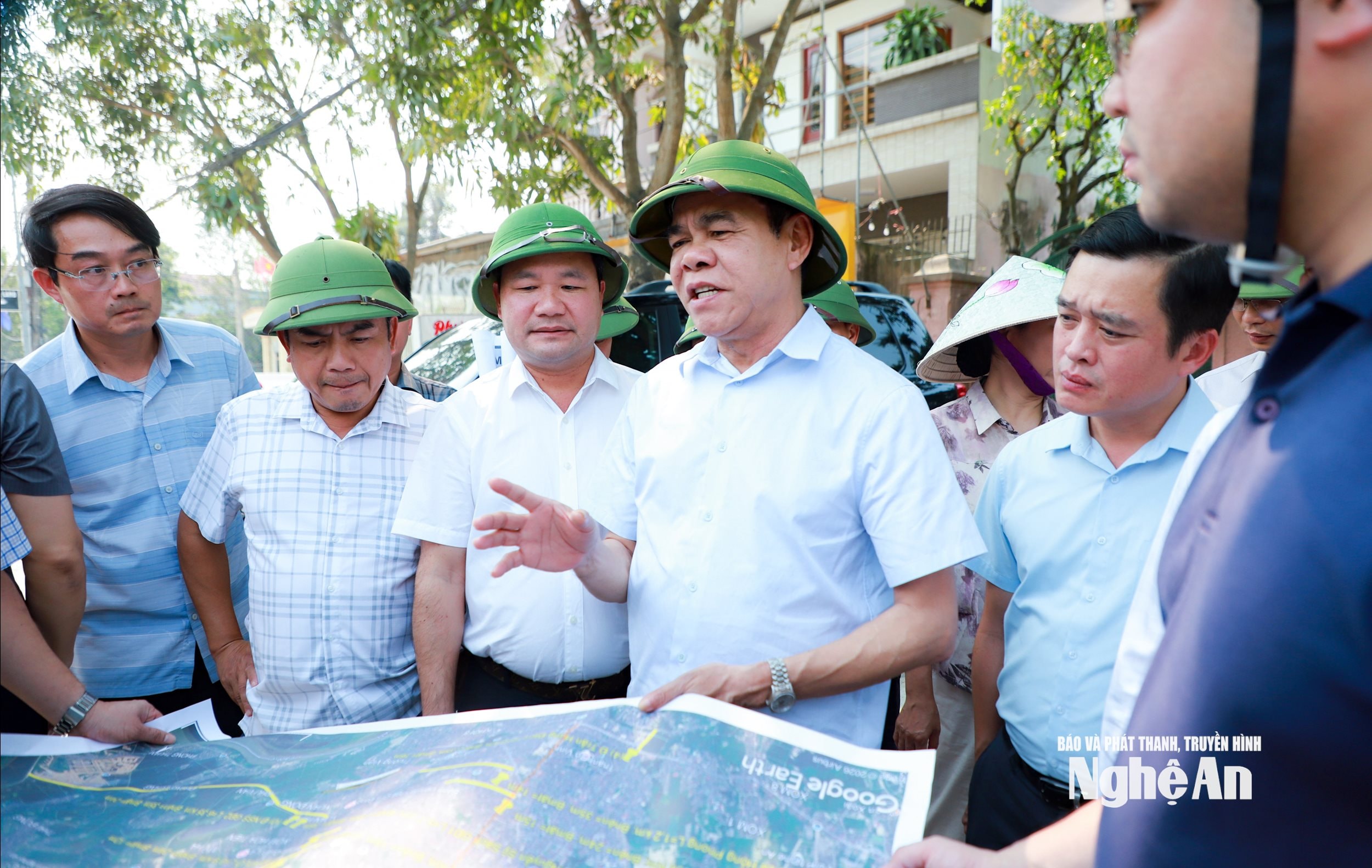
This decentralization comprehensively covers all areas of local government administration, with high feasibility assessed in many key areas. In the administrative and judicial fields, communes have stably implemented civil registration, authentication, and grassroots mediation. In the defense and security fields, with the participation of regular commune police forces, residence management and order maintenance have achieved significant effectiveness. Furthermore, in the economic and financial fields, communes now proactively prepare, execute, and settle budgets, manage public assets, and register individual businesses. The allocation of commune-level budgets has been fully structured across all expenditure areas, contributing to increased resources and maximizing autonomy for local authorities.
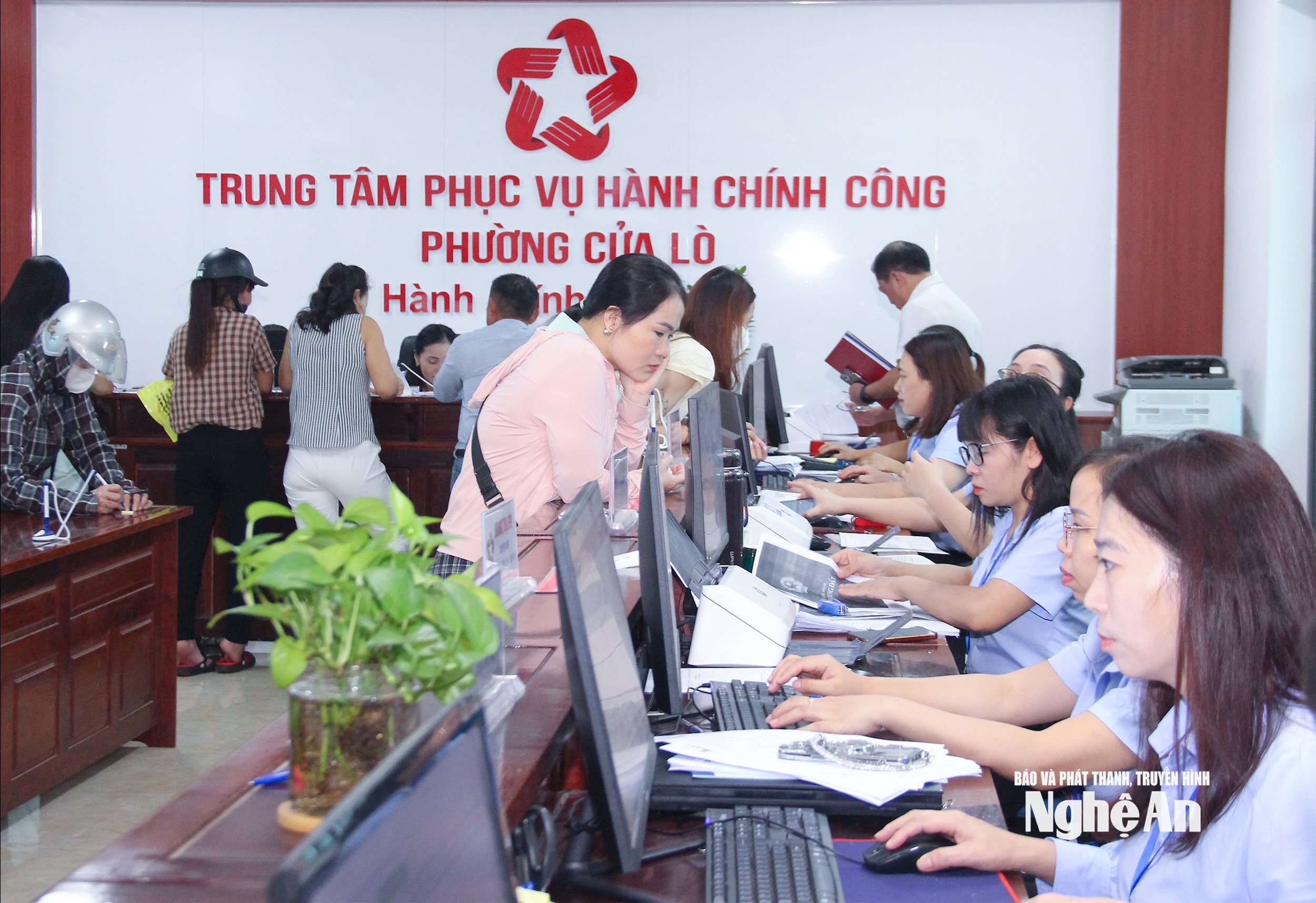
When power and responsibilities are concentrated at the grassroots level, the pressure on commune-level officials is inevitable. The situations in Vinh Phu and Cua Lo wards are prime examples. Vinh Phu ward, after merging four units, has become a "super ward" with a population of over 74,000 people. With an area of 23.04 km² and a huge workload ranging from urban management to investment and construction, the team of only 69 officials and civil servants has had to work many times harder than before. In less than a year, the Vinh Phu Ward People's Committee received and processed over 15,284 administrative procedures, with a timely resolution rate of 99.8%.
.jpg)
Similarly, in Cua Lo ward, established by merging seven former wards, the administrative apparatus has operated smoothly from the very beginning. From July 2025 to April 2026, the ward's People's Committee issued more than 7,200 documents for management purposes and achieved a 99.7% on-time processing rate. Despite the sudden increase in workload after the abolition of the district level, the ward-level officials have demonstrated a high sense of responsibility, dynamism, and quick adaptation to their new tasks.
Comrade Nguyen Tri An - Head of the Party Building Committee of Vinh Phu Ward Party Committee, observed: "The commune and ward-level governments in the new model are gradually shifting from a 'administrative implementation' mindset to 'local governance,' requiring comprehensive management capacity, high professionalism, and the ability to handle work directly and promptly at the grassroots level."
For decentralization and delegation of power to truly be a driving force...
However, practice also shows that decentralization is happening faster than the process of preparing resources. While authority has been expanded, human resources, expertise, and supporting conditions in many areas have not kept pace. Despite achieving positive results, the practical operation of a two-tiered government system also reveals significant challenges regarding the compatibility between assigned tasks and implementation conditions.
.jpg)
According to Comrade Phung Duc Nhan, Vice Chairman of the People's Committee of Cua Lo Ward, the biggest pressure is not only the number of documents but also the complexity of the work, as the commune now has to work directly with provincial-level departments and agencies instead of district-level ones as before.
One of the major bottlenecks today is the capacity to perform specialized tasks such as project management, investment promotion, and support. Comrade Phung Duc Nhan expressed his concern: “The professional capacity at the commune level is currently uneven. Not everyone can provide support to investors according to the current decentralized process. In fact, there are cases where local officials do not fully understand the procedures, leading to investors having to provide guidance, or dossiers submitted to the province being repeatedly rejected due to professional errors.”
Land, construction, and environment are areas that are putting significant pressure on commune-level governments after decentralization. These areas not only require deep expertise but also face difficulties due to the lack of synchronization and incomplete digitization of historical land cadastral data. Meanwhile, the fact that many officials and civil servants have to take on multiple responsibilities after mergers has led to confusion in handling new tasks and responsibilities in some areas.
Furthermore, the technological infrastructure in many localities still does not meet the operational requirements of the new model. In mountainous communes, unstable internet connections and a lack of equipment have affected the processing of electronic documents and the deployment of online public services. The need to simultaneously use the provincial administrative procedure system and specialized software from central ministries and agencies also increases the workload and creates difficulties for local officials in their work.
Work pressure has increased significantly after the merger and the transfer of more responsibilities from the district level, but the salary and allowance system for commune-level officials and civil servants remains unchanged. This has somewhat affected work motivation as well as the ability to attract and retain quality human resources at the grassroots level.

Based on the practical experience of one year of operating a two-tiered government system, the requirement is that decentralization must go hand in hand with delegation of power; delegation of power must be linked to responsibility and conditions to ensure its implementation.
According to Comrade Nguyen Tri An, Head of the Party Building Committee of Vinh Phu Ward Party Committee, to maximize the strength of the grassroots government, it is necessary to continue improving the institutional framework, concretizing the functions and tasks between levels, avoiding overlaps, and promptly issuing specific forms and procedures for newly decentralized tasks. Identifying digital transformation as the core foundation is crucial. Thorough digitization of archived documents and upgrading of the network system for remote and rural areas are also necessary.
In addition, more appropriate policies are needed for commune-level officials and civil servants, ensuring they are adequately compensated for the workload and nature of the new phase. The deployment and secondment of specialized personnel from the provincial and departmental levels to support localities lacking manpower should also continue to ensure the quality of task execution.
The success of the decentralization and delegation process depends greatly on the quality of the staff and civil servants directly carrying out the tasks. Recognizing this as a breakthrough area, Nghe An has focused on improving the capacity of grassroots officials through practical training and development programs that are closely aligned with job requirements.
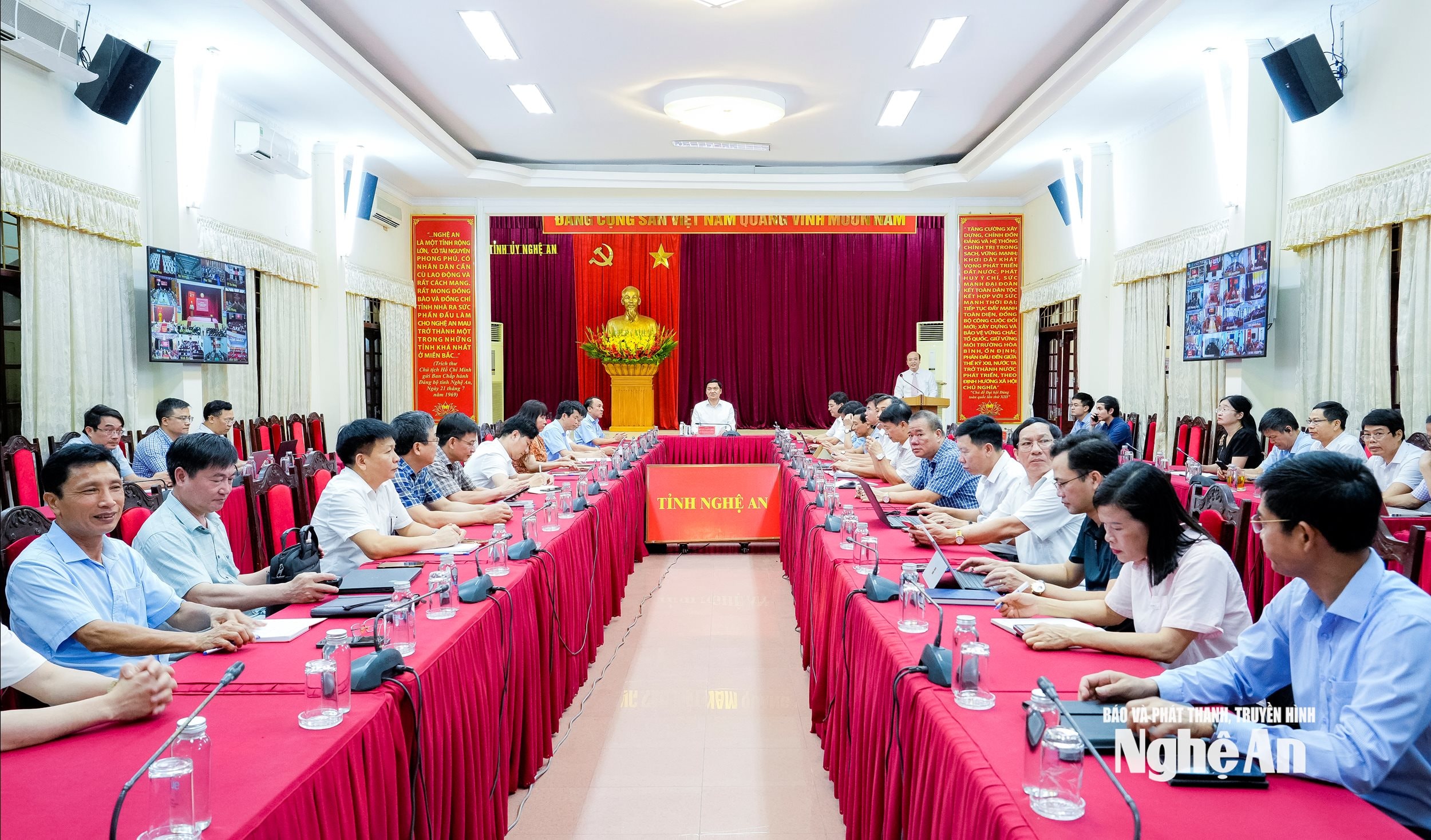
In 2025 alone, the province organized 82 training courses for commune-level officials and civil servants, focusing on management skills, professional expertise, and digital transformation using a hands-on approach. In 2026, the province will continue to implement 107 training courses for more than 42,000 commune-level officials and civil servants, contributing to preparing human resources to meet the requirements of local governance in the new phase.
It is clear that decentralization and delegation of power are not simply about transferring tasks from higher to lower levels, but rather a process of empowering individuals and organizations with responsibility, competence, and resources for implementation. When the necessary conditions are fully met, the commune-level government will truly fulfill its role as a government that is close to the people, directly serving citizens and businesses more effectively.
Source: https://baonghean.vn/khi-cap-xa-duoc-trao-thuc-quyen-10338203.html

![[Photo] General Secretary and President To Lam presides over the meeting to approve the draft report on the results of the second inspection by the Politburo of the Standing Committee of the Hanoi City Party Committee.](https://vphoto.vietnam.vn/thumb/1200x675/vietnam/resource/IMAGE/2026/05/26/1779789811432_a2-bnd-4430-9620-jpg.webp)











































































Comment (0)