

Numerous scientific studies demonstrate the health benefits of vegetarianism. As long as the body receives sufficient essential nutrients, a vegetarian diet can help control weight, prevent heart disease, and many other chronic illnesses, according to the health website Healthline (USA).
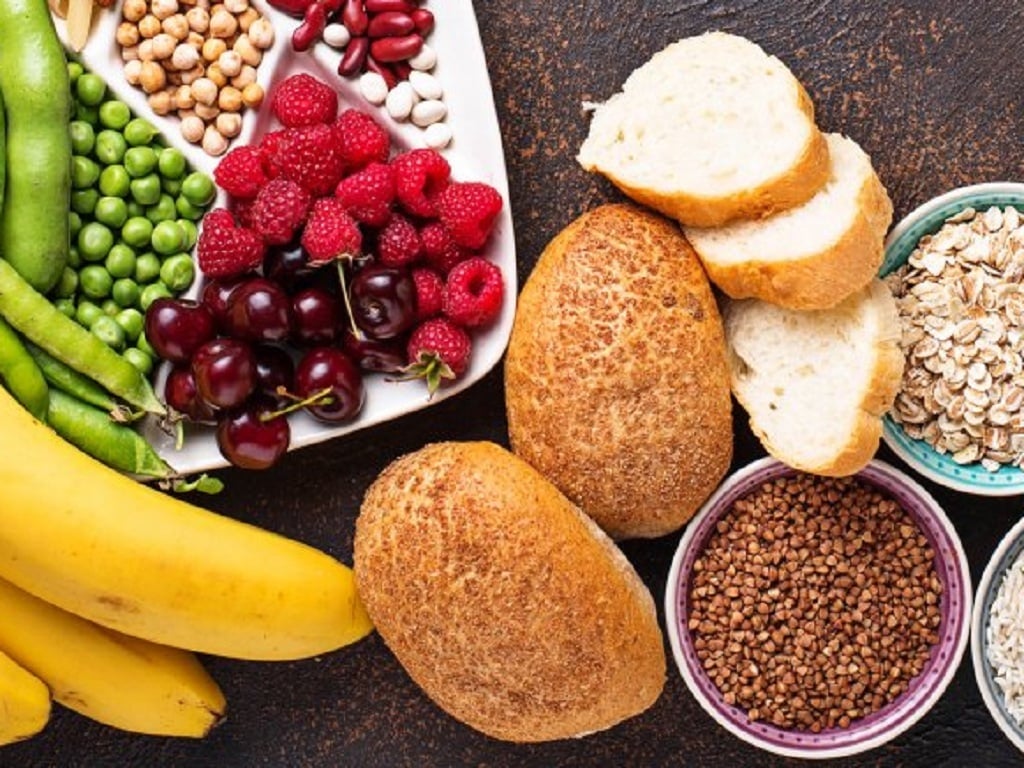
A preference for vegetarianism may be influenced by genetic factors.
But in reality, there are people who really enjoy vegetarian food and dislike eating meat. A recent study by the Feinberg School of Medicine at Northwestern University (USA) has offered a new explanation for this.
The study was led by Dr. Nabeel Yaseen. He and his colleagues analyzed data from over 5,300 vegetarians and nearly 329,500 meat-eaters. The data was sourced from the UK's Biobank, a biomedical database and research resource. Vegetarians are defined as those who do not eat fish, poultry, or red meats such as pork, beef, or goat.
When comparing genetic factors, the research team found three genes that clearly influence a person's preference for vegetarianism, and 31 genes that are highly likely to have a similar effect. The researchers called these genes "vegan genes."
People who prefer a vegetarian diet are more likely to possess these genes than meat-eaters, especially four gene variants: TMEM241, RIOK3, NPC1, and RMC1. Many meat-eaters do not possess these gene variants.
To explain this phenomenon, the research team suggests that genes may have influenced how the body breaks down fat, or lipids. Breaking down plant-based foods or animal meat requires different enzymes, which are regulated by genes.
Therefore, people with genes that favor vegetarianism will have enzymes that are better at breaking down plant matter than animal matter, and vice versa. Thus, the hypothesis is that dietary preferences depend on which type of fat the body breaks down better.
Scientists believe more research is needed to clarify this phenomenon. However, research also shows that in addition to cultural, ethical, environmental, and health factors, genetics also influences a person's diet, according to Healthline .
Source link




















![[Photo] Prime Minister Pham Minh Chinh holds a phone call with the CEO of Russia's Rosatom Corporation.](/_next/image?url=https%3A%2F%2Fvphoto.vietnam.vn%2Fthumb%2F1200x675%2Fvietnam%2Fresource%2FIMAGE%2F2025%2F12%2F11%2F1765464552365_dsc-5295-jpg.webp&w=3840&q=75)

















































Comment (0)