

Winged beans are rich in protein and folic acid, which support improved fertility and are beneficial for the health of pregnant women.
Winged beans are high in protein, belong to the legume family, and are widely grown in tropical regions. All parts of the plant—seeds, young pods, leaves, flowers, and tubers—are edible.
Dr. Nguyen Van Phuc, a specialist in Obstetrics and Gynecology at Tam Anh General Hospital in Ho Chi Minh City, said that women can obtain folic acid and vitamin B by eating winged beans. These are important substances that help facilitate DNA synthesis and cell division in the fetus. Folic acid contributes to preventing neural tube defects in newborns. This food also provides plenty of protein and iron, helping pregnant women reduce the risk of anemia during pregnancy and prevent low birth weight in infants.
Winged bean powder is also processed into various dishes to help reduce malnutrition.

Young winged beans are rich in nutrients and a nutritious food for pregnant women. Photo: Tue Diem
Dr. Phuc noted that while winged beans are very good for health, women should not eat too much of them and need to supplement their diet with other foods to ensure adequate nutrition. When buying winged beans, choose green pods without brown spots, and avoid damaged or bruised ones. People with G6PD deficiency, gout, or urinary tract stones should not eat them in large quantities.
Women need a balanced diet, varying their meals daily to make them more palatable. They should eat foods rich in folic acid such as beans, liver, eggs, leafy green vegetables, oranges, and tangerines.
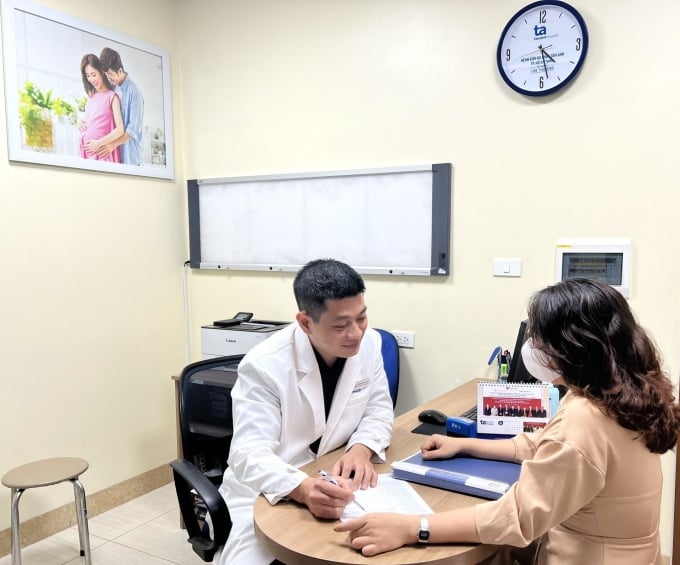
Doctor Phuc advises on nutrition for pregnant mothers. Photo: Tue Diem.
According to Doctor Phuc, during prenatal consultations, women who wish to have children are always advised on reproductive health, prenatal vaccinations, and provided with multivitamin supplements including iron and folic acid at least three months before pregnancy.
Dr. Phuc advises couples to understand their ovulation period and determine the best time for intercourse to maximize the chances of conception. If they are unsure of their ovulation time, they should have regular intercourse for at least one week in the middle of their menstrual cycle (around the ovulation window). Both partners should improve their health, engage in light exercise, maintain a healthy weight, reduce stress, and limit alcohol, coffee, and tobacco use.
If the above methods don't yield good results, the couple should have a prenatal check-up. The doctor can help the couple detect any abnormalities early so they can receive treatment and successfully conceive.
Tue Diem
| Readers can submit questions about pregnancy and childbirth here for doctors to answer. |
Source link











































































































Comment (0)