

Looking at the overall picture, Lao Cai possesses a large-scale and comprehensive agricultural base with specialized farming areas that have outstanding development potential. The province has established a cinnamon cultivation area of over 143,000 hectares (accounting for 75% of the total cinnamon area nationwide); a tea cultivation area of 16,046 hectares; a fruit tree cultivation area of 25,590 hectares; a valuable medicinal plant cultivation area of 6,555 hectares; a mulberry cultivation area of nearly 1,500 hectares; and a Bat Do bamboo shoot cultivation area of 6,600 hectares… These figures demonstrate Lao Cai's enormous potential for supplying raw materials, creating a solid foundation for the formation of concentrated production ecosystems.
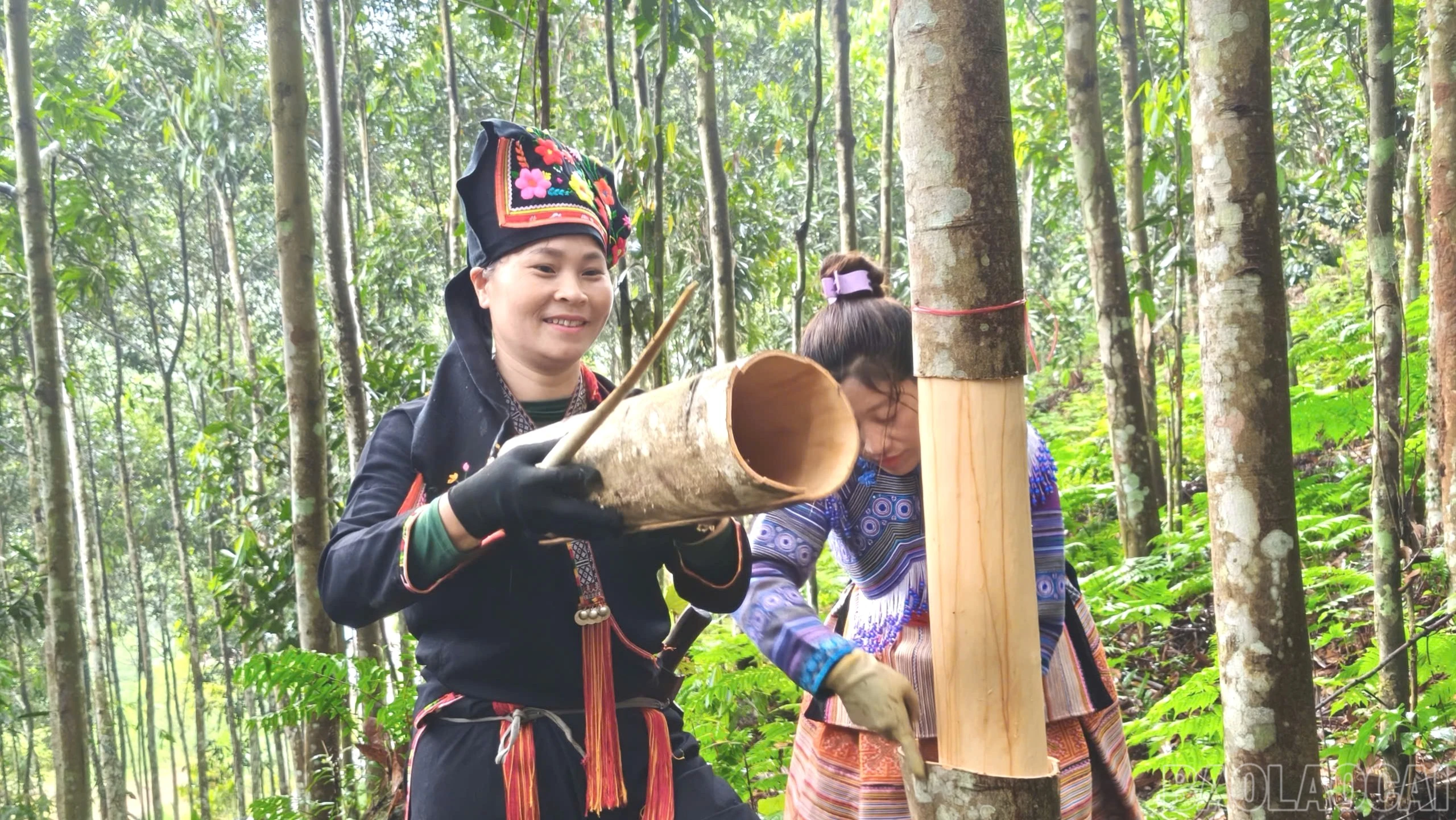
In Tan Hop commune, agriculture and forestry account for 58.8% of the total commune product. The focus is on the cinnamon growing area of 8,622.28 hectares; of which more than 4,761 hectares are 16 years old or older, possessing high essential oil content and ready for advanced processing. Meanwhile, the highland commune of Cao Son boasts a "green treasure" with over 1,200 hectares of tea. A prime example is nearly 40 hectares of ancient Shan Tuyet tea trees producing high-value fresh buds at 60,000-70,000 VND/kg, along with 490 hectares of Shan tea in the Lung Khau Nhin area yielding a stable production of 2,691 tons per year.
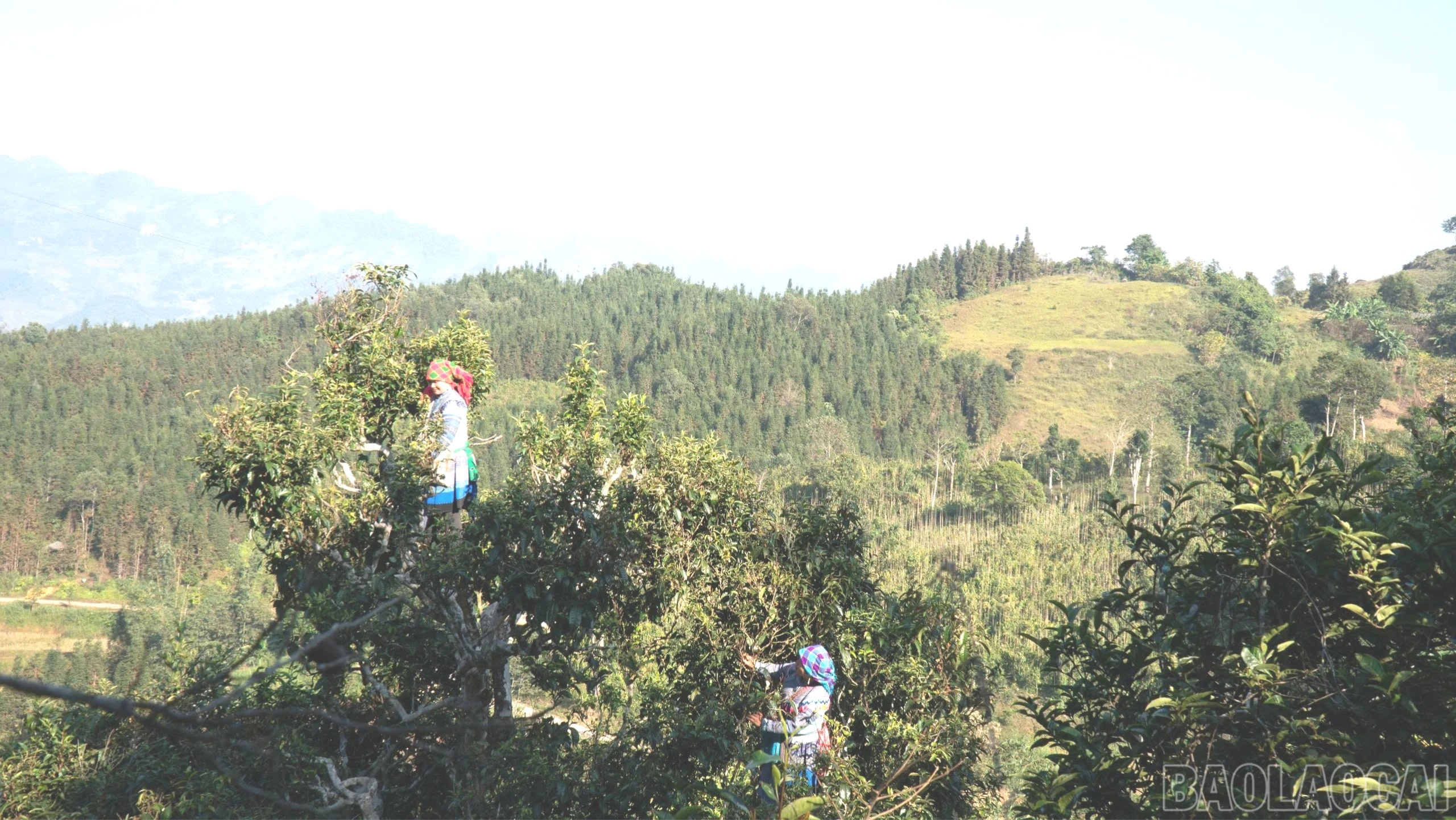
However, the biggest bottleneck currently facing both localities remains in the deep processing stage. In Tan Hop, income from cinnamon only reaches 35-37 million VND/hectare/year, the product is mainly exported raw through intermediaries, and the area with international organic certification is still very low. Meanwhile, in Cao Son, tea purchasing activities remain unstable and sporadic; the entire commune only has one concentrated production facility, but it lacks the capacity to connect with the market, making the recurring problem of "bumper harvest, low prices" a major concern for farmers.
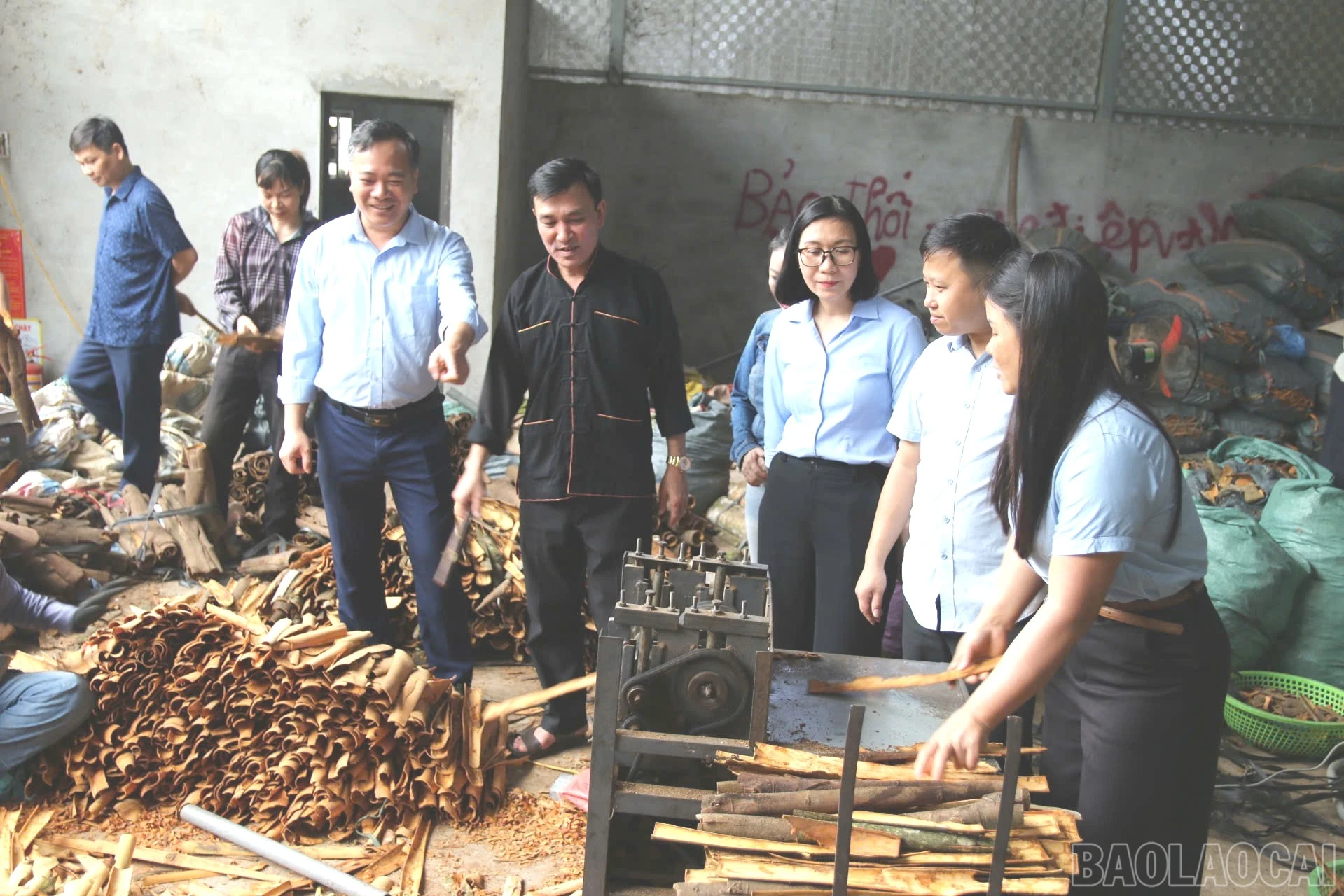
To address these systemic bottlenecks, fundamental changes are required, ranging from management thinking to production organization, by relevant authorities in order to protect the reputation of large-scale specialized farming areas.
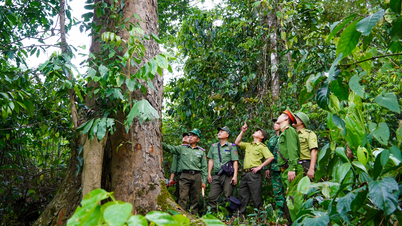
Mr. Nguyen Xuan Quyen, Head of the Tran Yen District Forest Protection Unit, stated: The local forest protection force has proactively shifted from a purely management-oriented mindset to a supportive one, working alongside the people to enhance the value of non-timber forest products through close connections between farmers and businesses and cooperatives.
This shift in mindset not only helps to better control planting area codes and sustainable farming practices, but also creates a solid legal basis for official exports to demanding international markets.
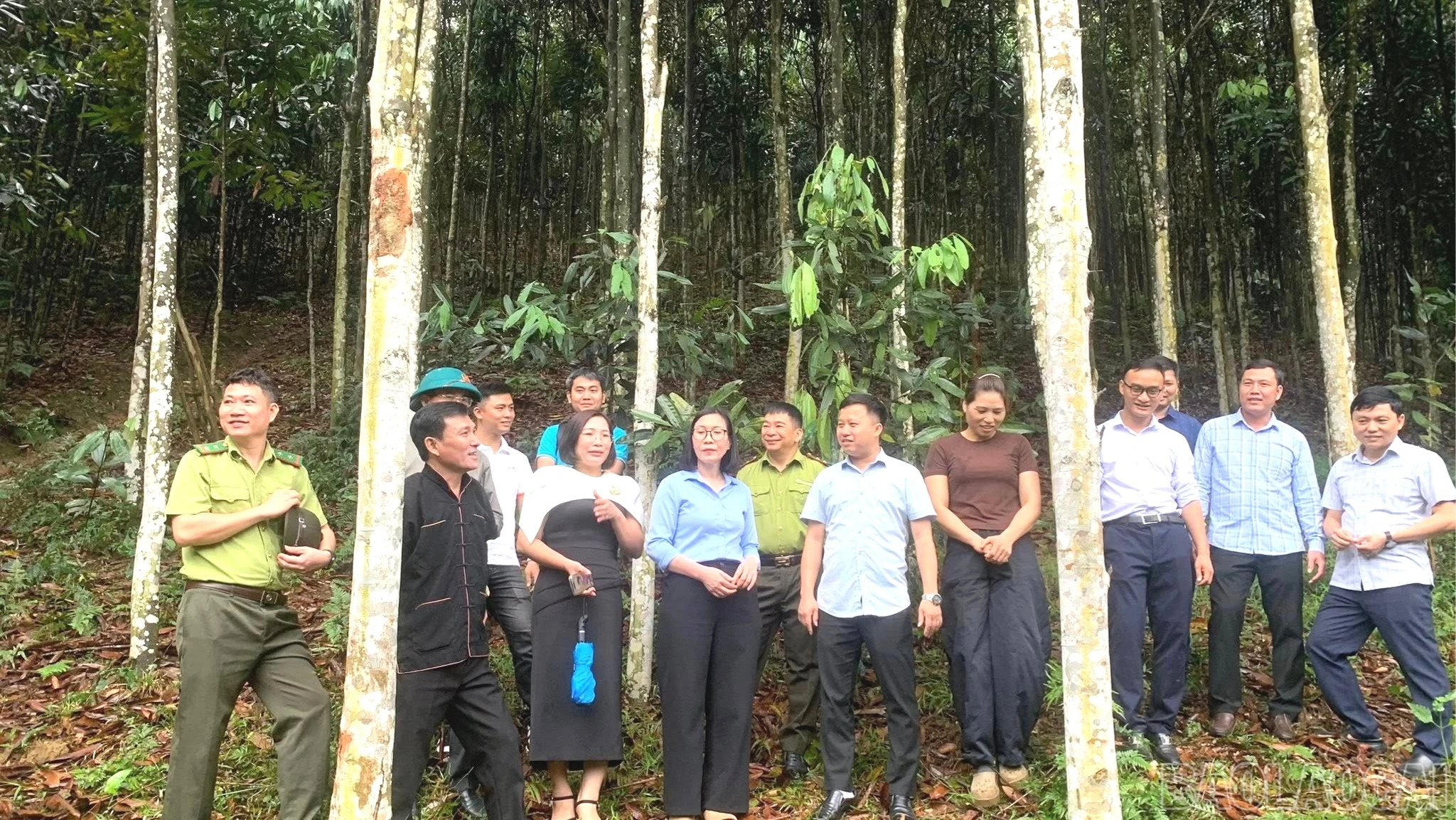
The most significant transformation lies in the proactive approach of local authorities, who are no longer passively waiting but are actively creating spaces to attract investment. In Tan Hop commune, the Party committee and government have clearly defined the legal framework and land allocation to welcome investment waves.
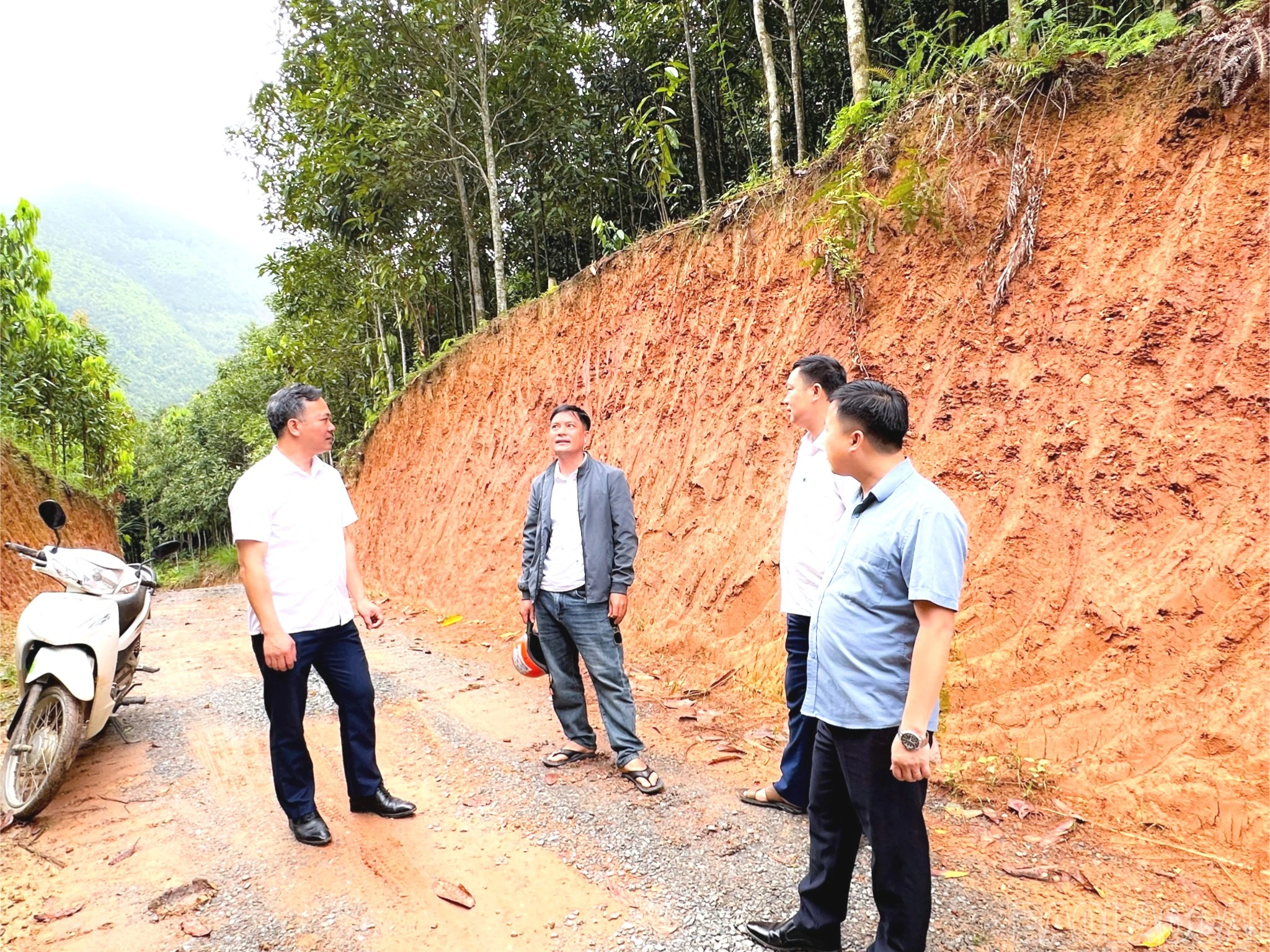
Mr. Ha Trung Kien, Chairman of the Tan Hop Commune People's Committee, affirmed: The Resolution of the Commune Party Congress identifies cinnamon cultivation, digital transformation, and tourism as three key tasks. We organized this workshop to comprehensively introduce the advantages of the local soil and cinnamon production, and are ready to create a legal framework and prepare clean land to attract businesses to invest in deep processing.
With the same proactive approach, the Cao Son commune government is also actively promoting trade and implementing systematic planning to attract truly capable investors.
Mr. Tran Hoang Anh, Chairman of the People's Committee of Cao Son commune, stated: "To proactively address the bottleneck in tea product distribution, Cao Son commune is resolutely implementing a comprehensive set of solutions. We have completed the detailed planning of specialty raw material areas, including ancient Shan Tuyet tea, high-quality Shan tea, and Oolong tea. At the same time, we are preparing clean land and suitable sites to welcome investment. The locality is committed to creating the most favorable conditions to attract capable deep processing factories with stable markets to establish facilities in the area, ensuring sustainable livelihoods for tea growers."
The political system's determination has strengthened confidence and gained consensus and readiness from both the people and businesses seeking investment opportunities in specialized cinnamon-growing areas. Mr. Duong Van Minh (Doan Ket village, Tan Hop commune) shared: "If production is carried out uniformly according to the correct organic cinnamon cultivation process, the economic value will certainly be higher, and the market will be much more stable and sustainable."
The effectiveness of the organic agricultural value chain linkage model has been proven in practice through the investment flow of large corporations. A prime example is the participation of Olam Vietnam Co., Ltd. in planning and developing organic cinnamon growing areas.
Mr. Nguyen Van Tu, Head of the Organic Raw Material Area at Olam Vietnam Co., Ltd., stated: After 8 years of working alongside the local community in the former Van Yen district, the company has established an organic cinnamon raw material area of over 4,000 hectares. This close collaboration ensures the company has access to high-quality raw materials while guaranteeing a good and sustainable income for over 1,000 farming households.
From the perspective of exporters, the potential of specialized farming areas in Lao Cai is extremely attractive if production is organized and processing is invested in systematically.
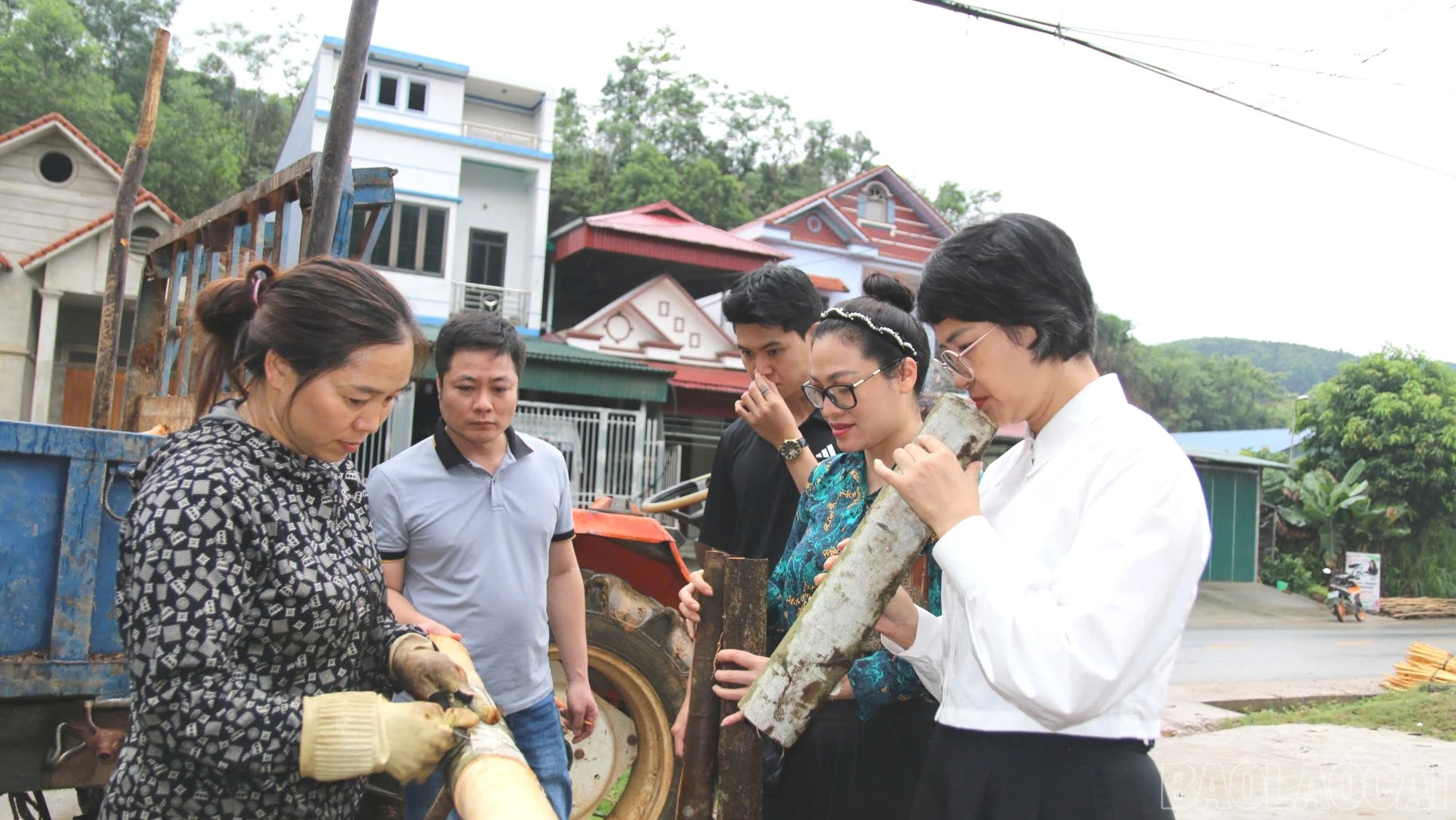
According to Ms. Ta Thi Thu Hien, Director of Hong Ha Import-Export Co., Ltd. (Hanoi), Tan Hop has a very large cinnamon growing area, with many plots over 20 years old, yielding a production volume and essential oil content that meets export standards. We hope to establish deeper links with the locality to invest in standard-compliant factories, and work with cooperatives to standardize organic certification and traceability in order to enhance international competitiveness.
However, Ms. Hien recommended that the local authorities need more involvement from scientists to guide farmers on proper processing and preservation techniques, preventing mold and maintaining the unique characteristics of the Northwest soil. At the same time, the businesses hope that the government will plan for standardized factory areas to utilize the abundant local labor force. This will give businesses confidence to commit to long-term investment and partner with cooperatives to build international organic certification, thereby enhancing their competitiveness with major cinnamon exporting countries such as India, Indonesia, and China.
To realize the goal of increasing the area of cinnamon production to 30% organically grown by 2026-2030, Tan Hop commune is effectively integrating resources from national target programs, forestry projects, and flexibly applying support mechanisms according to Resolution No. 21/2025/NQ-HĐND of the Provincial People's Council. Proactively creating a transparent agricultural ecosystem, from planting area codes and traceability to flexible land use mechanisms, is the foundation for the locality to transform its potential into concrete economic value.
The challenge of developing sustainable commercial agriculture in Tan Hop or Cao Son clearly cannot be separated from the leading role of deep processing enterprises. With innovative thinking and thorough preparation from the ground up, Lao Cai's agriculture is opening its doors, extending an invitation for safe and attractive investment to dedicated businesses determined to work with the locality to elevate and transform raw agricultural products into high-value-added export goods.
Source: https://baolaocai.vn/loi-moi-goi-hap-dan-tu-nong-nghiep-lao-cai-post899822.html
















































































Comment (0)